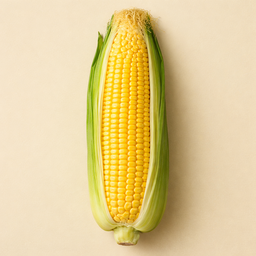
Corn
Golden grain vegetable rich in lutein and zeaxanthin, with resistant starch
What is this ingredient?
Corn is much more than a starchy addition to your plate. It contains the highest lutein concentration of all vegetables — up to 60% of total carotenoids consist of this compound that concentrates in the retina.
Lutein and zeaxanthin are the only carotenoids that accumulate in the macula, the center of sharp vision. A meta-analysis of clinical studies (Ma et al., 2015) showed that supplementation with these compounds significantly improves visual acuity and contrast sensitivity in people with early macular degeneration. The Nurses' Health Study followed over 100,000 people for 20 years and found that higher lutein/zeaxanthin intake is associated with lower risk of advanced AMD.
Additionally, corn contains resistant starch — a type of fiber that reaches the large intestine undigested and ferments into short-chain fatty acids (butyrate), supporting the gut microbiome. Research shows that resistant starch from corn is studied for effects on insulin sensitivity in overweight individuals.
Always combine corn with a fat source (olive oil, avocado) — this way, the fat-soluble carotenoids come into their own.
How does it taste?
Sweet, full-bodied and slightly nutty with a juicy, crunchy bite.
Pairs well with:
Pairs well with butterlimechilicilantro and paprika.
Varieties
Sweet Corn
Most commonly eaten variety; harvested when kernels are still soft and sweet. Higher sugar, lower starch content
Dent Corn (Field Corn)
Primarily for animal feed and cornmeal. Higher starch content, less sweet
Popcorn
Small, hard kernels with thick wall that 'pops' when heated. Zea mays everta
High-Amylose Corn
Specially bred for high resistant starch content (60%+). Used in functional foods
Did you know...?
- Corn was domesticated about 10,000 years ago in Mexico from a wild grass called teosinte.
- Every ear of corn always has an even number of rows of kernels.
- A corn plant produces an average of 800 kernels, arranged in 16 rows.
Nutritional Value & Energy
Per 100g
Corn provides energy thanks to natural nutrients , buffered by fiber.
Per 100g
Minerals
Vitamins
More nutrients
B-Vitamins
Trace Minerals
Low GI means blood sugar doesn't spike quickly.
Low GL means minimal impact on your blood sugar per serving.
What's in a serving?
1 serving
Corn naturally contains folate (42 mcg per 100 g).
% of daily reference intake (DRI)
EU-approved nutrition claims
This ingredient contains nutrients for which EFSA-authorized health claims exist (at nutrient level, not ingredient-specific).
Approved health claims (EU)
Folate EU 432/2012
Folate contributes to normal blood formation
Contains 42mcg/100g (threshold: >=30mcg/100g)
Folate EU 432/2012
Folate contributes to normal amino acid synthesis
Contains 42mcg/100g (threshold: >=30mcg/100g)
Folate EU 432/2012
Folate contributes to normal homocysteine metabolism
Contains 42mcg/100g (threshold: >=30mcg/100g)
Folate EU 432/2012
Folate contributes to normal psychological function
Contains 42mcg/100g (threshold: >=30mcg/100g)
Folate EU 432/2012
Folate contributes to the normal function of the immune system
Contains 42mcg/100g (threshold: >=30mcg/100g)
Folate EU 432/2012
Folate has a role in the process of cell division
Contains 42mcg/100g (threshold: >=30mcg/100g)
Folate EU 432/2012
Folate contributes to maternal tissue growth during pregnancy
Contains 42mcg/100g (threshold: >=30mcg/100g)
What's being researched?
Zeaxanthin and macular pigment density
Zeaxanthin in corn is being studied for potential protective effects against age-related macular degeneration. Observational studies show associations, but intervention research is ongoing.
Supported by: [3] Wu J (2015) , [4] Sommerburg O (1998)
Insoluble fiber and the gut microbiome
Insoluble fiber in corn is being studied for its role in bowel function and regularity. Evidence supports fiber-rich diets in general.
Supported by: [6] Birt DF (2013)
Good Combinations (Synergy)
Combine corn smartly to enhance the effect:
Corn 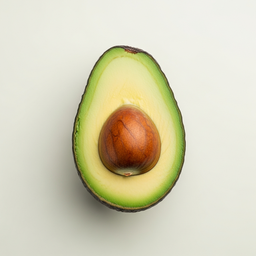 Avocado
 Avocado fat increases zeaxanthin absorption from corn up to 5x
Technical: Corn is the richest food source of zeaxanthin (528μg/100g) — a carotenoid that accumulates in the macula lutea. Zeaxanthin is fat-soluble; avocado's 15g monounsaturated fats increase bioavailability up to 5x through micelle formation. Avocado also contains its own lutein (0.27mg/100g).
What does this mean for you? Corn with avocado (like in Mexican bowls) is a powerful combination for your eye pigments. Avocado makes corn's zeaxanthin truly absorbable — without fat most is lost.
Corn 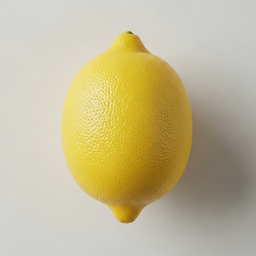 Lemon
Lemon Vitamin C releases bound niacin (B3) from corn
Technical: Corn contains niacin (B3, 1.7mg/100g) but 85% is bound as niacytin — unabsorbable without treatment. This caused pellagra in corn-dependent populations. Ascorbic acid (vitamin C) from lemon can partially hydrolyze niacytin, releasing free niacin. Traditional nixtamalization (alkali) also solves this.
What does this mean for you? Sprinkle corn cobs with lemon juice — this releases bound vitamin B3. Mesoamerican cultures solved this with lime water (nixtamalization), but lemon also helps. Bonus: vitamin C also improves iron absorption from corn.
Corn 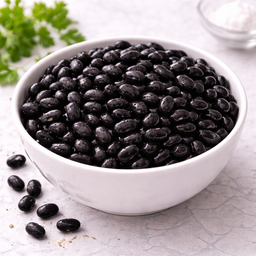 Black Beans
 Complete amino acid profile through lysine + tryptophan complementation
Technical: Corn lacks lysine (limiting amino acid, 0.26g/100g) but has sufficient methionine (0.20g) and tryptophan (0.07g). Black beans are rich in lysine (1.5g/100g) but low in methionine. Together they achieve a PDCAAS of 0.85+ — comparable to animal protein. This is the biochemical basis of millennia of Mesoamerican nutrition.
What does this mean for you? Corn tortilla with black beans — the basis of Mexican cuisine for millennia. Together they form complete protein without meat. Add lime for extra vitamin C and iron absorption.
Recipes with Corn
Discover delicious recipes featuring corn:
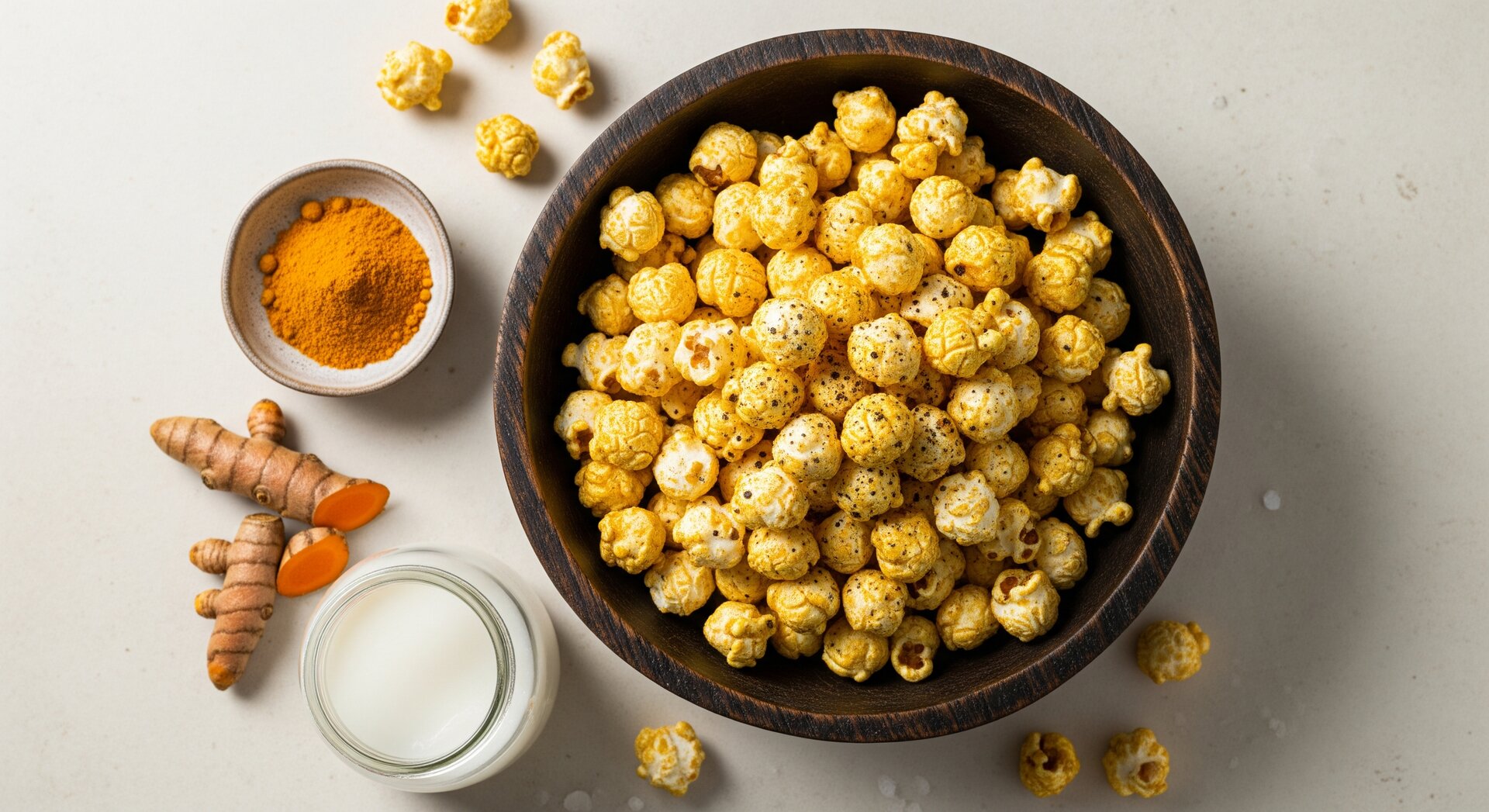 Turmeric Coconut Popcorn 15 min Golden popcorn with coconut oil, turmeric and black pepper
  145 kcal
  2g protein 2 synergies
 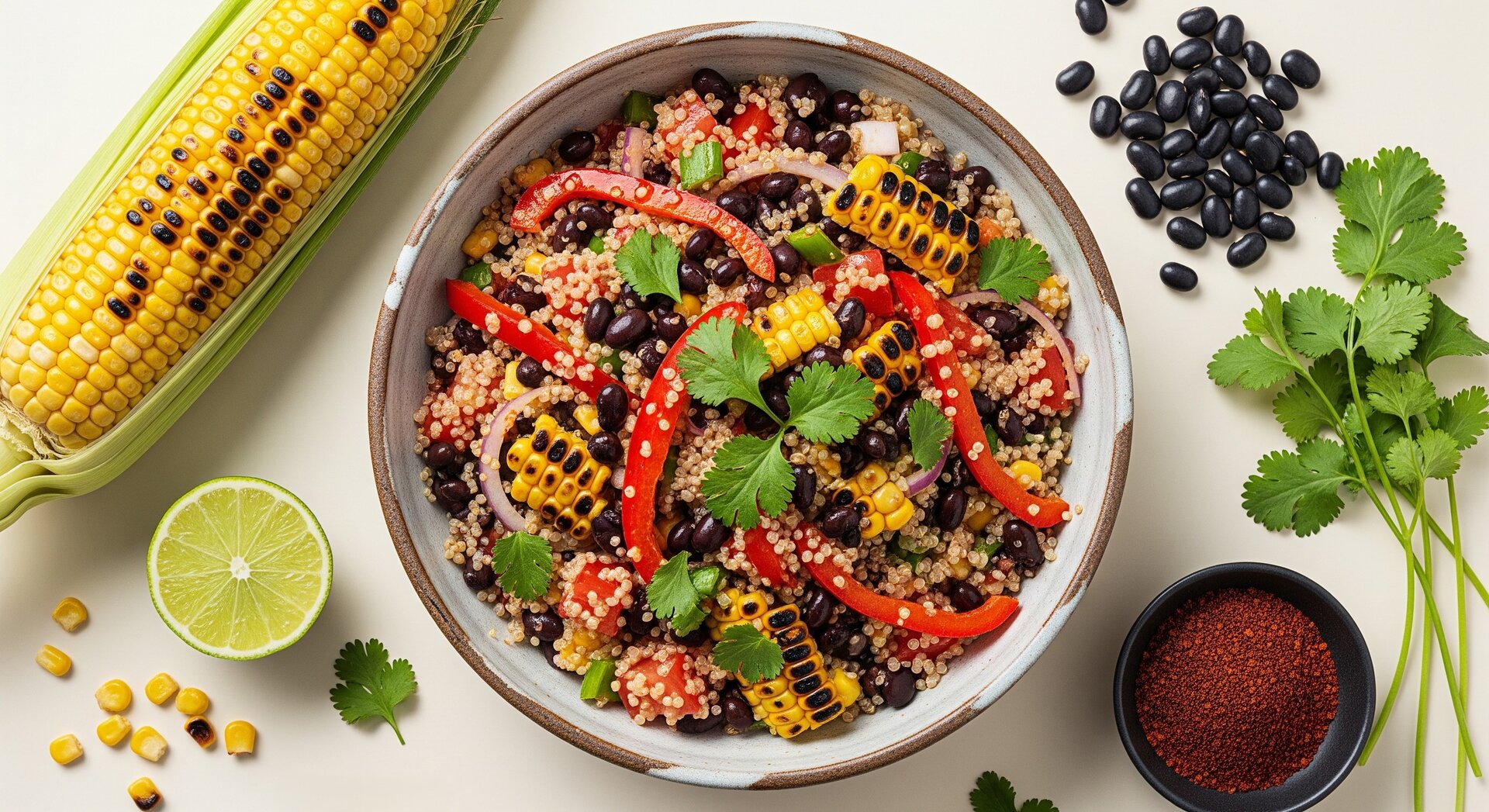 Latin American Quinoa Salad with Chipotle and Corn 35 min Smoky quinoa salad with sweet corn and spicy chipotle 533 kcal 18g protein 1 synergies
 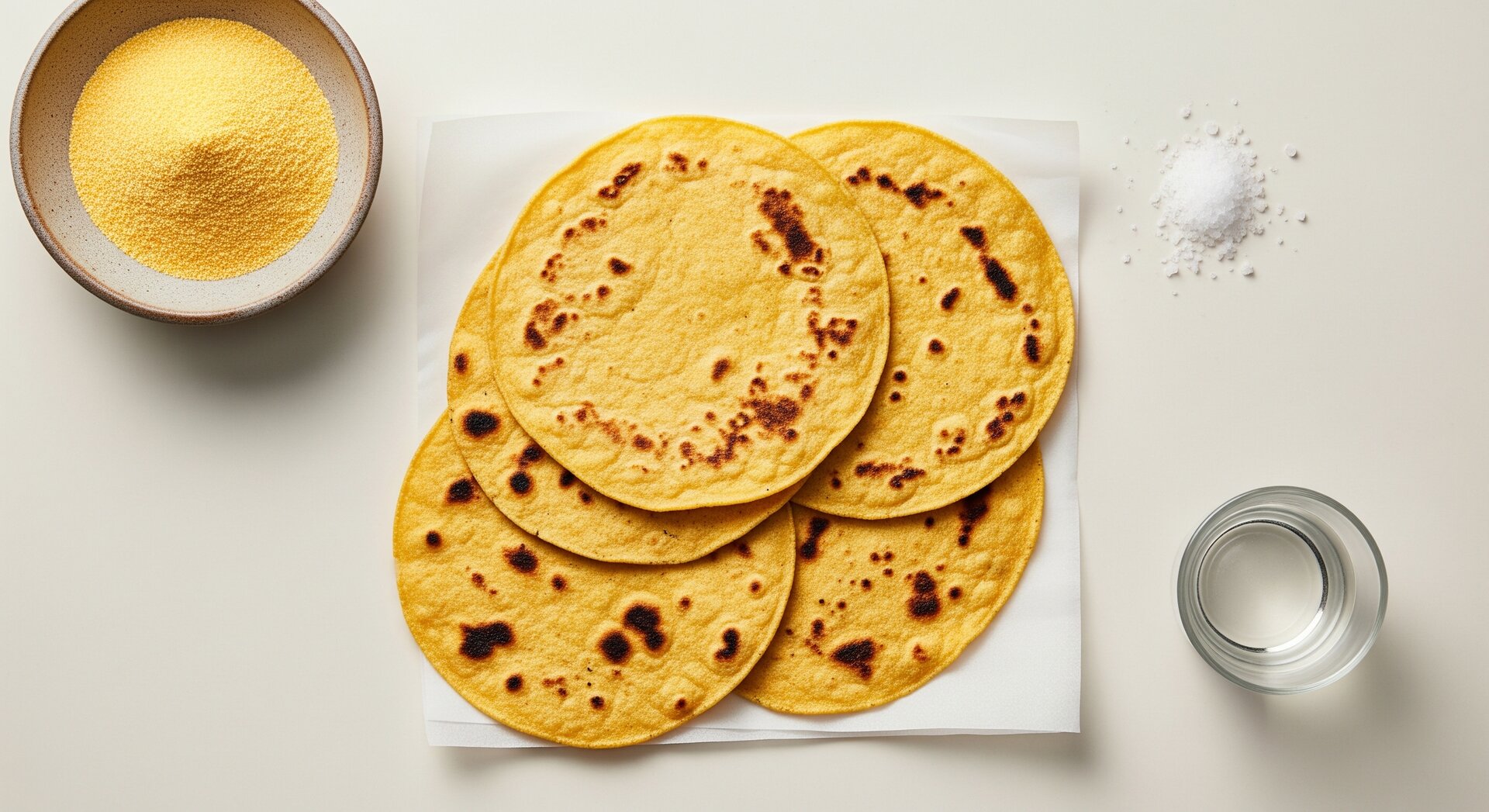 Corn Tortillas 32 min Three ingredients, ten minutes — smelling of roasted corn 57 kcal 2g protein
 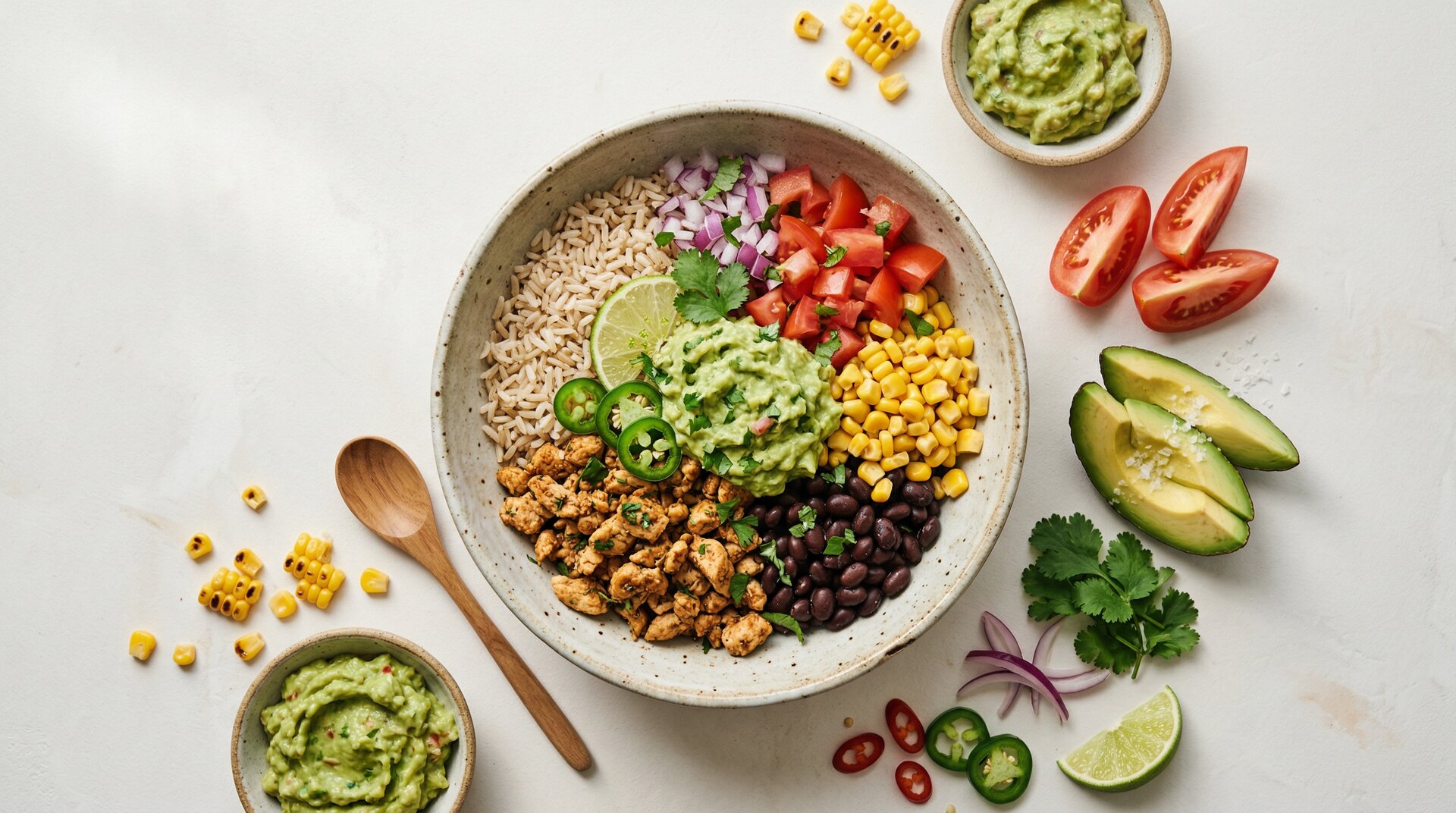 Mexican Burrito Bowl with Guacamole & Black Beans 35 min Nutritious dish with ingredients that may support muscle building and digestive health 802 kcal 38g protein 2 synergies
 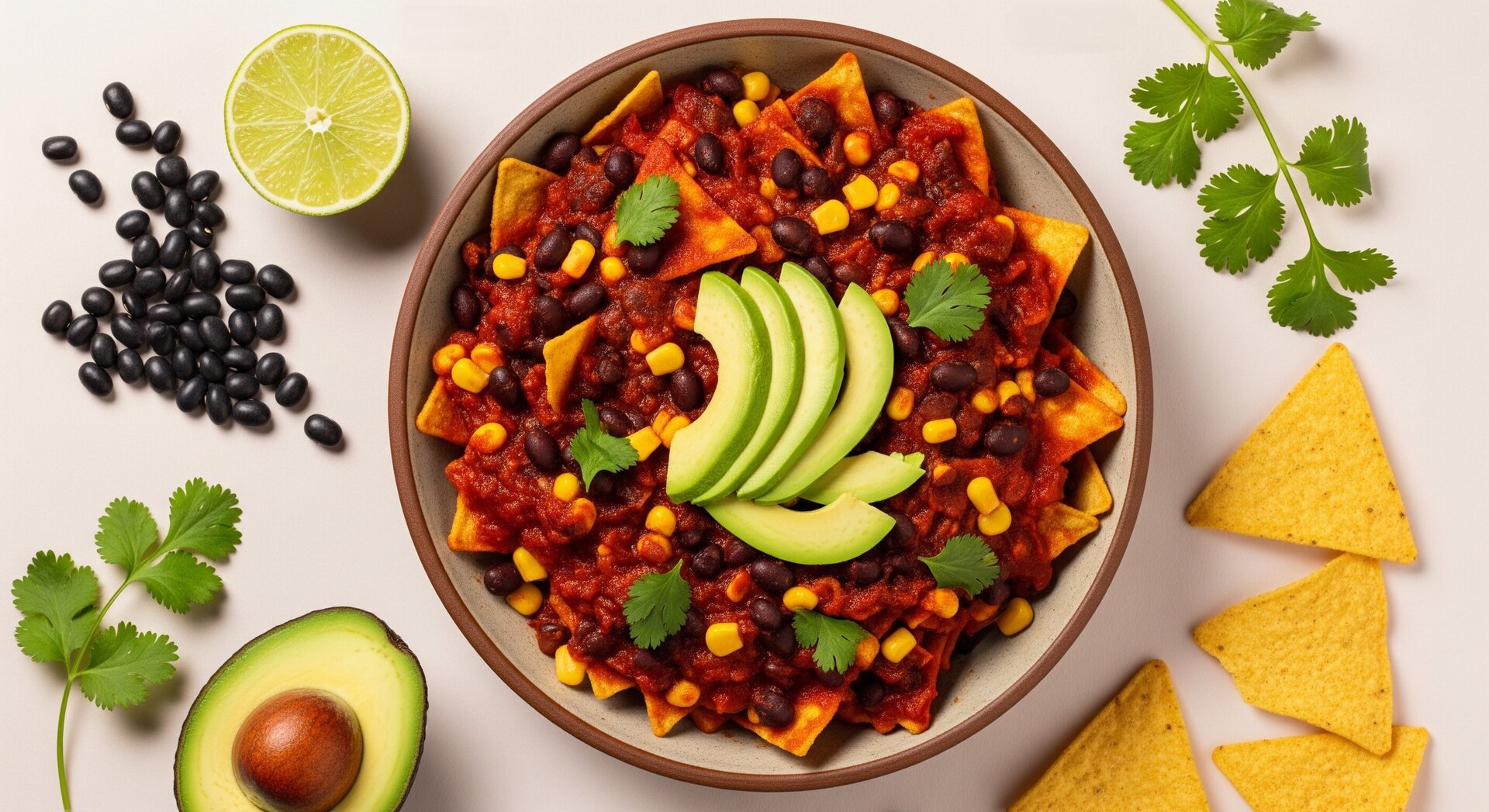 Mexican Chilaquiles with Black Beans 25 min Crispy tortilla chips in tomato salsa with beans 435 kcal 17g protein 2 synergies
 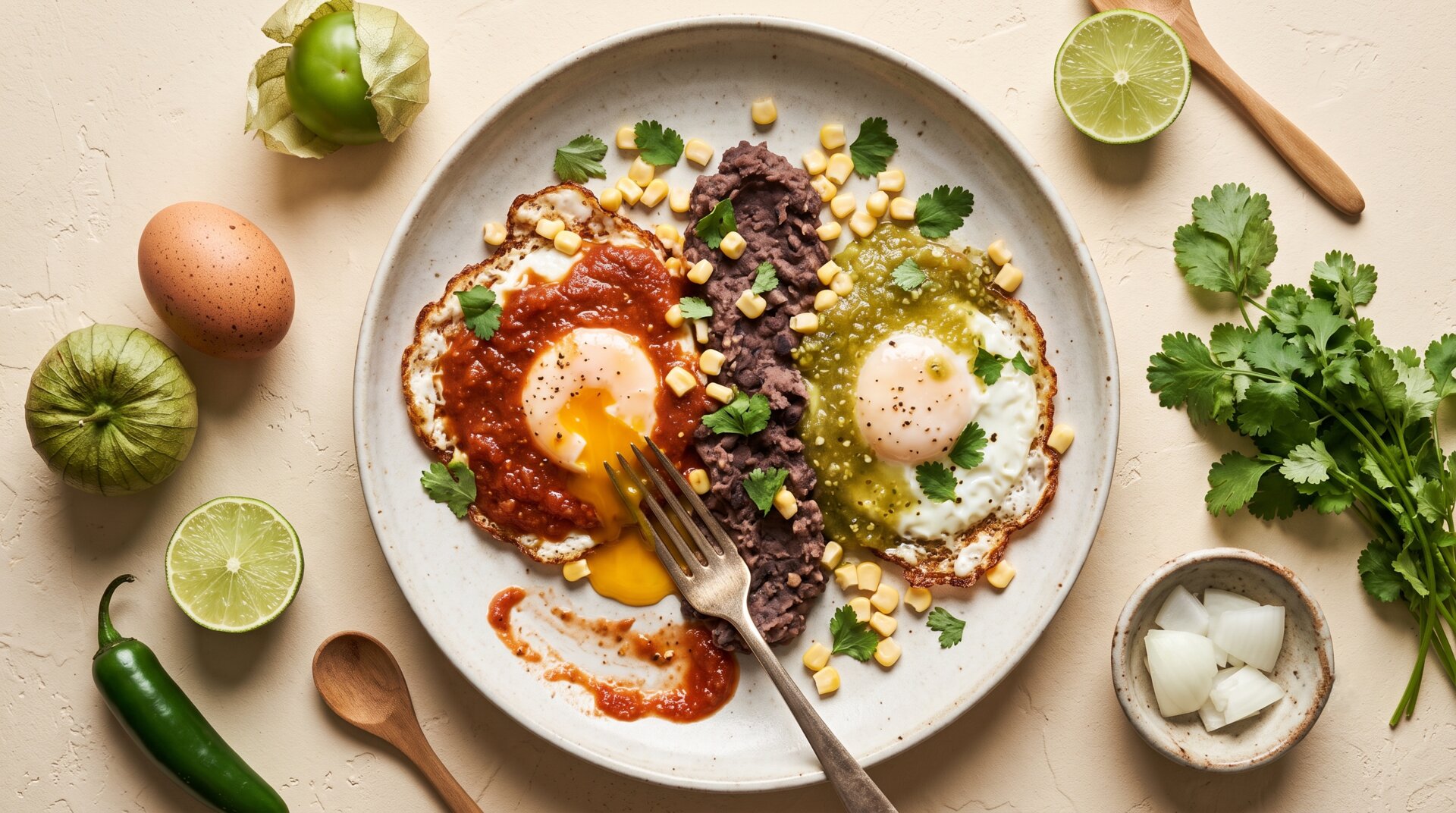 Mexican Huevos Divorciados with Beans 30 min Two eggs with red and green salsa side by side 454 kcal 28g protein 1 synergies
  In the Kitchen
Storage
Location:Refrigerator
Shelf life:1-3 dagen (vers), maanden (diepvries)
Fresh: store with husk, use within 1-2 days for maximum sweetness (sugars convert to starch). Cooked: 3-5 days in fridge. Freezer: blanch 4 min, cool, freeze.
Preparation
Boil 5-7 minutes or grill 10-12 minutes (turn regularly). Steaming retains more nutrients. Do NOT add salt to cooking water (hardens kernels). Serve with olive oil or butter for better carotenoid absorption. Lime and chili pepper are classic pairings.
Conversions
Substitutes
Smart preparation
1Cook corn with the husks on for extra flavor.
2Add a splash of milk and butter to the cooking water.
Why?
This makes the corn kernels sweeter and more tender.
3Grill corn on high heat for roasted, caramel-like flavors.
Caution / Warnings
Corn is very safe, but there are scientific considerations:
Corn Allergy Severe
Rare but can cause severe reactions. Also watch for hidden corn derivatives (corn starch, dextrose, maltodextrin)
Weight Management Mild
More calorie-dense than leafy greens (86 kcal vs 15-25 kcal/100g)
Advice:
Eat corn as part of a balanced meal with plenty of non-starchy vegetables and protein. Limit portion to 100-150g
Traditional use
Indigenous
Sacred crop of the Mayas and Aztecs
Corn was the most sacred crop of the Maya; in their creation story, humans were made from cornmeal. It has been cultivated in the Americas for over 9000 years.
Summary
Corn is the lutein champion among vegetables — of all vegetables it contains the highest concentration of this compound that accumulates in the retina. Its resistant starch feeds your gut bacteria and may improve metabolic health. Always combine with fat (olive oil, avocado) — this way, the fat-soluble carotenoids come into their own.