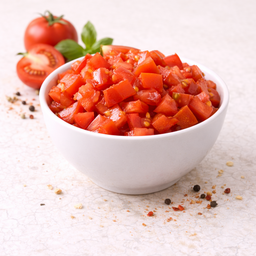
Diced Tomatoes
Canned vegetable with enhanced lycopene
What is this ingredient?
Diced tomatoes (canned tomatoes) are one of the few foods that become more nutritious through processing. The heating process during canning breaks down cell walls, making lycopene - a powerful antioxidant - much more bioavailable.
## Lycopene Paradox
Fresh tomatoes contain ~3mg lycopene per 100g, but bioavailability is only 10-15%. Processed tomatoes (canned, passata, ketchup) have up to 4x higher bioavailability. Studies show cooked tomatoes in oil deliver up to 55% more lycopene than fresh.
## Quality Selection
Choose diced tomatoes without added salt or sugar. 'San Marzano' and 'Roma' tomatoes are most suitable for canning due to their lower water content and higher flavor intensity.
## Synergy with Fat
Lycopene is fat-soluble. Always combine with olive oil, avocado or other fats for maximum absorption. Proteins and fats from meat or fish further improve absorption.
How does it taste?
Concentrated tomatoey and mildly sweet-tart with a soft, diced texture.
Pairs well with:
Pairs well with oniongarlicbell pepperoregano and chili pepper.
Did you know...?
- Canned tomatoes are often picked riper than fresh supermarket tomatoes, so they are more flavorful.
- The first canned tomatoes were produced in 1847 by Harrison Woodhull Crosby in the US.
Nutritional Value & Energy
Per 100g
Diced Tomatoes is low in calories thanks to natural nutrients .
Per 100g
Minerals
Vitamins
More nutrients
B-Vitamins
Trace Minerals
What's in a serving?
1 serving
Diced Tomatoes naturally contains vitamin c (15 mg per 100 g).
% of daily reference intake (DRI)
EU-approved nutrition claims
This ingredient contains nutrients for which EFSA-authorized health claims exist (at nutrient level, not ingredient-specific).
Approved health claims (EU)
Vitamin_c EU 432/2012
Vitamin C contributes to the normal function of the immune system
Contains 15mg/100g (threshold: ≥12mg/100g)
Vitamin_c EU 432/2012
Vitamin C contributes to the reduction of tiredness and fatigue
Contains 15mg/100g (threshold: ≥12mg/100g)
Vitamin_c EU 432/2012
Vitamin C contributes to normal collagen formation for the normal function of skin
Contains 15mg/100g (threshold: ≥12mg/100g)
Vitamin_c EU 432/2012
Vitamin C contributes to normal collagen formation for the normal function of blood vessels
Contains 15mg/100g (threshold: ≥12mg/100g)
Vitamin_c EU 432/2012
Vitamin C contributes to normal collagen formation for the normal function of bones
Contains 15mg/100g (threshold: ≥12mg/100g)
Vitamin_c EU 432/2012
Vitamin C contributes to normal collagen formation for the normal function of cartilage
Contains 15mg/100g (threshold: ≥12mg/100g)
Vitamin_c EU 432/2012
Vitamin C contributes to normal collagen formation for the normal function of gums
Contains 15mg/100g (threshold: ≥12mg/100g)
Vitamin_c EU 432/2012
Vitamin C contributes to normal collagen formation for the normal function of teeth
Contains 15mg/100g (threshold: ≥12mg/100g)
Vitamin_c EU 432/2012
Vitamin C contributes to normal energy-yielding metabolism
Contains 15mg/100g (threshold: ≥12mg/100g)
Vitamin_c EU 432/2012
Vitamin C contributes to normal functioning of the nervous system
Contains 15mg/100g (threshold: ≥12mg/100g)
Vitamin_c EU 432/2012
Vitamin C contributes to normal psychological function
Contains 15mg/100g (threshold: ≥12mg/100g)
Vitamin_c EU 432/2012
Vitamin C contributes to the protection of cells from oxidative stress
Contains 15mg/100g (threshold: ≥12mg/100g)
Vitamin_c EU 432/2012
Vitamin C contributes to the regeneration of the reduced form of vitamin E
Contains 15mg/100g (threshold: ≥12mg/100g)
Vitamin_c EU 432/2012
Vitamin C increases iron absorption
Contains 15mg/100g (threshold: ≥12mg/100g)
Vitamin_c EU 432/2012
Vitamin C contributes to maintain the normal function of the immune system during and after intense physical exercise
Contains 15mg/100g (threshold: ≥12mg/100g)
What's being researched?
Lycopene in processed tomatoes
Processed tomatoes like diced tomatoes often contain more bioavailable lycopene than fresh tomatoes due to heating. Studies confirm that processing can improve lycopene absorption.
Supported by: [1] Agarwal A (2001) , [3] Moran NE (2022)
Good Combinations (Synergy)
Combine diced tomatoes smartly to enhance the effect:
Diced Tomatoes 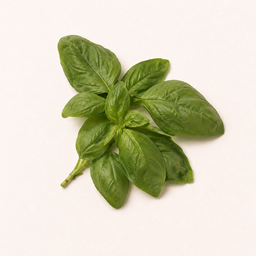 Basil
Basil Lycopene + eugenol: complementary bioactive compounds
Technical: Diced tomatoes provide concentrated lycopene (carotenoid) neutralizing singlet oxygen. Basil contains eugenol and rosmarinic acid (phenolic compounds) scavenging hydroxyl radicals. They work through different biochemical pathways, providing a broader combined spectrum than either alone.
What does this mean for you? Tomato sauce with basil (sugo) is a timeless Italian base with two categories of bioactive compounds. Add basil raw at the end of cooking to preserve volatile oils.
Diced Tomatoes 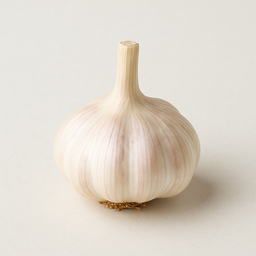 Garlic
 Lycopene + allicin: complementary lipid modulation pathways
Technical: Diced tomatoes (heated) contain 4x more bioavailable lycopene than fresh. Lycopene and garlic's organosulfur compounds (allicin, ajoene) are studied in research in connection with LDL oxidation and NF-κB signaling, via complementary routes.
What does this mean for you? Tomato sauce with garlic is the base of Italian cuisine — and scientifically a remarkably smart combination. Sauté garlic and add diced tomatoes. Heating increases lycopene bioavailability by factor 4.
Diced Tomatoes 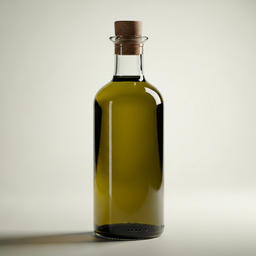 Olive Oil
 Olive oil increases lycopene absorption 2.5x
Technical: Diced tomatoes (heated) contain 4x more bioavailable all-trans-lycopene than fresh tomatoes as heating breaks open the cell matrix. Lycopene is fat-soluble and absorbed via micelle formation. Olive oil increases this absorption by 2.5x. Total: up to 10x more lycopene absorption than fresh tomato without oil.
What does this mean for you? Cook diced tomatoes in olive oil for a tomato sauce — this is the most effective way to absorb lycopene. Heated tomatoes with oil deliver up to 10x more lycopene than raw tomato without oil.
Recipes with Diced Tomatoes
Discover delicious recipes featuring diced tomatoes:
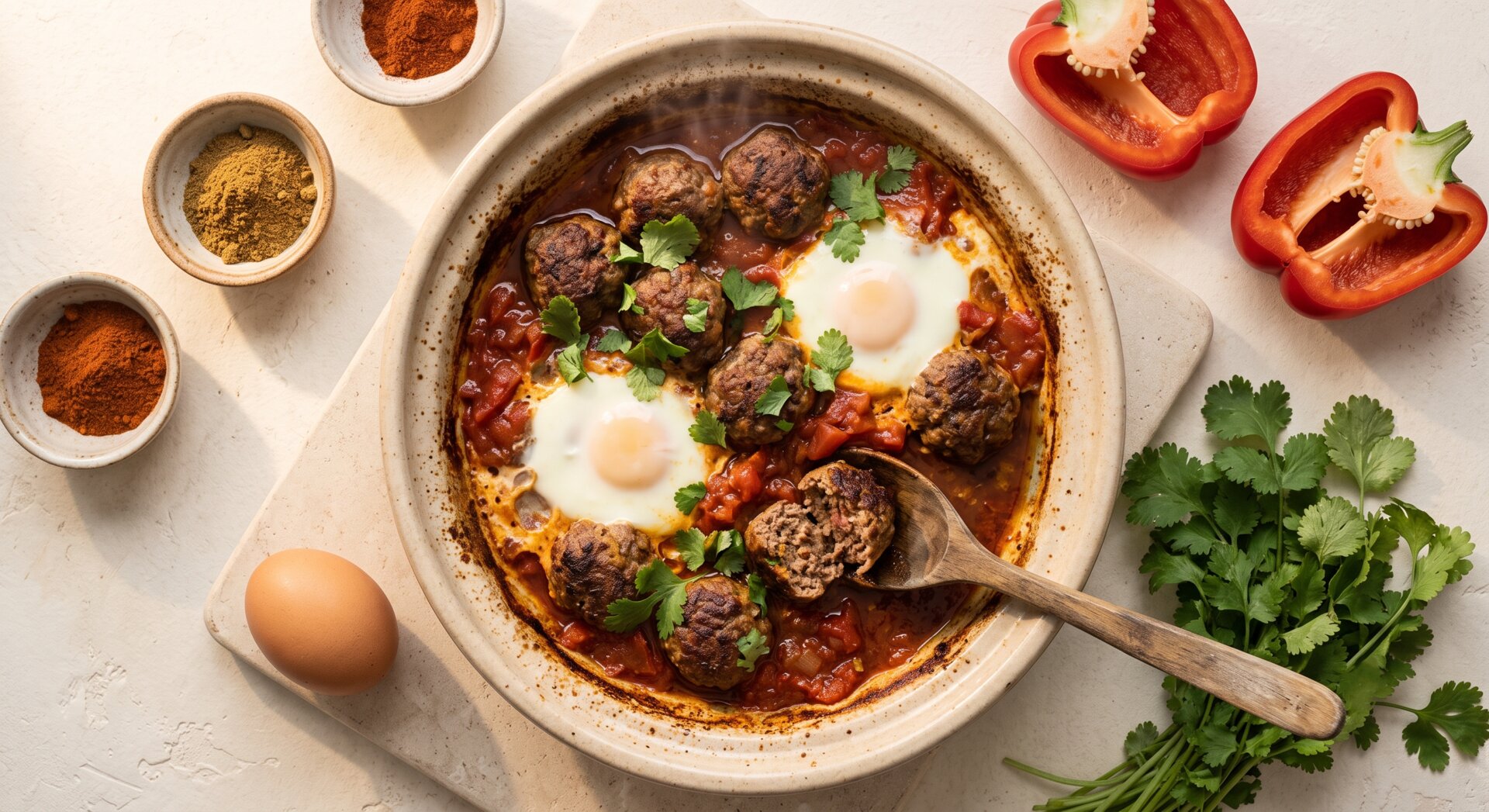 Tagine Kefta with Egg and Bell Pepper 65 min Moroccan meatballs in spiced tomato sauce
  420 kcal
  36g protein 2 synergies
 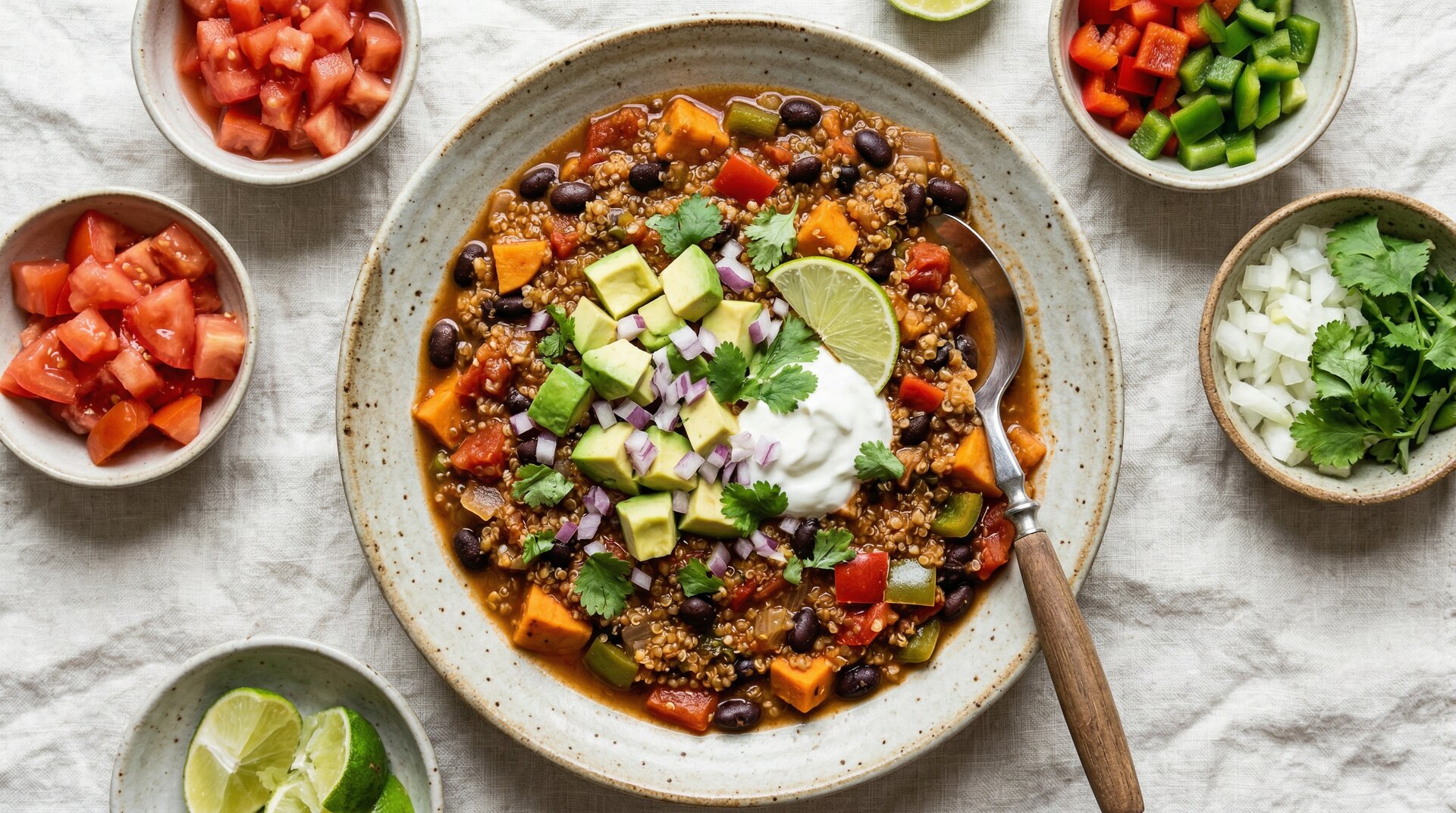 South American Quinoa Chili with Black Beans and Avocado 55 min Hearty one-pan meal with quinoa, bell pepper and pumpkin seeds 702 kcal 24g protein 2 synergies
  In the Kitchen
Storage
Location:Pantry
Shelf life:2-3 jaar (ongeopend), 5-7 dagen (geopend, gekoeld)
Preparation
Use directly in sauces, stews, soups. Longer cooking further increases lycopene availability.
Conversions
Substitutes
Smart preparation
1Let canned diced tomatoes simmer longer for a thicker sauce.
2Add a splash of olive oil to canned diced tomatoes for more flavor.
3Briefly blend diced tomatoes with an immersion blender for a smooth pasta sauce.
Caution / Warnings
Diced Tomatoes is very safe, but there are scientific considerations:
Kidney Disease (sodium restriction) Mild
Some canned tomatoes contain added salt
Advice:
Choose varieties without added salt
Summary
Diced tomatoes paradoxically deliver more lycopene than fresh tomatoes thanks to processing. Always combine with olive oil for 2.5x better absorption. Ideal base ingredient for sauces, stews and soups.