- Easy
- 18 min
- 2 serv.
- 14 synergies
- Now at its best: Tomato
Grilled sourdough panini topped with basil pesto, fresh mozzarella, avocado and tomato. Finished with toasted pine nuts and a drizzle of balsamic.
The Italians invented a few things you can't improve on. Mozzarella and tomato is one of them. This panini takes that classic idea and completes it with creamy avocado, fresh basil pesto and the nutty crunch of toasted pine nuts. The sourdough bread becomes warm and crispy in the pan, the cheese melts just enough to pull strings, and a drizzle of balsamic brings it all together. Ready in ten minutes, but it tastes like someone who knows food made it for you.
- 10
- min prep
- 8
- min cook
- 18
- min total
Nutritional Synergies
This recipe combines ingredients that enhance each other:
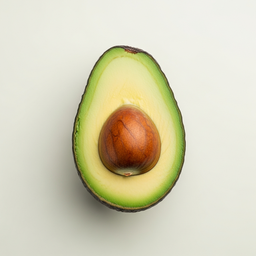 Avocado
 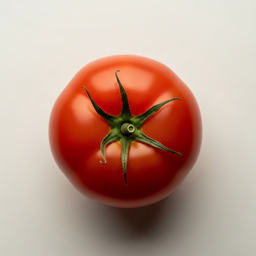 Tomato
 2.6x more lycopene absorption from salad/salsa
Technical: Tomatoes contain lycopene (3-8mg per 100g), a fat-soluble carotenoid with extremely low bioavailability without a fat carrier (<5%). Avocado contains 15g mono-unsaturated fats per 100g that stimulate micelle formation in the gut. Studies show 2.6x higher lycopene absorption when tomato is combined with avocado. Avocado also contains glutathione — a master antioxidant.
What does this mean for you? Guacamole with tomato, avocado toast with tomato, or a caprese with avocado — all these combinations ensure you absorb up to 2.6x more lycopene. Without fat, the lycopene literally slides right through your body.
Immune SystemSkin & Hair
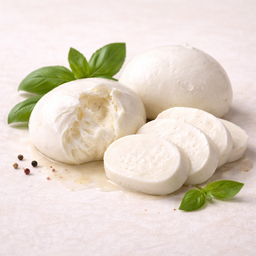 Mozzarella
 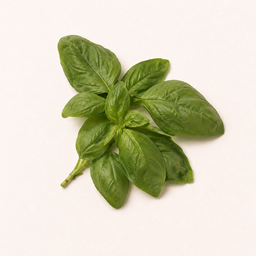 Basil
Basil Caprese trio: calcium + eugenol + oleocanthal — bioactive compounds optimally absorbed
Technical: Mozzarella provides calcium (403mg/100g) and CLA (conjugated linoleic acid, 0.4-0.6%). Basil contains eugenol (12-18mg/g dry weight) and olive oil provides oleocanthal (0.2mg/ml) — bioactive compounds studied in research in connection with NF-κB and COX signaling. Fat from mozzarella and olive oil dissolves eugenol better, aiding absorption.
What does this mean for you? Caprese salad (mozzarella + basil + olive oil + tomato) is the epitome of functional Italian cuisine. Each ingredient enhances the other — the combination contains bioactive compounds working via three different biochemical pathways.
Anti-inflammatoryJointsHeart
Mozzarella 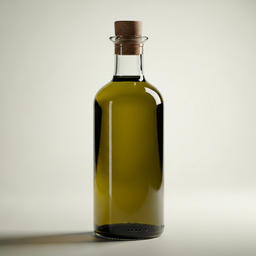 Olive Oil
 Caprese trio: calcium + eugenol + oleocanthal — bioactive compounds optimally absorbed
Technical: Mozzarella provides calcium (403mg/100g) and CLA (conjugated linoleic acid, 0.4-0.6%). Basil contains eugenol (12-18mg/g dry weight) and olive oil provides oleocanthal (0.2mg/ml) — bioactive compounds studied in research in connection with NF-κB and COX signaling. Fat from mozzarella and olive oil dissolves eugenol better, aiding absorption.
What does this mean for you? Caprese salad (mozzarella + basil + olive oil + tomato) is the epitome of functional Italian cuisine. Each ingredient enhances the other — the combination contains bioactive compounds working via three different biochemical pathways.
Anti-inflammatoryJointsHeart
Mozzarella Tomato Caprese: fat + lycopene + eugenol synergy
Technical: Mozzarella contains 22g fat per 100g that dissolves lycopene from tomato — lycopene is fat-soluble and poorly absorbed without fat (absorption increases up to 4x). Basil adds eugenol, a COX-2 modulator, plus vitamin K. The Caprese salad combines three synergistic pathways in one dish.
What does this mean for you? A Caprese salad (mozzarella + tomato + basil + olive oil) is scientifically smart. The cheese helps absorb lycopene, the basil adds bioactive terpenes — Italian food at its best.
HeartAnti-inflammatory
Olive Oil 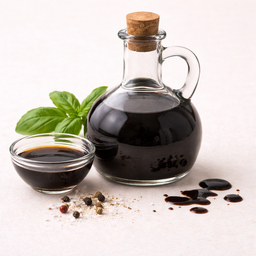 Balsamic Vinegar
 Italian vinaigrette: polyphenols + acetic acid influence glycemic response
Technical: Olive oil contains oleocanthal and hydroxytyrosol (polyphenols with antioxidant action). Balsamic contains polyphenols from grapes plus acetic acid that can influence glycemic response to meals through delayed gastric emptying. Together they offer antioxidant protection via complementary phenol compounds.
What does this mean for you? Use the classic 3:1 olive oil:balsamic ratio as salad dressing. This is not only delicious but also combines two sources of polyphenols with acetic acid that influences the glucose response after the meal.
Blood SugarHeartAnti-inflammatory
Olive Oil Tomato Mediterranean golden rule: fat increases lycopene absorption 4x
Fat significantly increases lycopene bioavailability (PMID: 15927929)
Technical: Tomatoes contain lycopene (3-7mg per 100g), a carotenoid with strong antioxidant action. Lycopene is fat-soluble with only 10-15% absorption without fat. Olive oil increases this to 40-60% (2.5-4x improvement). Cooking further increases lycopene bioavailability.
What does this mean for you? Always add olive oil to tomato dishes — sauces, salads, bruschetta. This is why Mediterranean cuisine is so healthy. Cooked tomatoes with olive oil = maximum lycopene.
HeartSkin & Hair
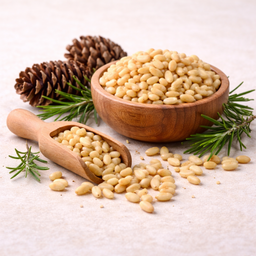 Pine Nuts Basil
 Pesto synergy: Mn-SOD activation + COX-2 influence via complementary pathways
Technical: Pine nuts provide vitamin E (9.3mg) and manganese (8.8mg) — manganese is cofactor for the enzyme Mn-SOD, a cellular antioxidant in mitochondria. Basil contains eugenol and linalool that influence COX-2 plus vitamin K. Together they neutralize reactive oxygen species (ROS) and modulate multiple biochemical pathways simultaneously.
What does this mean for you? Make fresh pesto with pine nuts and basil. The pine nuts activate Mn-SOD, basil influences COX-2 — two complementary biochemical pathways in one sauce.
Anti-inflammatoryHeartAntioxidants
Pine Nuts Olive Oil Pinolenic acid + oleic acid for extreme appetite suppression
Technical: Pine nuts contain 14-19% pinolenic acid that increases CCK (cholecystokinin, satiety hormone) release by 60%. Olive oil's oleic acid stimulates OEA (oleoylethanolamide) production triggering a satiety signal via PPARα. Two independent satiety pathways that together strongly suppress appetite.
What does this mean for you? Eat pesto (pine nuts + olive oil) with your meal. The two ingredients each activate a different satiety hormone, making you feel full faster and longer.
Weight LossDigestion
 Sea Salt Avocado
 Minerals improve flavor perception and electrolyte balance
Technical: Sea salt contains trace minerals (magnesium, potassium, calcium) besides sodium. Tomato is rich in potassium (237mg/100g) and lycopene. Avocado adds magnesium (29mg) and potassium (485mg). Together they form a broad electrolyte profile: sodium (salt) + potassium (tomato/avocado) + magnesium (avocado) — essential for fluid balance and nerve function.
What does this mean for you? Sprinkle tomato and avocado with a pinch of sea salt. This is more than flavor — the minerals complement each other for a complete electrolyte balance.
HeartEnergy
Sea Salt Tomato Minerals improve flavor perception and electrolyte balance
Technical: Sea salt contains trace minerals (magnesium, potassium, calcium) besides sodium. Tomato is rich in potassium (237mg/100g) and lycopene. Avocado adds magnesium (29mg) and potassium (485mg). Together they form a broad electrolyte profile: sodium (salt) + potassium (tomato/avocado) + magnesium (avocado) — essential for fluid balance and nerve function.
What does this mean for you? Sprinkle tomato and avocado with a pinch of sea salt. This is more than flavor — the minerals complement each other for a complete electrolyte balance.
HeartEnergy
Sea Salt Olive Oil Minerals + polyphenols for cellular balance
Technical: Sea salt's sodium is essential for the sodium-potassium pump (Na+/K+-ATPase) that regulates every body cell. Olive oil's oleuropein and hydroxytyrosol provide antioxidant protection for cell membranes. The combination supports cell integrity: sea salt regulates ion balance, olive oil protects the membrane. In Mediterranean cuisine, coarse sea salt + olive oil is the most basic flavor profile.
What does this mean for you? Freshly ground sea salt with extra virgin olive oil is the simplest and most nutritious finishing of any dish. The combination provides the basic needs of your cells: minerals for function, polyphenols for protection.
HeartGeneral Wellness
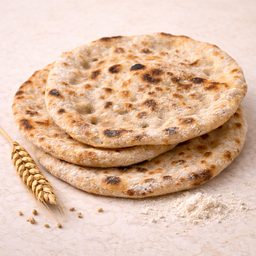 Sourdough Flatbread Olive Oil
 Fermentation metabolites + polyphenols for microbiome support
Technical: Sourdough fermentation produces organic acids (lactic acid, acetic acid) that act as prebiotics and lower gut pH for better mineral absorption. Olive oil contains oleocanthal and hydroxytyrosol (polyphenols) that modulate NF-kB signaling. The combination supports the gut microbiome via fermentation metabolites + polyphenolic nutrition.
What does this mean for you? Sourdough bread with olive oil is a Mediterranean tradition with proven nutritional benefits. The fermentation in the bread supports your gut microbiome, the polyphenols in the olive oil do so as well.
DigestionAnti-inflammatoryHeart
Sourdough Flatbread Tomato Reduced phytic acid enhances lycopene and mineral absorption
Technical: Sourdough fermentation activates phytase enzymes that break down phytic acid — the main anti-nutrient in grains that blocks mineral absorption. With significantly less phytate, iron and zinc from the tomato (vitamin C 14mg, lycopene 3mg) are better absorbed.
What does this mean for you? Sourdough bread with tomato is more nutritious than regular bread with tomato — the fermentation process makes minerals available that phytic acid would otherwise block.
Immune SystemEnergySkin & Hair
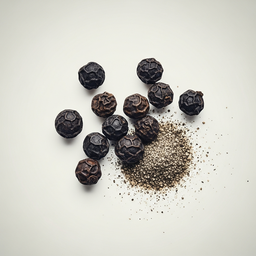 Black Pepper Olive Oil
 Fat increases piperine absorption and enhances polyphenols
Technical: Piperine is fat-soluble and absorbed 2-3x better with dietary fat. Olive oil's oleocanthal and piperine both modulate COX signal transduction through different mechanisms, providing additive bioactive effect.
What does this mean for you? Grind fresh pepper over salads with olive oil dressing. The combination enhances both pepper absorption and bioactive action.
Anti-inflammatoryHeartDigestion
Ingredients (10)
+8 more ingredientsInstructions
- 1 Pound the basil, half the pine nuts and a splash of olive oil in a mortar or blender into a rough pesto.
- 2 Slice the mozzarella, tomatoes and avocado into slices of about half a centimetre.
Nutrition per serving
Indicative values per serving.
Timing & Suitability
Shelf life: 3 days in fridge
Tags & Diet
Allergens: Nuts, Gluten, Dairy