- Medium
- 40 min
- 2 serv.
- 10 synergies
- Now at its best: Onion
An Ethiopian breakfast with injera from teff flour, served with spicy red lentils (misir wot) and fresh spinach. Tear pieces of injera and scoop the stew — eating with your hands, just like in Addis Ababa.
The teff flour and water batter is dark brown, almost chocolate-colored, and smells slightly sour as you pour it into the pan — a scent that intensifies the longer you let it ferment. The injera bakes in a few minutes into a spongy pancake with tiny bubbles on top, flexible enough to fold but sturdy enough to carry sauce. Meanwhile the misir wot simmers: red lentils slowly breaking down into a thick, orange-red stew that smells of berbere — that warm blend of cumin, coriander seed and cardamom that fills Ethiopian kitchens. A spoonful of tomato sauce, grated ginger, garlic that cooks along for a minute. At the end the spinach goes in, wilting in seconds to give the whole thing a fresh green layer. You tear pieces of injera, scoop it up, fold it closed. Every bite has that combination of sour bread, spicy stew and soft vegetables that has made this dish a complete breakfast for thousands of years.
- 15
- min prep
- 25
- min cook
- 40
- min total
Nutritional Synergies
This recipe combines ingredients that enhance each other:
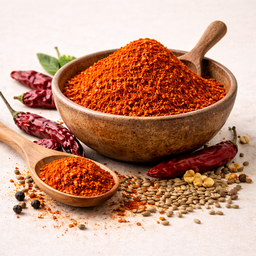 Berbere
 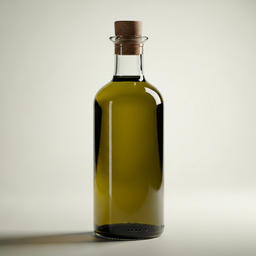 Olive Oil
 Fat-soluble spice polyphenols more absorbable with olive oil
Technical: Berbere contains curcumin (from turmeric), capsaicin (from red pepper) and eugenol (from cloves) — all fat-soluble with low bioavailability without fat. Olive oil forms micelles that transport these compounds through the intestinal wall, increasing absorption 2-4x. The Ethiopian tradition of niter kibbeh (spiced butter) is based on this, but olive oil offers the same benefit with better fatty acid composition.
What does this mean for you? Bloom berbere in warm olive oil as the first step of your Ethiopian dish. The spices dissolve in the fat making them more bioavailable — this is the authentic preparation method.
Anti-inflammatoryImmune System
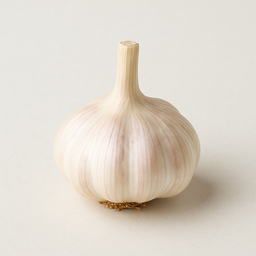 Garlic
 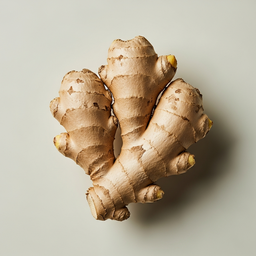 Ginger
 Allicin + gingerols: complementary bioactive action
Technical: Garlic's allicin works via thiol enzyme inhibition — effective against gram-positive bacteria (Staphylococcus, Streptococcus). Ginger's gingerols and shogaols influence viral replication and stimulate interferon production. Together they cover both bacterial and viral pathways.
What does this mean for you? Garlic-ginger tea is a classic combination. Garlic works via thiol enzymes, ginger via interferon pathways. Cut both fresh for maximum active compounds — allicin only forms after 10 minutes of air exposure.
Immune System
Olive Oil Garlic Aglio e olio: allicin + oleocanthal via complementary biochemical pathways
Technical: Garlic contains allicin (formed when cutting/crushing) that influences HMG-CoA reductase (involved in lipid metabolism). Olive oil contains oleocanthal that modulates COX-1/2 enzymes. Together they influence lipid metabolism and prostaglandin cascade via complementary biochemical pathways. The fat also helps absorb fat-soluble garlic compounds.
What does this mean for you? Gently warm garlic in olive oil (don't burn!) as the base for many dishes. This is why 'aglio e olio' pasta is so beloved — two bioactive compounds that reinforce each other.
HeartImmune System
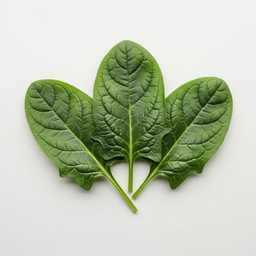 Spinach Olive Oil
 Makes fat-soluble vitamins and antioxidants available
Technical: Spinach contains 483μg vitamin K (403% RDI), 5626μg beta-carotene, 2mg vitamin E and 12.2mg lutein — all fat-soluble. Without fat only 5-10% is absorbed. Olive oil's monounsaturated fats (73% oleic acid) form micelles that increase absorption 2-5x.
What does this mean for you? Always eat spinach with olive oil or another fat source. Without fat you waste most of spinach's impressive vitamin profile. A drizzle of olive oil is essential for proper absorption.
Skin & HairJoints
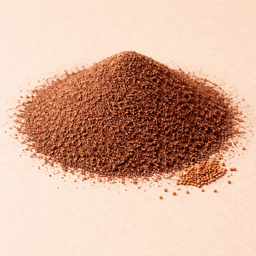 Teff Flour Spinach
 Complementary iron sources with folate for blood cell formation
Teff has high iron bioavailability due to low phytate:iron ratio, folate is essential for erythropoiesis (PMID: 15743017)
Technical: Teff contains 7.6mg non-heme iron per 100g (one of the highest grains) with uniquely high bioavailability due to low phytate concentration. Spinach provides 2.7mg iron plus 194μg folate per 100g. Folate (vitamin B9) is essential for erythropoiesis — without folate, iron cannot be effectively incorporated into hemoglobin. Iron contributes to the normal formation of red blood cells and haemoglobin, and folate contributes to normal blood formation (EFSA-approved).
What does this mean for you? Teff injera with spinach is an iron-rich combination. Teff provides the iron, spinach the folate needed to build that iron into red blood cells — crucial for vegetarians.
EnergyImmune System
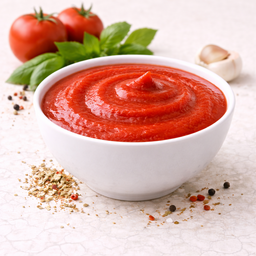 Tomato Passata Olive Oil
 Heated + fats = 5x more lycopene absorption
Technical: Tomato passata is already heated, releasing lycopene from cell walls in cis-form (better absorbable than trans-lycopene in raw tomato). Olive oil fats create micelles transporting this released lycopene through the gut wall. Basil adds eugenol (COX-2 inhibitor). Absorption increases up to 5x.
What does this mean for you? Make pasta sauce with tomato passata, olive oil and basil. You absorb up to 5x more lycopene than from raw tomato — great for your heart and skin.
HeartSkin & Hair
Tomato Passata  Onion
Onion Lycopene + quercetin for broad-spectrum antioxidant protection
Technical: Tomato passata contains bioavailable lycopene (12-15mg/100g) from the cooking process. Onion's quercetin (20mg/100g) is a flavonoid that works complementarily to lycopene: lycopene neutralizes singlet oxygen (lipid phase), quercetin scavenges hydroxyl radicals and superoxide (aqueous phase). Together they cover the complete antioxidant spectrum. Onion's sulfur compounds also support Phase II biotransformation enzymes that process lycopene metabolites.
What does this mean for you? Passata with sauteed onion is the base of Italian cuisine (sugo). It's a top antioxidant duo you can eat daily — simple, affordable and effective.
HeartSkin & HairAnti-inflammatory
Onion Garlic More than 20 organosulfur compounds in one soffritto
Technical: Onion contains diallyl disulfide and quercetin (20-40mg/100g). Garlic contains allicin, ajoene and S-allylcysteine. Together they provide more than 20 different organosulfur compounds that modulate NF-κB. Allium crops are intensively studied in nutrition science for their unique sulfur chemistry.
What does this mean for you? Start every dish with sautéed onion and garlic — not just for flavor, but for the unique concentration of organosulfur compounds. Cut garlic 10 minutes before heating to allow allicin formation.
DigestionImmune System
 Water Ginger
 Hydration + gingerols for digestion and metabolism
Technical: Water is the medium for all biochemical reactions and nutrient transport. Ginger's gingerols (1.5-3%) are water-soluble and optimally extracted in warm water. Gingerols are studied in research in relation to thermogenesis and digestion. Warm ginger water contains dissolved gingerols.
What does this mean for you? Start your day with warm ginger water — slice fresh ginger and steep for 10 minutes. It gives a warm, spicy start to your day and hydrates at the same time.
DigestionWeight LossEnergy
 Sea Salt Olive Oil
 Minerals + polyphenols for cellular balance
Technical: Sea salt's sodium is essential for the sodium-potassium pump (Na+/K+-ATPase) that regulates every body cell. Olive oil's oleuropein and hydroxytyrosol provide antioxidant protection for cell membranes. The combination supports cell integrity: sea salt regulates ion balance, olive oil protects the membrane. In Mediterranean cuisine, coarse sea salt + olive oil is the most basic flavor profile.
What does this mean for you? Freshly ground sea salt with extra virgin olive oil is the simplest and most nutritious finishing of any dish. The combination provides the basic needs of your cells: minerals for function, polyphenols for protection.
HeartGeneral Wellness
Ingredients (11)
+8 more ingredients
Instructions
- 1 Mix teff flour with 250ml water until a smooth batter. Let rest at least 30 minutes (or overnight for fermentation).
- 2 Cook thin pancakes in a non-stick pan over medium-high heat, 2 minutes per side.
Nutrition per serving
Indicative values per serving.
Timing & Suitability
Shelf life: 3 days in fridge