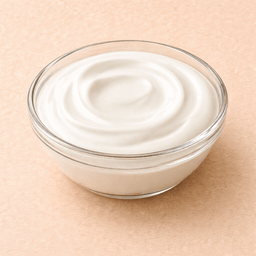
Cream
Creamy dairy product for sauces, soups and desserts
What is this ingredient?
Cream is the fat-rich part skimmed from fresh milk. When milk is not homogenized, milk fat globules naturally rise to the top and form a creamy layer. In the kitchen, cooking cream with about 20% fat and whipping cream with about 30-40% fat are the most common types. The higher fat content shapes the full flavor, soft mouthfeel and the way cream rounds out sauces and fillings.
## Composition and varieties
Cream mainly contains milk fat, water and small amounts of milk protein, lactose and minerals. Fat content differs by product: cooking cream is made for warm dishes, whipping cream for whipping, and full cream for rich desserts or baking. The exact nutritional value depends on the brand, fat percentage and milk used. Cream is energy-dense, so small amounts already add plenty of creaminess and flavor.
## Dairy matrix and fat-soluble vitamins
In nutrition research, cream is often discussed as part of the broader dairy matrix: milk fat occurs together with calcium, phospholipids, milk proteins and small amounts of fat-soluble vitamins. Cream naturally contains vitamin A and smaller amounts of vitamin D and B12. Because these vitamins are fat-soluble, cream works best as a flavoring ingredient in meals where fats and other ingredients are combined.
## CLA and milk fat
Milk fat naturally contains small amounts of conjugated linoleic acid (CLA). Levels can vary with season, animal feed and production method. Rather than focusing on one isolated nutrient, cream is culinarily valuable mainly because of its combination of fat, aroma, texture and emulsifying properties.
## Culinary function
Cream binds fats and watery components in sauces, gives soups body and makes desserts velvety. Cooking cream is usually more stable when heated than whipping cream, but gentle heating is still best. Preferably add cream near the end and avoid hard boiling acidic or strongly reduced sauces to limit curdling.
How does it taste?
Rich, buttery and full with a silky smooth, rounded flavor.
Pairs well with:
Pairs well with vanillamushroomscognaclemon and strawberries.
Did you know...?
- Cream is the fat-rich part of milk that rises to the top when milk is not homogenized.
- Whipping cream can be whipped because fat globules trap air bubbles and help stabilize them.
Nutritional Value & Energy
Per 100ml
Cream provides energy thanks to natural nutrients .
Per 100g
Minerals
Vitamins
More nutrients
B-Vitamins
Trace Minerals
What's in a serving?
1 serving
Cream naturally contains vitamin A (195 mcg per 100 g).
% of daily reference intake (DRI)
EU-approved nutrition claims
This ingredient contains nutrients for which EFSA-authorized health claims exist at nutrient level. Those claims refer to the nutrients, not to the ingredient as a whole.
Approved health claims (EU)
Vitamin_a EU 432/2012
Vitamin A contributes to the normal function of the immune system
Contains 195mcg/100g (threshold: ≥120mcg/100g)
Vitamin_a EU 432/2012
Vitamin A contributes to the maintenance of normal skin
Contains 195mcg/100g (threshold: ≥120mcg/100g)
Vitamin_a EU 432/2012
Vitamin A contributes to the maintenance of normal mucous membranes
Contains 195mcg/100g (threshold: ≥120mcg/100g)
Vitamin_a EU 432/2012
Vitamin A contributes to the maintenance of normal vision
Contains 195mcg/100g (threshold: ≥120mcg/100g)
Vitamin_a EU 432/2012
Vitamin A contributes to normal iron metabolism
Contains 195mcg/100g (threshold: ≥120mcg/100g)
Vitamin_a EU 432/2012
Vitamin A has a role in the process of cell specialisation
Contains 195mcg/100g (threshold: ≥120mcg/100g)
What's being researched?
Full-fat dairy and metabolic research context
The metabolic effects of full-fat dairy products, including cream, are being re-examined in nutrition research. Studies compare factors such as fat content, the dairy matrix and usual portion sizes, but outcomes differ by population and study design.
Supported by: [3] Hirahatake KM (2020) , [4] Ranjbar YR (2024) , [5] Shokryzadan P (2017)
Good Combinations (Synergy)
Combine cream smartly to enhance the effect:
Cream 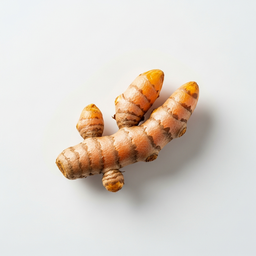 Turmeric
 Milk fat increases curcumin absorption up to 8x
Technical: Cream contains 19.5% milk fat with a unique composition of short-, medium- and long-chain fatty acids. Curcumin from turmeric is fat-soluble with bioavailability below 1% without fat. The phospholipids in cream form micelles that encapsulate curcumin, increasing absorption 7-8x. Short-chain fatty acids (butyric acid) in cream also have their own bioactive properties that complement curcumin's profile.
What does this mean for you? Add a splash of cream to your turmeric sauce or soup. The fat content of cooking cream is just enough to optimally absorb curcumin, without the concentrated calories of pure butter.
Cream 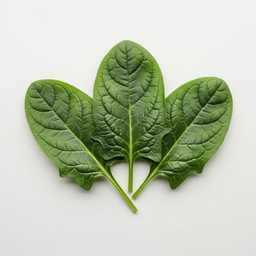 Spinach
 Cream fat increases lutein/zeaxanthin absorption from spinach up to 4x
Dietary fat increases lutein bioavailability from spinach 4x via micelle formation (PMID: 15570047)
Technical: Spinach contains 12.2mg lutein + zeaxanthin per 100g — the highest concentration of all vegetables. These carotenoids are fat-soluble with <5% absorption without fat. Cream contains 35-40g fat per 100g, with saturated fat being particularly effective for micelle formation. Studies show full-fat dairy increases lutein absorption from spinach up to 4x compared to fat-free preparation. Lutein is the primary macular pigment and is intensively studied in science.
What does this mean for you? Creamed spinach is an excellent choice for absorbing fat-soluble carotenoids. The cream fat ensures you absorb up to 4x more lutein — the primary macular pigment in your eyes.
Cream 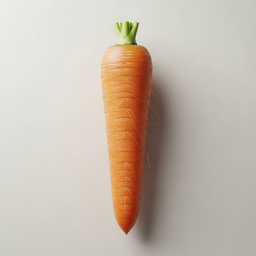 Carrot
 Cream fat increases beta-carotene absorption from carrot by 5x
Technical: Carrot contains 8285μg beta-carotene per 100g. Without fat only 5-10% is absorbed because beta-carotene is fat-soluble. Cream (19.5% fat) provides sufficient fat for micelle formation in the small intestine. The emulsifying properties of cream (casein + phospholipids) are particularly effective in forming stable micelles that encapsulate beta-carotene.
What does this mean for you? A splash of cream in carrot soup isn't just for flavor — it's essential to absorb the vitamins from the carrot. Without fat you lose most of the beta-carotene.
Recipes with Cream
Discover delicious recipes featuring cream:
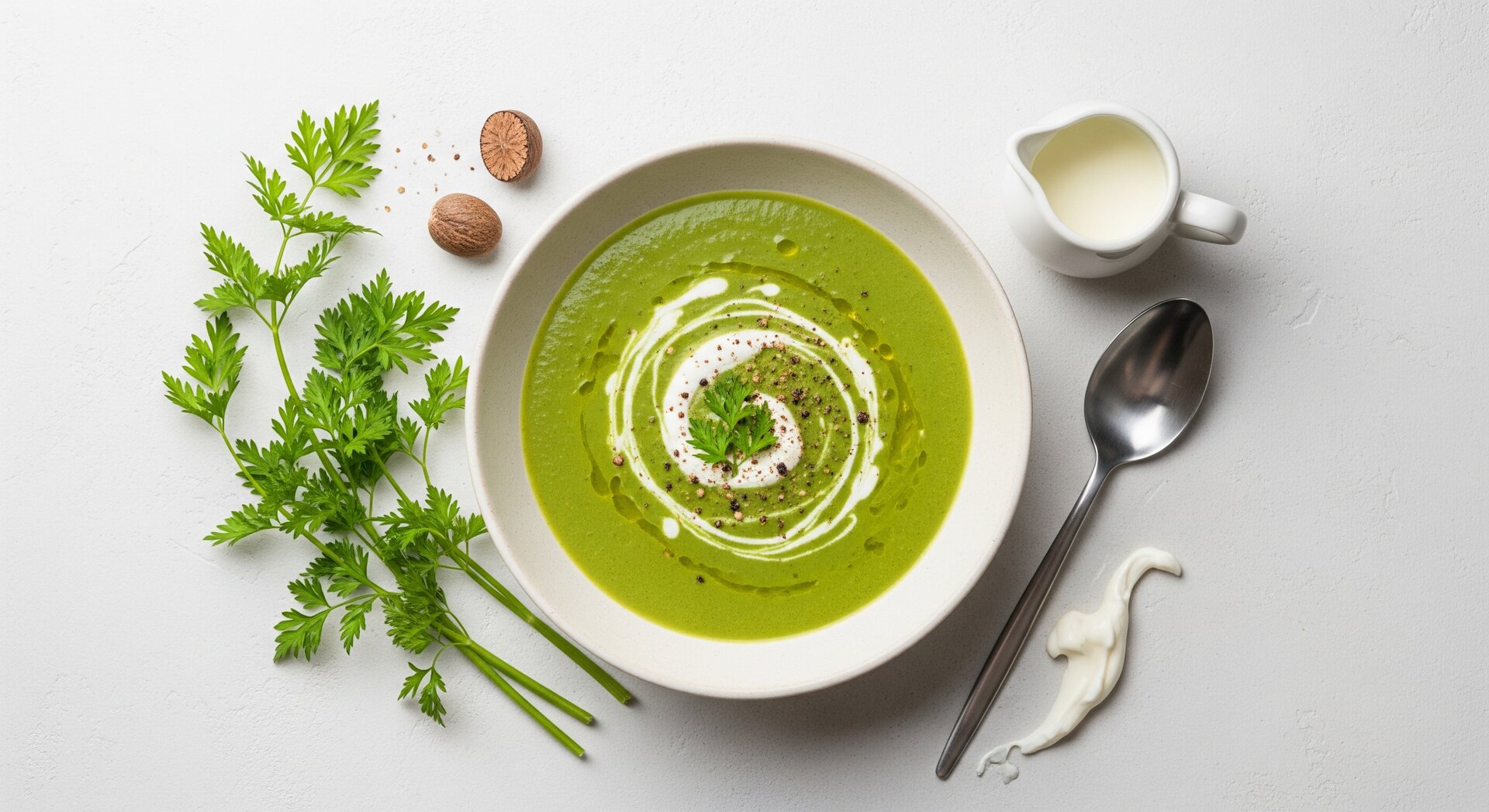 Belgian Chervil Soup with Cream 40 min Classic spring soup with fresh chervil, potato and a hint of nutmeg
  265 kcal
  5g protein 2 synergies
 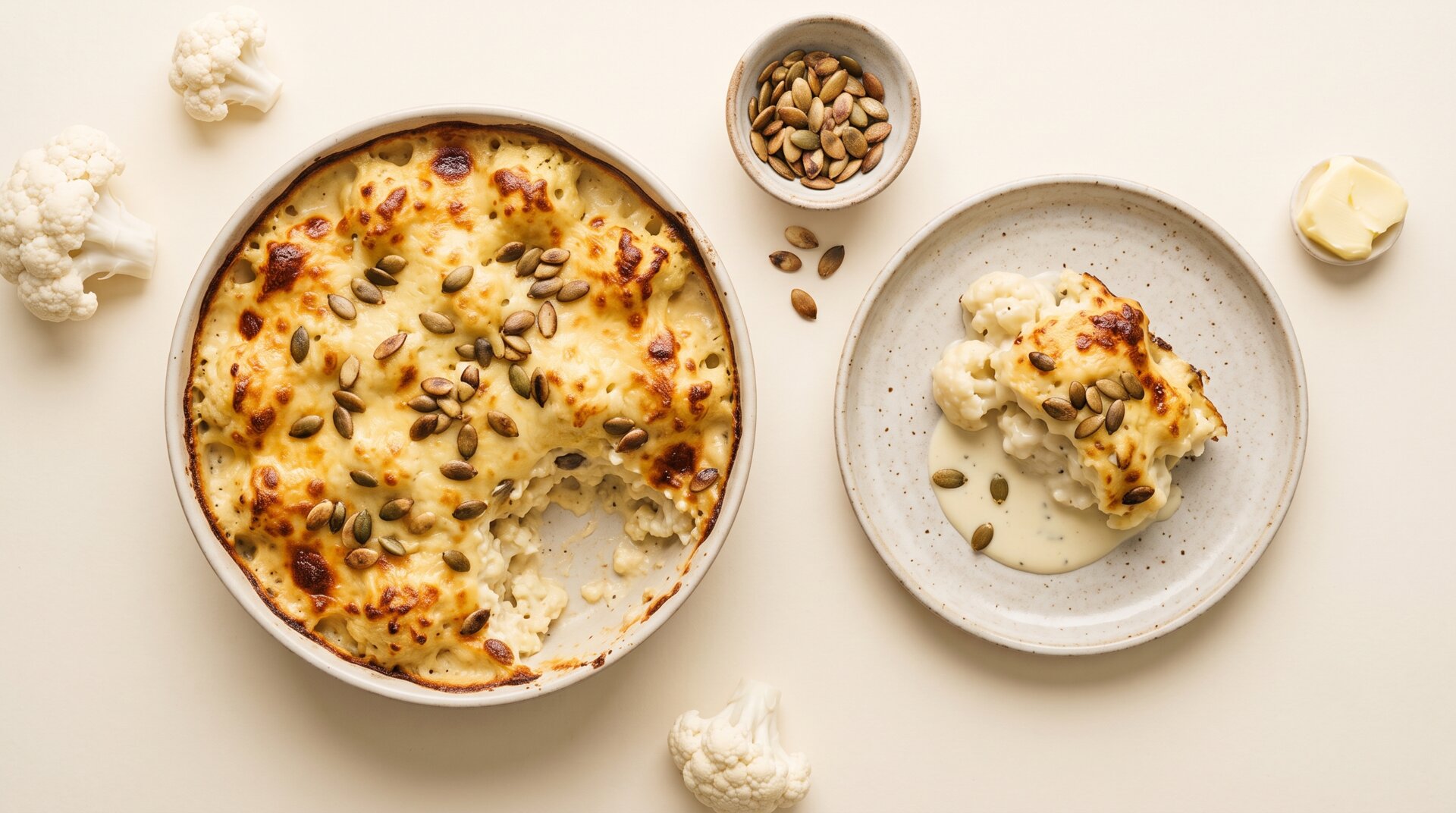 Cauliflower Cheese Gratin with Pumpkin Seeds 45 min Creamy oven bake with a crunchy seed topping 425 kcal 19g protein 2 synergies
 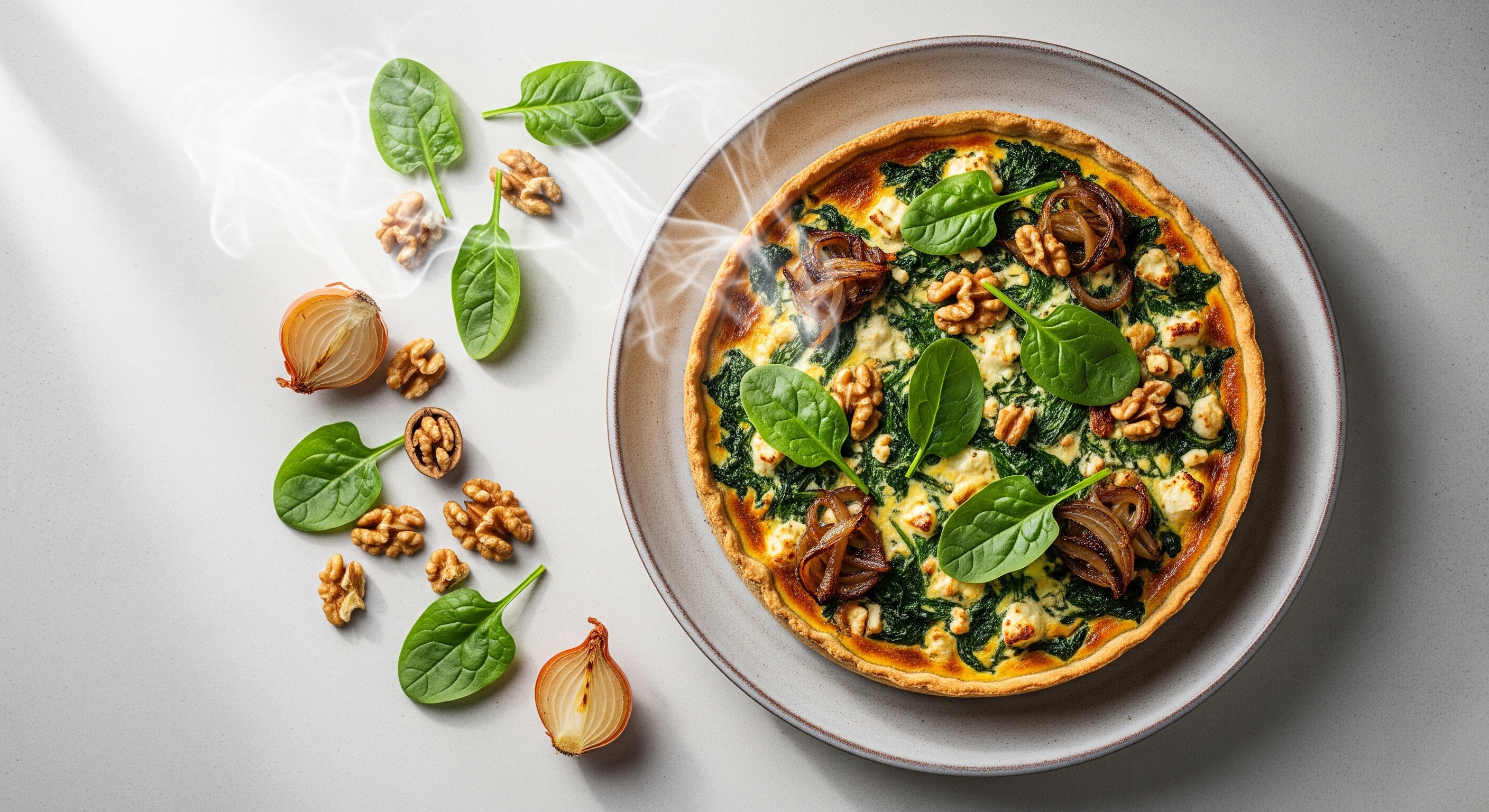 Crustless Spinach-Feta Quiche with Walnuts 50 min Low-carb quiche with spinach, three cheeses and crunchy walnuts 612 kcal 30g protein 1 synergies
  In the Kitchen
Storage
Location:Refrigerator
Shelf life:5-7 dagen geopend, 3-4 weken ongeopend
Always store cream refrigerated at 4°C or lower and close the package well. Check smell and texture before use; a clearly sour smell or clumping can indicate spoilage. UHT cream keeps longer unopened.
Preparation
Heat cream gently over low to medium heat and stir regularly. Preferably add cream near the end of sauces or soups. Cooking cream with about 20% fat is usually more stable in warm dishes than whipping cream.
Substitutes
Smart preparation
1Use ice-cold whipping cream and a chilled bowl for whipping.
Why?
Cold helps the milk fat stay stable and gives firmer whipped cream.
2Do not whip cream too long, otherwise the texture can move toward butter.
3Add cream at the end to sauces and do not let them boil hard.
Why?
Hard boiling can make cream curdle, especially in acidic sauces.
Caution / Warnings
Cream is very safe, but there are scientific considerations:
Lactose intolerance Moderate
Cream contains lactose. With lactose intolerance, this may cause discomfort after use, especially in larger portions.
Advice:
Use lactose-free cream or a suitable plant-based alternative. Small amounts, such as 1-2 tablespoons per serving, are better tolerated by some people.
Milk protein allergy Severe
Cream contains milk proteins such as casein and whey. These are relevant for people with a milk protein allergy.
Advice:
Avoid cream completely with a confirmed milk protein allergy. Use plant-based alternatives and check labels carefully for milk ingredients.
Portion size and energy density Mild
Cream is energy-dense because of its fat content. Large portions can quickly increase total energy intake.
Advice:
Use cream mainly as a flavoring ingredient, for example 1-2 tablespoons per serving. Choose a lighter dairy option or a suitable alternative when preferred.
Saturated fat and individual nutrition advice Mild
Cream contains saturated fat. The suitable amount depends on your overall diet and personal situation.
Advice:
With a medical diet, medication or personal risk factors, discuss your dairy and fat intake with a doctor or dietitian. Keep portions practical and combine cream with fiber-rich ingredients.
Summary
Cream is an energy-dense dairy product that gives sauces, soups and desserts creaminess, body and a full flavor. Use it mainly as a flavoring ingredient and choose the type of cream based on the dish: cooking cream for warm dishes and whipping cream for whipped uses.