- Easy
- 50 min
- 4 serv.
- 13 synergies
- Now at its best: Spinach
Creamy crustless quiche filled with fresh spinach, crumbled feta, grated cheese and sun-dried tomato. Walnuts add crunch, nutmeg and thyme add depth.
No pastry, no fuss, but everything that makes a good quiche great. The spinach goes into the pan briefly with garlic until just wilted — no longer, or it gets watery. The eggs are whisked with cream, a generous grating of nutmeg and some thyme. In the baking dish: spinach as a base, feta crumbled over it, sun-dried tomatoes tucked between for sweet, concentrated tomato flavor. The egg mixture poured over, cheese as a blanket, walnuts as a crown. After half an hour in the oven the top is golden and the inside just set but still creamy. It's the kind of quiche you'd want to order in a French café but are better off making at home.
- 15
- min prep
- 35
- min cook
- 50
- min total
Nutritional Synergies
This recipe combines ingredients that enhance each other:
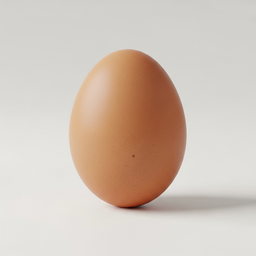 Eggs
Eggs 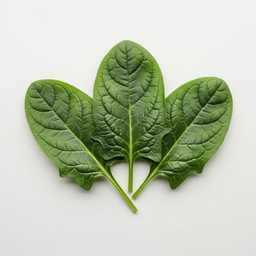 Spinach
 Increases vitamin E absorption by factor 4-7
Technical: Spinach contains vitamin E (2mg/100g), lutein and beta-carotene — all fat-soluble. A study showed that adding an egg (with 5g fat) to a raw vegetable salad increased vitamin E absorption by a factor of 4-7. The egg yolk creates a lipid emulsion serving as transport for these fat-soluble nutrients.
What does this mean for you? Always add an egg to your spinach salad or cook spinach with an egg. Without the egg fat you absorb up to 7x less vitamin E from the spinach.
General Wellness
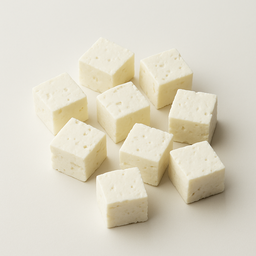 Feta Cheese
 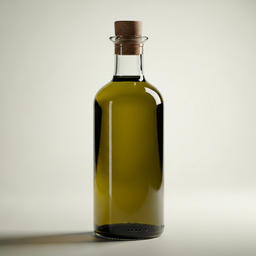 Olive Oil
 Olive oil improves calcium absorption from feta
Technical: Feta contains 493mg calcium per 100g. Fat-soluble vitamins D and K2 are needed for calcium absorption. Olive oil contains mono-unsaturated fats that improve absorption of these vitamins and minerals. Olive oil also contains oleuropein involved in bone metabolism.
What does this mean for you? Always drizzle feta with olive oil — the Mediterranean tradition of feta with olive oil is scientifically smart.
JointsMuscle Gain
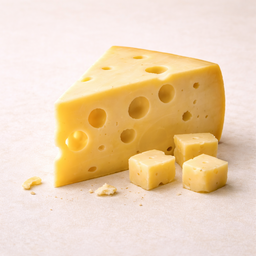 Cheese (general)
 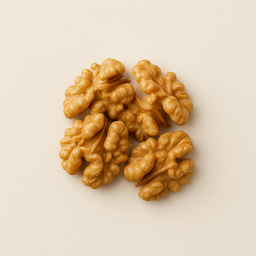 Walnuts
 Calcium + magnesium for optimal bone and muscle function
Technical: Cheese provides 500-720mg calcium per 100g (40-57% RDI) plus vitamin K2 (menaquinone-7) from bacterial aging. Walnuts and almonds provide magnesium: almonds 270mg/100g (72% RDI), walnuts 158mg/100g (42% RDI). Calcium and magnesium work complementarily in neuromuscular function — calcium activates contraction via troponin C, magnesium relaxes via SERCA pump. The optimal 2:1 ratio (Ca:Mg) is achieved. K2 activates osteocalcin directing calcium to bone tissue instead of soft tissues.
What does this mean for you? A cheese platter with nuts is more than a snack — calcium contributes to the maintenance of normal bones and magnesium contributes to normal muscle function (both EFSA). The ideal calcium-magnesium balance in one snack.
JointsMuscle GainGeneral Wellness
Cheese (general) Spinach Cheese fat increases spinach carotenoid absorption by 4-6x
Technical: Cheese contains 20-34g fat per 100g that dissolves fat-soluble carotenoids from spinach. Spinach contains lutein (12,198μg/100g) and beta-carotene (5,626μg/100g) which are barely absorbed without fat. The milk fat creates mixed micelles in the small intestine that transport these carotenoids 4-6x more effectively to enterocytes. Calcium from cheese (500-700mg/100g) does NOT interfere with carotenoid absorption as they use different transporters (SRB1 vs TRPV6).
What does this mean for you? Spinach with grated cheese in lasagna, quiche or salad is not just delicious — the cheese fat ensures you absorb up to 6x more lutein. Perfect for screen workers.
General WellnessSkin & Hair
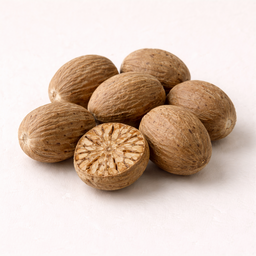 Nutmeg Spinach
 Classic combination supporting iron absorption
Technical: Spinach contains oxalates giving a bitter taste that can bind calcium/iron. Nutmeg's myristicin and macelignan mask this bitterness via flavor interaction. Nutmeg also promotes bile flow, improving fat absorption — important for spinach's fat-soluble vitamins (K, A, E).
What does this mean for you? Add a pinch of nutmeg to spinach dishes. It masks the bitterness and improves vitamin absorption from spinach — a classic combination for good reason.
EnergyDigestion
Olive Oil 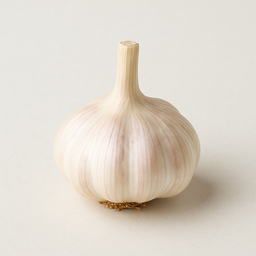 Garlic
 Aglio e olio: allicin + oleocanthal via complementary biochemical pathways
Technical: Garlic contains allicin (formed when cutting/crushing) that influences HMG-CoA reductase (involved in lipid metabolism). Olive oil contains oleocanthal that modulates COX-1/2 enzymes. Together they influence lipid metabolism and prostaglandin cascade via complementary biochemical pathways. The fat also helps absorb fat-soluble garlic compounds.
What does this mean for you? Gently warm garlic in olive oil (don't burn!) as the base for many dishes. This is why 'aglio e olio' pasta is so beloved — two bioactive compounds that reinforce each other.
HeartImmune System
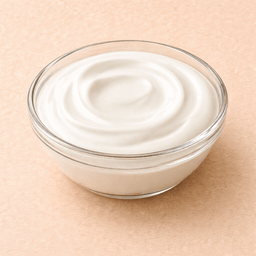 Cream Spinach
 Cream fat increases lutein/zeaxanthin absorption from spinach up to 4x
Dietary fat increases lutein bioavailability from spinach 4x via micelle formation (PMID: 15570047)
Technical: Spinach contains 12.2mg lutein + zeaxanthin per 100g — the highest concentration of all vegetables. These carotenoids are fat-soluble with <5% absorption without fat. Cream contains 35-40g fat per 100g, with saturated fat being particularly effective for micelle formation. Studies show full-fat dairy increases lutein absorption from spinach up to 4x compared to fat-free preparation. Lutein is the primary macular pigment and is intensively studied in science.
What does this mean for you? Creamed spinach is an excellent choice for absorbing fat-soluble carotenoids. The cream fat ensures you absorb up to 4x more lutein — the primary macular pigment in your eyes.
General WellnessImmune System
Spinach Olive Oil Makes fat-soluble vitamins and antioxidants available
Technical: Spinach contains 483μg vitamin K (403% RDI), 5626μg beta-carotene, 2mg vitamin E and 12.2mg lutein — all fat-soluble. Without fat only 5-10% is absorbed. Olive oil's monounsaturated fats (73% oleic acid) form micelles that increase absorption 2-5x.
What does this mean for you? Always eat spinach with olive oil or another fat source. Without fat you waste most of spinach's impressive vitamin profile. A drizzle of olive oil is essential for proper absorption.
Skin & HairJoints
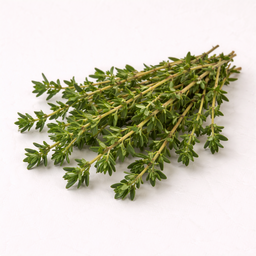 Thyme (Fresh) Garlic
 Double bioactive action via complementary mechanisms
Technical: Thyme's thymol disrupts cell membranes of microorganisms via lipophilic insertion. Garlic's allicin inhibits microbial enzymes (cysteine proteases). Two independent bioactive mechanisms — membrane disruption (thyme) + enzyme inhibition (garlic) — provide broader spectrum coverage than each ingredient alone.
What does this mean for you? Use thyme and garlic together in sauces, soups and marinades. Two bioactive ingredients working through different routes — the foundation of Provençal cuisine.
Immune System
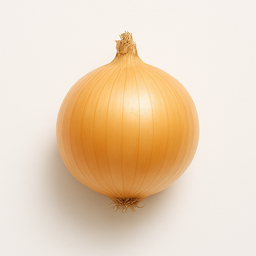 Onion Garlic
 More than 20 organosulfur compounds in one soffritto
Technical: Onion contains diallyl disulfide and quercetin (20-40mg/100g). Garlic contains allicin, ajoene and S-allylcysteine. Together they provide more than 20 different organosulfur compounds that modulate NF-κB. Allium crops are intensively studied in nutrition science for their unique sulfur chemistry.
What does this mean for you? Start every dish with sautéed onion and garlic — not just for flavor, but for the unique concentration of organosulfur compounds. Cut garlic 10 minutes before heating to allow allicin formation.
DigestionImmune System
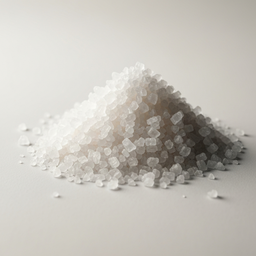 Sea Salt Olive Oil
 Minerals + polyphenols for cellular balance
Technical: Sea salt's sodium is essential for the sodium-potassium pump (Na+/K+-ATPase) that regulates every body cell. Olive oil's oleuropein and hydroxytyrosol provide antioxidant protection for cell membranes. The combination supports cell integrity: sea salt regulates ion balance, olive oil protects the membrane. In Mediterranean cuisine, coarse sea salt + olive oil is the most basic flavor profile.
What does this mean for you? Freshly ground sea salt with extra virgin olive oil is the simplest and most nutritious finishing of any dish. The combination provides the basic needs of your cells: minerals for function, polyphenols for protection.
HeartGeneral Wellness
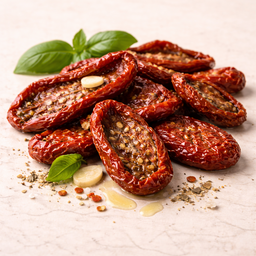 Sun-Dried Tomato Garlic
 Concentrated lycopene + allicin: complementary lipid pathways
Technical: Sun-dried tomatoes provide 45mg lycopene per 100g modulating LDL oxidation. Garlic's allicin influences LDL metabolism and modulates platelet aggregation signaling via thromboxane A2. Together they work through two complementary lipid pathways: lycopene modulates LDL oxidation, allicin influences LDL metabolism.
What does this mean for you? Sun-dried tomato with garlic (in pesto rosso, tapenade or pasta) isn't just a flavor combo — it's a combination of two bioactive compounds each influencing lipid metabolism through their own pathway.
HeartAnti-inflammatory
Sun-Dried Tomato Olive Oil Concentrated lycopene + fat = maximum absorption
Technical: Sun-dried tomatoes contain up to 45mg lycopene per 100g — 10x more than fresh tomatoes (4.5mg/100g) due to water removal. The drying process also isomerizes trans-lycopene to cis-lycopene (2-3x more bioavailable). Storage in olive oil maximizes absorption since lycopene is fat-soluble.
What does this mean for you? Sun-dried tomatoes in olive oil are the ultimate lycopene source. Drying concentrates lycopene 10x and oil maximizes absorption. Use them on pasta, in salads or on bread.
HeartSkin & Hair
Ingredients (13)
+10 more ingredientsInstructions
- 1 Preheat the oven to 180°C (350°F). Lightly grease a baking dish (approx. 24 cm) with olive oil.
- 2 Heat the remaining olive oil in a frying pan. Sauté the onion 3 minutes until translucent, add garlic and cook 1 minute. Add the spinach and stir until just wilted (1-2 minutes). Drain in a colander and press out excess moisture.
Nutrition per serving
Indicative values per serving.
Timing & Suitability
Shelf life: 3 days in fridge
Tags & Diet
Allergens: Nuts, Eggs, Dairy