Cheese (general)
Versatile fermented dairy product for hot and cold dishes
What is this ingredient?
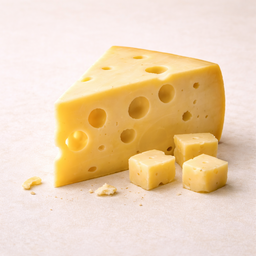
Cheese is a fermented dairy product made when milk is coagulated with rennet or acid and whey is separated from curd. During aging, lactic acid bacteria convert part of the lactose into lactic acid and create aromas that vary strongly by cheese type. On average, cheese contains plenty of protein (20–30 g/100 g, mainly casein), calcium (500–700 mg/100 g), phosphorus (400–500 mg/100 g), vitamin B12 and vitamin A. Aged cheeses usually contain less lactose than fresh cheeses and may contain vitamin K2, depending on culture, aging and milk source. Calcium is needed for the maintenance of normal bones and protein contributes to the growth and maintenance of muscle mass. Fresh cheeses such as mozzarella and ricotta are usually softer and milder; aged cheeses such as cheddar, Gouda and Parmesan are denser, saltier and more intense in flavor. This general entry describes average cheese when a recipe does not name a specific cheese type.
How does it taste?
Creamy to sharp depending on aging; savory, full-bodied and often slightly nutty.
Pairs well with:
Pairs well with grapesnutshoneymustardbread and crisp raw vegetables.
Did you know...?
- The Netherlands is one of the world’s best-known cheese countries and exports large amounts of Gouda, Edam and other cheeses every year.
- There are more than 1,800 cheese varieties worldwide, with major differences in milk source, aging, texture, rind and flavor.
Nutritional Value & Energy
Per 100g
Cheese (general) provides energy thanks to natural nutrients .
Per 100g
Minerals
Vitamins
Omega-3 fatty acids
More nutrients
B-Vitamins
Trace Minerals
What's in a serving?
1 serving
Cheese (general) naturally contains calcium (600 mg per 100 g).
Cheese (general) naturally contains selenium (14.5 mcg per 100 g).
Cheese (general) naturally contains vitamin A (900 mcg per 100 g).
Cheese (general) naturally contains vitamin B12 (1 mcg per 100 g).
Cheese (general) naturally contains zinc (3 mg per 100 g).
Cheese (general) naturally contains iodine (50 mcg per 100 g).
% of daily reference intake (DRI)
EU-approved nutrition claims
This ingredient contains nutrients for which EFSA-authorized health claims exist at nutrient level, not ingredient-specific level.
Approved health claims (EU)
Vitamin_b12 EU 432/2012
Vitamin B12 contributes to the normal function of the immune system
Contains 1mcg/100g (threshold: ≥0.375mcg/100g)
Vitamin_b12 EU 432/2012
Vitamin B12 contributes to the reduction of tiredness and fatigue
Contains 1mcg/100g (threshold: ≥0.375mcg/100g)
Vitamin_b12 EU 432/2012
Vitamin B12 contributes to the normal functioning of the nervous system
Contains 1mcg/100g (threshold: ≥0.375mcg/100g)
Zinc EU 432/2012
Zinc contributes to the normal function of the immune system
Contains 3mg/100g (threshold: ≥1.5mg/100g)
Zinc EU 432/2012
Zinc contributes to the maintenance of normal skin
Contains 3mg/100g (threshold: ≥1.5mg/100g)
Calcium EU 432/2012
Calcium is needed for the maintenance of normal bones
Contains 600mg/100g (threshold: ≥120mg/100g)
Vitamin_a EU 432/2012
Vitamin A contributes to the normal function of the immune system
Contains 900mcg/100g (threshold: ≥120mcg/100g)
Vitamin_a EU 432/2012
Vitamin A contributes to the maintenance of normal skin
Contains 900mcg/100g (threshold: ≥120mcg/100g)
Vitamin_a EU 432/2012
Vitamin A contributes to the maintenance of normal mucous membranes
Contains 900mcg/100g (threshold: ≥120mcg/100g)
Vitamin_a EU 432/2012
Vitamin A contributes to the maintenance of normal vision
Contains 900mcg/100g (threshold: ≥120mcg/100g)
Vitamin_a EU 432/2012
Vitamin A contributes to normal iron metabolism
Contains 900mcg/100g (threshold: ≥120mcg/100g)
Vitamin_a EU 432/2012
Vitamin A has a role in the process of cell specialisation
Contains 900mcg/100g (threshold: ≥120mcg/100g)
Vitamin_b12 EU 432/2012
Vitamin B12 contributes to normal energy-yielding metabolism
Contains 1mcg/100g (threshold: ≥0.375mcg/100g)
Vitamin_b12 EU 432/2012
Vitamin B12 contributes to normal homocysteine metabolism
Contains 1mcg/100g (threshold: ≥0.375mcg/100g)
Vitamin_b12 EU 432/2012
Vitamin B12 contributes to normal psychological function
Contains 1mcg/100g (threshold: ≥0.375mcg/100g)
Vitamin_b12 EU 432/2012
Vitamin B12 contributes to normal red blood cell formation
Contains 1mcg/100g (threshold: ≥0.375mcg/100g)
Vitamin_b12 EU 432/2012
Vitamin B12 has a role in the process of cell division
Contains 1mcg/100g (threshold: ≥0.375mcg/100g)
Calcium EU 432/2012
Calcium is needed for the maintenance of normal teeth
Contains 600mg/100g (threshold: ≥120mg/100g)
Calcium EU 432/2012
Calcium contributes to normal blood clotting
Contains 600mg/100g (threshold: ≥120mg/100g)
Calcium EU 432/2012
Calcium contributes to normal energy-yielding metabolism
Contains 600mg/100g (threshold: ≥120mg/100g)
Calcium EU 432/2012
Calcium contributes to normal muscle function
Contains 600mg/100g (threshold: ≥120mg/100g)
Calcium EU 432/2012
Calcium contributes to normal neurotransmission
Contains 600mg/100g (threshold: ≥120mg/100g)
Calcium EU 432/2012
Calcium contributes to the normal function of digestive enzymes
Contains 600mg/100g (threshold: ≥120mg/100g)
Calcium EU 432/2012
Calcium has a role in the process of cell division and specialisation
Contains 600mg/100g (threshold: ≥120mg/100g)
Zinc EU 432/2012
Zinc contributes to normal acid-base metabolism
Contains 3mg/100g (threshold: ≥1.5mg/100g)
Zinc EU 432/2012
Zinc contributes to normal carbohydrate metabolism
Contains 3mg/100g (threshold: ≥1.5mg/100g)
Zinc EU 432/2012
Zinc contributes to normal cognitive function
Contains 3mg/100g (threshold: ≥1.5mg/100g)
Zinc EU 432/2012
Zinc contributes to normal DNA synthesis
Contains 3mg/100g (threshold: ≥1.5mg/100g)
Zinc EU 432/2012
Zinc contributes to normal fertility and reproduction
Contains 3mg/100g (threshold: ≥1.5mg/100g)
Zinc EU 432/2012
Zinc contributes to normal macronutrient metabolism
Contains 3mg/100g (threshold: ≥1.5mg/100g)
Zinc EU 432/2012
Zinc contributes to normal metabolism of fatty acids
Contains 3mg/100g (threshold: ≥1.5mg/100g)
Zinc EU 432/2012
Zinc contributes to normal metabolism of vitamin A
Contains 3mg/100g (threshold: ≥1.5mg/100g)
Zinc EU 432/2012
Zinc contributes to normal protein synthesis
Contains 3mg/100g (threshold: ≥1.5mg/100g)
Zinc EU 432/2012
Zinc contributes to the maintenance of normal bones
Contains 3mg/100g (threshold: ≥1.5mg/100g)
Zinc EU 432/2012
Zinc contributes to the maintenance of normal hair
Contains 3mg/100g (threshold: ≥1.5mg/100g)
Zinc EU 432/2012
Zinc contributes to the maintenance of normal nails
Contains 3mg/100g (threshold: ≥1.5mg/100g)
Zinc EU 432/2012
Zinc contributes to the maintenance of normal testosterone levels in the blood
Contains 3mg/100g (threshold: ≥1.5mg/100g)
Zinc EU 432/2012
Zinc contributes to the maintenance of normal vision
Contains 3mg/100g (threshold: ≥1.5mg/100g)
Zinc EU 432/2012
Zinc contributes to the protection of cells from oxidative stress
Contains 3mg/100g (threshold: ≥1.5mg/100g)
Zinc EU 432/2012
Zinc has a role in the process of cell division
Contains 3mg/100g (threshold: ≥1.5mg/100g)
Selenium EU 432/2012
Selenium contributes to the maintenance of normal hair
Contains 14.5mcg/100g (threshold: ≥8.25mcg/100g)
Selenium EU 432/2012
Selenium contributes to the maintenance of normal nails
Contains 14.5mcg/100g (threshold: ≥8.25mcg/100g)
Selenium EU 432/2012
Selenium contributes to the normal function of the immune system
Contains 14.5mcg/100g (threshold: ≥8.25mcg/100g)
Selenium EU 432/2012
Selenium contributes to normal thyroid function
Contains 14.5mcg/100g (threshold: ≥8.25mcg/100g)
Selenium EU 432/2012
Selenium contributes to normal spermatogenesis
Contains 14.5mcg/100g (threshold: ≥8.25mcg/100g)
Selenium EU 432/2012
Selenium contributes to the protection of cells from oxidative stress
Contains 14.5mcg/100g (threshold: ≥8.25mcg/100g)
Iodine EU 432/2012
Iodine contributes to normal cognitive function
Contains 50mcg/100g (threshold: ≥22.5mcg/100g)
Iodine EU 432/2012
Iodine contributes to normal energy-yielding metabolism
Contains 50mcg/100g (threshold: ≥22.5mcg/100g)
Iodine EU 432/2012
Iodine contributes to normal functioning of the nervous system
Contains 50mcg/100g (threshold: ≥22.5mcg/100g)
Iodine EU 432/2012
Iodine contributes to the maintenance of normal skin
Contains 50mcg/100g (threshold: ≥22.5mcg/100g)
Iodine EU 432/2012
Iodine contributes to the normal production of thyroid hormones and normal thyroid function
Contains 50mcg/100g (threshold: ≥22.5mcg/100g)
Iodine EU 432/2012
Iodine contributes to the normal growth of children
Contains 50mcg/100g (threshold: ≥22.5mcg/100g)
Comparison
vsmelk
Cheese (general) contains about five times as much calcium per 100 g as milk because much of the water and whey is removed during production.
What's being researched?
Cheese and the dairy matrix
Researchers study why cheese can behave differently in nutrition research than isolated nutrients such as saturated fat or sodium. The structure of the dairy matrix, calcium, fermentation and aging are examined as factors that influence the nutritional context of cheese.
Supported by: [3] Ferrocino I (2022)
Good Combinations (Synergy)
Combine cheese (general) smartly to enhance the effect:
Cheese (general)  Grapes
 Classic cheese board combination: fat improves resveratrol absorption
Technical: Red grapes contain resveratrol which is fat-soluble. Cheese provides fats that increase bioavailability of resveratrol through micelle formation in the gut.
What does this mean for you? The classic cheese board with grapes is not only delicious but also nutritionally smart - the cheese helps you better absorb resveratrol from grapes.
Cheese (general) 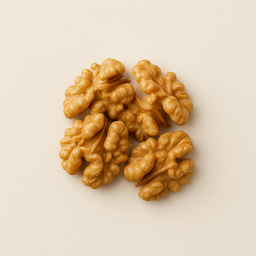 Walnuts
 Calcium + magnesium for optimal bone and muscle function
Technical: Cheese provides 500-720mg calcium per 100g (40-57% RDI) plus vitamin K2 (menaquinone-7) from bacterial aging. Walnuts and almonds provide magnesium: almonds 270mg/100g (72% RDI), walnuts 158mg/100g (42% RDI). Calcium and magnesium work complementarily in neuromuscular function — calcium activates contraction via troponin C, magnesium relaxes via SERCA pump. The optimal 2:1 ratio (Ca:Mg) is achieved. K2 activates osteocalcin directing calcium to bone tissue instead of soft tissues.
What does this mean for you? A cheese platter with nuts is more than a snack — calcium contributes to the maintenance of normal bones and magnesium contributes to normal muscle function (both EFSA). The ideal calcium-magnesium balance in one snack.
Cheese (general) 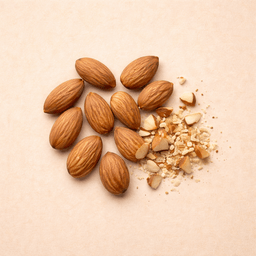 Almonds
 Calcium + magnesium for optimal bone and muscle function
Technical: Cheese provides 500-720mg calcium per 100g (40-57% RDI) plus vitamin K2 (menaquinone-7) from bacterial aging. Walnuts and almonds provide magnesium: almonds 270mg/100g (72% RDI), walnuts 158mg/100g (42% RDI). Calcium and magnesium work complementarily in neuromuscular function — calcium activates contraction via troponin C, magnesium relaxes via SERCA pump. The optimal 2:1 ratio (Ca:Mg) is achieved. K2 activates osteocalcin directing calcium to bone tissue instead of soft tissues.
What does this mean for you? A cheese platter with nuts is more than a snack — calcium contributes to the maintenance of normal bones and magnesium contributes to normal muscle function (both EFSA). The ideal calcium-magnesium balance in one snack.
Cheese (general) 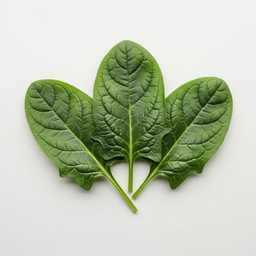 Spinach
 Cheese fat increases spinach carotenoid absorption by 4-6x
Technical: Cheese contains 20-34g fat per 100g that dissolves fat-soluble carotenoids from spinach. Spinach contains lutein (12,198μg/100g) and beta-carotene (5,626μg/100g) which are barely absorbed without fat. The milk fat creates mixed micelles in the small intestine that transport these carotenoids 4-6x more effectively to enterocytes. Calcium from cheese (500-700mg/100g) does NOT interfere with carotenoid absorption as they use different transporters (SRB1 vs TRPV6).
What does this mean for you? Spinach with grated cheese in lasagna, quiche or salad is not just delicious — the cheese fat ensures you absorb up to 6x more lutein. Perfect for screen workers.
Recipes with Cheese (general)
Discover delicious recipes featuring cheese (general):
 Belgian Uitsmijter with Aged Cheese and Tomato 18 min Classic Belgian lunch with fried egg and aged cheese
  823 kcal
  55g protein 2 synergies
 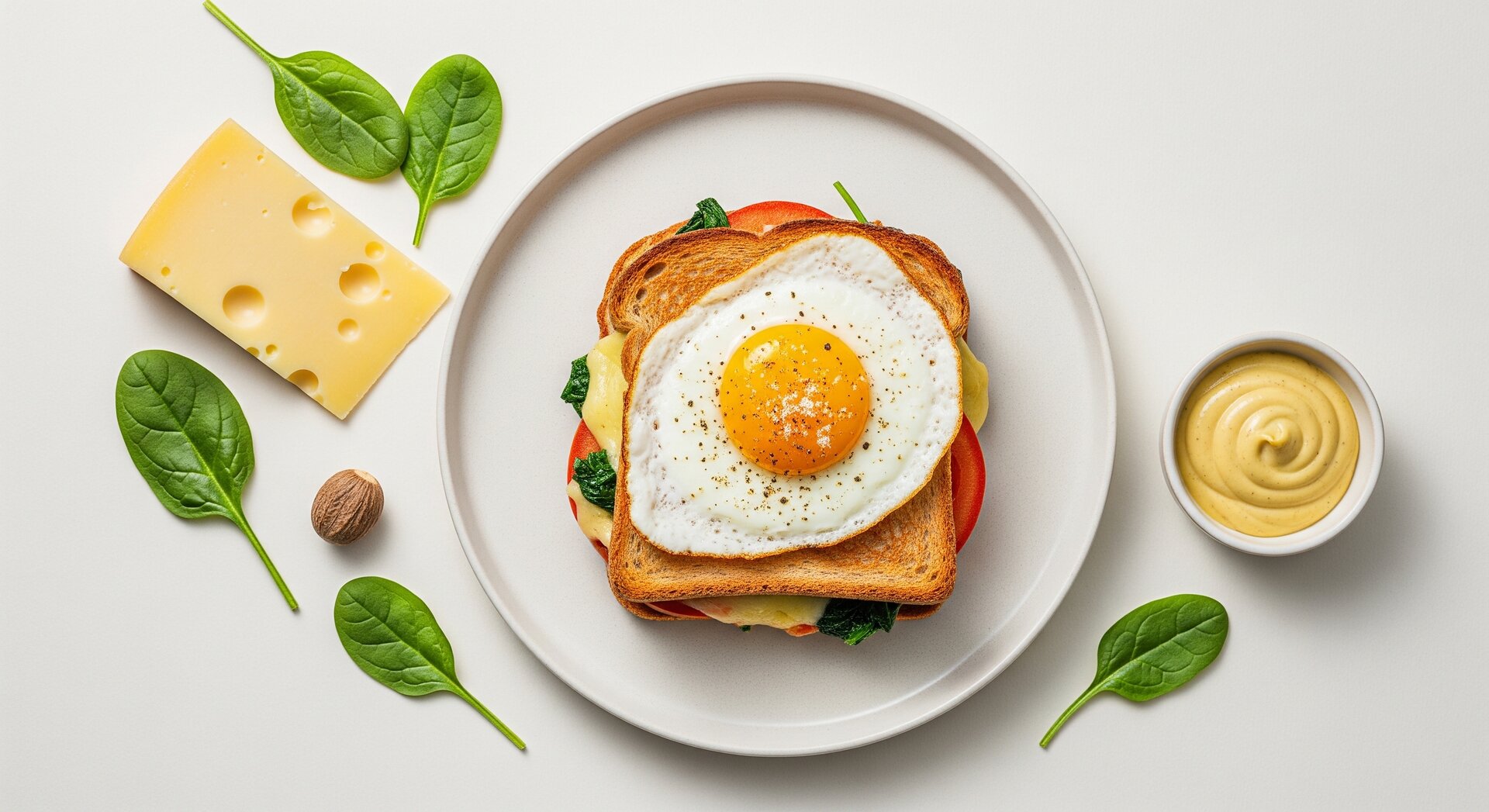 Belgian Whole Wheat Croque with Egg and Vegetables 17 min Belgian croque-madame with spinach and tomato 410 kcal 25g protein 1 synergies
 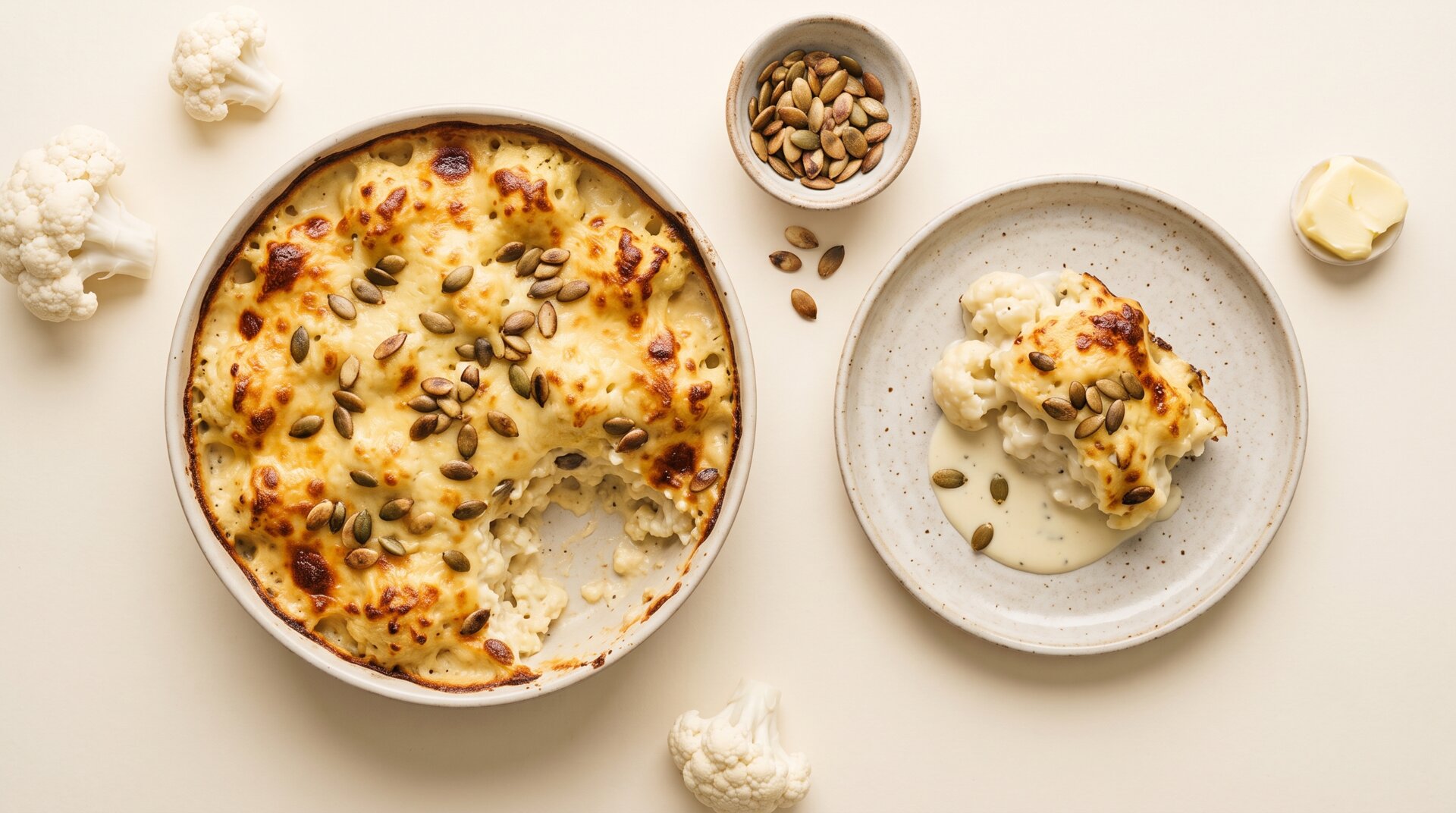 Cauliflower Cheese Gratin with Pumpkin Seeds 45 min Creamy oven bake with a crunchy seed topping 425 kcal 19g protein 2 synergies
 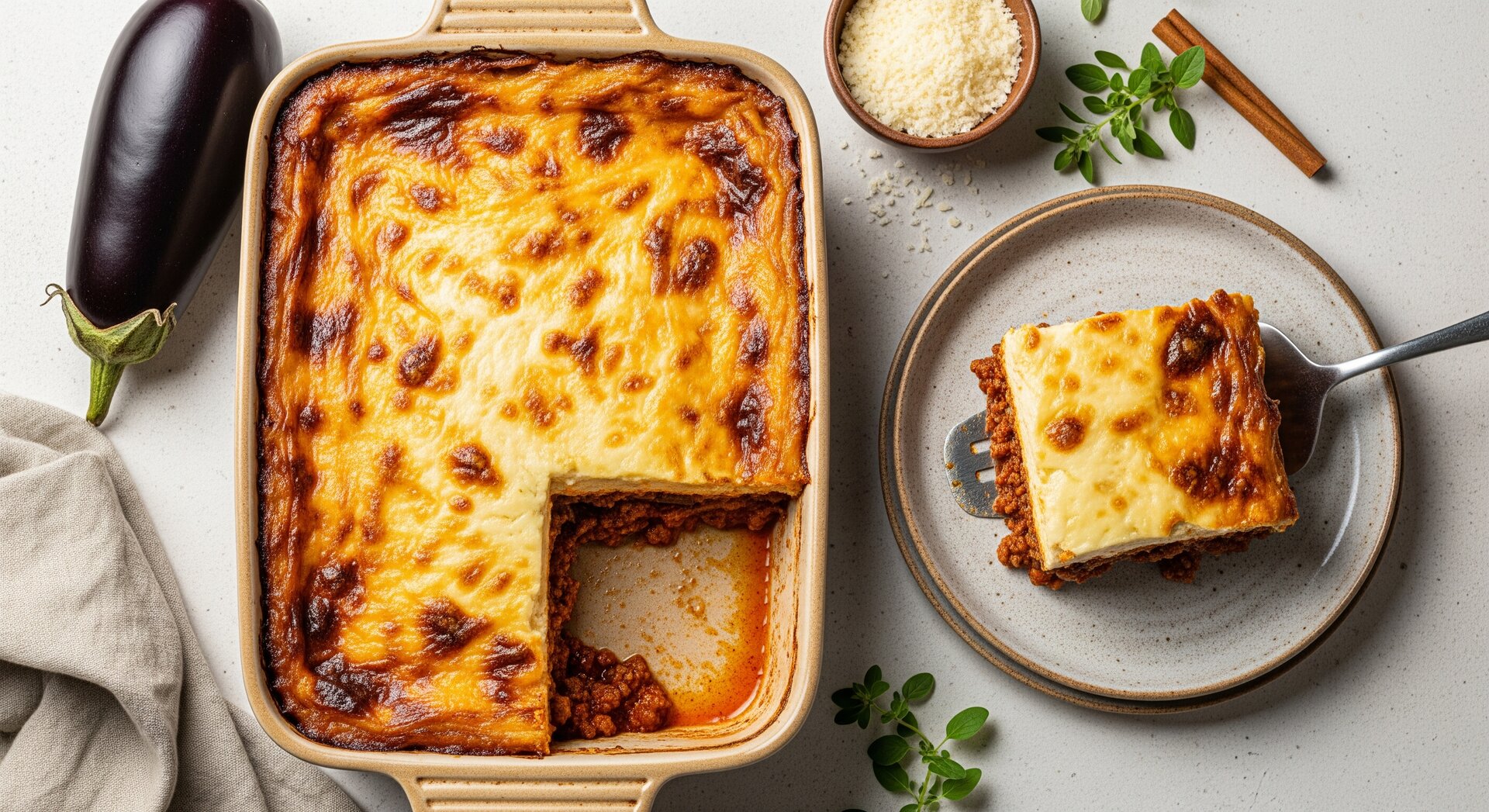 Greek Moussaka with Beef 90 min Baked eggplant with spiced meat and creamy béchamel 420 kcal 28g protein 1 synergies
 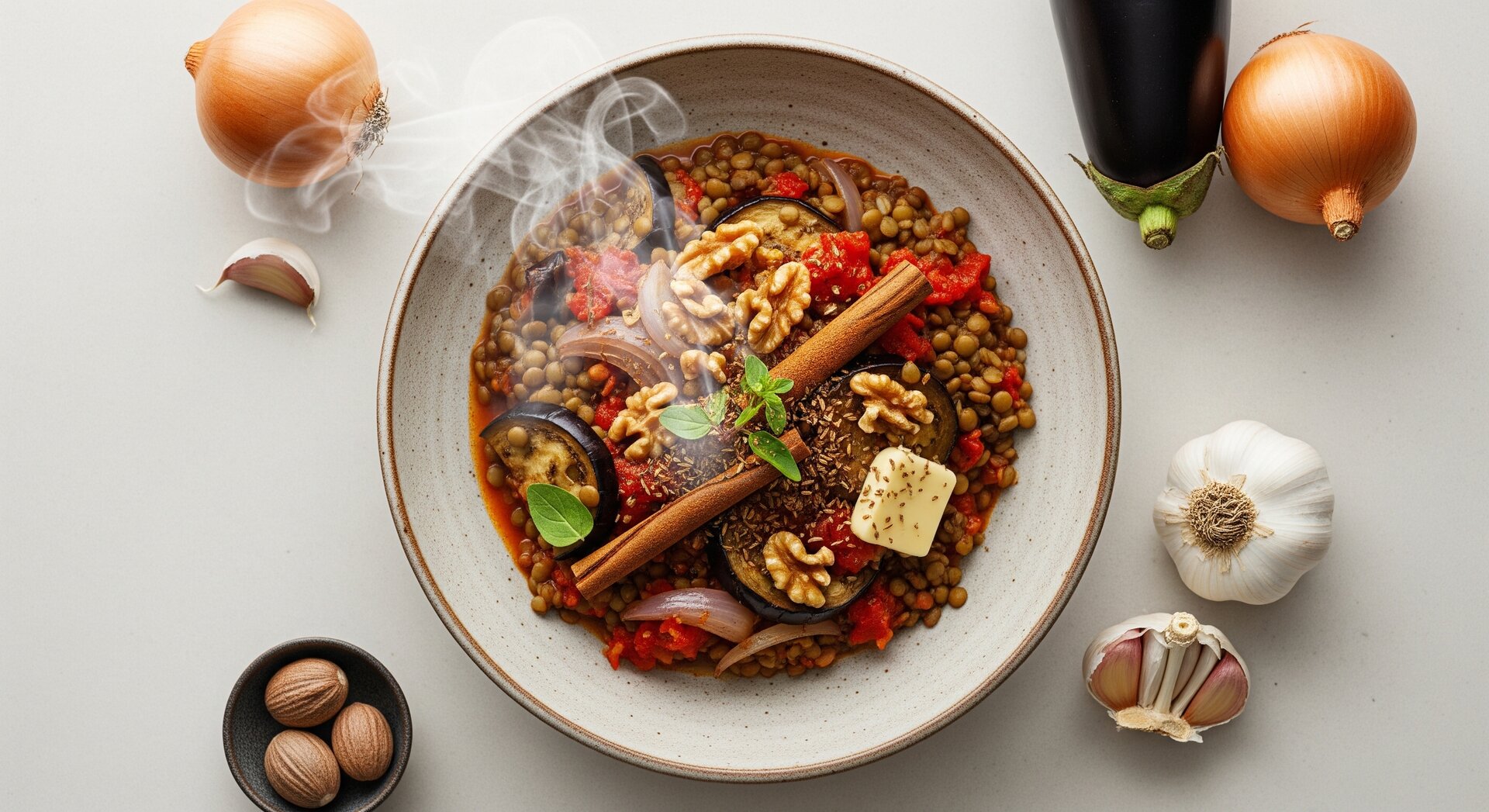 Greek Moussaka-Style Bowl with Lentils & Walnuts 50 min Eggplant, lentils and béchamel sauce in a warming bowl 658 kcal 28g protein 1 synergies
  Dutch Uitsmijter with Avocado 13 min Classic Dutch breakfast with cheese, egg and avocado 525 kcal 30g protein 1 synergies
  In the Kitchen
Storage
Location:Refrigerator
Substitutes
Smart preparation
1Bring cheese to room temperature 30 minutes before serving.
Why?
Cold dulls aromas; at room temperature, smell, texture and flavor come through better.
2Grate or cut cheese before adding it to sauces.
Why?
Smaller pieces melt more evenly and are less likely to form lumps.
3Store cheese in cheese paper or parchment paper and then in a container, not tightly wrapped in plastic.
Why?
Paper lets the cheese breathe slightly and helps preserve its texture.
Caution / Warnings
Cheese (general) is very safe, but there are scientific considerations:
Milk protein allergy Severe
Cheese contains milk proteins such as casein and whey. With a confirmed milk protein allergy, even a small amount may cause symptoms.
Advice:
With a confirmed IgE-mediated milk protein allergy: avoid cheese completely unless a doctor advises otherwise. Fermentation does not change the protein structure enough to make it safe. Choose plant-based alternatives made from cashew, soy, coconut or other ingredients when needed. This differs from lactose intolerance: some aged cheeses contain little lactose, but they still contain milk proteins.
High sodium content Moderate
Cheese contains about 500 mg sodium per 100 g on average, but the amount varies strongly by type. Fresh cheeses are often lower in sodium than strongly aged or salted cheeses.
Advice:
If you follow a sodium-restricted eating pattern or personal medical advice: use smaller portions, for example 30–50 g, or choose lower-salt varieties. Mozzarella and ricotta are often milder and lower in sodium than hard, long-aged cheeses such as Parmesan. Check the label, because salt content varies strongly by brand and type.
High calorie content Mild
Cheese contains about 350 kcal per 100 g on average and is therefore energy-dense. The exact amount depends on fat percentage, moisture content and aging.
Advice:
With energy restriction: use cheese deliberately as a flavor enhancer, for example 20–40 g per meal. Fresh cheeses such as mozzarella are usually less energy-dense than hard, long-aged cheeses such as Parmesan. A small amount of grated or crumbled cheese can add a lot of flavor without requiring a large portion.
Summary
Cheese is a concentrated fermented dairy product with about 25 g protein and 600 mg calcium per 100 g on average. Calcium is needed for the maintenance of normal bones and protein contributes to the growth and maintenance of muscle mass. Aged cheeses such as cheddar, Gouda and Parmesan are denser, saltier and more intense and usually contain little lactose; fresh cheeses such as mozzarella and ricotta are softer and milder. Use cheese mainly as a flavor enhancer or protein-rich addition: 30–50 g fits well in salads, on toast, with whole grains or over warm dishes. Watch the sodium content, especially if you follow a sodium-restricted eating pattern. Pair with vegetables, whole grains, fruit or nuts for contrast in taste, texture and nutrition profile.