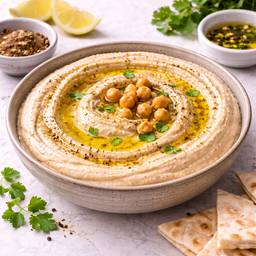
Hummus
Homemade chickpea spread with tahini and lemon
What is this ingredient?
Hummus is a classic Middle Eastern preparation in which chickpeas are blended with tahini (sesame seed paste), garlic, lemon and olive oil. The combination is loved because it brings creaminess, brightness, gentle nutty notes and plant-based nutrients into one simple spread.
## Chickpeas & glycemic response
Chickpeas naturally have a low glycemic index and provide fiber, plant protein, folate, magnesium and iron. Research on legumes often looks at how chickpeas fit into meals with gradual carbohydrate digestion and a satisfying texture.
## Tahini & sesame lignans
Tahini gives hummus its creamy texture and deep sesame flavor. Sesame contains lignans such as sesamin and sesamolin, compounds studied in nutrition research as part of the broader profile of sesame seeds. In hummus, they mainly contribute a rich, rounded taste that pairs well with lemon and garlic.
## Amino acid profile & culinary balance
Chickpeas and sesame complement each other well from both a culinary and nutritional perspective: chickpeas bring starch, fiber and mild earthy notes, while sesame adds fat, nuttiness and methionine. With lemon, garlic and olive oil, the result is a spread that works as a dip, sandwich topping, sauce layer or mezze base.
How does it taste?
Creamy and nutty with a mild chickpea flavor, sesame undertone and bright lemon edge.
Pairs well with:
Pairs well with olive oilpaprikapita breadcucumbercarrotpomegranate seeds and sumac.
Did you know...?
- The word hummus simply means ‘chickpeas’ in Arabic.
- The record for the largest serving of hummus is over 10,000 kilograms and was set in Lebanon.
Nutritional Value & Energy
Per 100g
Hummus provides energy thanks to natural nutrients , buffered by fiber.
Per 100g
Minerals
Vitamins
More nutrients
Trace Minerals
What's in a serving?
1 serving
Hummus naturally contains iron (2.4 mg per 100 g).
Hummus naturally contains zinc (1.8 mg per 100 g).
Hummus naturally contains magnesium (71 mg per 100 g).
Hummus naturally contains phosphorus (176 mg per 100 g).
Hummus naturally contains folate (83 mcg per 100 g).
% of daily reference intake (DRI)
EU-approved nutrition claims
This ingredient contains nutrients for which EFSA-authorized health claims exist (at nutrient level, not ingredient-specific).
Approved health claims (EU)
Magnesium EU 432/2012
Magnesium contributes to normal muscle function
Contains 71mg/100g (threshold: ≥56.25mg/100g)
Magnesium EU 432/2012
Magnesium contributes to the reduction of tiredness and fatigue
Contains 71mg/100g (threshold: ≥56.25mg/100g)
Magnesium EU 432/2012
Magnesium contributes to normal functioning of the nervous system
Contains 71mg/100g (threshold: ≥56.25mg/100g)
Zinc EU 432/2012
Zinc contributes to the normal function of the immune system
Contains 1.8mg/100g (threshold: ≥1.5mg/100g)
Zinc EU 432/2012
Zinc contributes to the maintenance of normal skin
Contains 1.8mg/100g (threshold: ≥1.5mg/100g)
Iron EU 432/2012
Iron contributes to normal energy-yielding metabolism
Contains 2.4mg/100g (threshold: ≥2.1mg/100g)
Iron EU 432/2012
Iron contributes to the reduction of tiredness and fatigue
Contains 2.4mg/100g (threshold: ≥2.1mg/100g)
Folate EU 432/2012
Folate contributes to normal blood formation
Contains 83mcg/100g (threshold: ≥30mcg/100g)
Folate EU 432/2012
Folate contributes to normal amino acid synthesis
Contains 83mcg/100g (threshold: ≥30mcg/100g)
Folate EU 432/2012
Folate contributes to normal homocysteine metabolism
Contains 83mcg/100g (threshold: ≥30mcg/100g)
Folate EU 432/2012
Folate contributes to normal psychological function
Contains 83mcg/100g (threshold: ≥30mcg/100g)
Folate EU 432/2012
Folate contributes to the normal function of the immune system
Contains 83mcg/100g (threshold: ≥30mcg/100g)
Folate EU 432/2012
Folate has a role in the process of cell division
Contains 83mcg/100g (threshold: ≥30mcg/100g)
Folate EU 432/2012
Folate contributes to maternal tissue growth during pregnancy
Contains 83mcg/100g (threshold: ≥30mcg/100g)
Phosphorus EU 432/2012
Phosphorus contributes to normal energy-yielding metabolism
Contains 176mg/100g (threshold: ≥105mg/100g)
Phosphorus EU 432/2012
Phosphorus contributes to the normal function of cell membranes
Contains 176mg/100g (threshold: ≥105mg/100g)
Phosphorus EU 432/2012
Phosphorus contributes to the maintenance of normal bones
Contains 176mg/100g (threshold: ≥105mg/100g)
Phosphorus EU 432/2012
Phosphorus contributes to the maintenance of normal teeth
Contains 176mg/100g (threshold: ≥105mg/100g)
Magnesium EU 432/2012
Magnesium contributes to normal energy-yielding metabolism
Contains 71mg/100g (threshold: ≥56.25mg/100g)
Magnesium EU 432/2012
Magnesium contributes to electrolyte balance
Contains 71mg/100g (threshold: ≥56.25mg/100g)
Magnesium EU 432/2012
Magnesium contributes to normal protein synthesis
Contains 71mg/100g (threshold: ≥56.25mg/100g)
Magnesium EU 432/2012
Magnesium contributes to normal psychological function
Contains 71mg/100g (threshold: ≥56.25mg/100g)
Magnesium EU 432/2012
Magnesium contributes to the maintenance of normal bones
Contains 71mg/100g (threshold: ≥56.25mg/100g)
Magnesium EU 432/2012
Magnesium contributes to the maintenance of normal teeth
Contains 71mg/100g (threshold: ≥56.25mg/100g)
Magnesium EU 432/2012
Magnesium has a role in the process of cell division
Contains 71mg/100g (threshold: ≥56.25mg/100g)
Iron EU 432/2012
Iron contributes to normal cognitive function
Contains 2.4mg/100g (threshold: ≥2.1mg/100g)
Iron EU 432/2012
Iron contributes to normal formation of red blood cells and haemoglobin
Contains 2.4mg/100g (threshold: ≥2.1mg/100g)
Iron EU 432/2012
Iron contributes to normal oxygen transport in the body
Contains 2.4mg/100g (threshold: ≥2.1mg/100g)
Iron EU 432/2012
Iron contributes to the normal function of the immune system
Contains 2.4mg/100g (threshold: ≥2.1mg/100g)
Iron EU 432/2012
Iron has a role in the process of cell division
Contains 2.4mg/100g (threshold: ≥2.1mg/100g)
Zinc EU 432/2012
Zinc contributes to normal acid-base metabolism
Contains 1.8mg/100g (threshold: ≥1.5mg/100g)
Zinc EU 432/2012
Zinc contributes to normal carbohydrate metabolism
Contains 1.8mg/100g (threshold: ≥1.5mg/100g)
Zinc EU 432/2012
Zinc contributes to normal cognitive function
Contains 1.8mg/100g (threshold: ≥1.5mg/100g)
Zinc EU 432/2012
Zinc contributes to normal DNA synthesis
Contains 1.8mg/100g (threshold: ≥1.5mg/100g)
Zinc EU 432/2012
Zinc contributes to normal fertility and reproduction
Contains 1.8mg/100g (threshold: ≥1.5mg/100g)
Zinc EU 432/2012
Zinc contributes to normal macronutrient metabolism
Contains 1.8mg/100g (threshold: ≥1.5mg/100g)
Zinc EU 432/2012
Zinc contributes to normal metabolism of fatty acids
Contains 1.8mg/100g (threshold: ≥1.5mg/100g)
Zinc EU 432/2012
Zinc contributes to normal metabolism of vitamin A
Contains 1.8mg/100g (threshold: ≥1.5mg/100g)
Zinc EU 432/2012
Zinc contributes to normal protein synthesis
Contains 1.8mg/100g (threshold: ≥1.5mg/100g)
Zinc EU 432/2012
Zinc contributes to the maintenance of normal bones
Contains 1.8mg/100g (threshold: ≥1.5mg/100g)
Zinc EU 432/2012
Zinc contributes to the maintenance of normal hair
Contains 1.8mg/100g (threshold: ≥1.5mg/100g)
Zinc EU 432/2012
Zinc contributes to the maintenance of normal nails
Contains 1.8mg/100g (threshold: ≥1.5mg/100g)
Zinc EU 432/2012
Zinc contributes to the maintenance of normal testosterone levels in the blood
Contains 1.8mg/100g (threshold: ≥1.5mg/100g)
Zinc EU 432/2012
Zinc contributes to the maintenance of normal vision
Contains 1.8mg/100g (threshold: ≥1.5mg/100g)
Zinc EU 432/2012
Zinc contributes to the protection of cells from oxidative stress
Contains 1.8mg/100g (threshold: ≥1.5mg/100g)
Zinc EU 432/2012
Zinc has a role in the process of cell division
Contains 1.8mg/100g (threshold: ≥1.5mg/100g)
What's being researched?
Hummus and glycemic response
Hummus is studied in nutrition research as a combination of chickpeas, tahini and olive oil. The focus is on the role of fiber, fats and protein in meals with a low glycemic index.
Supported by: [1] Augustin LS (2016)
Good Combinations (Synergy)
Combine hummus smartly to enhance the effect:
Hummus 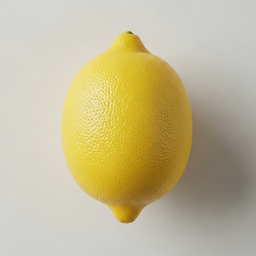 Lemon
Lemon Vitamin C triples iron absorption from chickpeas
Technical: Hummus contains non-heme iron (1.6mg/100g) partially blocked by phytic acid from chickpeas. Lemon's vitamin C (53mg) reduces Fe³⁺ to the more absorbable Fe²⁺ and forms chelates stronger than phytate-iron bonds. Studies show 50mg vitamin C triples iron absorption from legumes. Lemon juice in hummus is standard in every authentic recipe — now scientifically understood.
What does this mean for you? Lemon juice is an essential hummus ingredient, not optional. It triples the iron you absorb — crucial for vegetarians and vegans who depend on plant-based iron.
Hummus 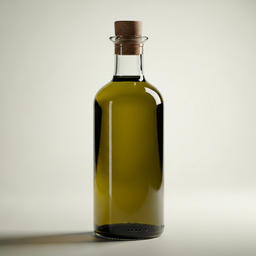 Olive Oil
 Legume protein + polyphenols for lipid profile support
Technical: Hummus (chickpeas + tahini) provides plant protein (8g/100g), fiber (4g), iron (1.6mg) and saponins that bind bile acids. Olive oil adds oleocanthal (bioactive phenol, COX modulation) and hydroxytyrosol (LDL oxidation inhibitor). Together they support the lipid profile via two mechanisms: saponins bind bile acids in the gut, olive oil polyphenols protect LDL from oxidation.
What does this mean for you? Always pour a generous drizzle of extra virgin olive oil over your hummus. This isn't just for taste — the olive oil combines with chickpea saponins for optimal lipid profile support.
Hummus 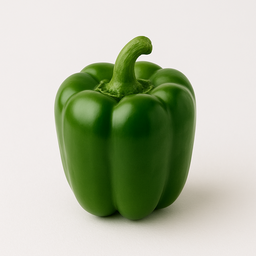 Bell Pepper
 Fats in hummus increase beta-carotene absorption 4x
Technical: Hummus contains tahini (sesame fat) and olive oil — two fat sources that increase carotenoid absorption. Carrot contains 8285μg beta-carotene, bell pepper 2094μg — both fat-soluble with only 5-10% absorption without fat. The fat in hummus increases beta-carotene absorption up to 4x, making more provitamin A available.
What does this mean for you? Dip carrots and bell peppers in hummus as a snack. The fats from tahini and olive oil in the hummus ensure you get 4x more vitamins from the vegetables.
Hummus 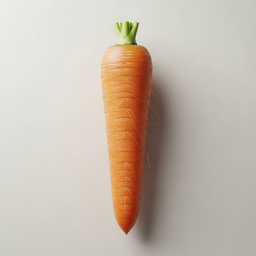 Carrot
 Fats in hummus increase beta-carotene absorption 4x
Technical: Hummus contains tahini (sesame fat) and olive oil — two fat sources that increase carotenoid absorption. Carrot contains 8285μg beta-carotene, bell pepper 2094μg — both fat-soluble with only 5-10% absorption without fat. The fat in hummus increases beta-carotene absorption up to 4x, making more provitamin A available.
What does this mean for you? Dip carrots and bell peppers in hummus as a snack. The fats from tahini and olive oil in the hummus ensure you get 4x more vitamins from the vegetables.
Hummus 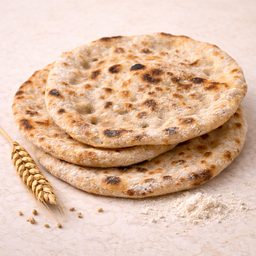 Sourdough Flatbread
 Fermented grain + legume protein for complete amino acid profile
Technical: Sourdough fermentation reduces phytic acid by 50-70%, making minerals (iron 3.6mg, zinc 2.5mg) more bioavailable. Hummus (chickpeas) provides lysine that grains lack, while the bread supplies methionine that legumes lack — together forming a complete protein profile (PDCAAS ~0.9). Lactobacilli from sourdough also improve digestion of legume fibers.
What does this mean for you? Sourdough flatbread with hummus is an ancient Middle Eastern combination that's scientifically optimal. The fermented bread makes minerals from hummus more absorbable.
Recipes with Hummus
Discover delicious recipes featuring hummus:
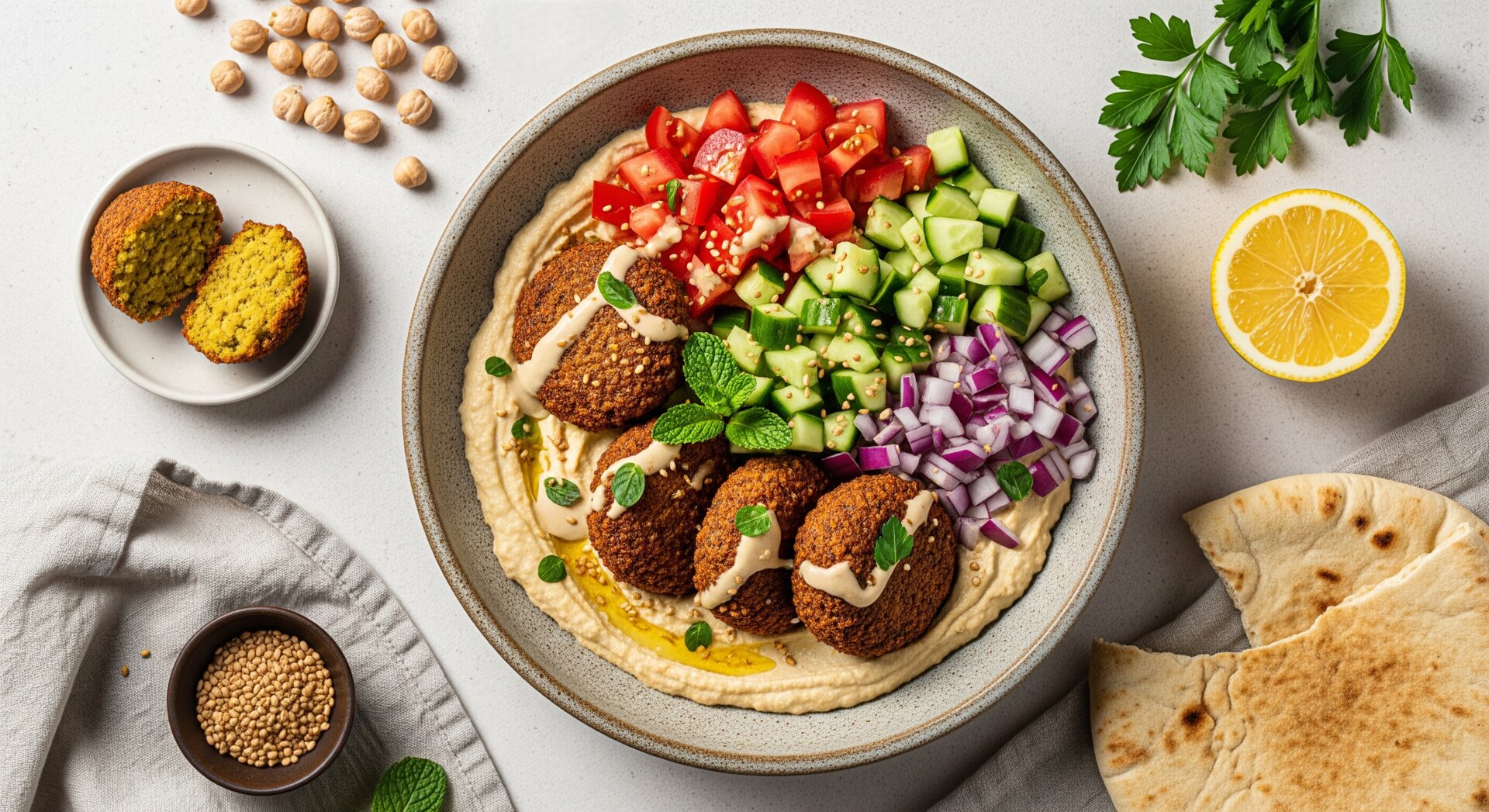 Falafel Bowl with Hummus and Crunchy Vegetables 35 min Middle Eastern bowl with warm spices
  520 kcal
  18g protein 2 synergies
 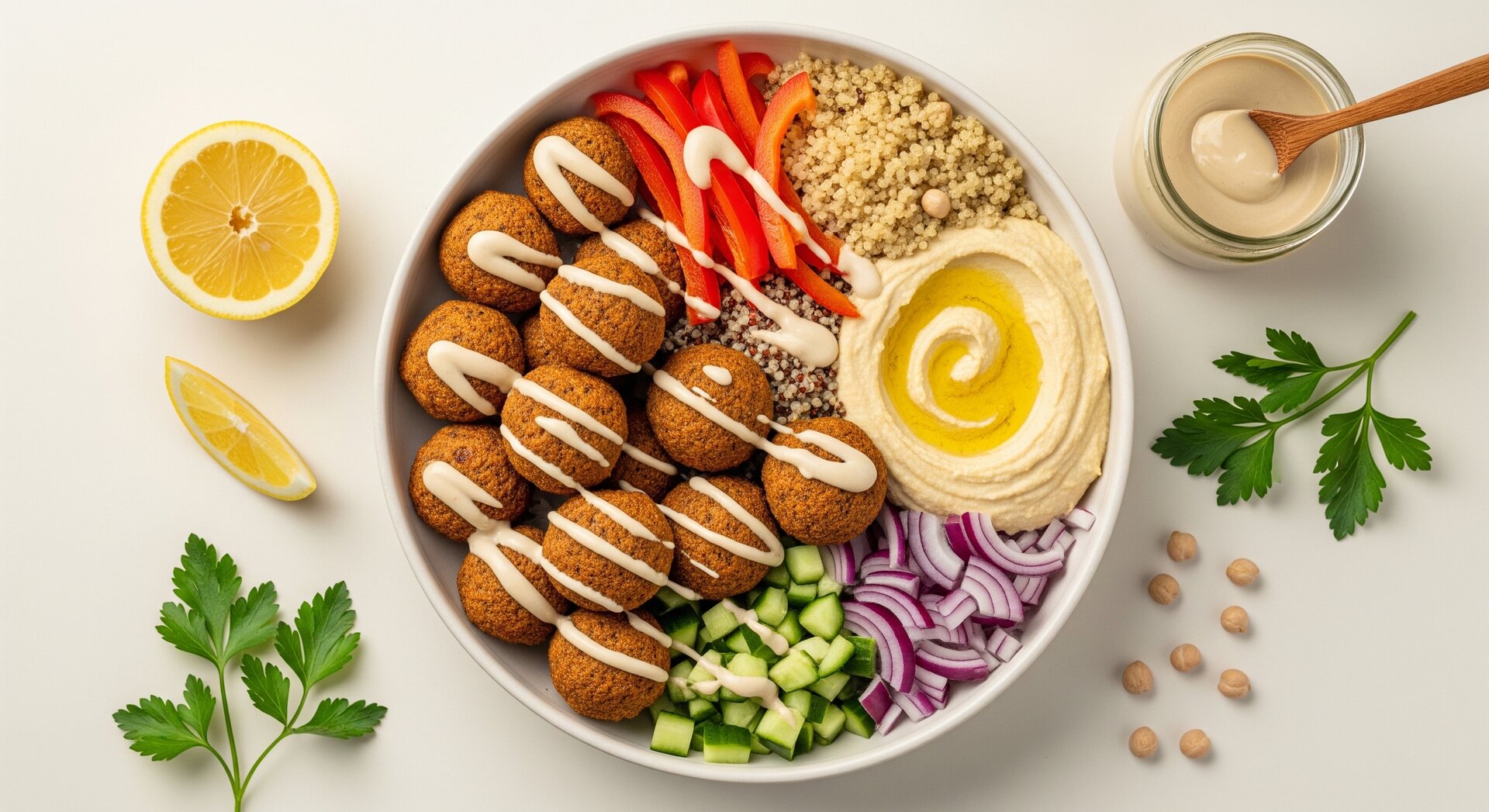 Falafel Bowl with Hummus and Tahini Dressing 25 min Mediterranean bowl with warm and fresh layers 946 kcal 32g protein 2 synergies
 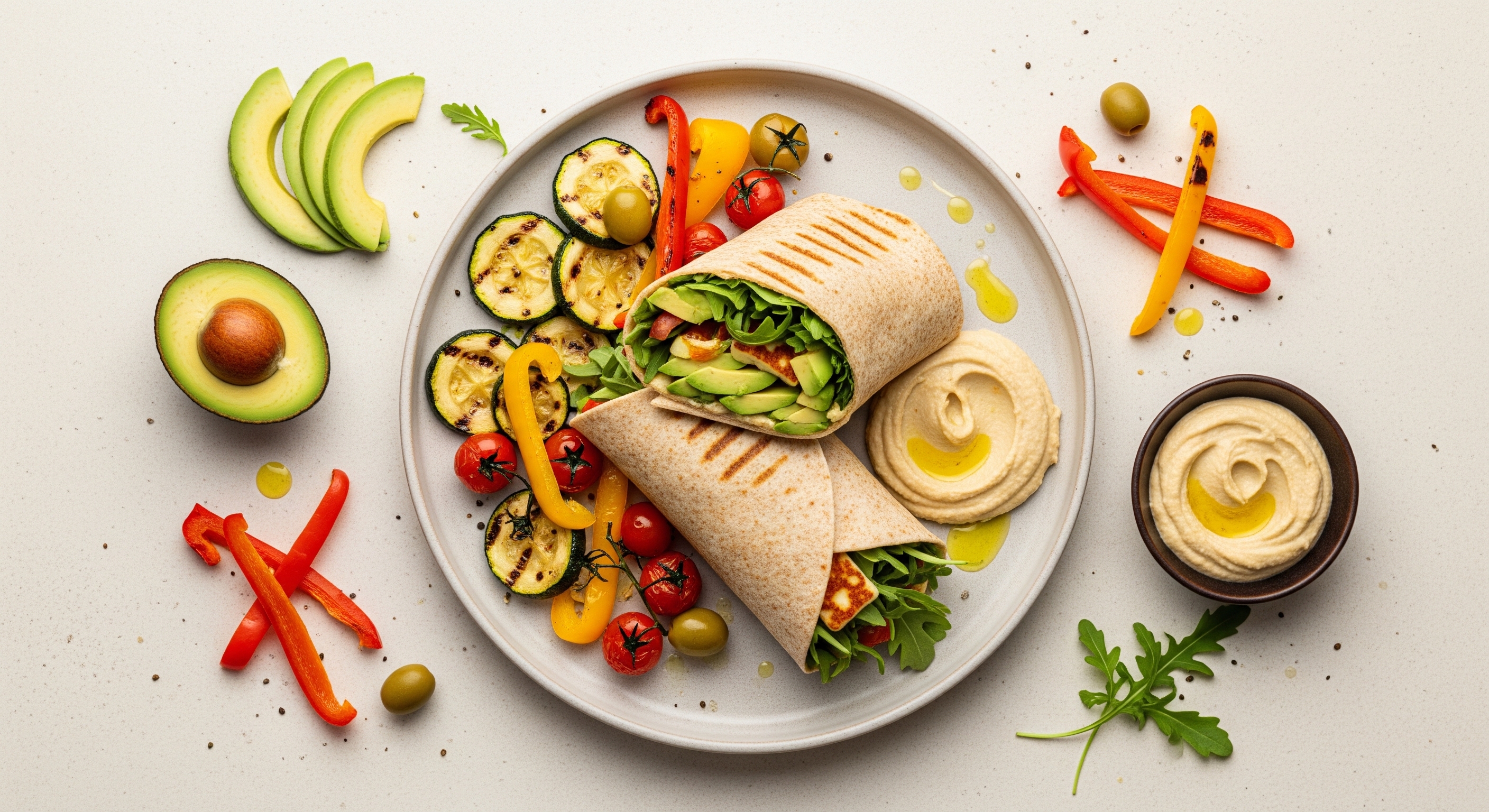 Halloumi & Avocado Wrap with Hummus & Roasted Vegetables 25 min Grilled halloumi and creamy avocado in a whole wheat wrap 712 kcal 28g protein 1 synergies
 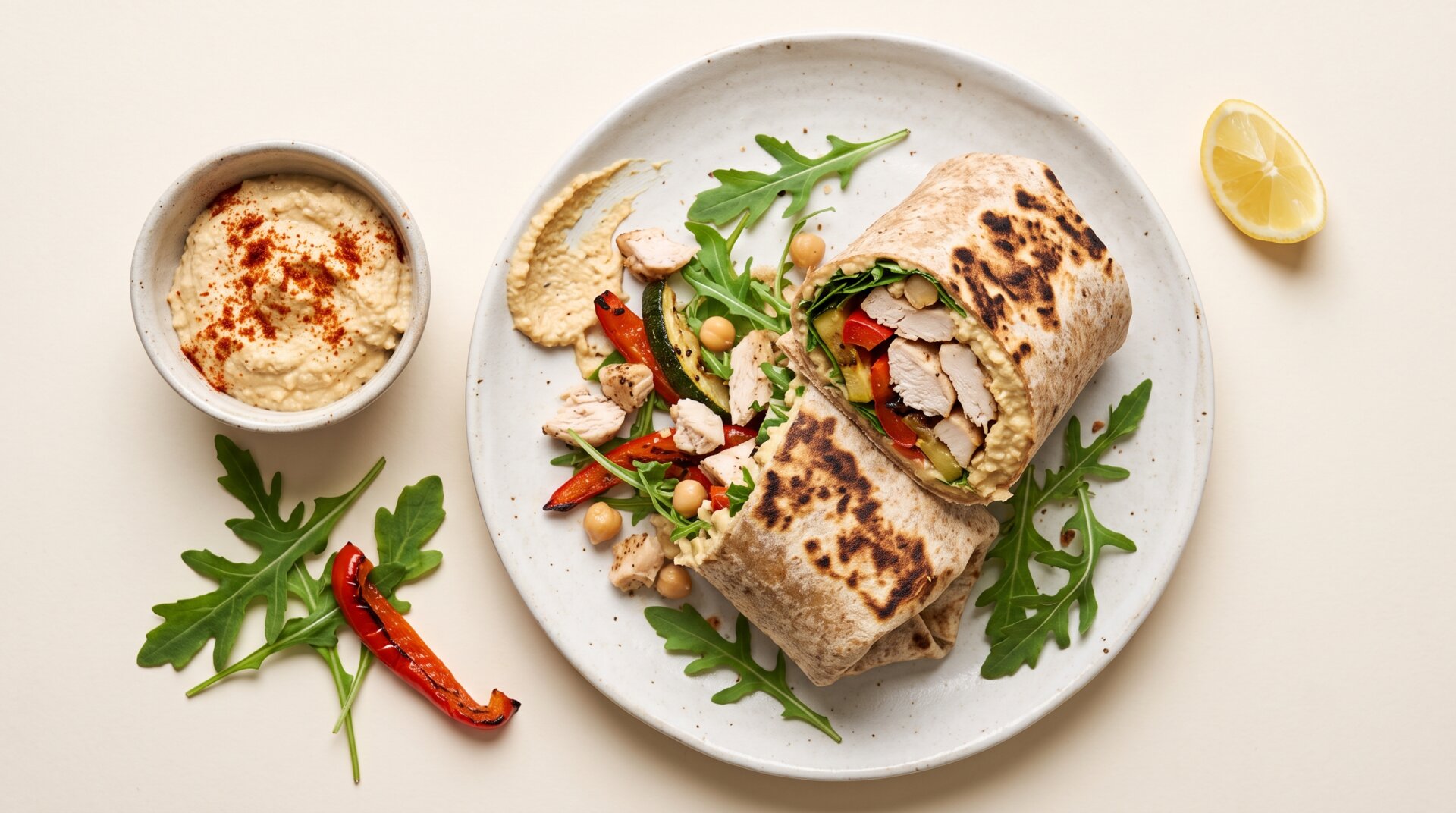 Chicken Breast Wrap with Hummus and Roasted Vegetables 35 min Protein-rich breakfast wrap with Middle Eastern flavors 537 kcal 49g protein 1 synergies
 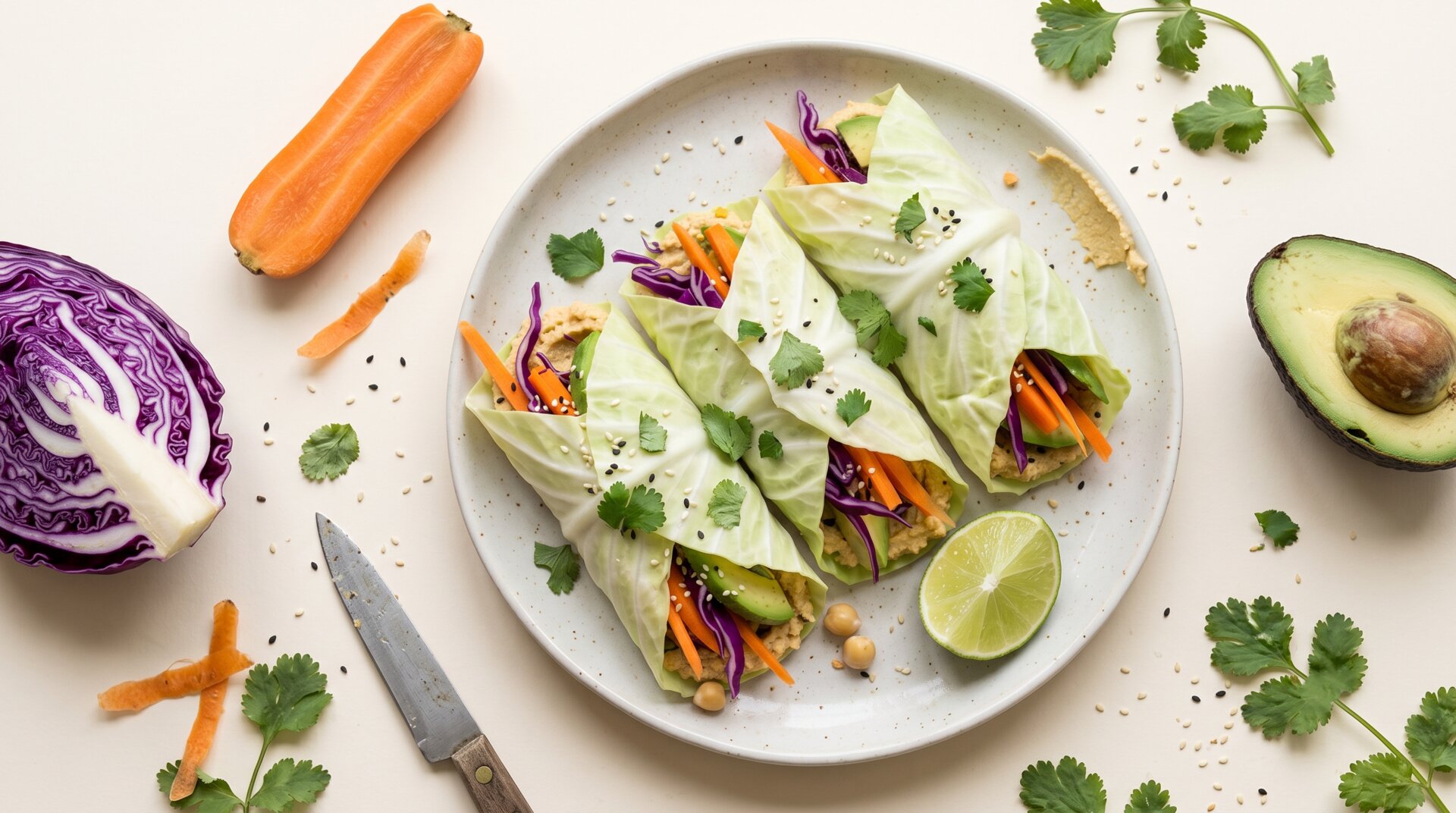 Cabbage Wrap with Hummus and Avocado 17 min Crispy pointed cabbage filled with colorful vegetables 295 kcal 8g protein 2 synergies
 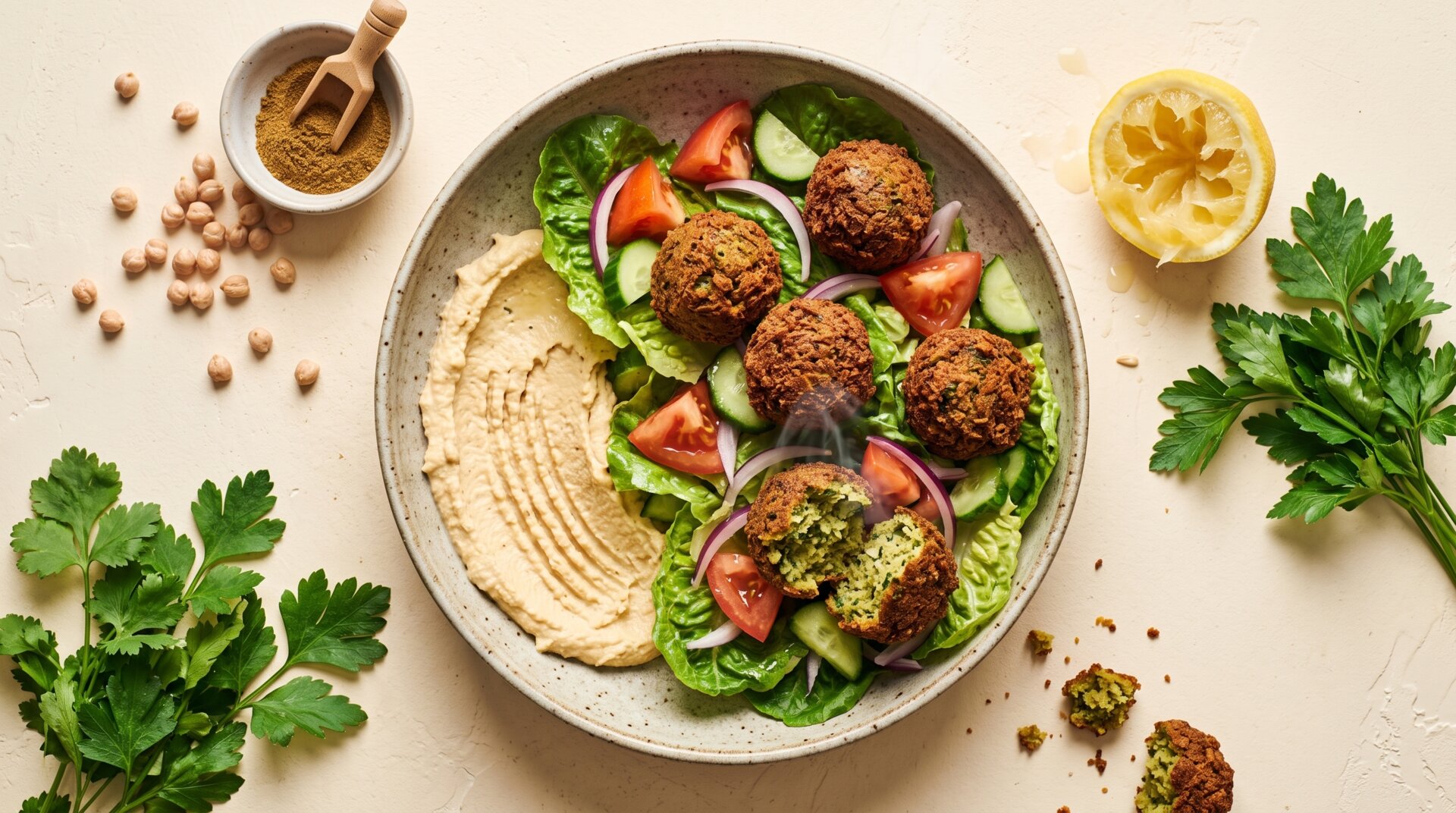 Mediterranean Falafel Bowl 40 min Crispy chickpea balls with hummus and tabbouleh 480 kcal 18g protein 1 synergies
  In the Kitchen
Storage
Location:Refrigerator
Shelf life:5-7 dagen
Store hummus covered in the refrigerator and use a clean spoon to keep it fresh. Add a thin layer of olive oil on top if you want to prevent drying.
Preparation
Blend cooked chickpeas with tahini, garlic, lemon juice, olive oil and a splash of cold water until creamy. Season with salt, cumin or paprika.
Conversions
Substitutes
Smart preparation
1Blend hummus for at least 3–5 minutes for a truly smooth texture.
Why?
Longer blending breaks down the chickpea skins further and makes the spread lighter.
2Mix tahini with lemon juice and cold water before adding the chickpeas.
Why?
Tahini becomes lighter and creamier when first loosened with liquid.
3Peel cooked chickpeas for the smoothest hummus possible.
Why?
Removing the skins gives a finer, silkier texture.
Caution / Warnings
Hummus is very safe, but there are scientific considerations:
Sesame allergy Severe
Tahini is made from sesame seeds and is a core ingredient in classic hummus.
Advice:
Avoid hummus with tahini if you have a sesame allergy and choose a sesame-free version only when the ingredients are clearly listed.
FODMAP sensitivity Moderate
Chickpeas contain GOS (galacto-oligosaccharides), which may cause gas or abdominal discomfort in sensitive people.
Advice:
Start with a small portion or choose a version made with well-rinsed chickpeas if legumes tend to bother you.
Traditional use
Islamic tradition
Hummus in Levantine tradition
Hummus is an ancient dish from the Levant, with early recipes found in 13th-century Arabic cookbooks. It is often served as part of mezze, with olive oil, spices and warm bread.
Summary
Hummus blends chickpeas, tahini, lemon, garlic and olive oil into a creamy spread with fiber and plant protein. Use it as a dip, sandwich spread or mezze base; homemade versions let you fine-tune salt, oil and lemon.