- Easy
- 25 min
- 2 serv.
- 6 synergies
- Now at its best: Bell Pepper
A generous Mediterranean bowl with warm falafel, smooth hummus, quinoa, roasted bell pepper, cucumber and red onion. Creamy tahini dressing and fresh parsley make the whole plate bright, rounded and satisfying.
This bowl is all about layers. At the base sits warm quinoa, light and nutty, followed by creamy hummus that softens every bite. On top come golden-brown falafel with a spiced crust, sweet strips of roasted bell pepper and cool cucumber for freshness. Red onion adds a gentle sharp edge that settles nicely against the smooth tahini dressing. A handful of parsley keeps everything bright and lively. The result is a bowl that feels substantial yet fresh: crisp, creamy, spiced and juicy at once. It works perfectly for a long lunch or an early evening meal when you want something complete that still eats light.
- 10
- min prep
- 15
- min cook
- 25
- min total
Nutritional Synergies
This recipe combines ingredients that enhance each other:
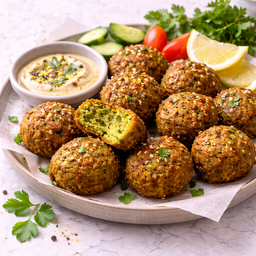 Falafel
 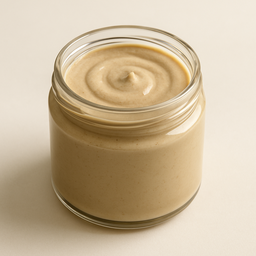 Tahini
 Complete protein through chickpea + sesame + wheat
Technical: Falafel (chickpeas) lacks the essential amino acid methionine. Tahini (sesame) and wheat (whole wheat pita) are rich in methionine. Together they form a complete protein profile with all 9 essential amino acids — comparable to animal protein but plant-based. This principle is called 'protein complementarity'.
What does this mean for you? Always eat falafel with tahini and pita — not just delicious but also a complete plant protein. Middle Eastern cuisine discovered this centuries ago.
Muscle GainGeneral Wellness
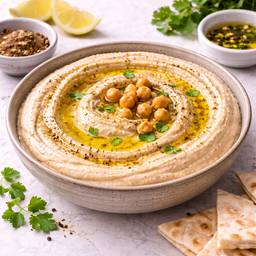 Hummus
 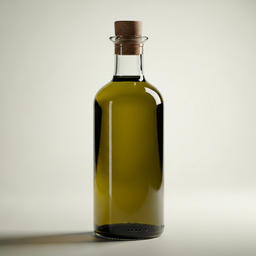 Olive oil
 Legume protein + polyphenols for lipid profile support
Technical: Hummus (chickpeas + tahini) provides plant protein (8g/100g), fiber (4g), iron (1.6mg) and saponins that bind bile acids. Olive oil adds oleocanthal (bioactive phenol, COX modulation) and hydroxytyrosol (LDL oxidation inhibitor). Together they support the lipid profile via two mechanisms: saponins bind bile acids in the gut, olive oil polyphenols protect LDL from oxidation.
What does this mean for you? Always pour a generous drizzle of extra virgin olive oil over your hummus. This isn't just for taste — the olive oil combines with chickpea saponins for optimal lipid profile support.
HeartAnti-inflammatory
Hummus 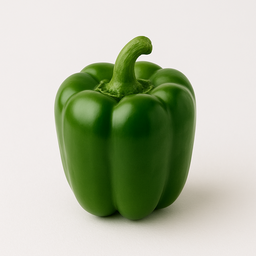 Red bell pepper
 Fats in hummus increase beta-carotene absorption 4x
Technical: Hummus contains tahini (sesame fat) and olive oil — two fat sources that increase carotenoid absorption. Carrot contains 8285μg beta-carotene, bell pepper 2094μg — both fat-soluble with only 5-10% absorption without fat. The fat in hummus increases beta-carotene absorption up to 4x, making more provitamin A available.
What does this mean for you? Dip carrots and bell peppers in hummus as a snack. The fats from tahini and olive oil in the hummus ensure you get 4x more vitamins from the vegetables.
Skin & HairImmune System
Red bell pepper Olive oil Fat improves carotenoid absorption from bell pepper
Technical: Red bell pepper contains 3131μg beta-carotene and 51μg lutein per 100g, plus 127mg vitamin C (211% RDI). Carotenoids are fat-soluble — without fat only 3-5% is absorbed. Olive oil increases bioavailability to 15-20% through micelle formation in the small intestine.
What does this mean for you? Roast bell pepper with olive oil or make a salad with olive oil dressing. Red pepper contains 10x more carotenoids than green — choose red for maximum effect.
Immune SystemSkin & Hair
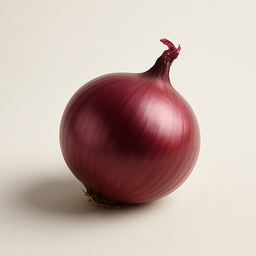 Red onion Olive oil
 Fat increases bioavailability of quercetin from red onion
Technical: Red onion contains 32-65mg quercetin per 100g — the richest food source. Quercetin is poorly water-soluble (2μg/mL) but dissolves well in fats. Olive oil increases quercetin oral bioavailability by 50-70% through lipid-based lymphatic transport instead of the portal vein.
What does this mean for you? Sauté red onion in olive oil (soffritto) for maximum quercetin absorption. Oil dissolves quercetin and improves transport to your bloodstream. Caramelizing also enhances flavor.
Anti-inflammatoryHeart
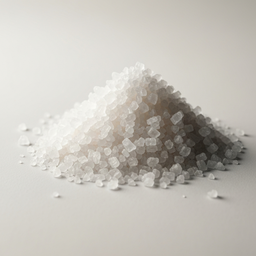 Sea salt Olive oil
 Minerals + polyphenols for cellular balance
Technical: Sea salt's sodium is essential for the sodium-potassium pump (Na+/K+-ATPase) that regulates every body cell. Olive oil's oleuropein and hydroxytyrosol provide antioxidant protection for cell membranes. The combination supports cell integrity: sea salt regulates ion balance, olive oil protects the membrane. In Mediterranean cuisine, coarse sea salt + olive oil is the most basic flavor profile.
What does this mean for you? Freshly ground sea salt with extra virgin olive oil is the simplest and most nutritious finishing of any dish. The combination provides the basic needs of your cells: minerals for function, polyphenols for protection.
HeartGeneral Wellness
Ingredients (11)
- Falafel — 10 pcs about 300 g total
- Hummus — 100 g homemade or ready-made
-
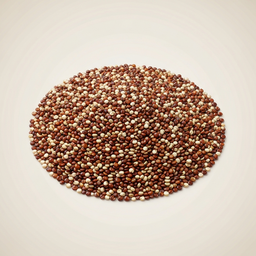 Quinoa (dry) — 150 g uncooked weight
Instructions
- 1 Rinse the quinoa in a fine sieve and cook in plenty of water for 15 minutes; drain and let it steam off briefly.
- 2 Heat the falafel in the oven or pan-fry in 1 tablespoon olive oil over medium-high heat for 6-8 minutes until golden.
Nutrition per serving
Indicative values per serving.
Timing & Suitability
Shelf life: 2 days in fridge
Tags & Diet
Allergens: Sesame, Gluten