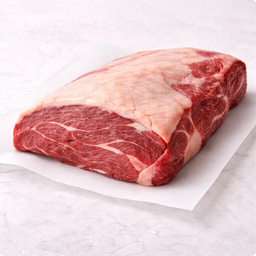
Beef Brisket
Collagen-rich braising cut for slow cooking
What is this ingredient?
Beef brisket is a connective tissue-rich cut from the chest muscle of the cow. Because it contains firm muscle fibers, fat and collagen, it needs slow cooking at a low temperature. During slow cooking, collagen converts into gelatin, giving the meat a juicier, softer texture.
## Slow cooking & texture
Brisket is widely used in stews, ramen broth, pulled beef and Texas-style barbecue. It stays firm when cooked quickly, but becomes tender when cooked gently for hours. After cooking, always slice it against the grain so each slice feels softer.
## Collagen, glycine and creatine
Brisket naturally contains collagen-rich connective tissue. Slow cooking releases gelatinous components that add mouthfeel and body to broth. Collagen contains amino acids such as glycine, proline and hydroxyproline. Beef also naturally contains creatine, a compound mainly found in muscle tissue.
## Research context
Collagen hydrolysate, glycine and creatine have been studied in different nutrition and sports contexts. Those studies usually concern isolated compounds or supplements, not brisket as a specific ingredient. For Tayb, brisket is therefore described mainly as a nutritious, protein-rich braising cut with a strong culinary role.
How does it taste?
Deeply meaty, smoky and tender with a rich, gelatinous mouthfeel.
Pairs well with:
Pairs well with mustardpepperonionbay leaf and red cabbage.
Did you know...?
- Brisket comes from the breast muscle of cattle and is one of the nine primal cuts.
- In Texas, brisket is sometimes smoked for 12-18 hours and is considered the king of barbecue.
Nutritional Value & Energy
Per 100g
Beef Brisket provides energy thanks to natural nutrients .
Per 100g
Minerals
Vitamins
Omega-3 fatty acids
More nutrients
B-Vitamins
Trace Minerals
What's in a serving?
1 serving
Beef brisket naturally contains iron (2.4 mg per 100 g).
Beef brisket naturally contains zinc (5.3 mg per 100 g).
Beef brisket naturally contains potassium (315 mg per 100 g).
Beef brisket naturally contains phosphorus (200 mg per 100 g).
Beef brisket naturally contains selenium (24 mcg per 100 g).
Beef brisket naturally contains vitamin b12 (2.1 mcg per 100 g).
Beef brisket naturally contains vitamin b6 (0.4 mg per 100 g).
% of daily reference intake (DRI)
EU-approved nutrition claims
This ingredient contains nutrients for which EFSA-authorized health claims exist (at nutrient level, not ingredient-specific).
Approved health claims (EU)
Vitamin_b12 EU 432/2012
Vitamin B12 contributes to the normal function of the immune system
Contains 2.1mcg/100g (threshold: ≥0.375mcg/100g)
Vitamin_b12 EU 432/2012
Vitamin B12 contributes to the reduction of tiredness and fatigue
Contains 2.1mcg/100g (threshold: ≥0.375mcg/100g)
Vitamin_b12 EU 432/2012
Vitamin B12 contributes to the normal functioning of the nervous system
Contains 2.1mcg/100g (threshold: ≥0.375mcg/100g)
Zinc EU 432/2012
Zinc contributes to the normal function of the immune system
Contains 5.3mg/100g (threshold: ≥1.5mg/100g)
Zinc EU 432/2012
Zinc contributes to the maintenance of normal skin
Contains 5.3mg/100g (threshold: ≥1.5mg/100g)
Iron EU 432/2012
Iron contributes to normal energy-yielding metabolism
Contains 2.4mg/100g (threshold: ≥2.1mg/100g)
Iron EU 432/2012
Iron contributes to the reduction of tiredness and fatigue
Contains 2.4mg/100g (threshold: ≥2.1mg/100g)
Potassium EU 432/2012
Potassium contributes to the maintenance of normal blood pressure
Contains 315mg/100g (threshold: ≥300mg/100g)
Vitamin_b6 EU 432/2012
Vitamin B6 contributes to normal cysteine synthesis
Contains 0.4mg/100g (threshold: ≥0.21mg/100g)
Vitamin_b6 EU 432/2012
Vitamin B6 contributes to normal energy-yielding metabolism
Contains 0.4mg/100g (threshold: ≥0.21mg/100g)
Vitamin_b6 EU 432/2012
Vitamin B6 contributes to normal functioning of the nervous system
Contains 0.4mg/100g (threshold: ≥0.21mg/100g)
Vitamin_b6 EU 432/2012
Vitamin B6 contributes to normal homocysteine metabolism
Contains 0.4mg/100g (threshold: ≥0.21mg/100g)
Vitamin_b6 EU 432/2012
Vitamin B6 contributes to normal protein and glycogen metabolism
Contains 0.4mg/100g (threshold: ≥0.21mg/100g)
Vitamin_b6 EU 432/2012
Vitamin B6 contributes to normal psychological function
Contains 0.4mg/100g (threshold: ≥0.21mg/100g)
Vitamin_b6 EU 432/2012
Vitamin B6 contributes to normal red blood cell formation
Contains 0.4mg/100g (threshold: ≥0.21mg/100g)
Vitamin_b6 EU 432/2012
Vitamin B6 contributes to the normal function of the immune system
Contains 0.4mg/100g (threshold: ≥0.21mg/100g)
Vitamin_b6 EU 432/2012
Vitamin B6 contributes to the regulation of hormonal activity
Contains 0.4mg/100g (threshold: ≥0.21mg/100g)
Vitamin_b6 EU 432/2012
Vitamin B6 contributes to the reduction of tiredness and fatigue
Contains 0.4mg/100g (threshold: ≥0.21mg/100g)
Vitamin_b12 EU 432/2012
Vitamin B12 contributes to normal energy-yielding metabolism
Contains 2.1mcg/100g (threshold: ≥0.375mcg/100g)
Vitamin_b12 EU 432/2012
Vitamin B12 contributes to normal homocysteine metabolism
Contains 2.1mcg/100g (threshold: ≥0.375mcg/100g)
Vitamin_b12 EU 432/2012
Vitamin B12 contributes to normal psychological function
Contains 2.1mcg/100g (threshold: ≥0.375mcg/100g)
Vitamin_b12 EU 432/2012
Vitamin B12 contributes to normal red blood cell formation
Contains 2.1mcg/100g (threshold: ≥0.375mcg/100g)
Vitamin_b12 EU 432/2012
Vitamin B12 has a role in the process of cell division
Contains 2.1mcg/100g (threshold: ≥0.375mcg/100g)
Phosphorus EU 432/2012
Phosphorus contributes to normal energy-yielding metabolism
Contains 200mg/100g (threshold: ≥105mg/100g)
Phosphorus EU 432/2012
Phosphorus contributes to the normal function of cell membranes
Contains 200mg/100g (threshold: ≥105mg/100g)
Phosphorus EU 432/2012
Phosphorus contributes to the maintenance of normal bones
Contains 200mg/100g (threshold: ≥105mg/100g)
Phosphorus EU 432/2012
Phosphorus contributes to the maintenance of normal teeth
Contains 200mg/100g (threshold: ≥105mg/100g)
Iron EU 432/2012
Iron contributes to normal cognitive function
Contains 2.4mg/100g (threshold: ≥2.1mg/100g)
Iron EU 432/2012
Iron contributes to normal formation of red blood cells and haemoglobin
Contains 2.4mg/100g (threshold: ≥2.1mg/100g)
Iron EU 432/2012
Iron contributes to normal oxygen transport in the body
Contains 2.4mg/100g (threshold: ≥2.1mg/100g)
Iron EU 432/2012
Iron contributes to the normal function of the immune system
Contains 2.4mg/100g (threshold: ≥2.1mg/100g)
Iron EU 432/2012
Iron has a role in the process of cell division
Contains 2.4mg/100g (threshold: ≥2.1mg/100g)
Zinc EU 432/2012
Zinc contributes to normal acid-base metabolism
Contains 5.3mg/100g (threshold: ≥1.5mg/100g)
Zinc EU 432/2012
Zinc contributes to normal carbohydrate metabolism
Contains 5.3mg/100g (threshold: ≥1.5mg/100g)
Zinc EU 432/2012
Zinc contributes to normal cognitive function
Contains 5.3mg/100g (threshold: ≥1.5mg/100g)
Zinc EU 432/2012
Zinc contributes to normal DNA synthesis
Contains 5.3mg/100g (threshold: ≥1.5mg/100g)
Zinc EU 432/2012
Zinc contributes to normal fertility and reproduction
Contains 5.3mg/100g (threshold: ≥1.5mg/100g)
Zinc EU 432/2012
Zinc contributes to normal macronutrient metabolism
Contains 5.3mg/100g (threshold: ≥1.5mg/100g)
Zinc EU 432/2012
Zinc contributes to normal metabolism of fatty acids
Contains 5.3mg/100g (threshold: ≥1.5mg/100g)
Zinc EU 432/2012
Zinc contributes to normal metabolism of vitamin A
Contains 5.3mg/100g (threshold: ≥1.5mg/100g)
Zinc EU 432/2012
Zinc contributes to normal protein synthesis
Contains 5.3mg/100g (threshold: ≥1.5mg/100g)
Zinc EU 432/2012
Zinc contributes to the maintenance of normal bones
Contains 5.3mg/100g (threshold: ≥1.5mg/100g)
Zinc EU 432/2012
Zinc contributes to the maintenance of normal hair
Contains 5.3mg/100g (threshold: ≥1.5mg/100g)
Zinc EU 432/2012
Zinc contributes to the maintenance of normal nails
Contains 5.3mg/100g (threshold: ≥1.5mg/100g)
Zinc EU 432/2012
Zinc contributes to the maintenance of normal testosterone levels in the blood
Contains 5.3mg/100g (threshold: ≥1.5mg/100g)
Zinc EU 432/2012
Zinc contributes to the maintenance of normal vision
Contains 5.3mg/100g (threshold: ≥1.5mg/100g)
Zinc EU 432/2012
Zinc contributes to the protection of cells from oxidative stress
Contains 5.3mg/100g (threshold: ≥1.5mg/100g)
Zinc EU 432/2012
Zinc has a role in the process of cell division
Contains 5.3mg/100g (threshold: ≥1.5mg/100g)
Selenium EU 432/2012
Selenium contributes to the maintenance of normal hair
Contains 24mcg/100g (threshold: ≥8.25mcg/100g)
Selenium EU 432/2012
Selenium contributes to the maintenance of normal nails
Contains 24mcg/100g (threshold: ≥8.25mcg/100g)
Selenium EU 432/2012
Selenium contributes to the normal function of the immune system
Contains 24mcg/100g (threshold: ≥8.25mcg/100g)
Selenium EU 432/2012
Selenium contributes to normal thyroid function
Contains 24mcg/100g (threshold: ≥8.25mcg/100g)
Selenium EU 432/2012
Selenium contributes to normal spermatogenesis
Contains 24mcg/100g (threshold: ≥8.25mcg/100g)
Selenium EU 432/2012
Selenium contributes to the protection of cells from oxidative stress
Contains 24mcg/100g (threshold: ≥8.25mcg/100g)
Potassium EU 432/2012
Potassium contributes to normal functioning of the nervous system
Contains 315mg/100g (threshold: ≥300mg/100g)
Potassium EU 432/2012
Potassium contributes to normal muscle function
Contains 315mg/100g (threshold: ≥300mg/100g)
What's being researched?
Fatty beef and fatty acid profile
The fatty acid profile of fatty beef cuts such as brisket is being studied. Feed and farming practices can influence fatty acid composition, while total saturated fat content remains a consideration.
Supported by: [3] Wang W (2013) , [4] Kreider RB (2017)
Good Combinations (Synergy)
Combine beef brisket smartly to enhance the effect:
Beef Brisket 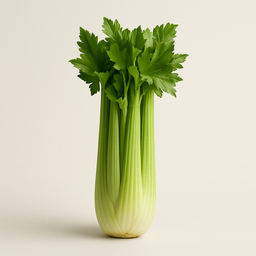 Celery
 Mirepoix vegetables buffer acids and add minerals
Technical: Beef brisket is rich in collagen type I (connective tissue) that hydrolyzes into gelatin during slow cooking (80-95°C, 6-12 hours) — a soluble protein that adds to the dish's texture and amino acid profile. Mirepoix vegetables (carrot, onion, celery) provide minerals, pectin and quercetin. Carrots' beta-carotene (8285μg per 100g) is better absorbed through the fat in the brisket. Onion inulin works prebiotic.
What does this mean for you? Slow-cook brisket with carrot, onion and celery for a rich, nutritious broth. The vegetables add not just flavor but also minerals and prebiotics. The gelatin in the broth supports your joints and gut wall.
Beef Brisket 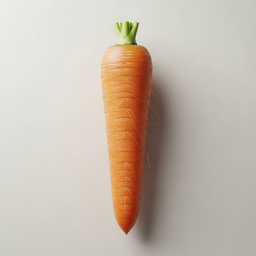 Carrot
 Mirepoix vegetables buffer acids and add minerals
Technical: Beef brisket is rich in collagen type I (connective tissue) that hydrolyzes into gelatin during slow cooking (80-95°C, 6-12 hours) — a soluble protein that adds to the dish's texture and amino acid profile. Mirepoix vegetables (carrot, onion, celery) provide minerals, pectin and quercetin. Carrots' beta-carotene (8285μg per 100g) is better absorbed through the fat in the brisket. Onion inulin works prebiotic.
What does this mean for you? Slow-cook brisket with carrot, onion and celery for a rich, nutritious broth. The vegetables add not just flavor but also minerals and prebiotics. The gelatin in the broth supports your joints and gut wall.
Beef Brisket 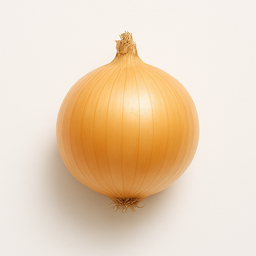 Onion
Onion Quercetin balances saturated fat via complementary biochemical routes
Technical: Beef brisket contains 20g protein and 18g fat per 100g (of which 7g saturated). Onion provides quercetin (25-50mg/100g) that counteracts saturated fat-mediated endothelial dysfunction via eNOS activation and NO production. Quercetin inhibits ox-LDL formation by 25-30% and modulates inflammatory markers (CRP, IL-6). Organosulfur compounds (allicin, S-allylcysteine) in onion influence lipid metabolism and the LDL/HDL ratio.
What does this mean for you? Slow-cook beef brisket with 2-3 sliced onions. The onions caramelize for sweet flavor and offer complementary biochemical routes that balance the fatty meat. The quercetin modulates the effects of saturated fat.
Beef Brisket 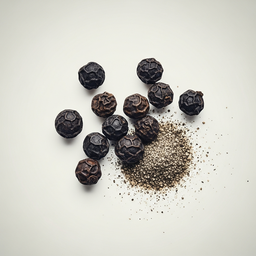 Black Pepper
 Piperine increases iron and zinc absorption and stimulates thermogenesis
Technical: Beef brisket contains 3.3mg heme iron per 100g (18% RDI) and 8.5mg zinc (77% RDI). Piperine (5-9% in black pepper) inhibits glucuronidase in intestinal wall, increasing iron absorption by 15-20% and zinc by 25-30% via modulation of DMT1 and ZIP transporters. Piperine also increases bioavailability of beta-carotene (+50%), selenium (+30%) and curcumin (+2,000%). Stimulates thermogenesis by 8% via TRPV1 activation.
What does this mean for you? Season beef brisket generously with freshly ground black pepper before and during slow-cooking. The piperine maximizes your mineral absorption from this iron and zinc-rich meat. Ideal for athletes or iron deficiency.
Recipes with Beef Brisket
Discover delicious recipes featuring beef brisket:
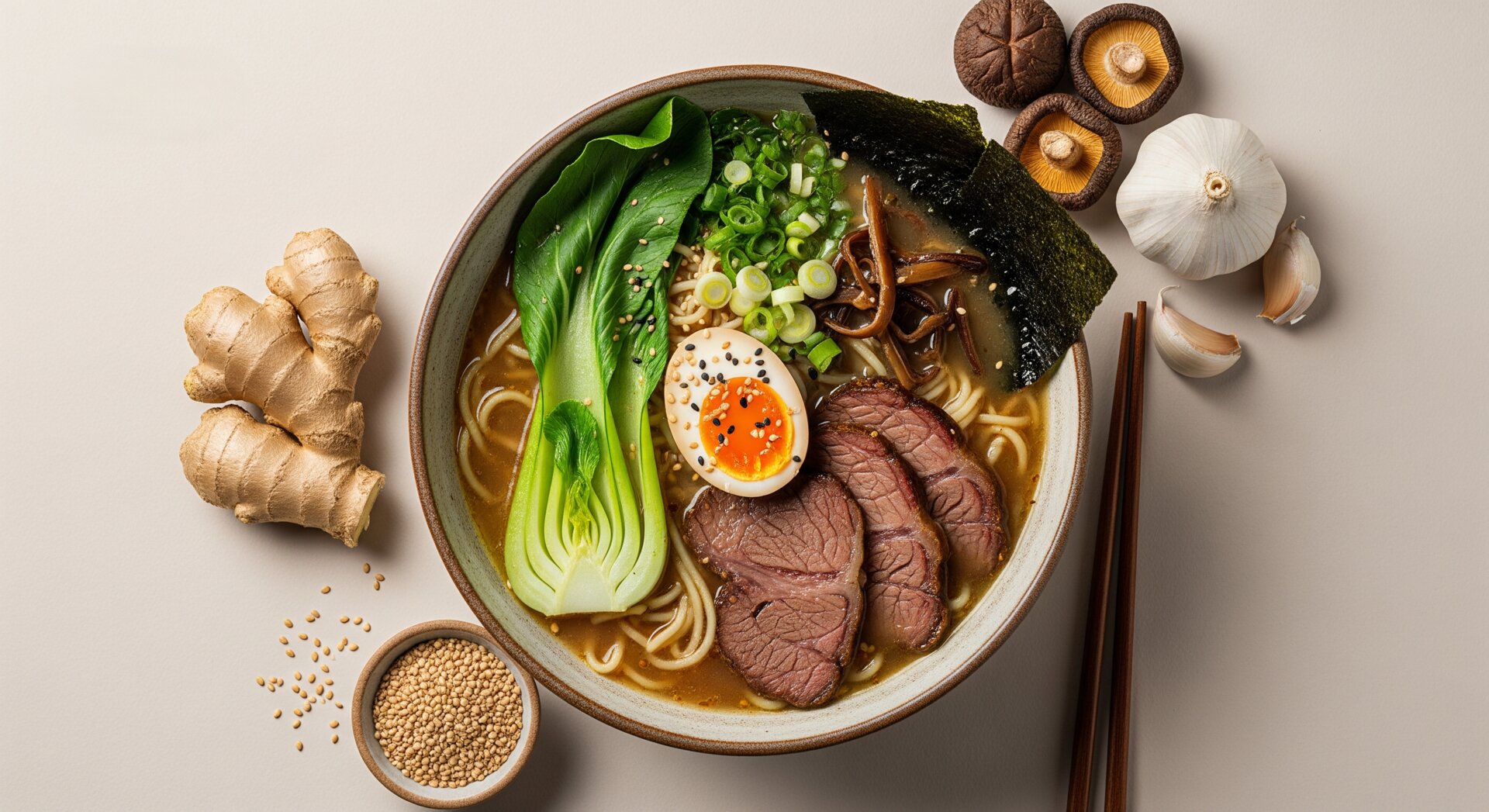 Beef Bone Broth Ramen 210 min Japanese-inspired ramen with braised beef, ajitama egg and bok choy
  520 kcal
  42g protein 3 synergies
  In the Kitchen
Storage
Location:Refrigerator
Shelf life:3-4 dagen vers, 6 maanden ingevroren
Preparation
Always cook slowly. Allow at least 2-3 hours on low heat for braises, or longer for larger pieces and barbecue, until the meat is soft enough to pull apart easily.
Conversions
Substitutes
Smart preparation
1Cook brisket low and slow: 120-140°C for 6-10 hours.
Why?
Low and slow converts collagen into gelatin for a softer texture.
2Do not trim the fat cap completely before braising.
Why?
A thin fat layer helps protect the meat from drying out.
3Always slice brisket against the grain.
Why?
This makes every slice tender instead of chewy.
Caution / Warnings
Beef Brisket is very safe, but there are scientific considerations:
Gout Moderate
Beef contains purines, which the body converts into uric acid.
Advice:
Limit or avoid during active gout attacks. Consult a doctor or dietitian if you have elevated uric acid.
Cardiovascular disease Moderate
Brisket is relatively high in saturated fat and cholesterol, especially when the fat cap is eaten.
Advice:
Choose suitable portions, remove visible fat after cooking if desired, and combine with vegetables and fiber-rich sides.
Summary
Beef brisket is a collagen-rich braising cut that becomes tender with slow cooking and gives broth plenty of body. It works well in ramen, stews and barbecue. Because it is higher in fat, portion size matters, especially if the fat cap is eaten.