- Medium
- 55 min
- 2 serv.
- 15 synergies
- Now at its best: Spinach
Korea's most iconic dish — a rainbow of individually sautéed vegetables, beef and a fried egg on hot rice, with spicy gochujang sauce.
Bibimbap is Korea's way of saying anything goes, as long as you mix it. Each vegetable gets its own moment in the pan: carrots in thin julienne, zucchini that just keeps its bite, spinach briefly blanched and dressed with sesame oil, shiitake until dark and glossy, bean sprouts crispy and fresh. The meat — thinly sliced beef, marinated in soy sauce and sesame — goes last, on high heat. Everything comes together in a bowl of steaming rice, the fried egg on top with a yolk that's still just runny. Then the gochujang: sweet, spicy, deep. The ritual is always the same — spoon in, mix it all, the first bite is an explosion of textures and flavors you won't find anywhere else.
- 30
- min prep
- 25
- min cook
- 55
- min total
Nutritional Synergies
This recipe combines ingredients that enhance each other:
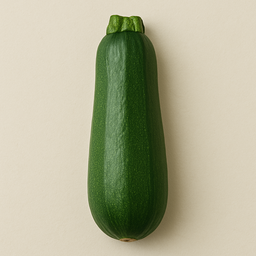 Zucchini
 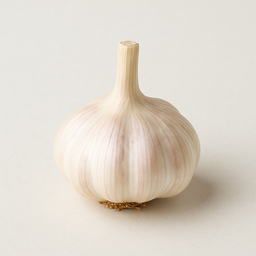 Garlic
 Potassium + allicin: complementary mineral-sulfur pathway
Technical: Zucchini contains 261mg potassium per 100g — potassium contributes to the maintenance of normal blood pressure (EFSA-approved). Garlic's allicin influences angiotensin-converting enzyme (ACE) and stimulates NO production via the nitrate-nitrite-NO pathway. Together they influence vascular physiology via two complementary mechanisms: electrolyte balance and NO signaling.
What does this mean for you? Sautéed zucchini with garlic is a simple side dish with two pathways influencing vascular physiology. Potassium from zucchini and allicin from garlic work complementarily. Add olive oil for extra polyphenols.
HeartAnti-inflammatory
 Eggs
Eggs 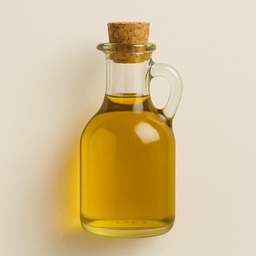 Sesame Oil
 Choline + sesamol for brain and liver support
Technical: Eggs contain 147mg choline per egg (27% RDI), essential as precursor for the neurotransmitter acetylcholine and for liver metabolism. Sesame oil contains sesamol and sesamin — bioactive lignan antioxidants with membrane-stabilizing properties. The fats in sesame oil also help absorb fat-soluble vitamins from eggs.
What does this mean for you? Fry your eggs in sesame oil for Asian dishes like tamagoyaki. The nutty flavor combines perfectly and the bioactive compounds complement each other.
FocusAntioxidantsAnti-inflammatory
Eggs 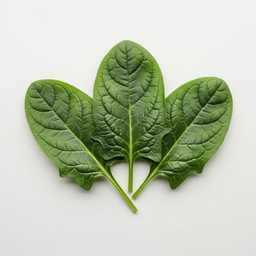 Spinach
 Increases vitamin E absorption by factor 4-7
Technical: Spinach contains vitamin E (2mg/100g), lutein and beta-carotene — all fat-soluble. A study showed that adding an egg (with 5g fat) to a raw vegetable salad increased vitamin E absorption by a factor of 4-7. The egg yolk creates a lipid emulsion serving as transport for these fat-soluble nutrients.
What does this mean for you? Always add an egg to your spinach salad or cook spinach with an egg. Without the egg fat you absorb up to 7x less vitamin E from the spinach.
General Wellness
Eggs 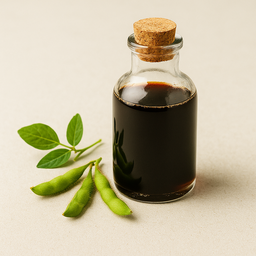 Tamari
 Complete proteins + fermented amino acids for muscle building
Technical: Eggs contain all 9 essential amino acids with the highest PDCAAS score (1.0). Tamari (fermented soy) adds free amino acids and glutamate that activate protein digestion. Fermentation also makes soy proteins more absorbable.
What does this mean for you? Make tamagoyaki (Japanese omelet) with tamari, or fry eggs with a splash of tamari. The umami flavor enhances the dish and improves protein utilization.
Muscle GainEnergyDigestion
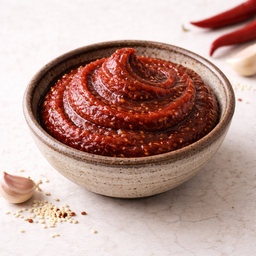 Gochujang (Korean chili paste) Garlic
 Fermented chili + allicin for gut flora and immunity
Technical: Gochujang is a fermented product (rice + chili + soybeans) containing lactobacilli and Bacillus subtilis as probiotics. Capsaicin from the chili (0.5-1%) stimulates TRPV1 receptors for endorphin release. Garlic's allicin has broad bioactivity against pathogens without harming beneficial lactobacilli. The combination supports gut flora (gochujang) and acts selectively bioactive against pathogens (garlic).
What does this mean for you? Gochujang with garlic is the base of many Korean dishes (bibimbap, tteokbokki). The fermentation in gochujang feeds your good gut bacteria, while garlic fights the bad ones.
DigestionImmune System
Gochujang (Korean chili paste) Sesame Oil Fermentation + fats maximize bioactive compounds
Technical: Gochujang is fermented chili-soybean paste containing both capsaicin (thermogenic) and probiotics (Lactobacillus). Sesame oil's sesamin and sesamol are antioxidants protecting capsaicin from oxidation. The fat also increases capsaicin bioavailability. Ginger enhances thermogenic action via gingerol.
What does this mean for you? Mix gochujang with sesame oil and ginger as sauce for Korean bowls. The fermentation, fat and ginger reinforce each other — the core of Korean cuisine.
DigestionWeight Loss
Sesame Oil  Sesame Seeds
 Sesame oil fats enhance absorption of sesame seed lignans
Technical: Sesame seeds contain lignans (sesamin, sesamolin) that are fat-soluble. Sesame oil provides the ideal fat matrix for absorption. Additionally, the oil contains different bioactive forms (sesamol) that work complementarily to lignans in whole seeds.
What does this mean for you? Top dishes with both sesame seeds and a drizzle of sesame oil — you get the fiber and minerals from the seeds plus optimal lignan absorption.
HeartAnti-inflammatoryHormonal Balance
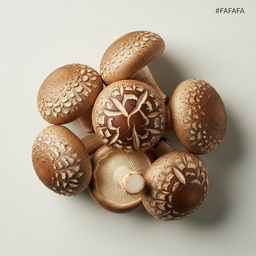 Shiitake Garlic
 Asian staple combination of shiitake and garlic
Technical: Shiitake contains lentinan, a beta-1,3-glucan that activates natural killer (NK) cells and macrophages via Dectin-1 receptors. Garlic contains allicin, which acts through a different biochemical pathway involving T-cells and interferon production. The two ingredients thus combine distinct bioactive compounds.
What does this mean for you? Stir-fry shiitake with garlic in a wok or soup — it's a staple of Asian cuisine for good reason. Good to know: vitamin D contributes to the normal function of the immune system (EFSA-approved), and UV-exposed shiitake is one of the few plant-based sources of it.
Immune System
Shiitake Spinach Vitamin D + K synergy for bone health
Technical: UV-exposed shiitake (or shiitake that has been in the sun) contains vitamin D2 (up to 1100 IU per 100g). Spinach contains 483μg vitamin K per 100g. Vitamin D increases calcium absorption, vitamin K activates osteocalcin that directs calcium to bones. Together they optimize calcium use.
What does this mean for you? Stir-fry shiitake with spinach in olive oil (fat needed for D absorption). Place shiitake in the sun for 15-60 minutes before cooking to increase vitamin D content.
JointsImmune System
Spinach Sesame Oil Sesame oil increases fat-soluble vitamin absorption from spinach 3-5x
Technical: Spinach contains vitamin K (483μg/100g, 400% RDI), beta-carotene and lutein - all fat-soluble. Sesame oil contains lignans (sesamin) that act as antioxidants and 50% monounsaturated fats that stimulate micelle formation.
What does this mean for you? Drizzle spinach with sesame oil (Korean/Japanese style) for maximum nutrient absorption. This is why namul (Korean spinach) is always made with sesame oil.
EnergyGeneral WellnessSkin & Hair
Spinach Sesame Seeds Iron + calcium + copper: mineral synergy
Technical: Spinach contains 2.7mg iron per 100g (15% RDI). Sesame seeds contain 975mg calcium per 100g (highest of all seeds!) plus 14.5mg iron. The combination delivers a rich mineral dose. Sesame seeds also contain copper (4.1mg/100g) — copper contributes to normal iron transport in the body (EFSA-approved).
What does this mean for you? Korean namul (sesame spinach) is not only delicious but also exceptionally mineral-rich. Copper from sesame seeds contributes to normal iron transport. Ideal for vegetarians.
EnergyJointsMuscle Gain
Tamari Sesame Oil Fermented soy isoflavones + sesamol for antioxidant protection
Technical: Tamari contains fermentation-released isoflavones (genistein, daidzein) that work synergistically with sesame oil's sesamol and sesaminol. Together they provide broader antioxidant protection via different radical scavenging mechanisms.
What does this mean for you? A splash of tamari with sesame oil as dressing or stir-fry sauce gives not only umami flavor but also a double antioxidant effect.
Anti-inflammatoryHeartSkin & Hair
Tamari Sesame Seeds Umami amino acids enhance mineral absorption from sesame seeds
Technical: Tamari's free glutamic acid and amino acids from fermentation promote absorption of zinc and iron from sesame seeds. The organic acids in fermented soy lower intestinal pH, making minerals more soluble.
What does this mean for you? Sprinkle dishes with tamari and sesame seeds together — a classic Asian combination that's not only delicious but also optimizes your mineral absorption.
EnergyImmune SystemGeneral Wellness
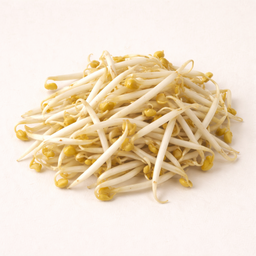 Bean sprouts
 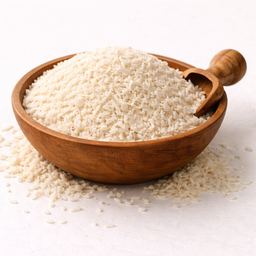 Rice
Rice Amylase enzymes from sprouts improve starch digestion
Technical: Bean sprouts (sprouted mung beans) contain active α-amylase and other hydrolytic enzymes activated during germination. These break starch chains (amylose and amylopectin) into maltose and glucose. This lowers the glycemic index of rice by 15-20% and slows the postprandial glycemic response.
What does this mean for you? Add bean sprouts to your rice dish (nasi goreng, fried rice). Sprout enzymes help break down rice starch, slowing the glycemic response. A classic Asian combination with nutritional backing.
DigestionBlood Sugar
Bean sprouts Sesame Oil Sesame oil improves vitamin absorption from bean sprouts
Technical: Bean sprouts (sprouted mung beans) contain 13μg vitamin K and 162μg folate per 100g. Sprouts also have elevated tocopherol (vitamin E family) levels. Sesame oil (42% oleic, 40% linoleic acid) forms micelles absorbing fat-soluble vitamins. Sesamin in sesame oil also inhibits PUFA oxidation.
What does this mean for you? Stir-fry bean sprouts with a splash of sesame oil — the classic Asian method. Sesame oil makes fat-soluble vitamins absorbable and adds a nutty flavor.
General WellnessEnergy
Ingredients (13)
- Rice — 300 g short-grain rice, cooked
-
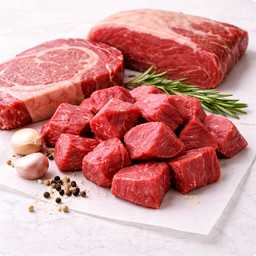 Beef (sirloin or ribeye) — 150 g in thin strips
 - Spinach — 150 g
Instructions
- 1 Marinate the beef with 1 tbsp tamari, 1 tbsp sesame oil and minced garlic. Let stand for at least 15 minutes.
- 2 Blanch spinach for 30 seconds in boiling water. Squeeze thoroughly dry and mix with a drizzle of sesame oil.
Nutrition per serving
Indicative values per serving.
Timing & Suitability
Shelf life: 2 days in fridge
Tags & Diet
Allergens: Soy, Eggs, Sesame