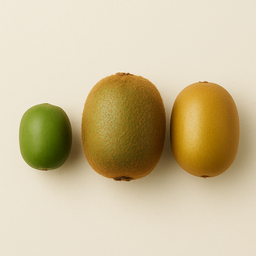
Kiwi
The vitamin C-rich tropical fruit
What is this ingredient?
Kiwi (Actinidia deliciosa) is a small fruit with exceptionally high nutrient density. Gram for gram, kiwi contains more vitamin C than orange (93mg vs 53mg per 100g). What makes kiwi unique is the combination of vitamins C, E and polyphenols that together help repair DNA damage - studies show significant reduction in oxidative DNA damage after 3 weeks of daily kiwi consumption. Kiwi also contains actinidin, a protein-digesting enzyme that improves digestion of meat and dairy. Recent research shows that 2 kiwis an hour before bed significantly improves sleep quality. The golden kiwi (SunGold) contains even more vitamin C and is sweeter.
How does it taste?
Vibrant sweet-tart with a tropical freshness and mildly tangy edge.
Pairs well with:
Pairs well with strawberrybananamintyoghurt and passion fruit.
Varieties
Green Kiwi (Hayward)
Most common, fuzzy skin, tangy-sweet
Golden Kiwi (SunGold)
Smooth skin, sweeter, even more vitamin C
Kiwi Berry
Mini kiwi, edible skin, grape-sized
Did you know...?
- The kiwi originally comes from China where it was called 'Chinese gooseberry'; New Zealand renamed it.
- The new name 'kiwi' was chosen in 1959 due to its resemblance to the kiwi bird.
Nutritional Value & Energy
Per 100g
Kiwi provides energy thanks to natural nutrients , buffered by fiber.
Per 100g
Minerals
Vitamins
Omega-3 fatty acids
More nutrients
B-Vitamins
Trace Minerals
What's in a serving?
1 serving
Kiwi naturally contains vitamin c (155 mg per 100 g).
Kiwi naturally contains vitamin e (10 mg per 100 g).
Kiwi naturally contains vitamin k (50 mcg per 100 g).
% of daily reference intake (DRI)
EU-approved nutrition claims
This ingredient contains nutrients for which EFSA-authorized health claims exist (at nutrient level, not ingredient-specific).
Approved health claims (EU)
Vitamin_c EU 432/2012
Vitamin C contributes to the normal function of the immune system
Contains 93mg/100g (threshold: ≥12mg/100g)
Vitamin_c EU 432/2012
Vitamin C contributes to the reduction of tiredness and fatigue
Contains 93mg/100g (threshold: ≥12mg/100g)
Vitamin_c EU 432/2012
Vitamin C contributes to normal collagen formation for the normal function of skin
Contains 93mg/100g (threshold: ≥12mg/100g)
Potassium EU 432/2012
Potassium contributes to the maintenance of normal blood pressure
Contains 312mg/100g (threshold: ≥300mg/100g)
Vitamin_c EU 432/2012
Vitamin C contributes to normal collagen formation for the normal function of blood vessels
Contains 93mg/100g (threshold: ≥12mg/100g)
Vitamin_c EU 432/2012
Vitamin C contributes to normal collagen formation for the normal function of bones
Contains 93mg/100g (threshold: ≥12mg/100g)
Vitamin_c EU 432/2012
Vitamin C contributes to normal collagen formation for the normal function of cartilage
Contains 93mg/100g (threshold: ≥12mg/100g)
Vitamin_c EU 432/2012
Vitamin C contributes to normal collagen formation for the normal function of gums
Contains 93mg/100g (threshold: ≥12mg/100g)
Vitamin_c EU 432/2012
Vitamin C contributes to normal collagen formation for the normal function of teeth
Contains 93mg/100g (threshold: ≥12mg/100g)
Vitamin_c EU 432/2012
Vitamin C contributes to normal energy-yielding metabolism
Contains 93mg/100g (threshold: ≥12mg/100g)
Vitamin_c EU 432/2012
Vitamin C contributes to normal functioning of the nervous system
Contains 93mg/100g (threshold: ≥12mg/100g)
Vitamin_c EU 432/2012
Vitamin C contributes to normal psychological function
Contains 93mg/100g (threshold: ≥12mg/100g)
Vitamin_c EU 432/2012
Vitamin C contributes to the protection of cells from oxidative stress
Contains 93mg/100g (threshold: ≥12mg/100g)
Vitamin_c EU 432/2012
Vitamin C contributes to the regeneration of the reduced form of vitamin E
Contains 93mg/100g (threshold: ≥12mg/100g)
Vitamin_c EU 432/2012
Vitamin C increases iron absorption
Contains 93mg/100g (threshold: ≥12mg/100g)
Vitamin_c EU 432/2012
Vitamin C contributes to maintain the normal function of the immune system during and after intense physical exercise
Contains 93mg/100g (threshold: ≥12mg/100g)
Vitamin_k EU 432/2012
Vitamin K contributes to normal blood clotting
Contains 50mcg/100g (threshold: ≥11.25mcg/100g)
Vitamin_k EU 432/2012
Vitamin K contributes to the maintenance of normal bones
Contains 50mcg/100g (threshold: ≥11.25mcg/100g)
Potassium EU 432/2012
Potassium contributes to normal functioning of the nervous system
Contains 312mg/100g (threshold: ≥300mg/100g)
Potassium EU 432/2012
Potassium contributes to normal muscle function
Contains 312mg/100g (threshold: ≥300mg/100g)
Comparison
vssinaasappel
Kiwi contains about 3× more vitamin C per 100g than orange.
What's being researched?
Actinidin and digestion
Actinidin, a protease in kiwi, is being studied for effects on protein digestion and gut motility. Clinical studies show promising results for functional constipation.
Supported by: [3] Montoya CA (2014) , [4] Chang (2010)
Vitamin C and immune support
The very high vitamin C content in kiwi is being studied in relation to immune function. Clinical studies show improved immune markers, particularly in populations with suboptimal vitamin C status.
Supported by: [1] Collins BH (2001)
Serotonin and sleep research
Serotonin in kiwi is being studied for potential effects on sleep quality. Small clinical studies show promising results for sleep onset and sleep duration.
Supported by: [2] Lin (2011)
Good Combinations (Synergy)
Combine kiwi smartly to enhance the effect:
Kiwi 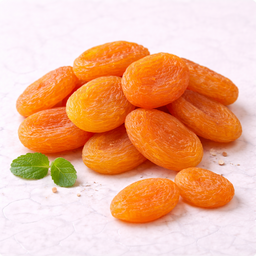 Dried Apricots
 Vitamin C increases iron absorption from apricots 3x
Technical: Dried apricots contain 3mg non-heme iron per 100g — concentrated through the drying process. This iron is in Fe³⁺ form with low bioavailability (5-12%). Kiwi (93mg vitamin C per 100g) and orange (53mg) reduce Fe³⁺ to Fe²⁺ recognized by DMT1 transporters in the intestinal wall. Absorption increases by 300% or more.
What does this mean for you? Combine dried apricots with fresh fruit as a snack — a few apricots with a kiwi or an orange. This is one of the simplest ways to better absorb plant-based iron, ideal for vegetarians and fatigue from iron deficiency.
Kiwi 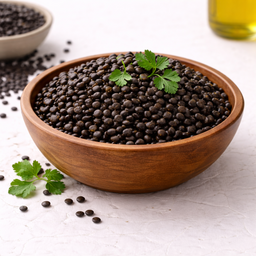 Beluga Lentils
 Kiwi's vitamin C makes the iron from lentils much more absorbable
Vitamin C overcomes phytate inhibition of iron absorption (PMID: 2507689)
Technical: Lentils are an iron powerhouse (6-8mg per 100g cooked), but also contain phytate that blocks iron absorption. Kiwi's extremely high vitamin C (93mg/100g) overcomes this problem: it reduces Fe³⁺ to Fe²⁺ and forms soluble chelates that bypass phytate binding. The combination increases iron absorption by 300-600%.
What does this mean for you? Eat a kiwi as dessert after your lentil soup or salad. This is a simple trick to get much more iron from your meal — without supplements. Ideal if you eat vegetarian or often feel tired.
Kiwi 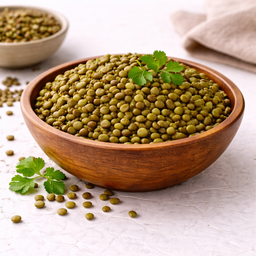 Green Lentils
 Kiwi's vitamin C makes the iron from lentils much more absorbable
Vitamin C overcomes phytate inhibition of iron absorption (PMID: 2507689)
Technical: Lentils are an iron powerhouse (6-8mg per 100g cooked), but also contain phytate that blocks iron absorption. Kiwi's extremely high vitamin C (93mg/100g) overcomes this problem: it reduces Fe³⁺ to Fe²⁺ and forms soluble chelates that bypass phytate binding. The combination increases iron absorption by 300-600%.
What does this mean for you? Eat a kiwi as dessert after your lentil soup or salad. This is a simple trick to get much more iron from your meal — without supplements. Ideal if you eat vegetarian or often feel tired.
Kiwi 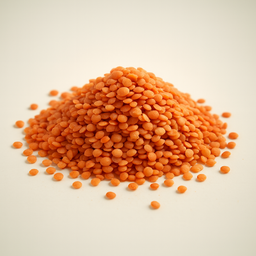 Red Lentils
 Kiwi's vitamin C makes the iron from lentils much more absorbable
Vitamin C overcomes phytate inhibition of iron absorption (PMID: 2507689)
Technical: Lentils are an iron powerhouse (6-8mg per 100g cooked), but also contain phytate that blocks iron absorption. Kiwi's extremely high vitamin C (93mg/100g) overcomes this problem: it reduces Fe³⁺ to Fe²⁺ and forms soluble chelates that bypass phytate binding. The combination increases iron absorption by 300-600%.
What does this mean for you? Eat a kiwi as dessert after your lentil soup or salad. This is a simple trick to get much more iron from your meal — without supplements. Ideal if you eat vegetarian or often feel tired.
Kiwi 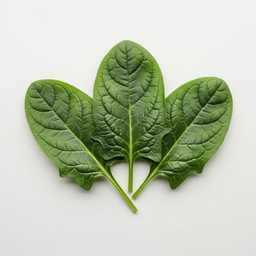 Spinach
 Vitamin C from kiwi increases iron absorption from spinach up to 6x
Vitamin C significantly increases non-heme iron absorption (PMID: 2507689)
Technical: Kiwi contains 93mg vitamin C per 100g (155% RDI) — more than orange! Spinach contains 2.7mg non-heme iron per 100g, but this iron (Fe³⁺) is poorly absorbed (only 2-10%). Vitamin C reduces Fe³⁺ to Fe²⁺, the form your gut can absorb. Studies show 3-6x higher iron absorption when combined with vitamin C.
What does this mean for you? Add kiwi to your spinach salad or smoothie. One kiwi with 100g spinach can double to quadruple your iron absorption. Perfect for vegetarians, menstruating women, or anyone fatigued from low iron levels.
Recipes with Kiwi
Discover delicious recipes featuring kiwi:
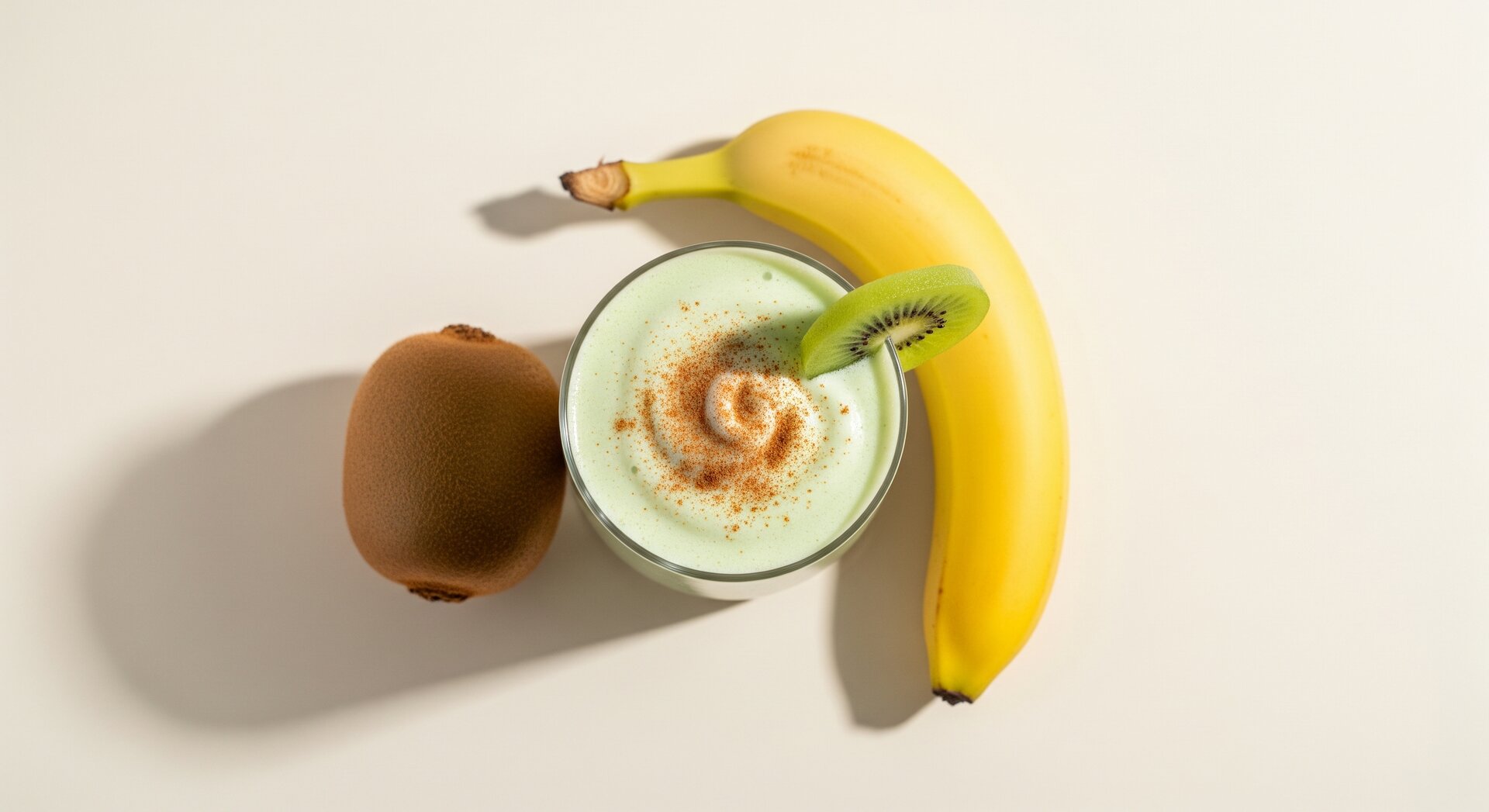 Kiwi Banana Shake 5 min Creamy evening shake with kiwi, banana, yogurt and coconut milk
  285 kcal
  10g protein 2 synergies
  In the Kitchen
Storage
Location:Refrigerator
Shelf life:1-2 weken in koelkast, 4-5 dagen op kamertemperatuur
Hard kiwis ripen at room temperature. Speed ripening: place next to banana or apple. Ripe when soft with gentle pressure.
Preparation
EAT RAW for maximum enzymes and vitamin C. Cut in half and scoop out. PRO-TIP: the skin is edible and contains 3x more fiber! After meals for protein digestion.
Conversions
Substitutes
Smart preparation
1Halve a kiwi and scoop out the flesh with a tablespoon.
2Don't use kiwi in dairy dishes that need to set.
Why?
The enzyme actinidin in kiwi breaks down proteins and prevents setting.
3The skin of a golden kiwi is edible if you wash it well.
Caution / Warnings
Kiwi is very safe, but there are scientific considerations:
Kiwi Allergy Severe
Kiwi is a common allergen, especially with latex allergy (cross-reaction)
Advice:
With known latex allergy: test small amount first. Symptoms: tingling mouth, swelling, itching
Blood Thinners Moderate
Kiwi contains significant vitamin K
Advice:
With warfarin use: eat consistent amounts
Traditional use
Traditional Chinese Medicine
Chinese wild berry (mihoutao)
The kiwi is originally a Chinese wild berry (mihoutao, 'monkey peach') that has been described in China for over 700 years as a digestion-promoting fruit.
Summary
Kiwi is a multitasker: more vitamin C than orange, proven DNA repair, sleep improvement and protein digestion. Eat 2 kiwis 1 hour before bed for better sleep. Pro-tip: eat the skin too (wash well) for 3x more fiber! Golden kiwi is even sweeter and higher in vitamin C.