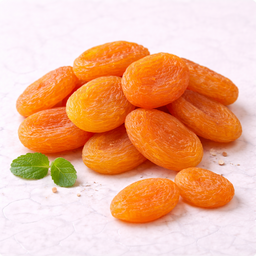
Dried Apricots
Dried fruit rich in potassium, iron and beta-carotene
What is this ingredient?
Dried apricots (Prunus armeniaca) are among the oldest dried fruits and have been used for thousands of years across the Silk Road region. Drying removes much of the water and concentrates flavor, natural sugars and minerals: 100 grams of dried apricots represents roughly the fruit amount of a much larger serving of fresh apricots.
## Rich in potassium
With 1162 mg potassium per 100 grams, dried apricots are one of the potassium-rich fruit options. Potassium contributes to the maintenance of normal blood pressure and normal muscle function. This makes dried apricots useful in dishes where you want a compact, sweet fruit element with a high mineral content.
## Plant-based iron
Dried apricots contain 2.7 mg non-heme iron per 100 grams. Pair them with vitamin C-rich ingredients such as citrus, kiwi, peppers or berries, because vitamin C increases non-heme iron absorption. In tagines, salads and breakfast bowls, that combination also works very well from a culinary point of view.
## Beta-carotene and color
The orange color mainly comes from carotenoids such as beta-carotene, a provitamin A compound. Vitamin A contributes to the maintenance of normal vision and normal skin. Unsulfured apricots are usually browner and often have a deeper, caramel-like taste, while sulfured apricots stay brighter orange.
How does it taste?
Concentrated sweet with honeyed notes, a lightly tart apricot base and a pleasant chewiness.
Pairs well with:
Pairs well with almondpistachiolambcurryyogurtorange and rosemary.
Did you know...?
- Turkey produces a large share of the dried apricots on the world market, mainly from the Malatya region.
- Apricots originally came from Central and East Asia and traveled through trade routes to the Middle East and Europe.
Nutritional Value & Energy
Per 100g
Dried Apricots provides energy thanks to natural nutrients , buffered by fiber.
Per 100g
Minerals
Vitamins
Omega-3 fatty acids
More nutrients
B-Vitamins
Trace Minerals
What's in a serving?
1 serving
Dried apricots naturally contain iron (2.7 mg per 100 g).
Dried apricots naturally contain potassium (1162 mg per 100 g).
Dried apricots naturally contain vitamin A (180 mcg per 100 g).
Dried apricots naturally contain vitamin E (4.3 mg per 100 g).
% of daily reference intake (DRI)
EU-approved nutrition claims
This ingredient contains nutrients for which EFSA-authorized health claims exist (at nutrient level, not ingredient-specific).
Approved health claims (EU)
Iron EU 432/2012
Iron contributes to normal energy-yielding metabolism
Contains 2.7mg/100g (threshold: ≥2.1mg/100g)
Iron EU 432/2012
Iron contributes to the reduction of tiredness and fatigue
Contains 2.7mg/100g (threshold: ≥2.1mg/100g)
Potassium EU 432/2012
Potassium contributes to the maintenance of normal blood pressure
Contains 1162mg/100g (threshold: ≥300mg/100g)
Vitamin_a EU 432/2012
Vitamin A contributes to the normal function of the immune system
Contains 180mcg/100g (threshold: ≥120mcg/100g)
Vitamin_a EU 432/2012
Vitamin A contributes to the maintenance of normal skin
Contains 180mcg/100g (threshold: ≥120mcg/100g)
Vitamin_a EU 432/2012
Vitamin A contributes to the maintenance of normal mucous membranes
Contains 180mcg/100g (threshold: ≥120mcg/100g)
Vitamin_a EU 432/2012
Vitamin A contributes to the maintenance of normal vision
Contains 180mcg/100g (threshold: ≥120mcg/100g)
Vitamin_a EU 432/2012
Vitamin A contributes to normal iron metabolism
Contains 180mcg/100g (threshold: ≥120mcg/100g)
Vitamin_a EU 432/2012
Vitamin A has a role in the process of cell specialisation
Contains 180mcg/100g (threshold: ≥120mcg/100g)
Vitamin_e EU 432/2012
Vitamin E contributes to the protection of cells from oxidative stress
Contains 4.3mg/100g (threshold: ≥1.8mg/100g)
Iron EU 432/2012
Iron contributes to normal cognitive function
Contains 2.7mg/100g (threshold: ≥2.1mg/100g)
Iron EU 432/2012
Iron contributes to normal formation of red blood cells and haemoglobin
Contains 2.7mg/100g (threshold: ≥2.1mg/100g)
Iron EU 432/2012
Iron contributes to normal oxygen transport in the body
Contains 2.7mg/100g (threshold: ≥2.1mg/100g)
Iron EU 432/2012
Iron contributes to the normal function of the immune system
Contains 2.7mg/100g (threshold: ≥2.1mg/100g)
Iron EU 432/2012
Iron has a role in the process of cell division
Contains 2.7mg/100g (threshold: ≥2.1mg/100g)
Potassium EU 432/2012
Potassium contributes to normal functioning of the nervous system
Contains 1162mg/100g (threshold: ≥300mg/100g)
Potassium EU 432/2012
Potassium contributes to normal muscle function
Contains 1162mg/100g (threshold: ≥300mg/100g)
Comparison
vsbanaan
Dried apricots contain about 3× more potassium per 100 g than banana.
What's being researched?
Boron and bone metabolism
The boron content in dried apricots is being studied in relation to bone metabolism. Boron may play a role in calcium retention, but the precise mechanisms are still being studied.
Supported by: [4] Rondanelli (2020)
Carotenoids and concentrated nutrients
The drying process concentrates carotenoids in dried apricots. Research looks at the stability of beta-carotene during drying and the higher nutrient density per serving.
Supported by: [3] Krinsky NI (2005) , [2] Hurrell RF (2002)
Good Combinations (Synergy)
Combine dried apricots smartly to enhance the effect:
Dried Apricots 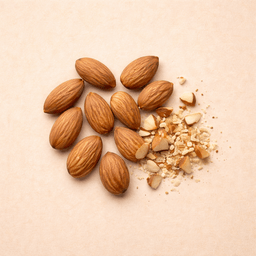 Almonds
 Vitamin E + fats increase beta-carotene absorption by 400%
Technical: Dried apricots contain 1,090μg beta-carotene per 100g (concentrated by drying), converted to vitamin A via BCO1 enzyme in enterocytes. Almonds provide 25.6mg vitamin E per 100g (171% RDI) and 49g fat. Beta-carotene is fat-soluble requiring micelle formation for absorption. Studies show fat consumption (>10g per meal) increases carotene bioavailability by 300-500%. Vitamin E protects beta-carotene from gastric oxidation.
What does this mean for you? Eat 3-4 dried apricots with a handful of almonds as snack. You absorb 4x more beta-carotene (provitamin A) for eyes, skin and immune system.
Dried Apricots 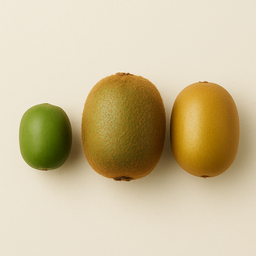 Kiwi
Kiwi Vitamin C increases iron absorption from apricots 3x
Technical: Dried apricots contain 3mg non-heme iron per 100g — concentrated through the drying process. This iron is in Fe³⁺ form with low bioavailability (5-12%). Kiwi (93mg vitamin C per 100g) and orange (53mg) reduce Fe³⁺ to Fe²⁺ recognized by DMT1 transporters in the intestinal wall. Absorption increases by 300% or more.
What does this mean for you? Combine dried apricots with fresh fruit as a snack — a few apricots with a kiwi or an orange. This is one of the simplest ways to better absorb plant-based iron, ideal for vegetarians and fatigue from iron deficiency.
Dried Apricots 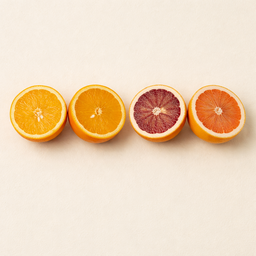 Orange
 Vitamin C increases iron absorption from apricots 3x
Technical: Dried apricots contain 3mg non-heme iron per 100g — concentrated through the drying process. This iron is in Fe³⁺ form with low bioavailability (5-12%). Kiwi (93mg vitamin C per 100g) and orange (53mg) reduce Fe³⁺ to Fe²⁺ recognized by DMT1 transporters in the intestinal wall. Absorption increases by 300% or more.
What does this mean for you? Combine dried apricots with fresh fruit as a snack — a few apricots with a kiwi or an orange. This is one of the simplest ways to better absorb plant-based iron, ideal for vegetarians and fatigue from iron deficiency.
Dried Apricots  Yogurt
 Iron + probiotics for improved iron absorption and energy
Technical: Dried apricots contain 2.7mg iron per 100g (19% RDI women) as non-heme iron, plus 1,162mg potassium (25% RDI). Yogurt provides Lactobacillus bulgaricus and S. thermophilus (10⁷-10⁹ CFU/g). Probiotics increase iron absorption by 20-30% through lactic acid production lowering gut pH and improving iron solubility. Fructose in apricots (12.6g/100g) selectively feeds probiotics via bifidogenic effect.
What does this mean for you? Chop dried apricots into Greek yogurt for an iron-rich breakfast. Probiotics help absorb iron better — perfect for iron deficiency or fatigue.
Recipes with Dried Apricots
Discover delicious recipes featuring dried apricots:
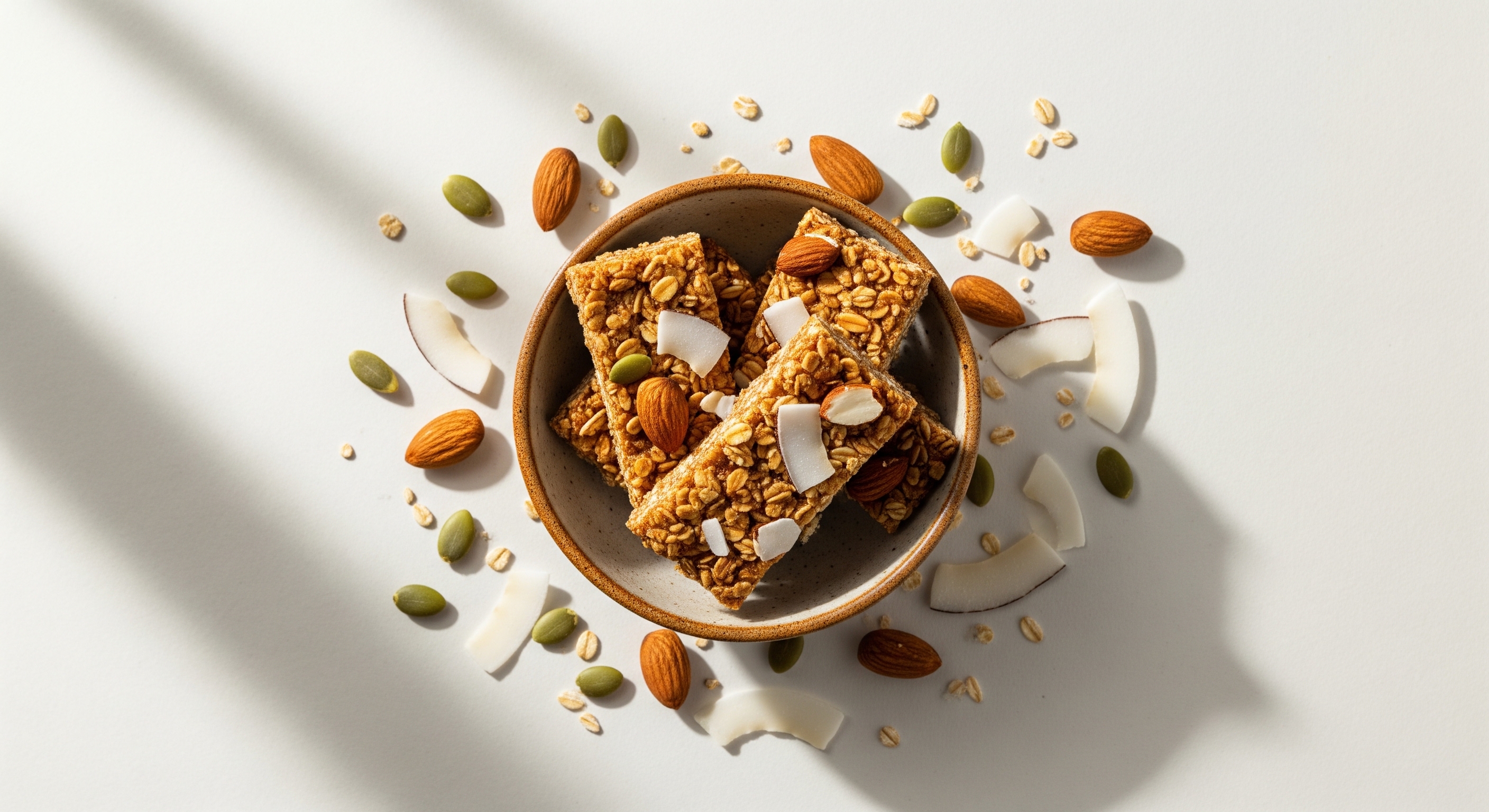 Almond-Coconut Granola Bars 40 min Crunchy, nutty and sweet from honey and apricots
  412 kcal
  10g protein 2 synergies
 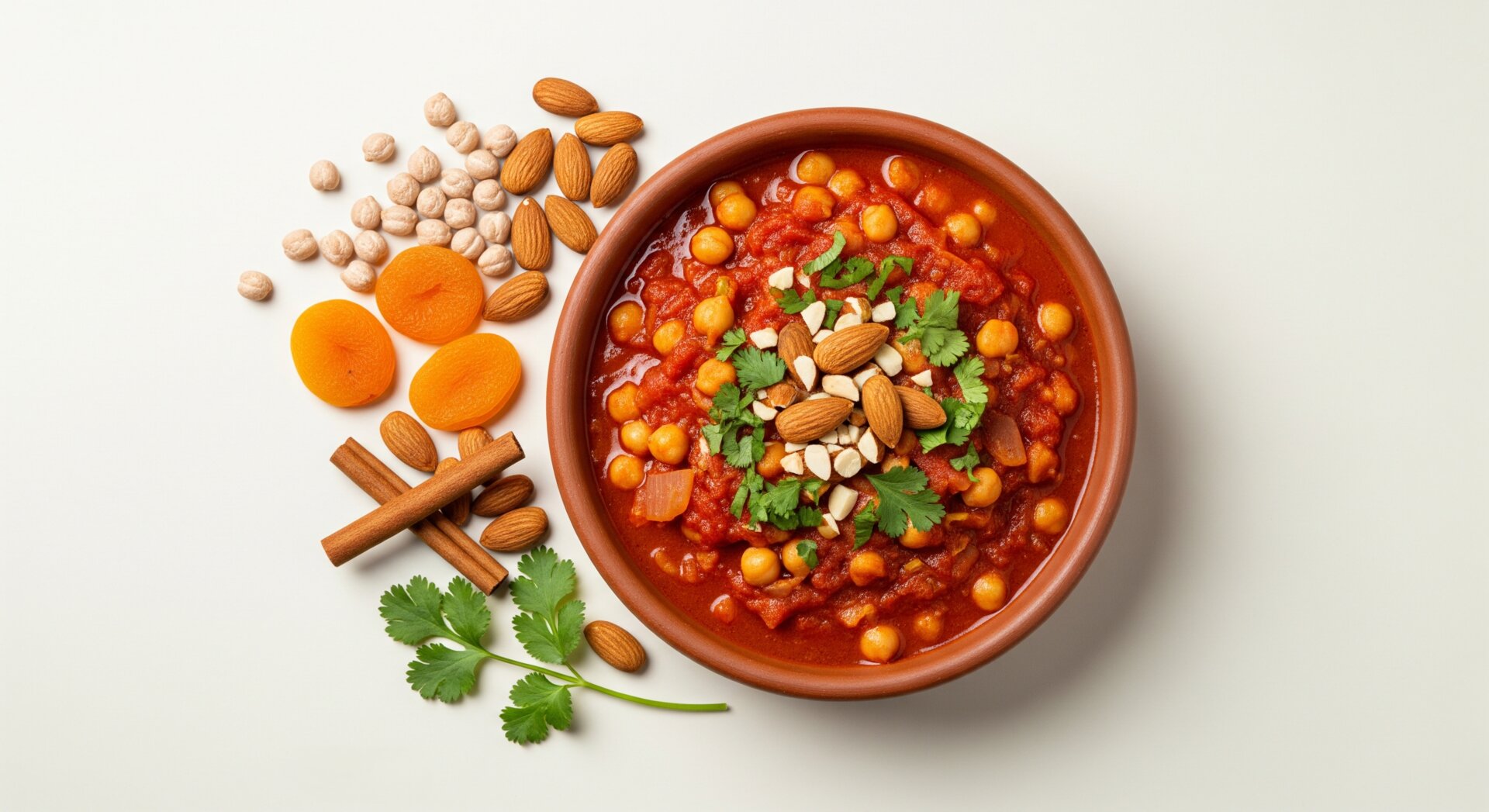 Moroccan Chickpeas with Almonds 50 min Warming stew with ras el hanout, apricots and toasted almonds 430 kcal 15g protein 2 synergies
 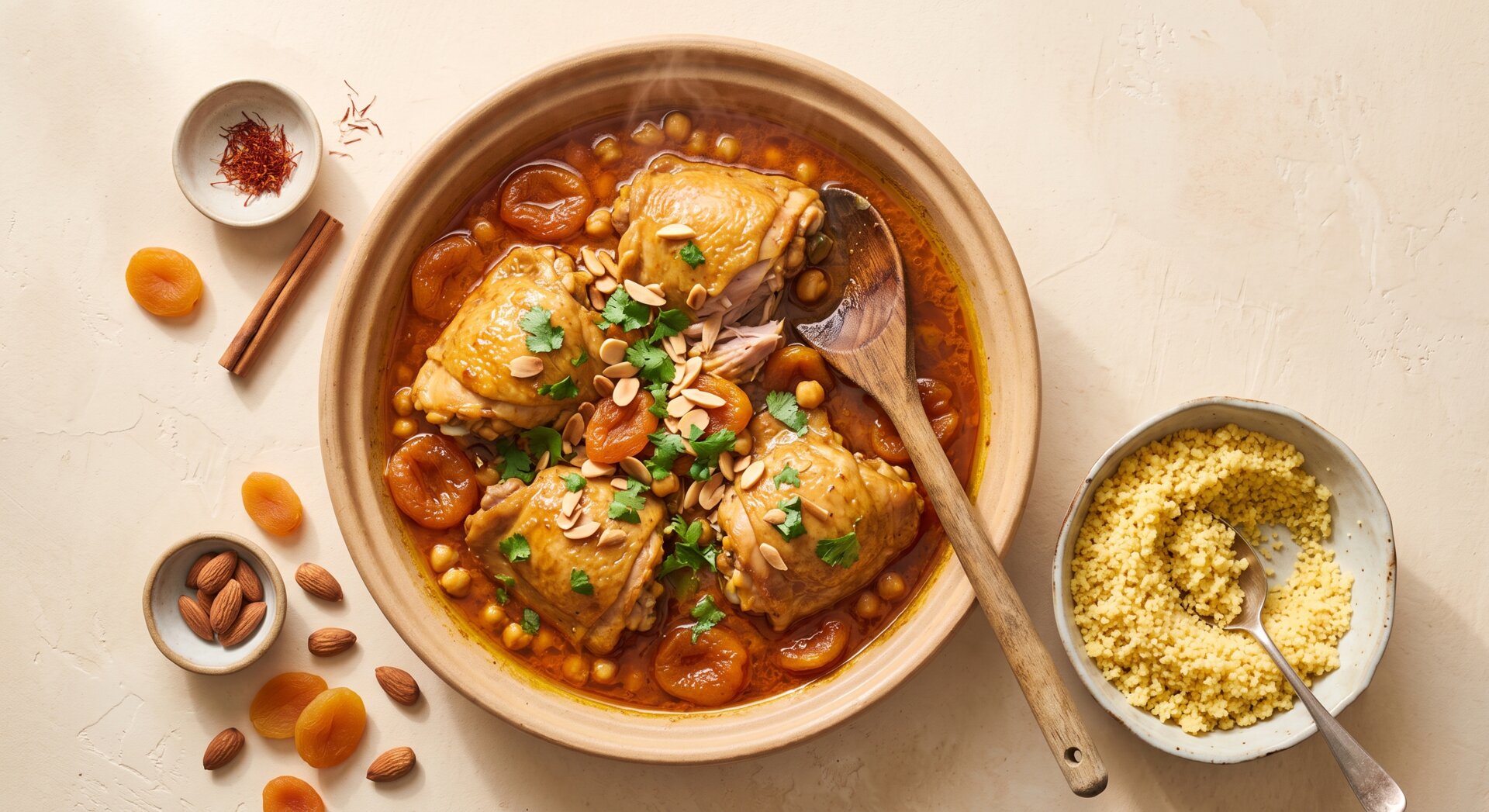 Moroccan Tagine with Chicken, Apricots and Almonds 65 min Sweet-savory stew with saffron, cinnamon and whole wheat couscous 735 kcal 39g protein 2 synergies
  In the Kitchen
Storage
Location:Pantry
Shelf life:6-12 maanden
Preparation
Eat raw as a snack, chop into oatmeal or couscous, or soak briefly before using in stews and tagines. Soaking softens the texture and distributes the sweet apricot flavor more evenly through the dish.
Conversions
Substitutes
Smart preparation
1Soak dried apricots in warm water for 1 hour before using in stews.
2Snip dried apricots into pieces with lightly oiled scissors.
Why?
A thin layer of oil on the scissors prevents the sticky flesh from sticking.
3Choose unsulfured apricots if you want a browner, less brightly colored product with a deeper flavor.
Caution / Warnings
Dried Apricots is very safe, but there are scientific considerations:
Sulfite sensitivity Moderate
Many bright-orange dried apricots contain sulfites to preserve color and shelf life.
Kidney disease or potassium restriction Moderate
Dried apricots are very high in potassium, which is relevant for people who medically need to follow a potassium restriction.
Traditional use
Other
Hunza Valley winter food
In the Karakoram region, apricots have long been dried to preserve them for the winter months. Dried apricots provide sweetness, energy and fruity flavor when fresh fruit is less available.
Traditional Chinese Medicine
Chinese fruit and culinary traditions
In Chinese food cultures, apricots are valued for their gentle sweet-tart taste, fragrant stone-fruit character and use in sweet dishes, drinks and preserved preparations.
Summary
Dried apricots are concentrated dried fruit with plenty of potassium (1162 mg per 100 g), iron, fiber and beta-carotene. They work well in tagines, breakfast bowls, salads and nut mixes.