Orange
Fresh Citrus Classic
What is this ingredient?
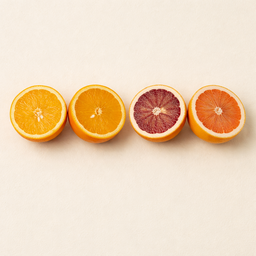
Orange is one of the most eaten citrus fruits worldwide and is often associated with vitamin C. The word “orange” is linked to older forms such as Sanskrit “naranga”, while the fruit itself originated in Southeast Asia. Botanically, the sweet orange arose from crosses within the citrus family, with pomelo and mandarin as important ancestors.
What makes orange interesting is its combination of juicy flesh, vitamin C, folate, fiber and citrus flavonoids. Hesperidin occurs mainly in citrus fruits and is found in relatively high amounts in the white pith, the albedo, just under the peel. That is why a whole orange also provides fiber and parts of the pith, while juice mainly provides fluid and natural sugars.
Vitamin C contributes to the normal function of the immune system, to normal collagen formation for the normal function of the skin and to the protection of cells from oxidative stress. Folate contributes to normal blood formation and to the normal function of the immune system. In the kitchen, orange works well in fresh salads and breakfast bowls as well as marinades, desserts and warm dishes with spices.
How does it taste?
Bright sweet-tart with a clear citrus aroma and fresh juiciness.
Pairs well with:
Pairs well with chocolatecarrotfennelcinnamon and duck.
Varieties
Valencia
Often used for juice, sweet and juicy, usually with few seeds
Navel
Seedless, easy to peel, with a recognizable “navel” at the bottom
Blood Orange
Red to purple flesh, with anthocyanins and a fresh berry-like note
Cara Cara
Pink flesh, usually sweeter and less acidic than classic navels
Did you know...?
- The word “orange” as a color is named after the orange fruit, not the other way around.
- The sweet orange arose from crosses within the citrus family, with mandarin and pomelo as important ancestors.
- Brazil is one of the largest orange producers in the world.
Nutritional Value & Energy
Per 100g
Orange is low in calories thanks to natural nutrients , buffered by fiber.
Per 100g
Minerals
Vitamins
Omega-3 fatty acids
More nutrients
B-Vitamins
Trace Minerals
Low GI means blood sugar doesn't spike quickly.
Low GL means minimal impact on your blood sugar per serving.
What's in a serving?
1 serving
Orange naturally contains folate (30 mcg per 100 g).
Orange naturally contains vitamin C (53.2 mg per 100 g).
% of daily reference intake (DRI)
EU-approved nutrition claims
This ingredient contains nutrients for which EU-authorized health claims exist at nutrient level, not specifically for the ingredient itself.
Approved health claims (EU)
Vitamin_c EU 432/2012
Vitamin C contributes to the normal function of the immune system
Contains 53.2mg/100g (threshold: ≥12mg/100g)
Vitamin_c EU 432/2012
Vitamin C contributes to the reduction of tiredness and fatigue
Contains 53.2mg/100g (threshold: ≥12mg/100g)
Vitamin_c EU 432/2012
Vitamin C contributes to normal collagen formation for the normal function of skin
Contains 53.2mg/100g (threshold: ≥12mg/100g)
Folate EU 432/2012
Folate contributes to normal blood formation
Contains 30mcg/100g (threshold: ≥30mcg/100g)
Folate EU 432/2012
Folate contributes to normal amino acid synthesis
Contains 30mcg/100g (threshold: ≥30mcg/100g)
Folate EU 432/2012
Folate contributes to normal homocysteine metabolism
Contains 30mcg/100g (threshold: ≥30mcg/100g)
Folate EU 432/2012
Folate contributes to normal psychological function
Contains 30mcg/100g (threshold: ≥30mcg/100g)
Folate EU 432/2012
Folate contributes to the normal function of the immune system
Contains 30mcg/100g (threshold: ≥30mcg/100g)
Folate EU 432/2012
Folate has a role in the process of cell division
Contains 30mcg/100g (threshold: ≥30mcg/100g)
Folate EU 432/2012
Folate contributes to maternal tissue growth during pregnancy
Contains 30mcg/100g (threshold: ≥30mcg/100g)
Vitamin_c EU 432/2012
Vitamin C contributes to normal collagen formation for the normal function of blood vessels
Contains 53.2mg/100g (threshold: ≥12mg/100g)
Vitamin_c EU 432/2012
Vitamin C contributes to normal collagen formation for the normal function of bones
Contains 53.2mg/100g (threshold: ≥12mg/100g)
Vitamin_c EU 432/2012
Vitamin C contributes to normal collagen formation for the normal function of cartilage
Contains 53.2mg/100g (threshold: ≥12mg/100g)
Vitamin_c EU 432/2012
Vitamin C contributes to normal collagen formation for the normal function of gums
Contains 53.2mg/100g (threshold: ≥12mg/100g)
Vitamin_c EU 432/2012
Vitamin C contributes to normal collagen formation for the normal function of teeth
Contains 53.2mg/100g (threshold: ≥12mg/100g)
Vitamin_c EU 432/2012
Vitamin C contributes to normal energy-yielding metabolism
Contains 53.2mg/100g (threshold: ≥12mg/100g)
Vitamin_c EU 432/2012
Vitamin C contributes to normal functioning of the nervous system
Contains 53.2mg/100g (threshold: ≥12mg/100g)
Vitamin_c EU 432/2012
Vitamin C contributes to normal psychological function
Contains 53.2mg/100g (threshold: ≥12mg/100g)
Vitamin_c EU 432/2012
Vitamin C contributes to the protection of cells from oxidative stress
Contains 53.2mg/100g (threshold: ≥12mg/100g)
Vitamin_c EU 432/2012
Vitamin C contributes to the regeneration of the reduced form of vitamin E
Contains 53.2mg/100g (threshold: ≥12mg/100g)
Vitamin_c EU 432/2012
Vitamin C increases iron absorption
Contains 53.2mg/100g (threshold: ≥12mg/100g)
Vitamin_c EU 432/2012
Vitamin C contributes to maintain the normal function of the immune system during and after intense physical exercise
Contains 53.2mg/100g (threshold: ≥12mg/100g)
What's being researched?
Vitamin C and normal immune function
The vitamin C content of oranges fits within research on normal immune function. Vitamin C contributes to the normal function of the immune system; studies on colds mainly concern vitamin C intake in general.
Supported by: [1] Carr (2017)
Hesperidin and vascular function
Hesperidin, a flavanone in citrus fruits, is being studied in relation to markers of vascular function. Clinical study results are interesting, but this is still not an ingredient-specific health claim for orange.
Supported by: [2] Verny MA (2021) , [3] Ghanim (2010)
Flavonoids and vitamin C in the whole fruit
Research compares the combination of flavonoids, vitamin C and other nutrients in citrus with isolated compounds. The whole fruit also provides fiber, which juice does not offer to the same extent.
Supported by: [4] Sanchez-Moreno (2003) , [1] Carr (2017)
Good Combinations (Synergy)
Combine orange smartly to enhance the effect:
Orange 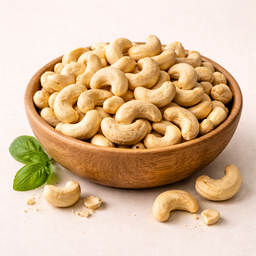 Cashew nuts
 Vitamin C increases iron absorption from cashews by 3-6x
Vitamin C significantly increases non-heme iron absorption (PMID: 2507689)
Technical: Cashew nuts contain 6.7mg non-heme iron per 100g (37% RDA) — highest of all nuts. Non-heme iron is normally poorly absorbed (5-15%). Vitamin C from orange (53mg, 66% RDA) reduces Fe³⁺ to Fe²⁺, the better absorbable form, and prevents phytate binding. This increases iron absorption 3-6x.
What does this mean for you? Eat cashews with an orange as a snack, or add citrus dressing to cashew salads. Especially important for vegetarians: you'll absorb 3-6x more iron from your nuts.
Orange 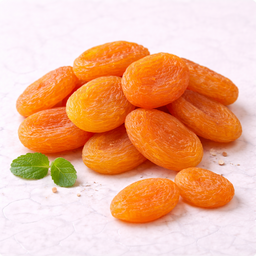 Dried Apricots
 Vitamin C increases iron absorption from apricots 3x
Technical: Dried apricots contain 3mg non-heme iron per 100g — concentrated through the drying process. This iron is in Fe³⁺ form with low bioavailability (5-12%). Kiwi (93mg vitamin C per 100g) and orange (53mg) reduce Fe³⁺ to Fe²⁺ recognized by DMT1 transporters in the intestinal wall. Absorption increases by 300% or more.
What does this mean for you? Combine dried apricots with fresh fruit as a snack — a few apricots with a kiwi or an orange. This is one of the simplest ways to better absorb plant-based iron, ideal for vegetarians and fatigue from iron deficiency.
Orange 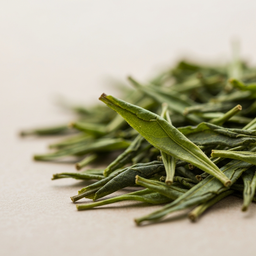 Green Tea
 Vitamin C stabilizes catechins and increases antioxidant action
Citrus fruit additives significantly increase catechin bioavailability (PMID: 17710970)
Technical: Green tea contains EGCG (epigallocatechin gallate), a potent antioxidant. EGCG is unstable and quickly breaks down in the gut. Vitamin C from orange (53mg/100g) stabilizes EGCG by preventing oxidation, allowing up to 5x more to reach the bloodstream. The acidic environment (citric acid) enhances this effect. Citrus juice significantly increases the bioavailability of tea polyphenols.
What does this mean for you? Add a slice of orange or splash of orange juice to your green tea. Or drink a glass of orange juice with your tea. The vitamin C ensures you benefit much more from the antioxidants in the tea. A simple trick that significantly boosts the nutritional value.
Orange 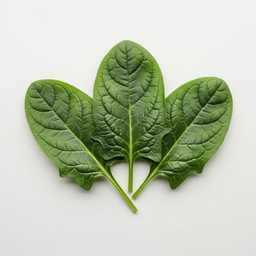 Spinach
 Vitamin C from orange increases iron absorption from spinach up to 6x
Vitamin C significantly increases non-heme iron absorption (PMID: 2507689)
Technical: Orange contains 53mg vitamin C per 100g (88% RDI). Spinach contains 2.7mg non-heme iron per 100g, but this iron (Fe³⁺) is poorly absorbed (only 2-10%). Vitamin C reduces Fe³⁺ to Fe²⁺, the form your gut can absorb. Studies show 3-6x higher iron absorption when combined with vitamin C.
What does this mean for you? Add orange segments to your spinach salad, or drink fresh orange juice with your meal containing leafy greens. This is a simple way to get more iron from your diet.
Recipes with Orange
Discover delicious recipes featuring orange:
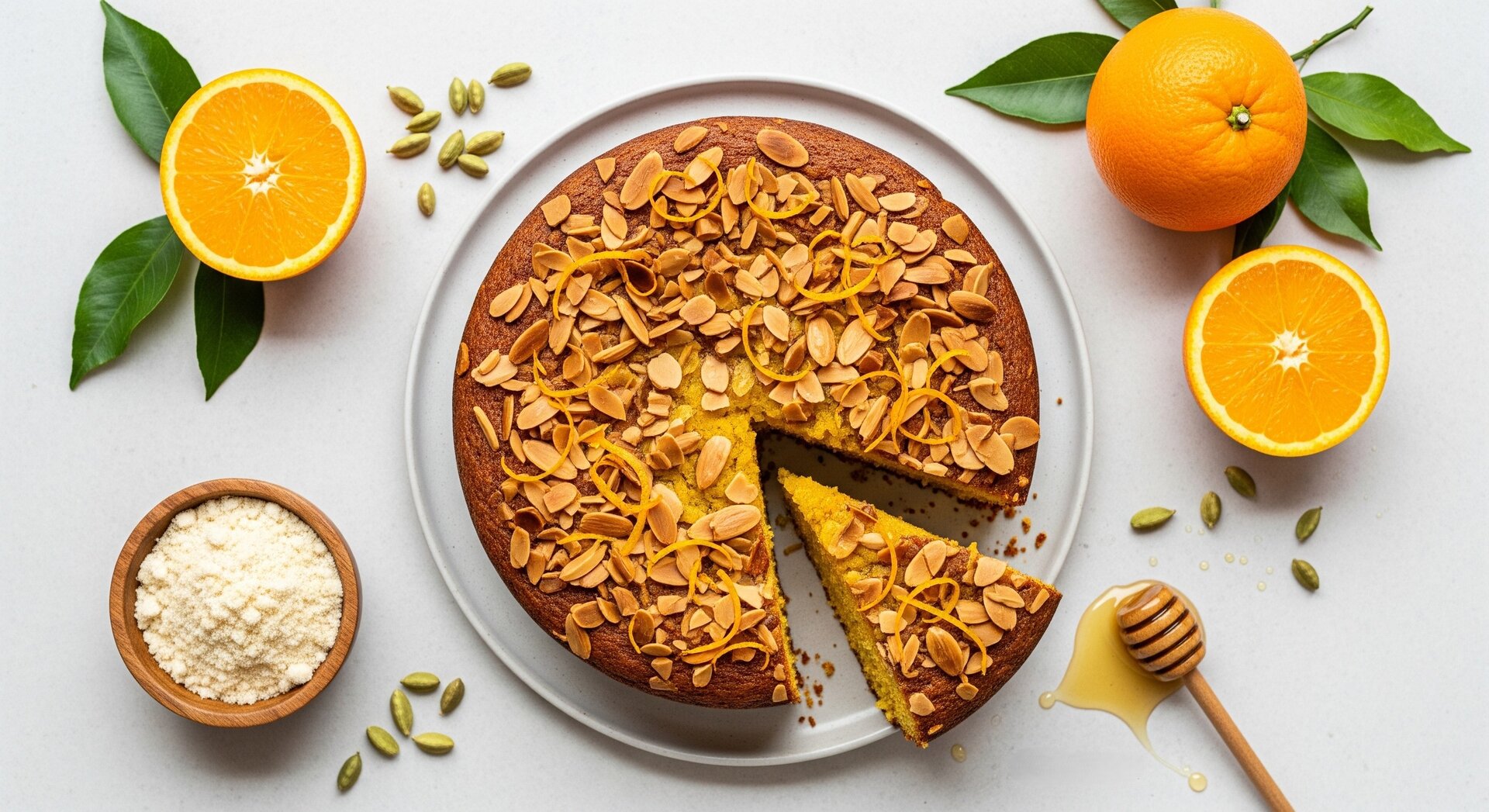 Almond Flour Orange Cake with Cardamom 55 min Fluffy gluten-free cake with fresh orange and aromatic cardamom
  241 kcal
  7g protein 1 synergies
 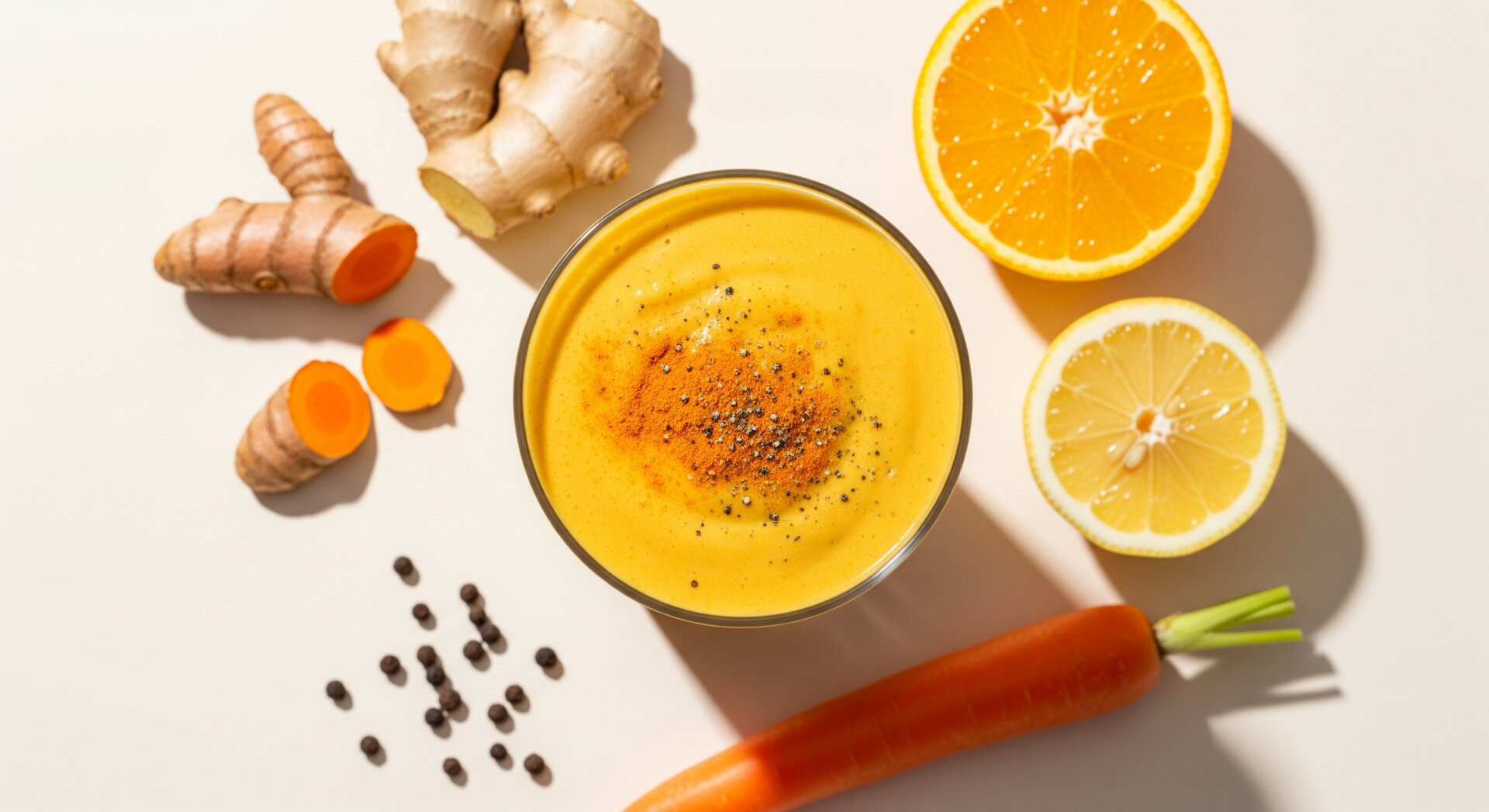 Golden Turmeric-Ginger Smoothie 5 min Bright orange smoothie with turmeric, ginger, carrot and mango 280 kcal 4g protein 3 synergies
 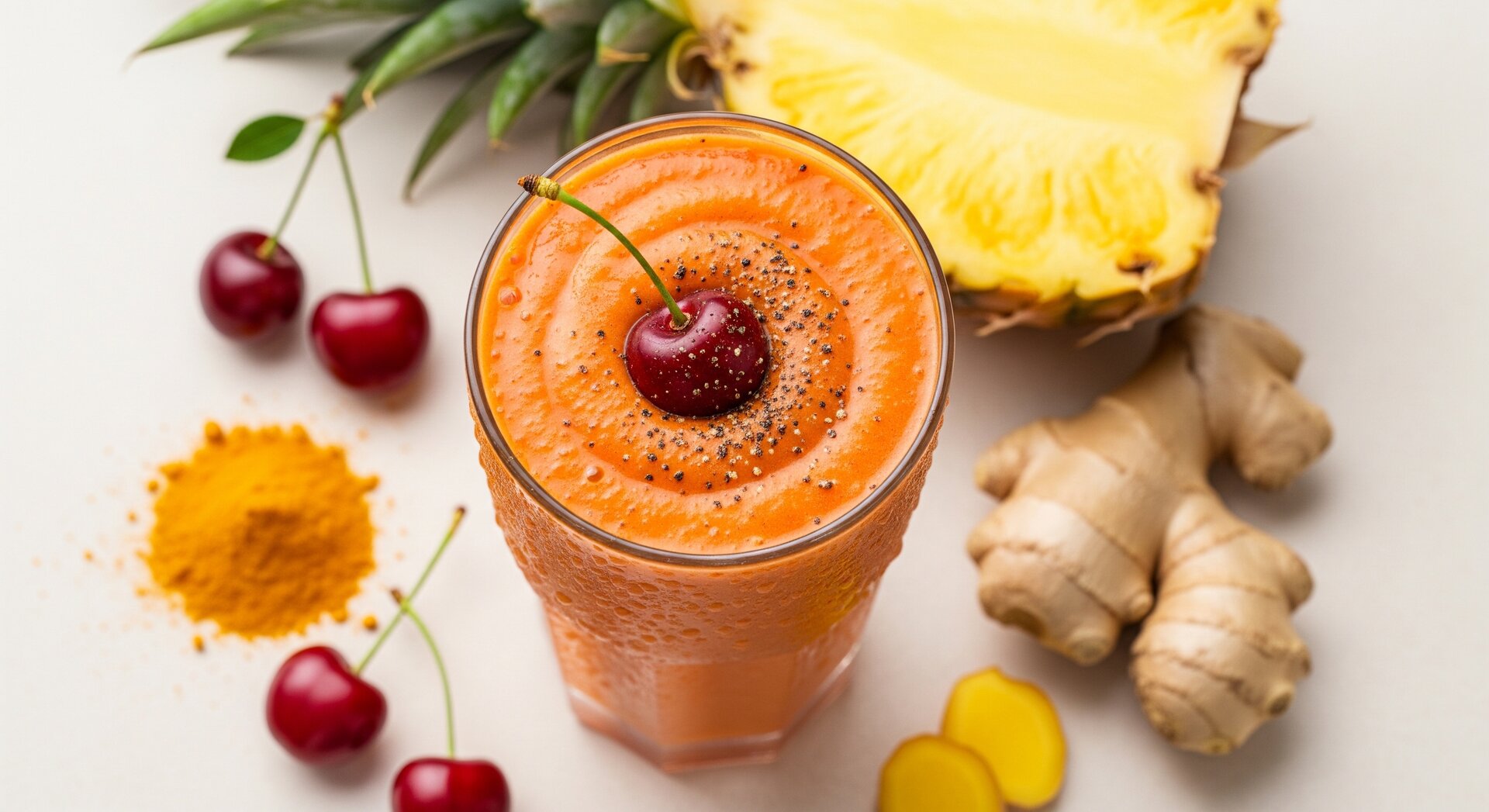 Turmeric Ginger Cherry Smoothie 5 min Spiced smoothie with turmeric, ginger, tart cherries and pineapple 362 kcal 16g protein 2 synergies
 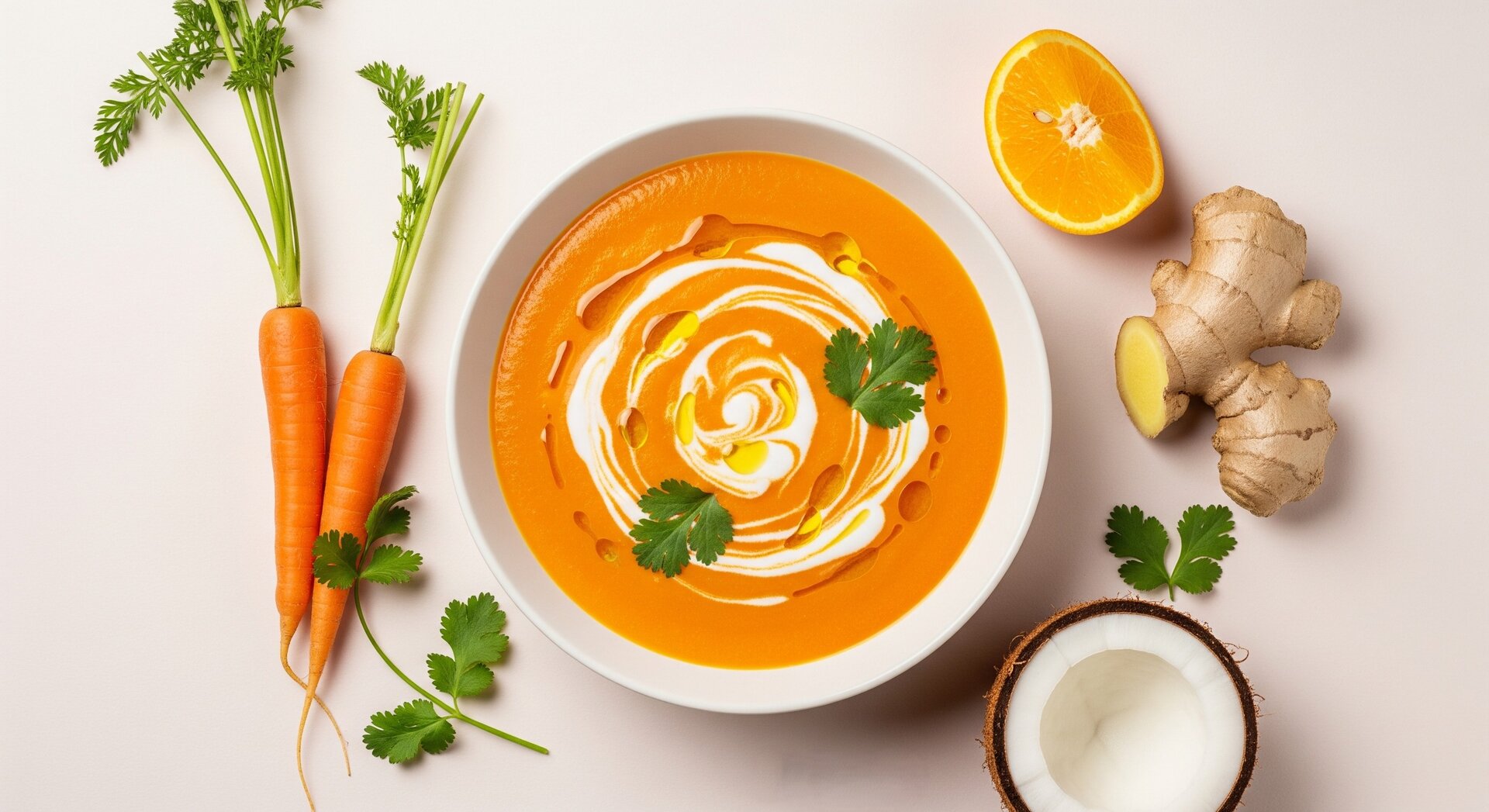 Moroccan Carrot Soup with Ginger and Curry Spices 40 min Creamy orange soup with carrot, ginger, turmeric, cumin and coconut milk 223 kcal 3g protein 3 synergies
 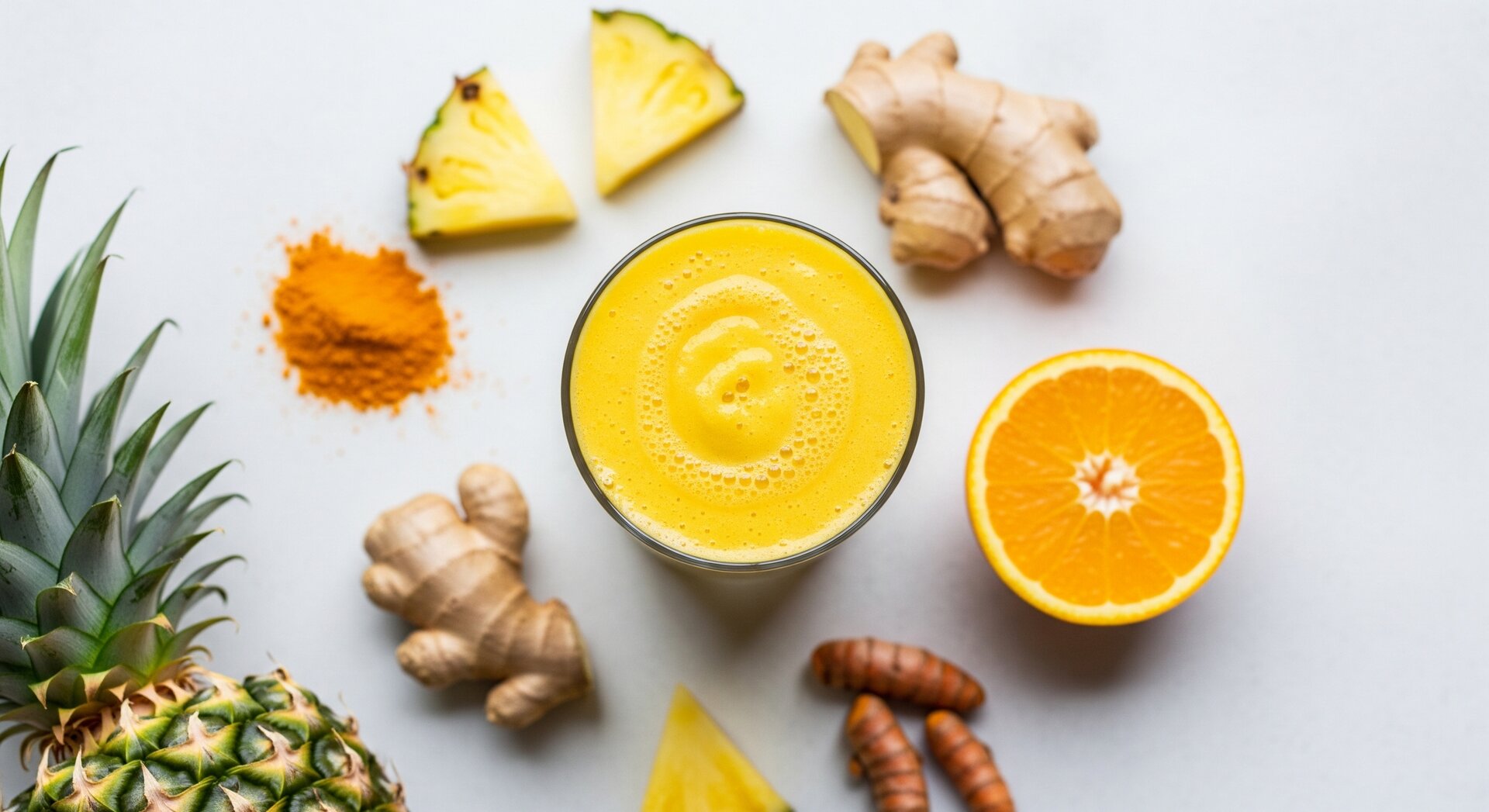 Tropical Pineapple-Ginger Smoothie 5 min Fresh tropical smoothie with pineapple, mango, ginger and turmeric 237 kcal 4g protein 1 synergies
 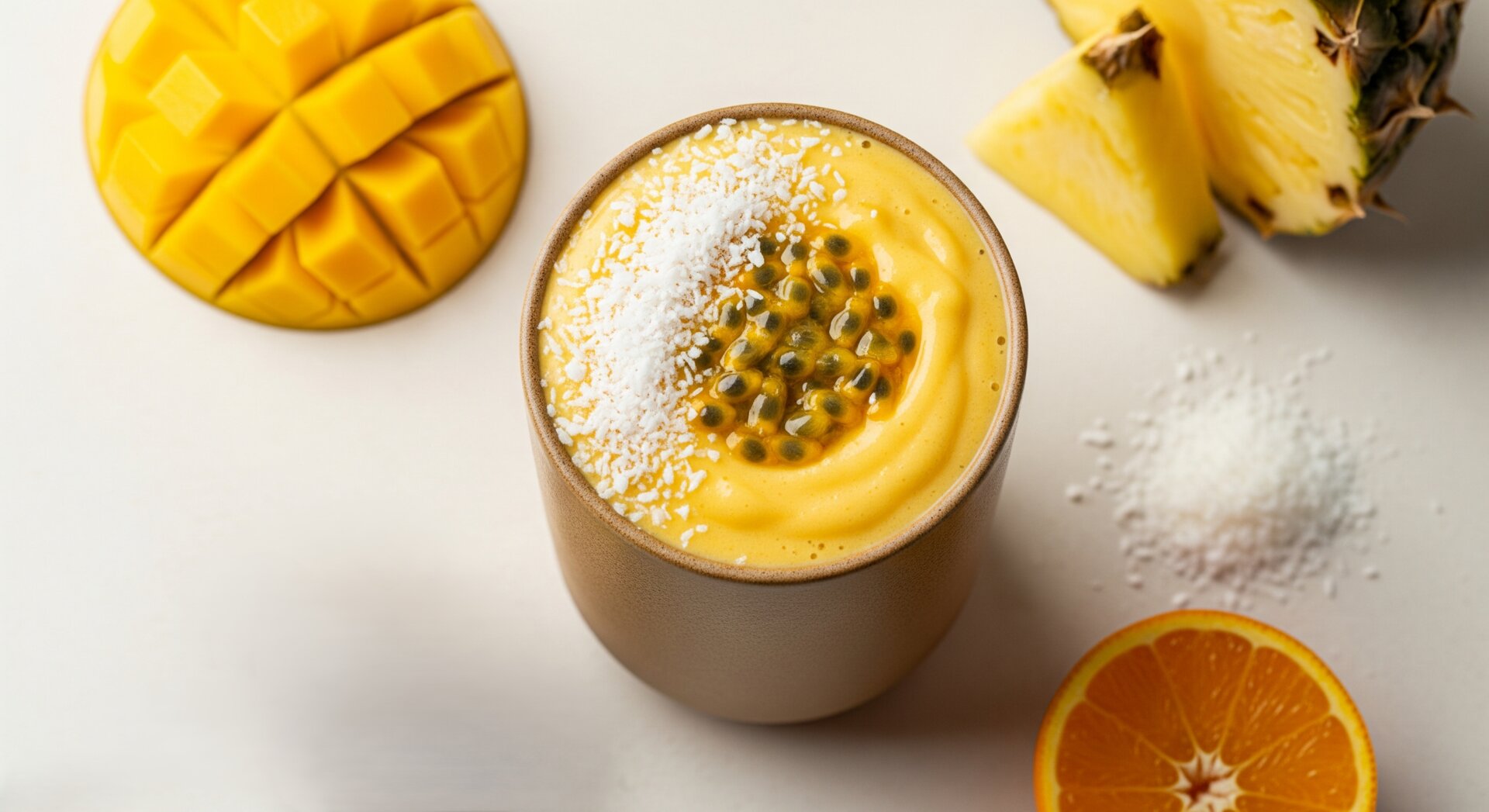 Tropical Fruit Smoothie 5 min Sunny mix of mango, pineapple, passion fruit and coconut 380 kcal 5g protein 2 synergies
  In the Kitchen
Storage
Location:Pantry
Shelf life:1 week (kamertemperatuur), 2-3 weken (koelkast)
Store oranges for a few days at room temperature or longer in the refrigerator drawer. Roll them firmly on the counter before squeezing for more juice. Use organic peel as zest and freeze grated peel if needed. Fresh juice tastes best the same day.
Preparation
Eat raw with as much of the white pith as you like if you want extra fiber and citrus flavonoids. Peeling: cut off the top, score the peel vertically and pull it away. Use segments in salads, breakfast bowls and desserts, or squeeze shortly before serving. Pair with iron-rich plant ingredients such as spinach or legumes, because vitamin C increases iron absorption. Use organic zest for marinades, baking and dressings.
Conversions
Substitutes
Smart preparation
1Roll an orange with gentle pressure on the counter before squeezing it.
2Use a microplane for fine zest and avoid the bitter white pith.
3Supreme oranges by cutting away the peel and membranes.
Why?
This gives you juicy segments without tough or bitter membranes.
Caution / Warnings
Orange is very safe, but there are scientific considerations:
Use of blood pressure medication Moderate
High intake of orange juice or concentrated citrus flavonoids may require extra caution if you use blood pressure medication.
Advice:
Usually keep to normal food portions. Consult your doctor or pharmacist if you drink large amounts of juice daily or use citrus flavonoid supplements.
Acid reflux / GERD Mild
Citric acid can trigger heartburn or reflux symptoms in sensitive people. Juice is often more noticeable than the whole fruit.
Advice:
Avoid orange on an empty stomach if it gives you symptoms. Prefer the whole fruit and eat it with or after a meal.
Tooth enamel Mild
The acids in citrus can temporarily soften tooth enamel, especially when sipping juice often.
Advice:
Rinse your mouth with water after eating or drinking. Wait about 30 minutes before brushing.
Traditional use
Traditional Chinese Medicine
Chinese Chen Pi (dried peel)
Dried orange peel, Chen Pi, has been used for centuries in Chinese culinary and herbal traditions. The dried peel gives an aromatic, slightly bitter citrus note to tea, broth and stews.
Ayurveda
Ayurvedic citrus in the kitchen
In Ayurvedic food cultures, orange is valued as a juicy, sweet-tart fruit. It is often eaten fresh or used to give dishes a fresh citrus balance.
Summary
Orange is a fresh citrus fruit with plenty of vitamin C and folate. A whole orange provides not only juice but also fiber and white pith, where citrus flavonoids such as hesperidin are found. Vitamin C contributes to the normal function of the immune system and increases iron absorption. Prefer the whole fruit over juice when you want more fiber. With reflux or sensitive tooth enamel, rinsing with water and watching portions is useful.