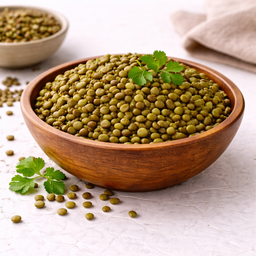
Green Lentils
The French Pearl
What is this ingredient?
Green lentils (such as Puy lentils) are prized because they stay firm and don’t turn mushy like red lentils. That makes them ideal for salads and meal prep. They provide plenty of fiber and plant protein, plus folate and iron. With a low glycemic index, they deliver steady energy with fewer blood sugar spikes. Tip: simmer with bay/thyme and salt at the end for the best texture.
How does it taste?
Earthy and peppery with a firm texture that holds together well.
Pairs well with:
Pairs well with bay leafcarrotonionmustard and red wine vinegar.
Did you know...?
- French Puy lentils from Le Puy-en-Velay have an AOC designation, just like wine.
- In the Book of Genesis, Esau sold his birthright for a bowl of lentil soup.
Nutritional Value & Energy
Per 100g
Green Lentils provides energy thanks to natural nutrients , buffered by fiber.
Per 100g
Minerals
Vitamins
Omega-3 fatty acids
More nutrients
B-Vitamins
Trace Minerals
Low GI means blood sugar doesn't spike quickly.
What's in a serving?
1 serving (dry)
Green Lentils naturally contains iron (3.3 mg per 100 g).
Green Lentils naturally contains folate (181 mcg per 100 g).
Green Lentils naturally contains manganese (0.5 mg per 100 g).
Green Lentils naturally contains phosphorus (180 mg per 100 g).
Green Lentils naturally contains potassium (369 mg per 100 g).
Green Lentils naturally contains copper (0.3 mg per 100 g).
% of daily reference intake (DRI)
EU-approved nutrition claims
This ingredient contains nutrients for which EFSA-authorized health claims exist (at nutrient level, not ingredient-specific).
Approved health claims (EU)
Iron EU 432/2012
Iron contributes to normal energy-yielding metabolism
Contains 3.3mg/100g (threshold: ≥2.1mg/100g)
Iron EU 432/2012
Iron contributes to the reduction of tiredness and fatigue
Contains 3.3mg/100g (threshold: ≥2.1mg/100g)
Potassium EU 432/2012
Potassium contributes to the maintenance of normal blood pressure
Contains 369mg/100g (threshold: ≥300mg/100g)
Folate EU 432/2012
Folate contributes to normal blood formation
Contains 181mcg/100g (threshold: ≥30mcg/100g)
Folate EU 432/2012
Folate contributes to normal amino acid synthesis
Contains 181mcg/100g (threshold: ≥30mcg/100g)
Folate EU 432/2012
Folate contributes to normal homocysteine metabolism
Contains 181mcg/100g (threshold: ≥30mcg/100g)
Folate EU 432/2012
Folate contributes to normal psychological function
Contains 181mcg/100g (threshold: ≥30mcg/100g)
Folate EU 432/2012
Folate contributes to the normal function of the immune system
Contains 181mcg/100g (threshold: ≥30mcg/100g)
Folate EU 432/2012
Folate has a role in the process of cell division
Contains 181mcg/100g (threshold: ≥30mcg/100g)
Folate EU 432/2012
Folate contributes to maternal tissue growth during pregnancy
Contains 181mcg/100g (threshold: ≥30mcg/100g)
Phosphorus EU 432/2012
Phosphorus contributes to normal energy-yielding metabolism
Contains 180mg/100g (threshold: ≥105mg/100g)
Phosphorus EU 432/2012
Phosphorus contributes to the normal function of cell membranes
Contains 180mg/100g (threshold: ≥105mg/100g)
Phosphorus EU 432/2012
Phosphorus contributes to the maintenance of normal bones
Contains 180mg/100g (threshold: ≥105mg/100g)
Phosphorus EU 432/2012
Phosphorus contributes to the maintenance of normal teeth
Contains 180mg/100g (threshold: ≥105mg/100g)
Iron EU 432/2012
Iron contributes to normal cognitive function
Contains 3.3mg/100g (threshold: ≥2.1mg/100g)
Iron EU 432/2012
Iron contributes to normal formation of red blood cells and haemoglobin
Contains 3.3mg/100g (threshold: ≥2.1mg/100g)
Iron EU 432/2012
Iron contributes to normal oxygen transport in the body
Contains 3.3mg/100g (threshold: ≥2.1mg/100g)
Iron EU 432/2012
Iron contributes to the normal function of the immune system
Contains 3.3mg/100g (threshold: ≥2.1mg/100g)
Iron EU 432/2012
Iron has a role in the process of cell division
Contains 3.3mg/100g (threshold: ≥2.1mg/100g)
Copper EU 432/2012
Copper contributes to the maintenance of normal connective tissues
Contains 0.3mg/100g (threshold: ≥0.15mg/100g)
Copper EU 432/2012
Copper contributes to normal energy-yielding metabolism
Contains 0.3mg/100g (threshold: ≥0.15mg/100g)
Copper EU 432/2012
Copper contributes to normal functioning of the nervous system
Contains 0.3mg/100g (threshold: ≥0.15mg/100g)
Copper EU 432/2012
Copper contributes to normal hair pigmentation
Contains 0.3mg/100g (threshold: ≥0.15mg/100g)
Copper EU 432/2012
Copper contributes to normal iron transport in the body
Contains 0.3mg/100g (threshold: ≥0.15mg/100g)
Copper EU 432/2012
Copper contributes to normal skin pigmentation
Contains 0.3mg/100g (threshold: ≥0.15mg/100g)
Copper EU 432/2012
Copper contributes to the normal function of the immune system
Contains 0.3mg/100g (threshold: ≥0.15mg/100g)
Copper EU 432/2012
Copper contributes to the protection of cells from oxidative stress
Contains 0.3mg/100g (threshold: ≥0.15mg/100g)
Manganese EU 432/2012
Manganese contributes to normal energy-yielding metabolism
Contains 0.5mg/100g (threshold: ≥0.3mg/100g)
Manganese EU 432/2012
Manganese contributes to the maintenance of normal bones
Contains 0.5mg/100g (threshold: ≥0.3mg/100g)
Manganese EU 432/2012
Manganese contributes to the normal formation of connective tissue
Contains 0.5mg/100g (threshold: ≥0.3mg/100g)
Manganese EU 432/2012
Manganese contributes to the protection of cells from oxidative stress
Contains 0.5mg/100g (threshold: ≥0.3mg/100g)
Potassium EU 432/2012
Potassium contributes to normal functioning of the nervous system
Contains 369mg/100g (threshold: ≥300mg/100g)
Potassium EU 432/2012
Potassium contributes to normal muscle function
Contains 369mg/100g (threshold: ≥300mg/100g)
What's being researched?
Green lentils and blood pressure
The effects of pulses including green lentils on blood pressure are being studied in multiple clinical trials. Preliminary evidence suggests modest blood pressure-related associations with regular consumption.
Supported by: [1] Erickson J (2016) , [2] Multescu M (2024)
Green lentils and prebiotic fiber
The high resistant starch and oligosaccharide content in green lentils is being studied for prebiotic effects. Studies show stimulation of bifidobacteria and lactobacilli in the gut microbiome.
Supported by: [1] Erickson J (2016) , [2] Multescu M (2024)
Good Combinations (Synergy)
Combine green lentils smartly to enhance the effect:
Green Lentils 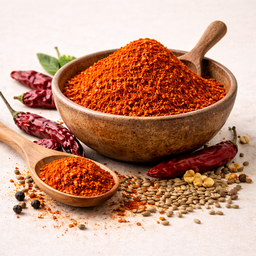 Berbere
 Ethiopian misir wot with optimal nutrient absorption
Technical: Berbere is an Ethiopian spice blend with turmeric (curcumin), ginger (gingerol) and chili pepper (capsaicin). Turmeric and ginger modulate NF-kB signaling pathways. Green lentils contain 6.5mg non-heme iron per 100g. Capsaicin increases gastrointestinal blood flow, promoting iron absorption.
What does this mean for you? Misir wot (lentil stew with berbere) is one of the most nutritious dishes worldwide. The spices improve iron absorption from the lentils — authentically Ethiopian and nutritionally smart.
Green Lentils 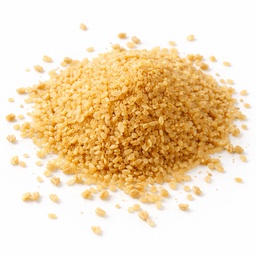 Bulgur
 Complete protein combination in classic mujadara
Technical: Green lentils contain 9g protein per 100g (cooked) with high lysine content but low methionine. Bulgur (cracked wheat) provides methionine and cysteine. The combination forms a complete amino acid profile. Additionally, lentils provide soluble fiber, while bulgur contributes insoluble fiber for intestinal transit. This is the basis of Mujadara, an ancient Middle Eastern dish.
What does this mean for you? Cook green lentils with bulgur and caramelized onions for authentic Mujadara. This dish provides complete proteins and is one of the cheapest, most nutritious meals in the world — a Biblical and Quranic dish for good reason.
Green Lentils 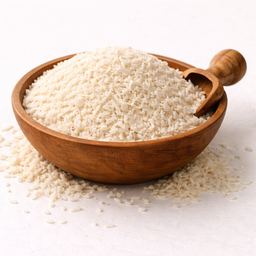 Rice
Rice Complete protein combination in classic mujadara
Technical: Green lentils contain 9g protein per 100g (cooked) with high lysine content but low methionine. Bulgur (cracked wheat) provides methionine and cysteine. The combination forms a complete amino acid profile. Additionally, lentils provide soluble fiber, while bulgur contributes insoluble fiber for intestinal transit. This is the basis of Mujadara, an ancient Middle Eastern dish.
What does this mean for you? Cook green lentils with bulgur and caramelized onions for authentic Mujadara. This dish provides complete proteins and is one of the cheapest, most nutritious meals in the world — a Biblical and Quranic dish for good reason.
Green Lentils 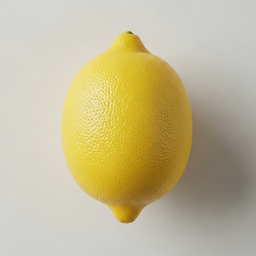 Lemon
Lemon 3x better iron absorption through vitamin C
Technical: Green lentils contain 3.3mg non-heme iron per 100g (cooked) plus phytic acid that inhibits absorption. Lemon provides 53mg vitamin C per 100g that fulfills three crucial functions: (1) Fe³⁺ → Fe²⁺ reduction, (2) formation of soluble iron-ascorbate chelates, (3) neutralization of phytate inhibition. Studies show a 300% increase in iron absorption.
What does this mean for you? Always squeeze half a lemon over your lentil soup or salad just before eating. Vitamin C works best when consumed simultaneously with iron. A simple habit that triples your iron absorption.
Green Lentils 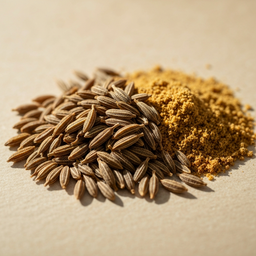 Cumin
Cumin Traditional dal combination: iron + enzymes
Technical: Lentils contain 6-8mg iron per 100g and oligosaccharides that cause gas. Cumin contains thymoquinone and cuminaldehyde that activate pancreatic enzymes and work carminatively (reduce gas formation). In Ayurveda this combination is standard.
What does this mean for you? Toast cumin seeds in oil before adding lentils, or sprinkle ground cumin over your dal. This makes lentils more digestible and gives authentic Indian flavor.
Green Lentils 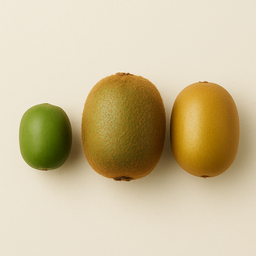 Kiwi
Kiwi Kiwi's vitamin C makes the iron from lentils much more absorbable
Vitamin C overcomes phytate inhibition of iron absorption (PMID: 2507689)
Technical: Lentils are an iron powerhouse (6-8mg per 100g cooked), but also contain phytate that blocks iron absorption. Kiwi's extremely high vitamin C (93mg/100g) overcomes this problem: it reduces Fe³⁺ to Fe²⁺ and forms soluble chelates that bypass phytate binding. The combination increases iron absorption by 300-600%.
What does this mean for you? Eat a kiwi as dessert after your lentil soup or salad. This is a simple trick to get much more iron from your meal — without supplements. Ideal if you eat vegetarian or often feel tired.
Recipes with Green Lentils
Discover delicious recipes featuring green lentils:
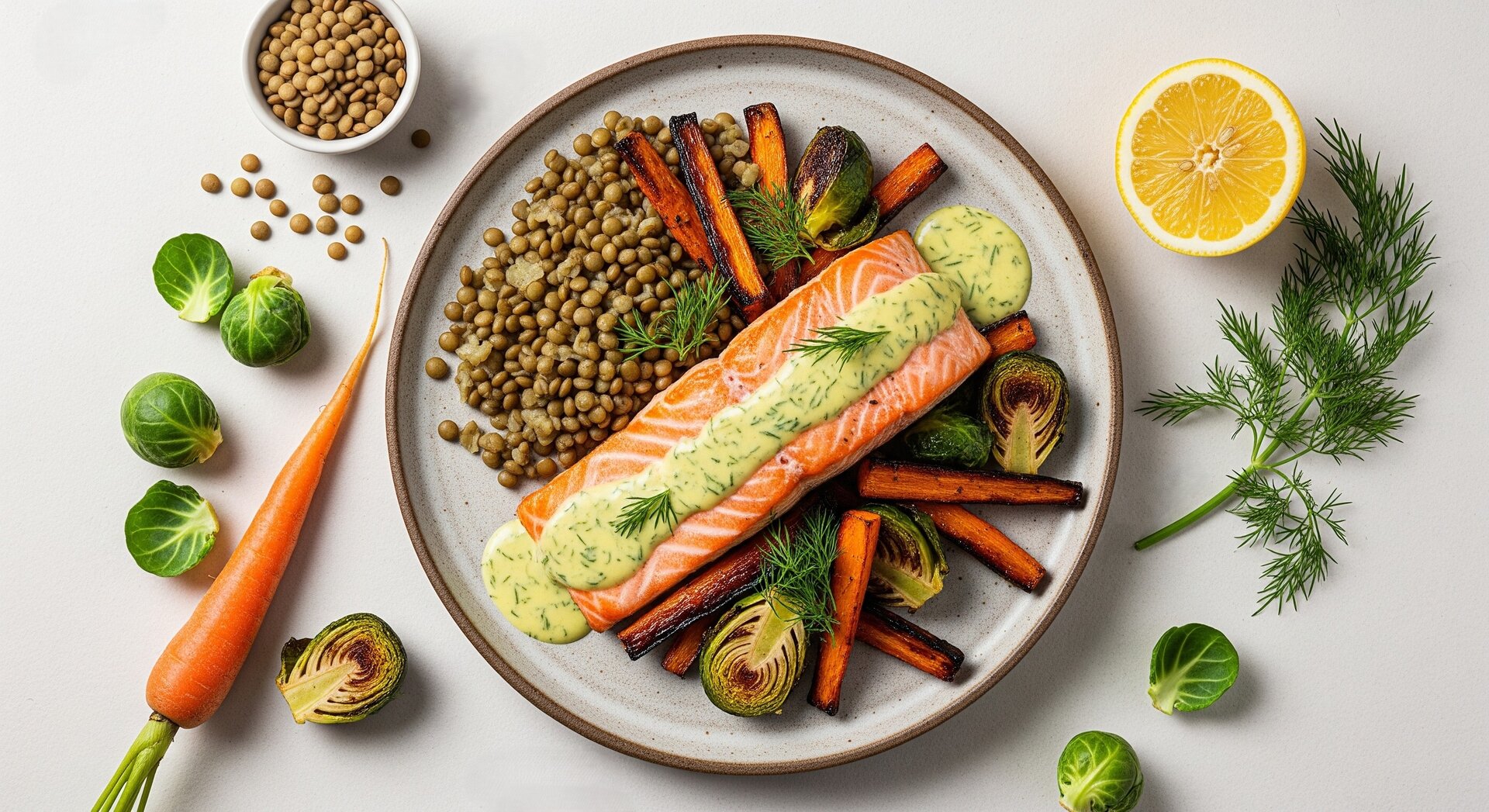 Baked Salmon with Lentils and Roasted Vegetables 45 min Omega-3 rich salmon with green lentils and roasted seasonal vegetables
  659 kcal
  45g protein 2 synergies
 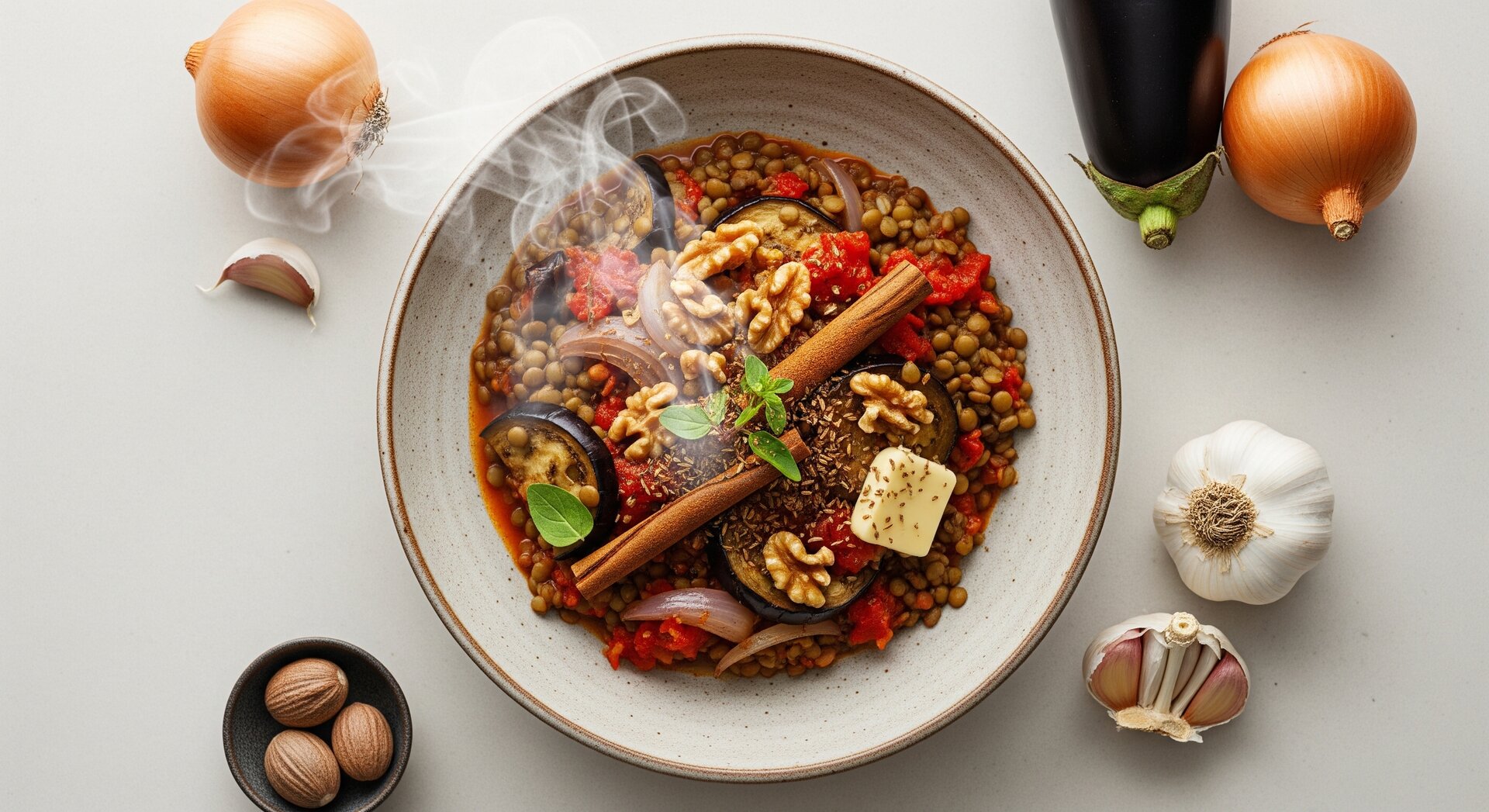 Greek Moussaka-Style Bowl with Lentils & Walnuts 50 min Eggplant, lentils and béchamel sauce in a warming bowl 658 kcal 28g protein 1 synergies
 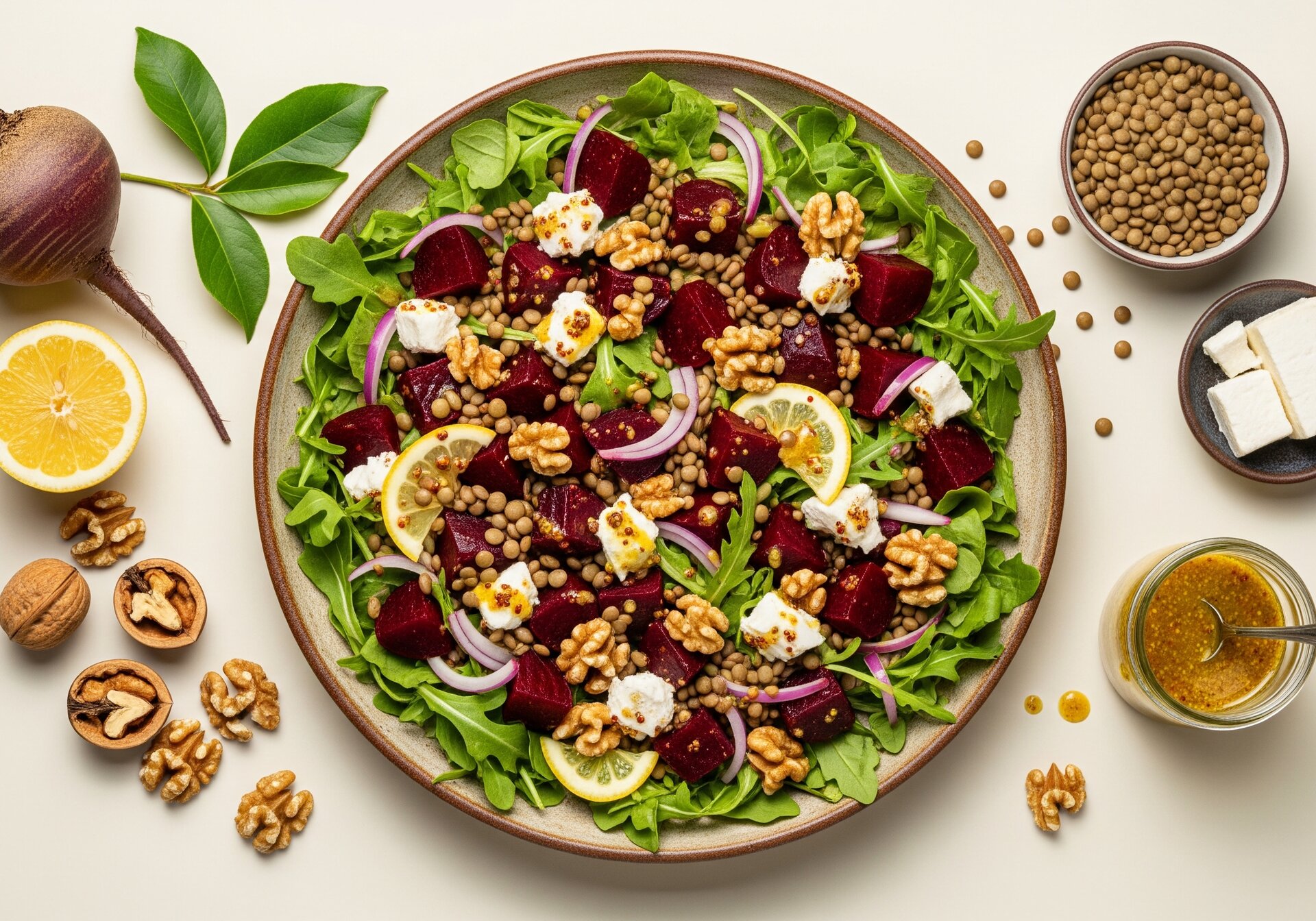 Lentil Beet Salad 60 min Hearty salad with lentils, roasted beets and goat cheese 380 kcal 18g protein 1 synergies
 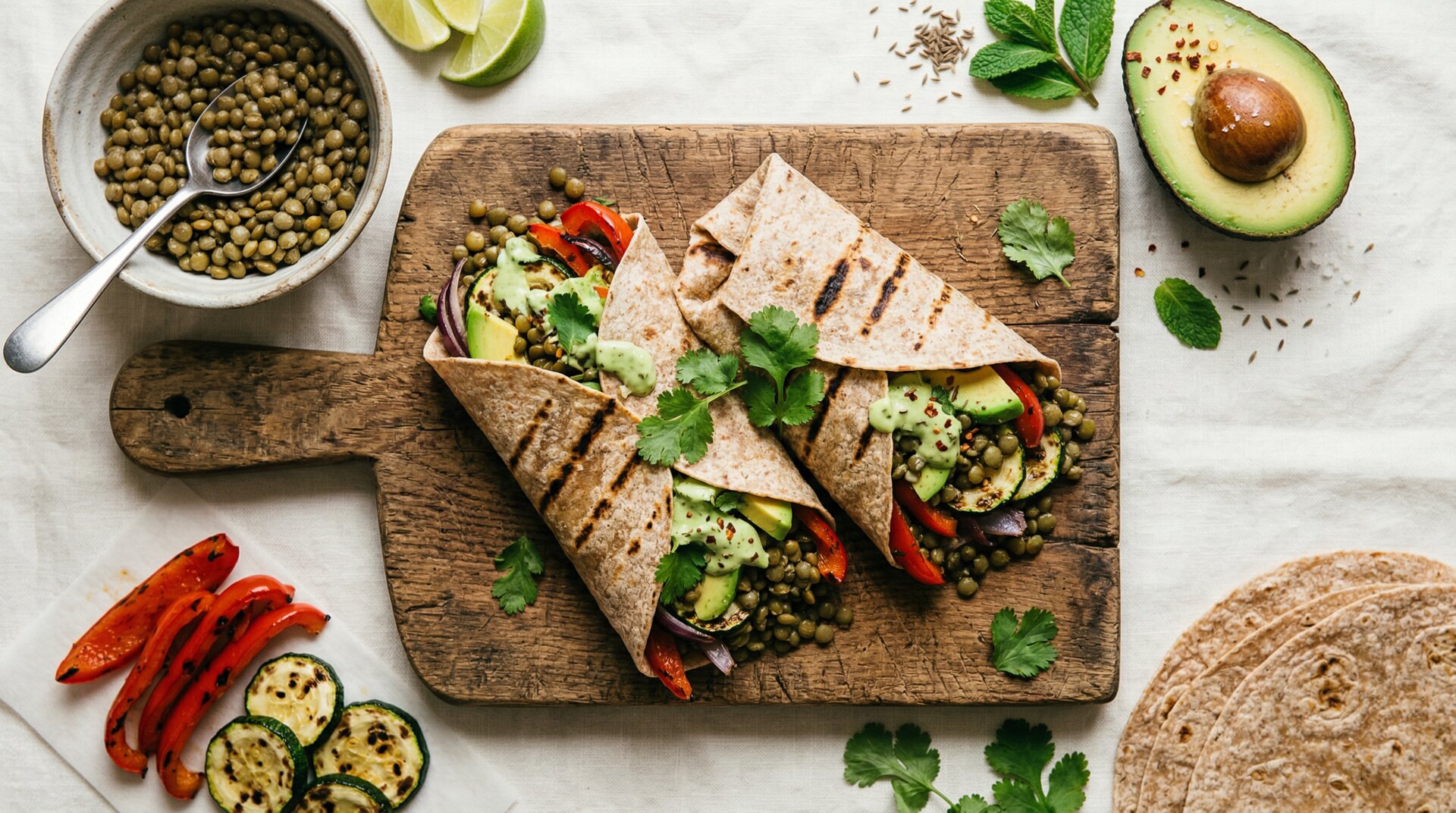 Lentil Avocado Wraps with Grilled Vegetables 30 min Vegan wrap with green lentils, creamy avocado and grilled vegetables 600 kcal 24g protein 2 synergies
 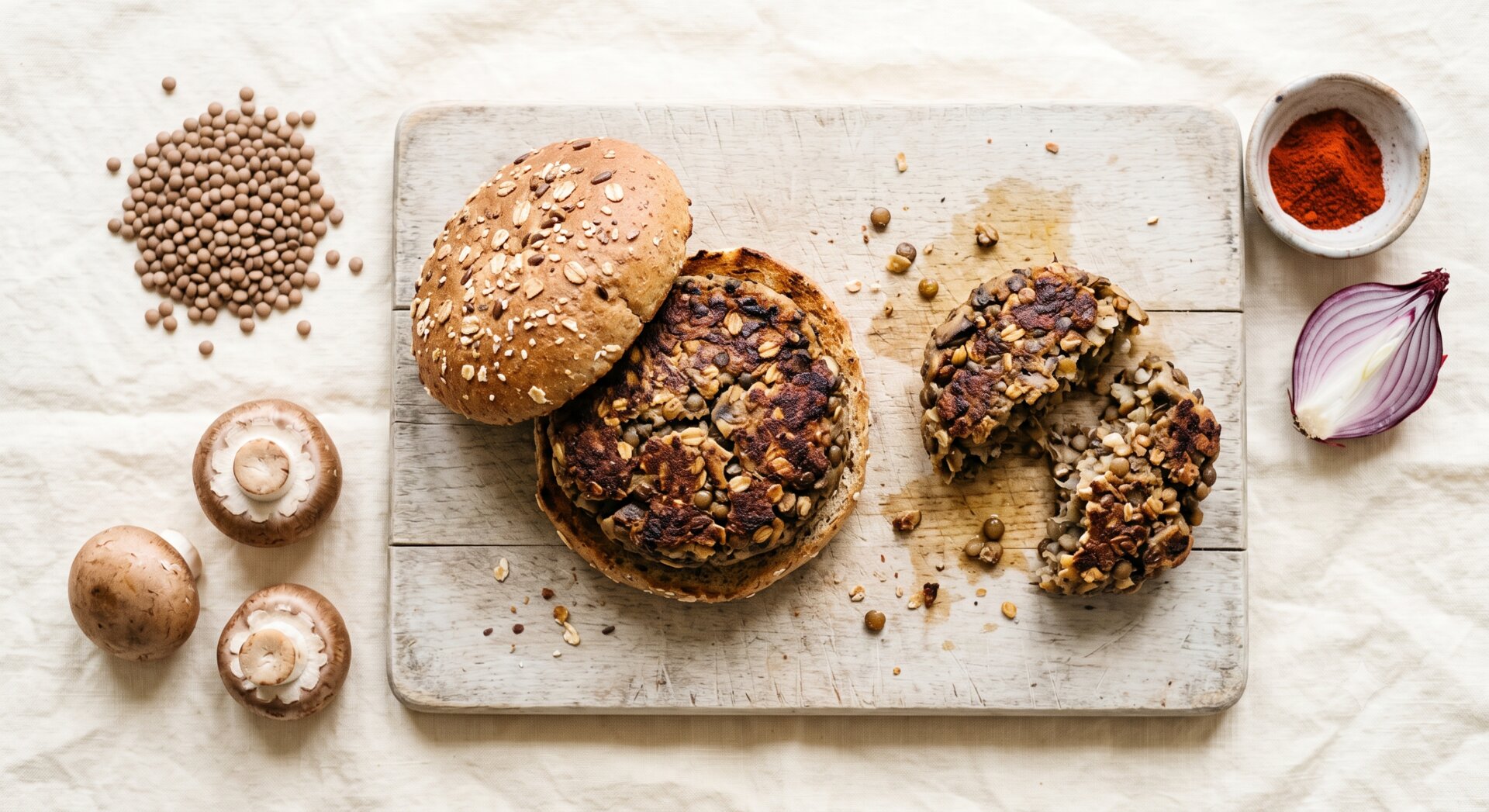 Lentil Mushroom Burger 45 min Hearty, savory and fully plant-based 270 kcal 13g protein 2 synergies
 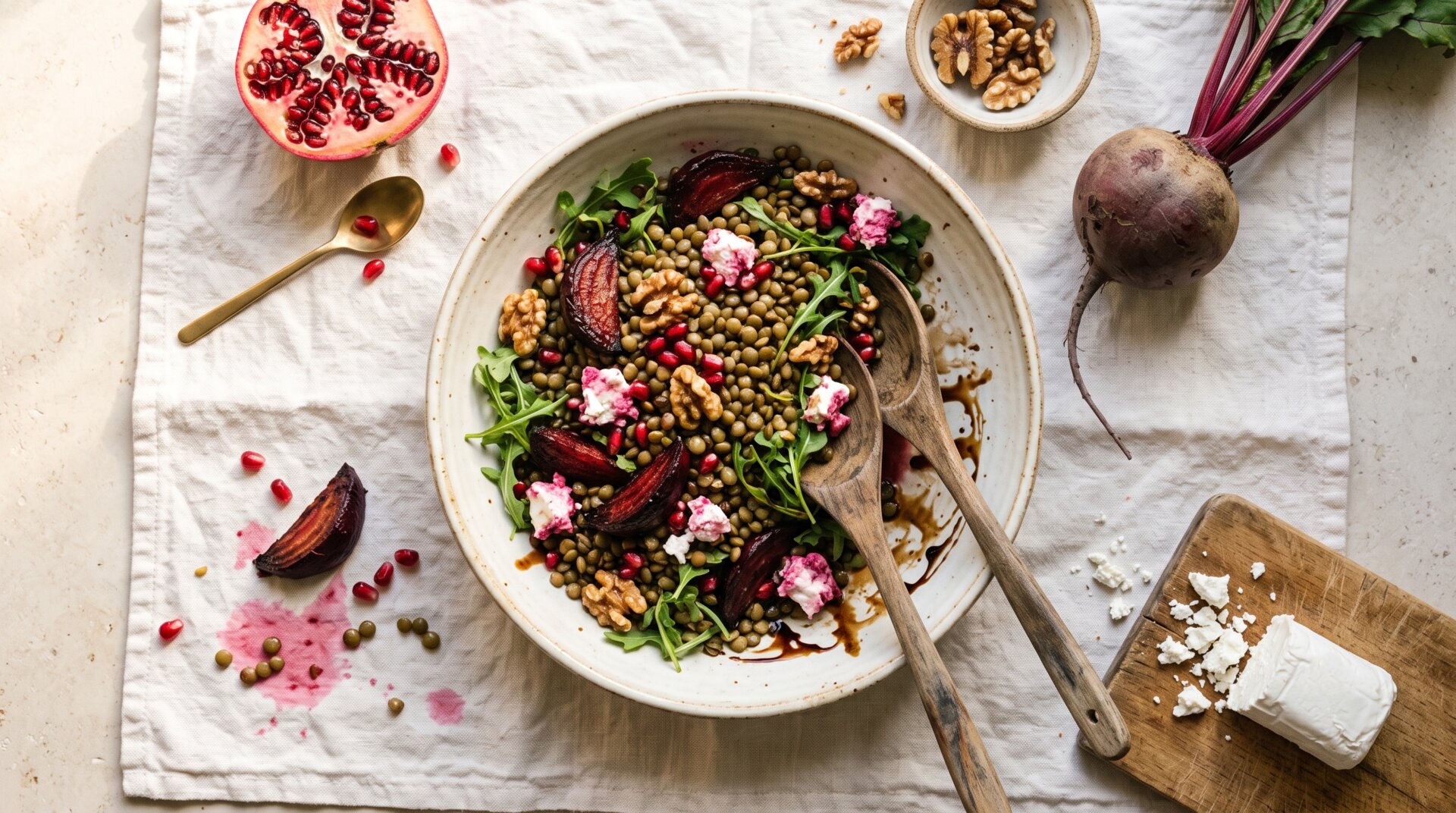 Mediterranean Lentil Salad with Goat Cheese 40 min Hearty salad with beetroot and walnuts 793 kcal 31g protein 1 synergies
  In the Kitchen
Storage
Location:Pantry
Shelf life:1 jaar (droog)
Preparation
Rinse. Simmer in plenty of water for 20–25 min until tender-firm. Salt at the end. Drain and cool on a tray (not in the cooking water) to stay firm.
Conversions
Substitutes
Smart preparation
1Cook green lentils for 25-30 minutes until done but still firm.
2Green lentils do not need to be soaked.
3Add acidic ingredients (tomato, lemon) only after cooking.
Why?
Acid hardens the skin and slows the cooking process.
Caution / Warnings
Green Lentils is very safe, but there are scientific considerations:
Purines (Gout) Mild
Legumes contain purines; excessive intake may worsen gout symptoms
Advice:
With severe gout: eat in moderation and rotate protein sources
Sensitive Gut (FODMAP) Mild
Lentils can cause gas in some people due to fermentable carbs
Advice:
Start with small portions, rinse canned lentils well, and increase gradually
Traditional use
Mediterranean
Mediterranean and Middle Eastern staple
Green lentils have been cultivated around the Mediterranean and in the Middle East for thousands of years as a protein-rich staple for both rich and poor.
Summary
The easiest firm legume: no soaking needed and it stays nicely intact. Perfect in salads or as a warm side. Pair with lemon or peppers to support iron absorption.