Bulgur
Ancient whole wheat for quick salads and side dishes
What is this ingredient?
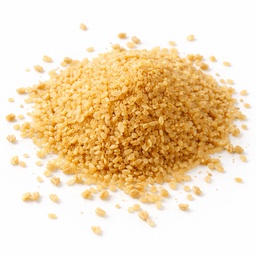
Bulgur is one of the oldest prepared foods in the world, with roots in the Middle East. The wheat berry is first parboiled, then dried and cracked into fine, medium or coarse grains. This makes bulgur quicker to prepare than many other grains and practical for everyday meals.
Because bulgur is made from whole wheat, the germ and bran remain present. This gives it more fiber and protein than many refined grain products, along with a light nutty flavor and a firm, pleasant bite. Fine bulgur is ideal for tabbouleh and cold salads; coarse bulgur works well as a warm base with stews, grilled vegetables or spiced sauces.
Unlike couscous, which is usually a pasta product made from semolina, bulgur consists of cracked, pre-treated wheat kernels. It cooks quickly, absorbs flavors well and stays loose when fluffed with a fork after soaking or cooking.
How does it taste?
Mildly nutty with a light earthy, wheaty flavor and a firm, pleasant bite.
Pairs well with:
Pairs well with parsleymintlemontomatocucumberolive oil and spiced stews.
Did you know...?
- Bulgur is one of the oldest processed foods in the world and has been used in the Middle East for thousands of years.
- In several Middle Eastern cuisines, bulgur was nicknamed ‘the meat of the poor’ because it is affordable and adds plenty of texture to meals.
Nutritional Value & Energy
Per 100g
Bulgur provides energy thanks to natural nutrients , buffered by fiber.
Per 100g
Minerals
Vitamins
More nutrients
B-Vitamins
Trace Minerals
Low GI means blood sugar doesn't spike quickly.
What's in a serving?
1 serving (dry)
Bulgur naturally contains manganese (3.05 mg per 100 g).
Bulgur naturally contains magnesium (164 mg per 100 g).
Bulgur naturally contains iron (2.46 mg per 100 g).
Bulgur naturally contains phosphorus (300 mg per 100 g).
Bulgur naturally contains zinc (1.93 mg per 100 g).
Bulgur naturally contains potassium (410 mg per 100 g).
Bulgur naturally contains copper (0.34 mg per 100 g).
Bulgur naturally contains vitamin b6 (0.34 mg per 100 g).
% of daily reference intake (DRI)
EU-approved nutrition claims
This ingredient contains nutrients for which EFSA-authorized health claims exist (at nutrient level, not ingredient-specific).
Approved health claims (EU)
Magnesium EU 432/2012
Magnesium contributes to normal muscle function
Contains 164mg/100g (threshold: ≥56.25mg/100g)
Magnesium EU 432/2012
Magnesium contributes to the reduction of tiredness and fatigue
Contains 164mg/100g (threshold: ≥56.25mg/100g)
Magnesium EU 432/2012
Magnesium contributes to normal functioning of the nervous system
Contains 164mg/100g (threshold: ≥56.25mg/100g)
Zinc EU 432/2012
Zinc contributes to the normal function of the immune system
Contains 1.93mg/100g (threshold: ≥1.5mg/100g)
Zinc EU 432/2012
Zinc contributes to the maintenance of normal skin
Contains 1.93mg/100g (threshold: ≥1.5mg/100g)
Iron EU 432/2012
Iron contributes to normal energy-yielding metabolism
Contains 2.46mg/100g (threshold: ≥2.1mg/100g)
Iron EU 432/2012
Iron contributes to the reduction of tiredness and fatigue
Contains 2.46mg/100g (threshold: ≥2.1mg/100g)
Potassium EU 432/2012
Potassium contributes to the maintenance of normal blood pressure
Contains 410mg/100g (threshold: ≥300mg/100g)
Vitamin_b6 EU 432/2012
Vitamin B6 contributes to normal cysteine synthesis
Contains 0.34mg/100g (threshold: ≥0.21mg/100g)
Vitamin_b6 EU 432/2012
Vitamin B6 contributes to normal energy-yielding metabolism
Contains 0.34mg/100g (threshold: ≥0.21mg/100g)
Vitamin_b6 EU 432/2012
Vitamin B6 contributes to normal functioning of the nervous system
Contains 0.34mg/100g (threshold: ≥0.21mg/100g)
Vitamin_b6 EU 432/2012
Vitamin B6 contributes to normal homocysteine metabolism
Contains 0.34mg/100g (threshold: ≥0.21mg/100g)
Vitamin_b6 EU 432/2012
Vitamin B6 contributes to normal protein and glycogen metabolism
Contains 0.34mg/100g (threshold: ≥0.21mg/100g)
Vitamin_b6 EU 432/2012
Vitamin B6 contributes to normal psychological function
Contains 0.34mg/100g (threshold: ≥0.21mg/100g)
Vitamin_b6 EU 432/2012
Vitamin B6 contributes to normal red blood cell formation
Contains 0.34mg/100g (threshold: ≥0.21mg/100g)
Vitamin_b6 EU 432/2012
Vitamin B6 contributes to the normal function of the immune system
Contains 0.34mg/100g (threshold: ≥0.21mg/100g)
Vitamin_b6 EU 432/2012
Vitamin B6 contributes to the regulation of hormonal activity
Contains 0.34mg/100g (threshold: ≥0.21mg/100g)
Vitamin_b6 EU 432/2012
Vitamin B6 contributes to the reduction of tiredness and fatigue
Contains 0.34mg/100g (threshold: ≥0.21mg/100g)
Phosphorus EU 432/2012
Phosphorus contributes to normal energy-yielding metabolism
Contains 300mg/100g (threshold: ≥105mg/100g)
Phosphorus EU 432/2012
Phosphorus contributes to the normal function of cell membranes
Contains 300mg/100g (threshold: ≥105mg/100g)
Phosphorus EU 432/2012
Phosphorus contributes to the maintenance of normal bones
Contains 300mg/100g (threshold: ≥105mg/100g)
Phosphorus EU 432/2012
Phosphorus contributes to the maintenance of normal teeth
Contains 300mg/100g (threshold: ≥105mg/100g)
Magnesium EU 432/2012
Magnesium contributes to normal energy-yielding metabolism
Contains 164mg/100g (threshold: ≥56.25mg/100g)
Magnesium EU 432/2012
Magnesium contributes to electrolyte balance
Contains 164mg/100g (threshold: ≥56.25mg/100g)
Magnesium EU 432/2012
Magnesium contributes to normal protein synthesis
Contains 164mg/100g (threshold: ≥56.25mg/100g)
Magnesium EU 432/2012
Magnesium contributes to normal psychological function
Contains 164mg/100g (threshold: ≥56.25mg/100g)
Magnesium EU 432/2012
Magnesium contributes to the maintenance of normal bones
Contains 164mg/100g (threshold: ≥56.25mg/100g)
Magnesium EU 432/2012
Magnesium contributes to the maintenance of normal teeth
Contains 164mg/100g (threshold: ≥56.25mg/100g)
Magnesium EU 432/2012
Magnesium has a role in the process of cell division
Contains 164mg/100g (threshold: ≥56.25mg/100g)
Iron EU 432/2012
Iron contributes to normal cognitive function
Contains 2.46mg/100g (threshold: ≥2.1mg/100g)
Iron EU 432/2012
Iron contributes to normal formation of red blood cells and haemoglobin
Contains 2.46mg/100g (threshold: ≥2.1mg/100g)
Iron EU 432/2012
Iron contributes to normal oxygen transport in the body
Contains 2.46mg/100g (threshold: ≥2.1mg/100g)
Iron EU 432/2012
Iron contributes to the normal function of the immune system
Contains 2.46mg/100g (threshold: ≥2.1mg/100g)
Iron EU 432/2012
Iron has a role in the process of cell division
Contains 2.46mg/100g (threshold: ≥2.1mg/100g)
Zinc EU 432/2012
Zinc contributes to normal acid-base metabolism
Contains 1.93mg/100g (threshold: ≥1.5mg/100g)
Zinc EU 432/2012
Zinc contributes to normal carbohydrate metabolism
Contains 1.93mg/100g (threshold: ≥1.5mg/100g)
Zinc EU 432/2012
Zinc contributes to normal cognitive function
Contains 1.93mg/100g (threshold: ≥1.5mg/100g)
Zinc EU 432/2012
Zinc contributes to normal DNA synthesis
Contains 1.93mg/100g (threshold: ≥1.5mg/100g)
Zinc EU 432/2012
Zinc contributes to normal fertility and reproduction
Contains 1.93mg/100g (threshold: ≥1.5mg/100g)
Zinc EU 432/2012
Zinc contributes to normal macronutrient metabolism
Contains 1.93mg/100g (threshold: ≥1.5mg/100g)
Zinc EU 432/2012
Zinc contributes to normal metabolism of fatty acids
Contains 1.93mg/100g (threshold: ≥1.5mg/100g)
Zinc EU 432/2012
Zinc contributes to normal metabolism of vitamin A
Contains 1.93mg/100g (threshold: ≥1.5mg/100g)
Zinc EU 432/2012
Zinc contributes to normal protein synthesis
Contains 1.93mg/100g (threshold: ≥1.5mg/100g)
Zinc EU 432/2012
Zinc contributes to the maintenance of normal bones
Contains 1.93mg/100g (threshold: ≥1.5mg/100g)
Zinc EU 432/2012
Zinc contributes to the maintenance of normal hair
Contains 1.93mg/100g (threshold: ≥1.5mg/100g)
Zinc EU 432/2012
Zinc contributes to the maintenance of normal nails
Contains 1.93mg/100g (threshold: ≥1.5mg/100g)
Zinc EU 432/2012
Zinc contributes to the maintenance of normal testosterone levels in the blood
Contains 1.93mg/100g (threshold: ≥1.5mg/100g)
Zinc EU 432/2012
Zinc contributes to the maintenance of normal vision
Contains 1.93mg/100g (threshold: ≥1.5mg/100g)
Zinc EU 432/2012
Zinc contributes to the protection of cells from oxidative stress
Contains 1.93mg/100g (threshold: ≥1.5mg/100g)
Zinc EU 432/2012
Zinc has a role in the process of cell division
Contains 1.93mg/100g (threshold: ≥1.5mg/100g)
Copper EU 432/2012
Copper contributes to the maintenance of normal connective tissues
Contains 0.34mg/100g (threshold: ≥0.15mg/100g)
Copper EU 432/2012
Copper contributes to normal energy-yielding metabolism
Contains 0.34mg/100g (threshold: ≥0.15mg/100g)
Copper EU 432/2012
Copper contributes to normal functioning of the nervous system
Contains 0.34mg/100g (threshold: ≥0.15mg/100g)
Copper EU 432/2012
Copper contributes to normal hair pigmentation
Contains 0.34mg/100g (threshold: ≥0.15mg/100g)
Copper EU 432/2012
Copper contributes to normal iron transport in the body
Contains 0.34mg/100g (threshold: ≥0.15mg/100g)
Copper EU 432/2012
Copper contributes to normal skin pigmentation
Contains 0.34mg/100g (threshold: ≥0.15mg/100g)
Copper EU 432/2012
Copper contributes to the normal function of the immune system
Contains 0.34mg/100g (threshold: ≥0.15mg/100g)
Copper EU 432/2012
Copper contributes to the protection of cells from oxidative stress
Contains 0.34mg/100g (threshold: ≥0.15mg/100g)
Manganese EU 432/2012
Manganese contributes to normal energy-yielding metabolism
Contains 3.05mg/100g (threshold: ≥0.3mg/100g)
Manganese EU 432/2012
Manganese contributes to the maintenance of normal bones
Contains 3.05mg/100g (threshold: ≥0.3mg/100g)
Manganese EU 432/2012
Manganese contributes to the normal formation of connective tissue
Contains 3.05mg/100g (threshold: ≥0.3mg/100g)
Manganese EU 432/2012
Manganese contributes to the protection of cells from oxidative stress
Contains 3.05mg/100g (threshold: ≥0.3mg/100g)
Potassium EU 432/2012
Potassium contributes to normal functioning of the nervous system
Contains 410mg/100g (threshold: ≥300mg/100g)
Potassium EU 432/2012
Potassium contributes to normal muscle function
Contains 410mg/100g (threshold: ≥300mg/100g)
What's being researched?
Bulgur, fiber and whole wheat
The high fiber content of bulgur and the role of whole wheat in dietary patterns are being studied. The available literature mainly looks at whole grains as a group; research specific to bulgur remains more limited.
Supported by: [2] Wolever TM (1990) , [1] Ye (2012)
Good Combinations (Synergy)
Combine bulgur smartly to enhance the effect:
Bulgur  Lemon
Lemon Citric acid enhances mineral absorption from whole grain bulgur
Technical: Bulgur is pre-steamed cracked wheat that has been partially fermented, reducing its phytate content. The high iron content (2.5mg/100g) is better absorbed thanks to lemon's vitamin C via Fe³⁺ → Fe²⁺ reduction. Parsley in tabbouleh provides additional vitamin C (133mg/100g) for even higher iron absorption.
What does this mean for you? Tabbouleh combines bulgur with lemon and parsley — a traditional salad where the vitamin C from both sources multiplies iron absorption from the bulgur.
Bulgur  Parsley
 Tabbouleh: vitamin C increases iron absorption from bulgur
Technical: Bulgur contains 2.5mg iron per 100g (non-heme). Parsley contains 133mg vitamin C per 100g — more than lemons! In traditional tabbouleh, parsley is the main ingredient (not bulgur), ensuring optimal iron absorption. Parsley also contains vitamin K and folate.
What does this mean for you? Make tabbouleh with LOTS of parsley — traditionally it's 3-4 bunches per cup of bulgur. This is not only authentic but also nutritionally optimal.
Bulgur 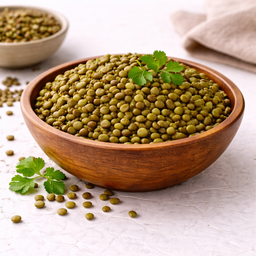 Green Lentils
 Complete protein combination in classic mujadara
Technical: Green lentils contain 9g protein per 100g (cooked) with high lysine content but low methionine. Bulgur (cracked wheat) provides methionine and cysteine. The combination forms a complete amino acid profile. Additionally, lentils provide soluble fiber, while bulgur contributes insoluble fiber for intestinal transit. This is the basis of Mujadara, an ancient Middle Eastern dish.
What does this mean for you? Cook green lentils with bulgur and caramelized onions for authentic Mujadara. This dish provides complete proteins and is one of the cheapest, most nutritious meals in the world — a Biblical and Quranic dish for good reason.
Recipes with Bulgur
Discover delicious recipes featuring bulgur:
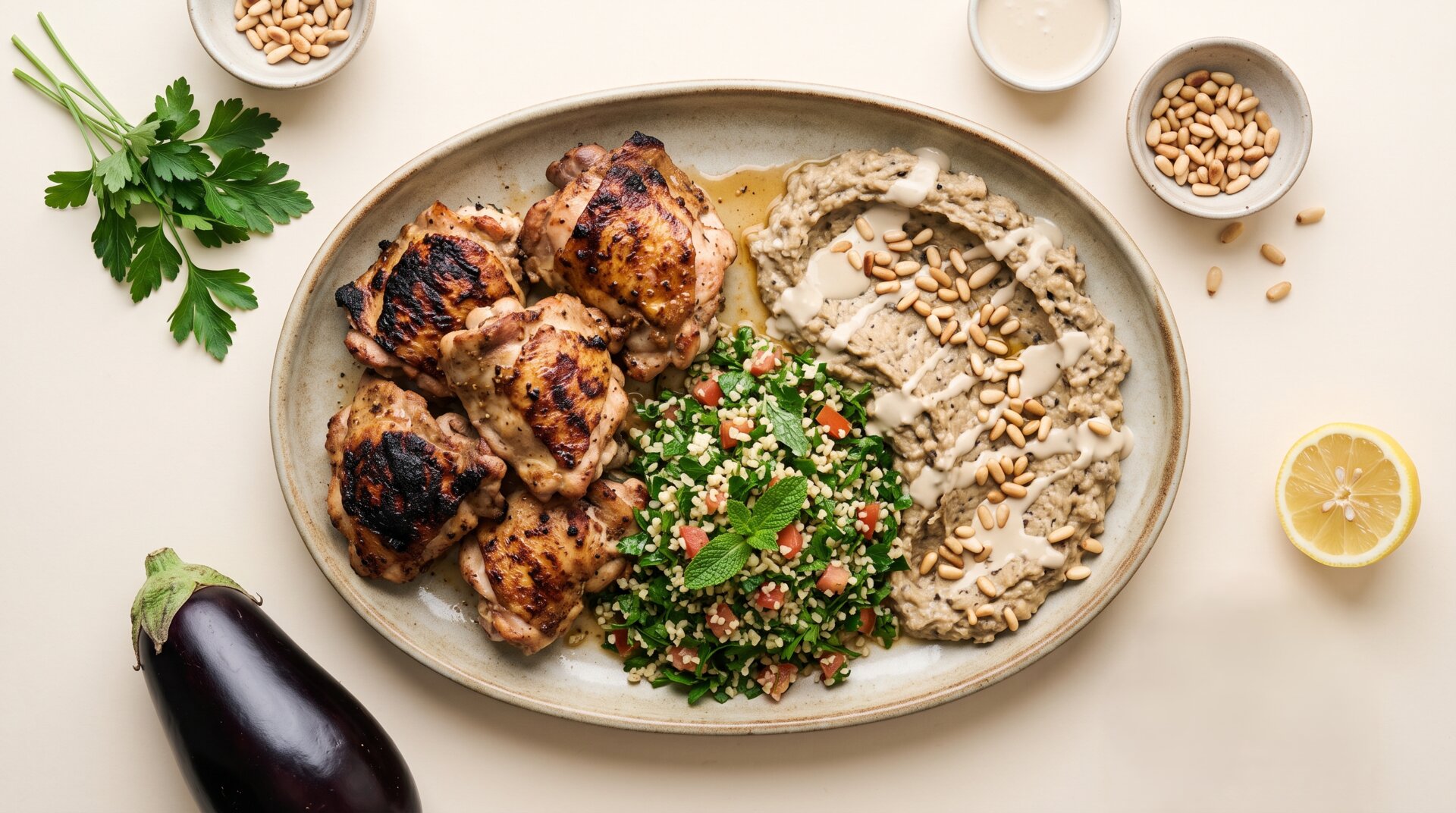 Grilled Chicken Thighs with Baba Ganoush and Tabbouleh 65 min Lebanese-inspired meal with smoky eggplant and fresh herbs
  930 kcal
  52g protein 3 synergies
 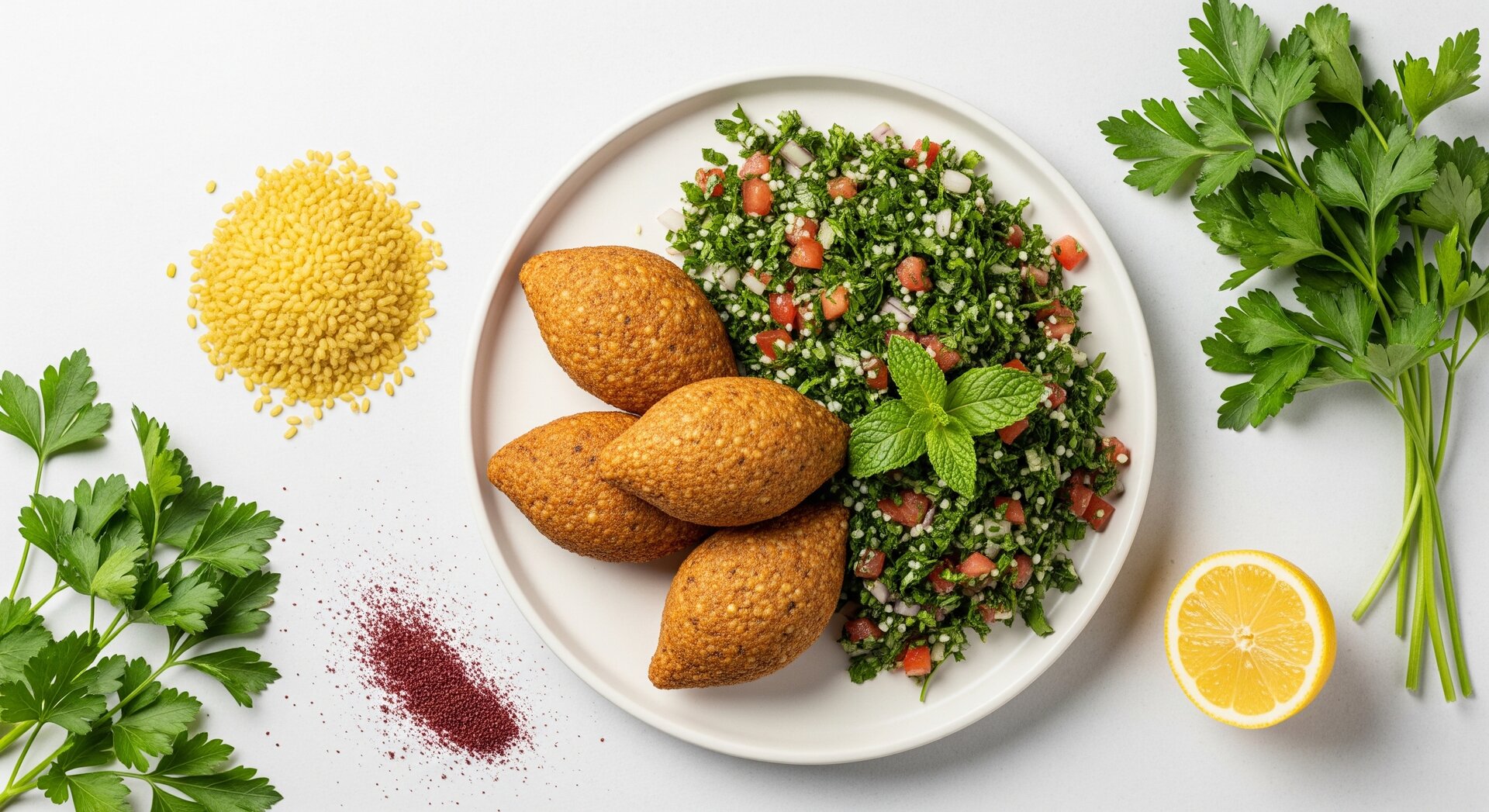 Turkey Kibbeh with Bulgur Tabbouleh 40 min Levantine meatballs with fresh herb salad 571 kcal 36g protein 1 synergies
 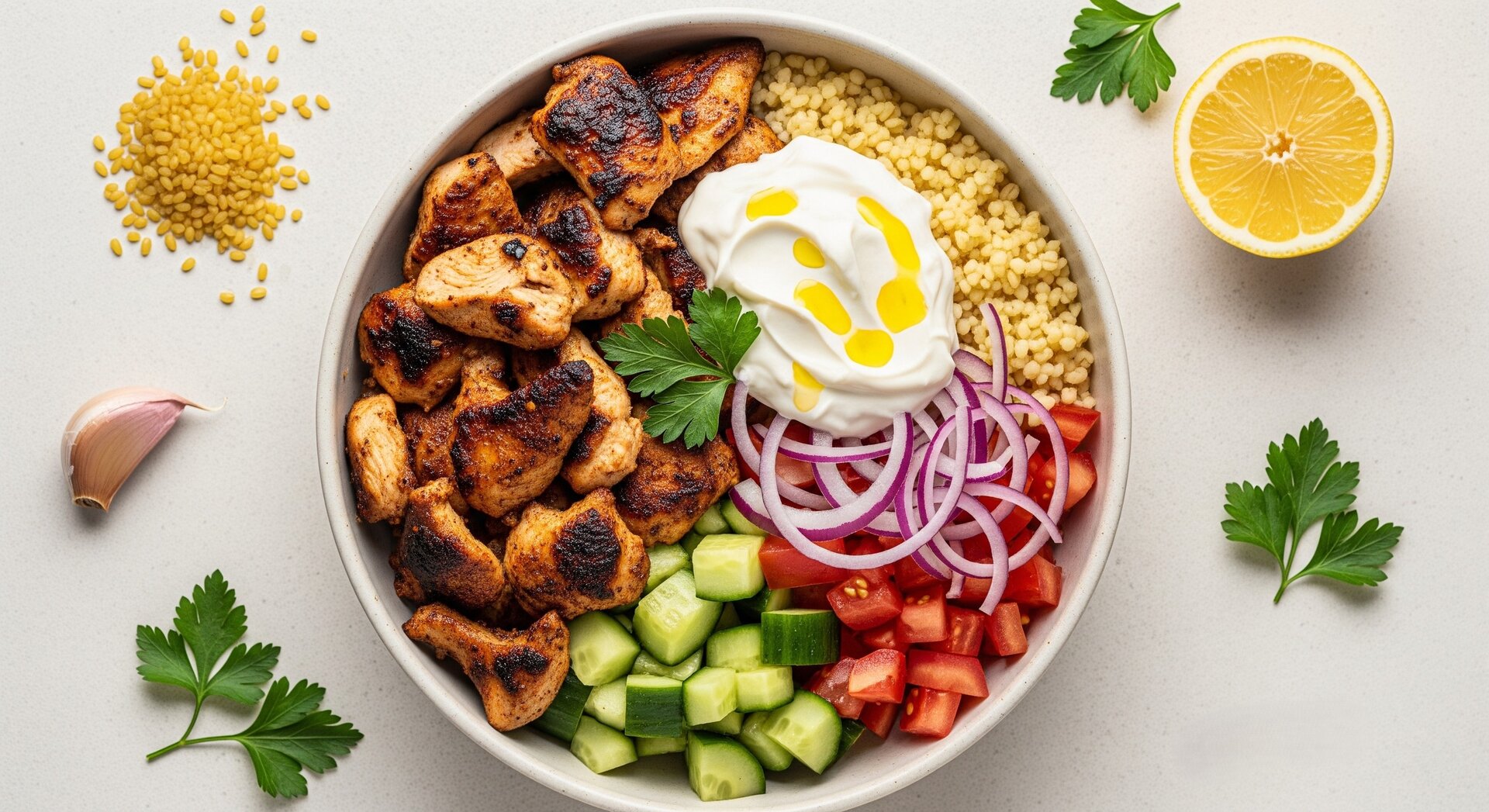 Chicken Shawarma Bowl with Garlic Sauce 40 min Mediterranean bowl with spiced chicken and creamy garlic sauce 847 kcal 62g protein 2 synergies
 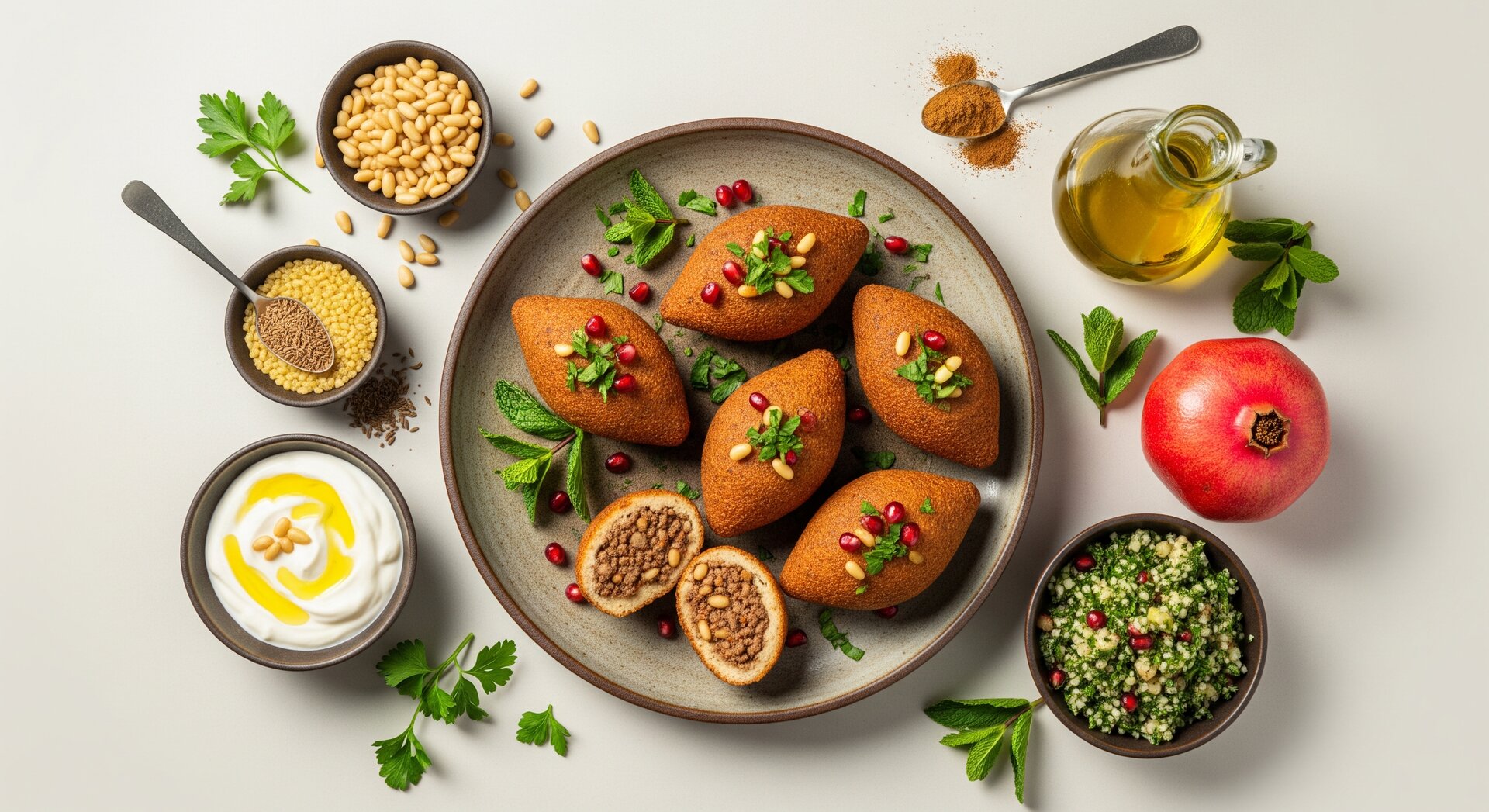 Lebanese Kibbeh with Pine Nuts 60 min Spiced bulgur and meat patties with a savoury filling 540 kcal 29g protein 2 synergies
 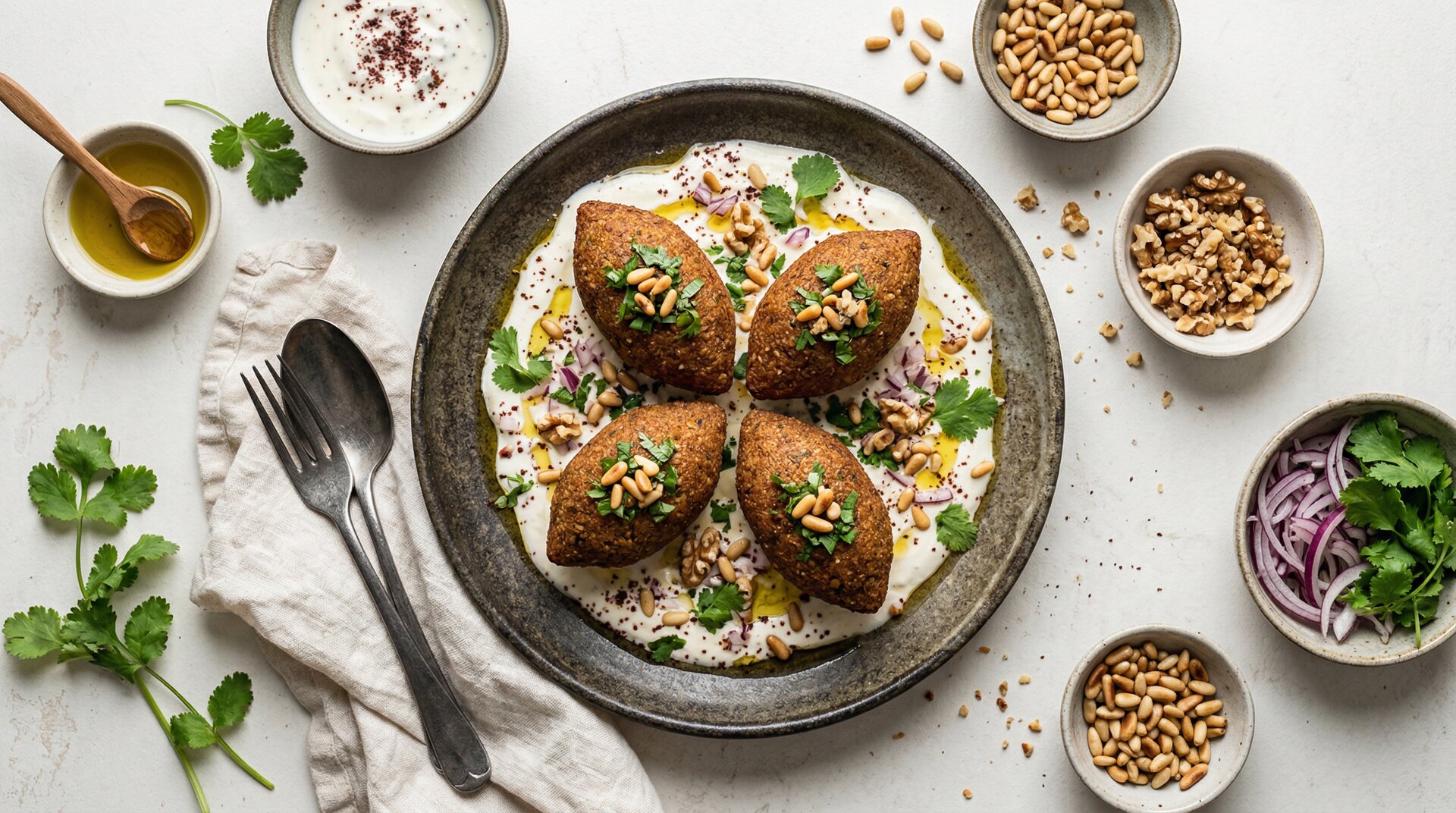 Middle Eastern Kibbeh with Bulgur and Yogurt Sauce 70 min Spiced bulgur-lamb patties with pine nuts, mint and fresh tahini-yogurt sauce 695 kcal 35g protein 3 synergies
 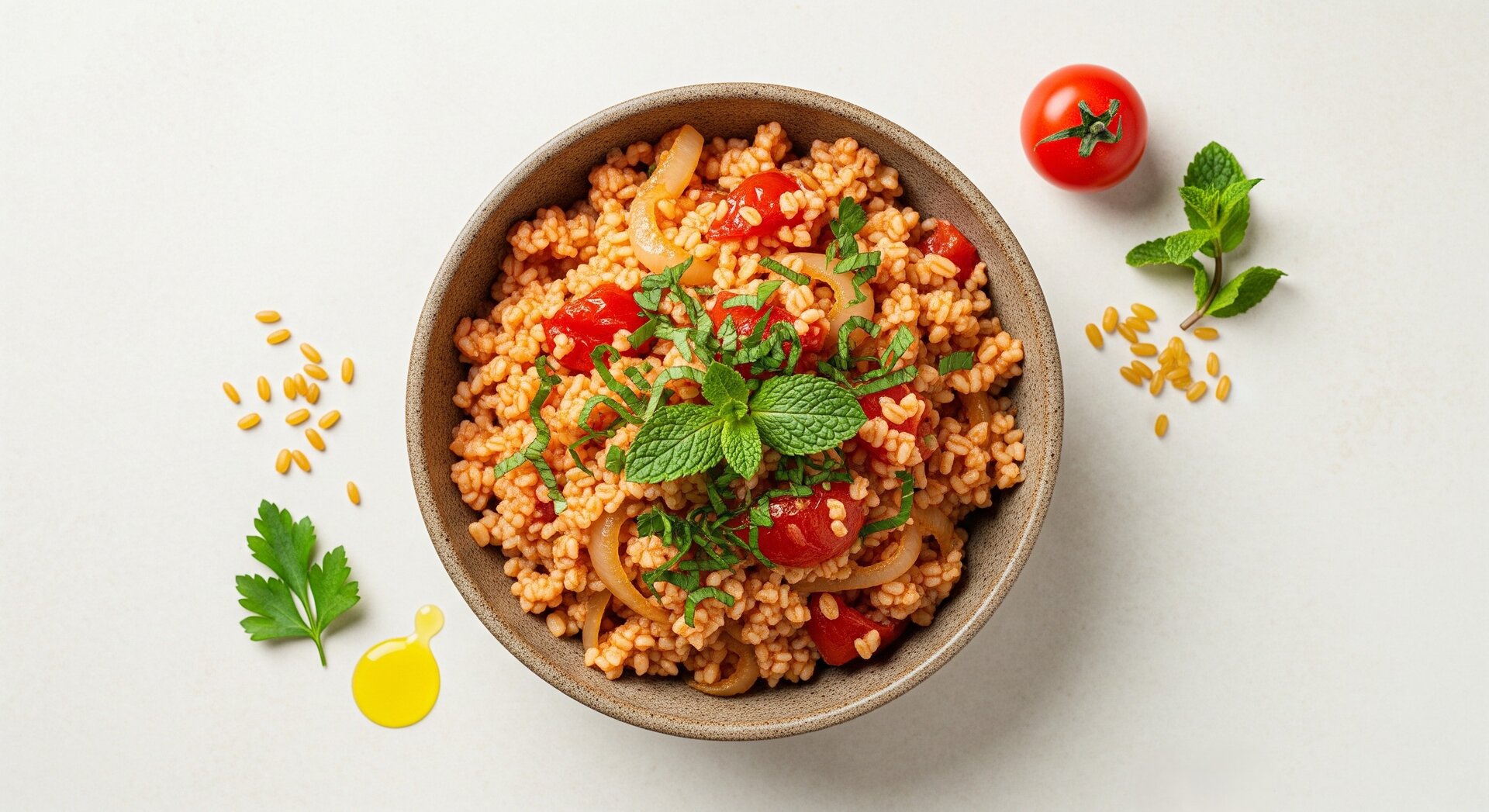 Turkish Bulgur Pilaf with Tomato 30 min Fluffy bulgur braised with tomato, onion and fresh herbs in Turkish family style 260 kcal 8g protein 1 synergies
  In the Kitchen
Storage
Location:Pantry
Shelf life:6-12 maanden
Store bulgur dry, cool and airtight, preferably in a glass jar. Keep it away from moisture and strongly scented spices.
Preparation
Fine bulgur usually only needs soaking in hot water. Coarse bulgur can be simmered for about 10 minutes. Fluff the grains with a fork afterwards.
Substitutes
Smart preparation
1Cover fine bulgur with boiling water and place a lid or plate over the bowl.
Why?
Bulgur is already precooked and dried during production, so fine grains mainly need to soak.
2Let bulgur stand for 15–20 minutes after adding hot water, then fluff it with a fork.
3Simmer coarse bulgur gently for 10–12 minutes and let it steam briefly afterwards.
Caution / Warnings
Bulgur is very safe, but there are scientific considerations:
Celiac disease / gluten intolerance Severe
Bulgur is made entirely from wheat and contains gluten.
Advice:
Avoid bulgur with celiac disease or gluten intolerance. Choose quinoa, buckwheat or rice as an alternative.
Traditional use
Mediterranean
Bulgur in Middle Eastern culinary traditions
Bulgur has been prepared in the Middle East for thousands of years and was a staple in kitchens around Mesopotamia, Egypt and the Ottoman Empire. It was valued because it stores well, cooks quickly and pairs easily with herbs, vegetables and legumes.
Summary
Bulgur is a quick whole-grain base for salads, bowls and warm side dishes. It is rich in fiber, budget-friendly and absorbs herbs, lemon, tomato and olive oil well. Fine bulgur is perfect for tabbouleh; coarse bulgur can replace rice or couscous in spiced dishes.