- Medium
- 40 min
- 2 serv.
- 8 synergies
- Now at its best: Parsley
Spiced ground turkey balls with bulgur shell, served with fresh tabbouleh salad full of parsley, mint and tomato.
Kibbeh is the dish that appears across Lebanon and Syria whenever there's something to celebrate. It's technically simple — ground meat mixed with soaked bulgur, cumin and onion, shaped into balls and into the oven — but the result is greater than the sum of its parts. The outside turns crispy and golden, the inside stays juicy from the fat in the meat and moisture from the bulgur. Next to it sits a mountain of tabbouleh, more herb than grain, as it should be: parsley in abundance, some mint, diced tomato, a generous pour of olive oil and sumac for that characteristic tangy note. It's the combination that does it — the warm, spiced meat alongside the cool, fresh salad. One plate and you understand why Levantine cuisine is world famous.
- 25
- min prep
- 15
- min cook
- 40
- min total
Nutritional Synergies
This recipe combines ingredients that enhance each other:
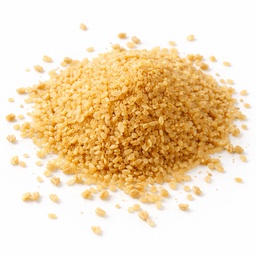 Bulgur
 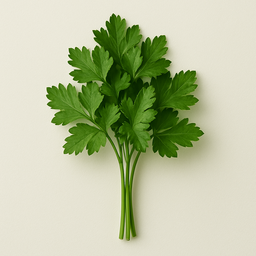 Parsley
 Tabbouleh: vitamin C increases iron absorption from bulgur
Technical: Bulgur contains 2.5mg iron per 100g (non-heme). Parsley contains 133mg vitamin C per 100g — more than lemons! In traditional tabbouleh, parsley is the main ingredient (not bulgur), ensuring optimal iron absorption. Parsley also contains vitamin K and folate.
What does this mean for you? Make tabbouleh with LOTS of parsley — traditionally it's 3-4 bunches per cup of bulgur. This is not only authentic but also nutritionally optimal.
EnergyImmune System
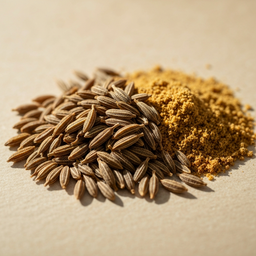 Cumin
Cumin 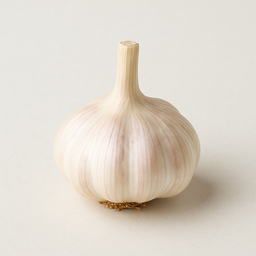 Garlic
 Double digestive support: enzymes + bioactive compounds
Technical: Cumin promotes digestive enzyme activity (amylase, lipase, protease) and increases bile flow. Garlic's allicin has broad bioactivity targeting pathogenic gut bacteria while sparing beneficial ones.
What does this mean for you? Fry garlic and cumin together as base for curries, soups and stews. Classic combination in virtually every cuisine in the world.
DigestionImmune System
Cumin 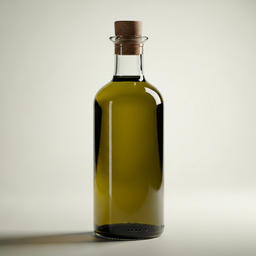 Olive Oil
 Fat activates volatile oils and increases cuminaldehyde absorption
Technical: Cumin's active compounds (cuminaldehyde, cymene, terpinene) are volatile, fat-soluble compounds. Frying in olive oil extracts and stabilizes these compounds, and the fat improves their gut absorption.
What does this mean for you? Briefly fry cumin in olive oil before adding other ingredients (tadka/tempering). This is why Indian and Middle Eastern cuisines always fry cumin in oil.
DigestionAnti-inflammatoryBlood Sugar
Olive Oil Garlic Aglio e olio: allicin + oleocanthal via complementary biochemical pathways
Technical: Garlic contains allicin (formed when cutting/crushing) that influences HMG-CoA reductase (involved in lipid metabolism). Olive oil contains oleocanthal that modulates COX-1/2 enzymes. Together they influence lipid metabolism and prostaglandin cascade via complementary biochemical pathways. The fat also helps absorb fat-soluble garlic compounds.
What does this mean for you? Gently warm garlic in olive oil (don't burn!) as the base for many dishes. This is why 'aglio e olio' pasta is so beloved — two bioactive compounds that reinforce each other.
HeartImmune System
Olive Oil 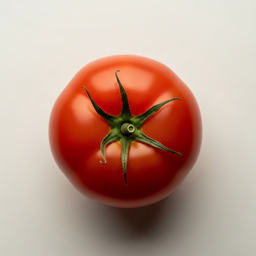 Tomato
 Mediterranean golden rule: fat increases lycopene absorption 4x
Fat significantly increases lycopene bioavailability (PMID: 15927929)
Technical: Tomatoes contain lycopene (3-7mg per 100g), a carotenoid with strong antioxidant action. Lycopene is fat-soluble with only 10-15% absorption without fat. Olive oil increases this to 40-60% (2.5-4x improvement). Cooking further increases lycopene bioavailability.
What does this mean for you? Always add olive oil to tomato dishes — sauces, salads, bruschetta. This is why Mediterranean cuisine is so healthy. Cooked tomatoes with olive oil = maximum lycopene.
HeartSkin & Hair
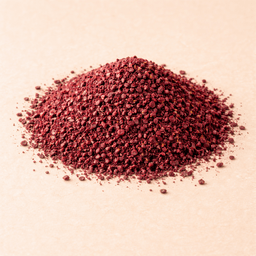 Sumac Olive Oil
 Gallotannins from sumac are fat-soluble, olive oil increases bioavailability
Gallotannins from Rhus coriaria are lipophilic and require dietary fat for absorption (PMID: 36014419)
Technical: Gallotannins and polyphenols from sumac are fat-soluble. Olive oil contains 73% oleic acid that promotes micelle formation, improving antioxidant absorption up to 3x in the gut.
What does this mean for you? Always use sumac in dishes with olive oil (like salads or grilled meat). The fat-soluble antioxidants will be absorbed much better for broader bioactive benefits.
Anti-inflammatoryHeart
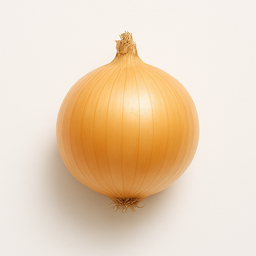 Onion Garlic
 More than 20 organosulfur compounds in one soffritto
Technical: Onion contains diallyl disulfide and quercetin (20-40mg/100g). Garlic contains allicin, ajoene and S-allylcysteine. Together they provide more than 20 different organosulfur compounds that modulate NF-κB. Allium crops are intensively studied in nutrition science for their unique sulfur chemistry.
What does this mean for you? Start every dish with sautéed onion and garlic — not just for flavor, but for the unique concentration of organosulfur compounds. Cut garlic 10 minutes before heating to allow allicin formation.
DigestionImmune System
Onion Tomato Quercetin + lycopene: synergistic polyphenol-carotenoid combination
Technical: Quercetin from onion (20-40mg/100g) and lycopene from tomato (2573μg/100g) work through different mechanisms. Quercetin chelates metal ions and modulates lipid peroxidation, lycopene quenches singlet oxygen. Combined polyphenols and carotenoids work synergistically — the combination works through complementary mechanisms.
What does this mean for you? Tomato sauce with onion is the base of nearly every Mediterranean cuisine — and rightly so. Quercetin and lycopene enhance each other's action through complementary biochemical pathways. Cooking in olive oil makes carotenoids more absorbable.
HeartAnti-inflammatory
Ingredients (11)
+8 more ingredients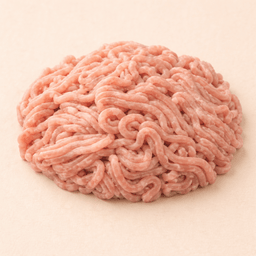
Instructions
- 1 Soak bulgur for 20 minutes in cold water, squeeze out excess moisture.
Nutrition per serving
Indicative values per serving.
Timing & Suitability
Shelf life: 3 days in fridge
Tags & Diet
Allergens: Gluten