- Medium
- 65 min
- 2 serv.
- 15 synergies
- Now at its best: Eggplant
Spiced chicken thighs with creamy baba ganoush made from roasted eggplant and fresh tabbouleh with parsley, mint, tomato and bulgur. A colourful plate with soft, smoky and bright flavours.
This plate has everything that makes a Lebanese-style meal so appealing: smoky eggplant, juicy chicken, fresh herbs and a soft nutty tahini note. The eggplant should become properly dark in the oven; that is what gives the baba ganoush its deep, almost campfire-like flavour. The chicken thighs are seasoned simply with cumin, pepper and olive oil, then cooked until golden outside while staying tender inside. Beside it, the tabbouleh brings lightness: plenty of parsley, mint, tomato, lemon and fine bulgur that absorbs all the juices. Together it is not a heavy dish, but a rich mezze-like dinner where creamy, spiced, fresh and crunchy elements sit beautifully side by side.
- 20
- min prep
- 45
- min cook
- 65
- min total
Nutritional Synergies
This recipe combines ingredients that enhance each other:
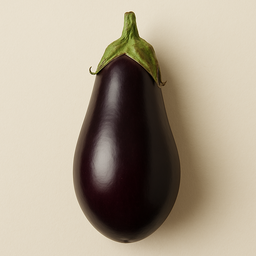 Eggplant
 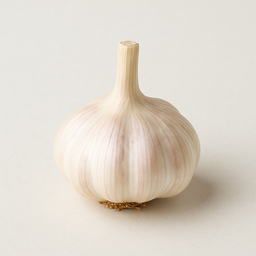 Garlic
 Chlorogenic acid + allicin: complementary NF-κB modulation
Technical: Eggplant contains chlorogenic acid (NF-κB modulation) and nasunin (iron chelator influencing lipid peroxidation). Garlic's allicin (formed when cut) has bioactive action via thiol enzyme inhibition. Together they modulate NF-κB signaling through complementary pathways.
What does this mean for you? Baba ganoush or imam bayıldı — classic combinations that have existed for centuries. Cut garlic 10 minutes before heating for maximum allicin formation.
Immune SystemAnti-inflammatory
Eggplant 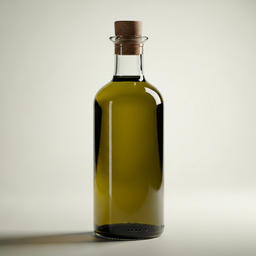 Extra virgin olive oil
 Fat makes nasunin (purple antioxidant) absorbable
Technical: Nasunin in the purple eggplant skin is a fat-soluble anthocyanin that crosses the blood-brain barrier. Olive oil's unsaturated fats (73% oleic acid) form micelles that increase nasunin absorption up to 3x.
What does this mean for you? Eggplant absorbs oil like a sponge — that's actually an advantage! The oil makes nasunin absorbable. Fry in olive oil for maximum effect.
FocusHeart
Eggplant 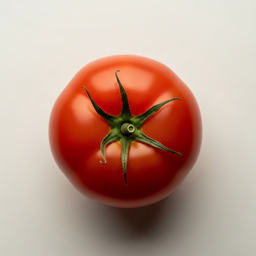 Tomatoes
 Nasunin + lycopene: complementary carotenoid-polyphenol pathways
Technical: Nasunin (eggplant) and lycopene (tomato) work through different mechanisms. Nasunin chelates iron, influencing lipid peroxidation, while lycopene quenches singlet oxygen. Studies show combined polyphenols and carotenoids work synergistically — the combination works through complementary mechanisms. With olive oil, both are optimally absorbed.
What does this mean for you? Parmigiana, ratatouille, zaalouk — Mediterranean and North African dishes always combine eggplant, tomato and olive oil. Culinary tradition backed by science.
HeartSkin & HairAnti-inflammatory
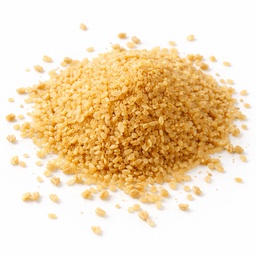 Fine bulgur
 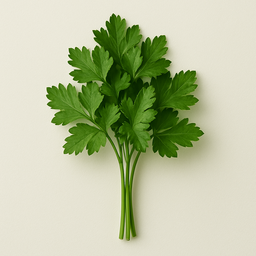 Fresh flat-leaf parsley
 Tabbouleh: vitamin C increases iron absorption from bulgur
Technical: Bulgur contains 2.5mg iron per 100g (non-heme). Parsley contains 133mg vitamin C per 100g — more than lemons! In traditional tabbouleh, parsley is the main ingredient (not bulgur), ensuring optimal iron absorption. Parsley also contains vitamin K and folate.
What does this mean for you? Make tabbouleh with LOTS of parsley — traditionally it's 3-4 bunches per cup of bulgur. This is not only authentic but also nutritionally optimal.
EnergyImmune System
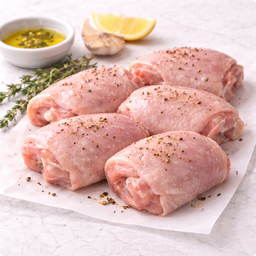 Chicken thighs Garlic
 Classic combination: allicin for flavor and health
Technical: Chicken thighs contain more fat and flavor than breast, plus extra iron and zinc from dark meat. Garlic contains allicin that influences lipid metabolism. The sulfur compounds in garlic also help digest the fat in thighs.
What does this mean for you? Cook chicken thighs with lots of garlic — this is the basis of dishes like 'chicken with 40 cloves of garlic' and Moroccan tajines. The fat in thighs makes chicken juicier and garlic softer.
HeartImmune System
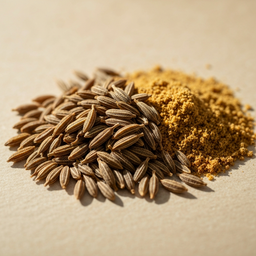 Ground cumin Garlic
 Double digestive support: enzymes + bioactive compounds
Technical: Cumin promotes digestive enzyme activity (amylase, lipase, protease) and increases bile flow. Garlic's allicin has broad bioactivity targeting pathogenic gut bacteria while sparing beneficial ones.
What does this mean for you? Fry garlic and cumin together as base for curries, soups and stews. Classic combination in virtually every cuisine in the world.
DigestionImmune System
Ground cumin Extra virgin olive oil Fat activates volatile oils and increases cuminaldehyde absorption
Technical: Cumin's active compounds (cuminaldehyde, cymene, terpinene) are volatile, fat-soluble compounds. Frying in olive oil extracts and stabilizes these compounds, and the fat improves their gut absorption.
What does this mean for you? Briefly fry cumin in olive oil before adding other ingredients (tadka/tempering). This is why Indian and Middle Eastern cuisines always fry cumin in oil.
DigestionAnti-inflammatoryBlood Sugar
Ground cumin 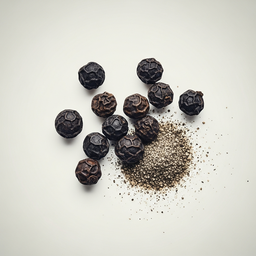 Black pepper
 Piperine increases absorption of cumin's active compounds 2-3x
Technical: Cumin contains cuminaldehyde and thymoquinone with digestive-promoting and bioactive properties. Piperine from black pepper inhibits CYP3A4 enzymes, reducing breakdown and improving absorption 2-3x.
What does this mean for you? Always add black pepper to dishes with cumin. This is why many spice blends (garam masala, ras el hanout) contain both.
DigestionAnti-inflammatory
Extra virgin olive oil Garlic Aglio e olio: allicin + oleocanthal via complementary biochemical pathways
Technical: Garlic contains allicin (formed when cutting/crushing) that influences HMG-CoA reductase (involved in lipid metabolism). Olive oil contains oleocanthal that modulates COX-1/2 enzymes. Together they influence lipid metabolism and prostaglandin cascade via complementary biochemical pathways. The fat also helps absorb fat-soluble garlic compounds.
What does this mean for you? Gently warm garlic in olive oil (don't burn!) as the base for many dishes. This is why 'aglio e olio' pasta is so beloved — two bioactive compounds that reinforce each other.
HeartImmune System
Extra virgin olive oil Tomatoes Mediterranean golden rule: fat increases lycopene absorption 4x
Fat significantly increases lycopene bioavailability (PMID: 15927929)
Technical: Tomatoes contain lycopene (3-7mg per 100g), a carotenoid with strong antioxidant action. Lycopene is fat-soluble with only 10-15% absorption without fat. Olive oil increases this to 40-60% (2.5-4x improvement). Cooking further increases lycopene bioavailability.
What does this mean for you? Always add olive oil to tomato dishes — sauces, salads, bruschetta. This is why Mediterranean cuisine is so healthy. Cooked tomatoes with olive oil = maximum lycopene.
HeartSkin & Hair
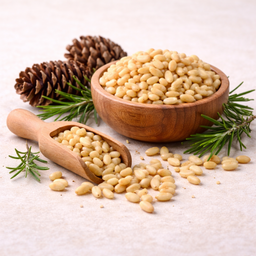 Pine nuts Extra virgin olive oil
 Pinolenic acid + oleic acid for extreme appetite suppression
Technical: Pine nuts contain 14-19% pinolenic acid that increases CCK (cholecystokinin, satiety hormone) release by 60%. Olive oil's oleic acid stimulates OEA (oleoylethanolamide) production triggering a satiety signal via PPARα. Two independent satiety pathways that together strongly suppress appetite.
What does this mean for you? Eat pesto (pine nuts + olive oil) with your meal. The two ingredients each activate a different satiety hormone, making you feel full faster and longer.
Weight LossDigestion
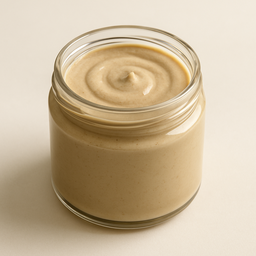 Tahini Garlic
 Hummus base with immune support
Technical: Tahini provides calcium (426mg/100g), magnesium (95mg), zinc (4.6mg) and sesamin (antioxidant lignan). Garlic contains allicin that offers bioactive action via T-cell activation. Zinc from tahini contributes to the normal function of the immune system (EFSA) — the nutritional foundation of hummus.
What does this mean for you? Make hummus with tahini and fresh garlic. The tahini gives minerals like zinc, the garlic bioactive compounds — a nutritious dip.
Immune SystemJoints
 Sea salt Tomatoes
 Minerals improve flavor perception and electrolyte balance
Technical: Sea salt contains trace minerals (magnesium, potassium, calcium) besides sodium. Tomato is rich in potassium (237mg/100g) and lycopene. Avocado adds magnesium (29mg) and potassium (485mg). Together they form a broad electrolyte profile: sodium (salt) + potassium (tomato/avocado) + magnesium (avocado) — essential for fluid balance and nerve function.
What does this mean for you? Sprinkle tomato and avocado with a pinch of sea salt. This is more than flavor — the minerals complement each other for a complete electrolyte balance.
HeartEnergy
Sea salt Extra virgin olive oil Minerals + polyphenols for cellular balance
Technical: Sea salt's sodium is essential for the sodium-potassium pump (Na+/K+-ATPase) that regulates every body cell. Olive oil's oleuropein and hydroxytyrosol provide antioxidant protection for cell membranes. The combination supports cell integrity: sea salt regulates ion balance, olive oil protects the membrane. In Mediterranean cuisine, coarse sea salt + olive oil is the most basic flavor profile.
What does this mean for you? Freshly ground sea salt with extra virgin olive oil is the simplest and most nutritious finishing of any dish. The combination provides the basic needs of your cells: minerals for function, polyphenols for protection.
HeartGeneral Wellness
Black pepper Extra virgin olive oil Fat increases piperine absorption and enhances polyphenols
Technical: Piperine is fat-soluble and absorbed 2-3x better with dietary fat. Olive oil's oleocanthal and piperine both modulate COX signal transduction through different mechanisms, providing additive bioactive effect.
What does this mean for you? Grind fresh pepper over salads with olive oil dressing. The combination enhances both pepper absorption and bioactive action.
Anti-inflammatoryHeartDigestion
Ingredients (15)
+12 more ingredientsInstructions
- 1 Preheat the oven to 220°C. Pierce the eggplant all over with a fork.
- 2 Roast the eggplant in the oven for 40-45 minutes until the skin is dark and the flesh is very soft. Turn halfway and let it cool for 10 minutes.
Nutrition per serving
Indicative values per serving.
Timing & Suitability
Shelf life: 2 days in fridge
Tags & Diet
Allergens: Gluten, Sesame, Nuts