- Medium
- 45 min
- 2 serv.
- 11 synergies
- Now at its best: Salmon
Juicy salmon fillets combined with protein-rich green lentils and colorful roasted vegetables. The lemon-dill sauce rounds it off with freshness and light anise notes.
The scent of garlic and dill drifts through the kitchen the moment you open the oven. Golden-charred Brussels sprouts alongside caramel-edged carrots — next to a piece of salmon with crispy skin you crack open with the back of your fork. Underneath, glistening salmon-pink flesh just brought to temperature. Puy lentils form the foundation: firm, earthy, with just enough bite to counterbalance the tender fish. The lemon-dill sauce is the binding element — a bright streak of acid that cuts straight through the richness of the salmon and lifts the nutty lentils. Dill adds a whisper of anise you can't quite place but your nose recognizes. This is a plate that invites you to eat slowly, tasting each combination separately: lentils with sprouts, salmon with a drop of sauce, a carrot that tastes sweeter than you expected.
- 15
- min prep
- 30
- min cook
- 45
- min total
Nutritional Synergies
This recipe combines ingredients that enhance each other:
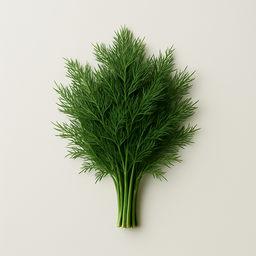 Fresh dill
 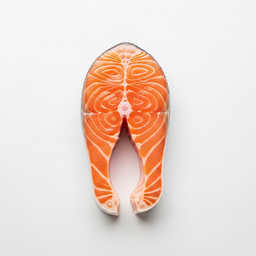 Salmon fillets
 Scandinavian classic with antioxidant boost
Technical: Dill contains flavonoids (kaempferol, vicenin) and monoterpenes (limonene, carvone) with antioxidant action. Salmon provides EPA and DHA omega-3 fatty acids with bioactive action via prostaglandin modulation. Dill's antioxidants protect vulnerable omega-3 fatty acids from oxidation.
What does this mean for you? Dill + salmon is the classic Scandinavian combination — not just for flavor, but also because the antioxidants in dill protect the omega-3 fatty acids from oxidation.
HeartAnti-inflammatory
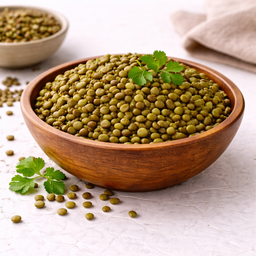 Green lentils (dry)
 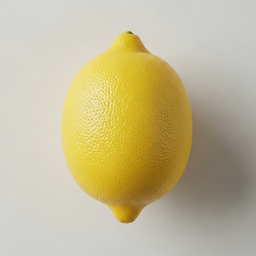 Lemon
Lemon 3x better iron absorption through vitamin C
Technical: Green lentils contain 3.3mg non-heme iron per 100g (cooked) plus phytic acid that inhibits absorption. Lemon provides 53mg vitamin C per 100g that fulfills three crucial functions: (1) Fe³⁺ → Fe²⁺ reduction, (2) formation of soluble iron-ascorbate chelates, (3) neutralization of phytate inhibition. Studies show a 300% increase in iron absorption.
What does this mean for you? Always squeeze half a lemon over your lentil soup or salad just before eating. Vitamin C works best when consumed simultaneously with iron. A simple habit that triples your iron absorption.
EnergyImmune System
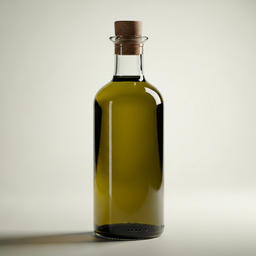 Olive oil Lemon
 Oleic acid + citric acid: complementary pathways for glycemic response
Technical: Lemon contains citric acid that slows gastric emptying, causing carbohydrates from the meal to be absorbed more slowly. Olive oil's fats reinforce this effect by further influencing glycemic response. Together they influence the postprandial glucose response via two complementary mechanisms. Olive oil's oleocanthal and lemon's vitamin C additionally provide complementary antioxidant action.
What does this mean for you? A simple dressing of olive oil and lemon juice over your salad is one of the smartest combinations you can make. The two mechanisms (delayed gastric emptying + fat slowing) work together to influence the glucose response after your meal.
EnergyDigestion
Olive oil 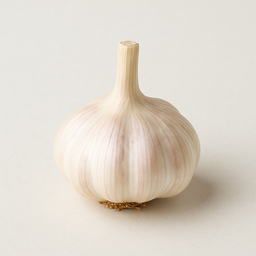 Garlic
 Aglio e olio: allicin + oleocanthal via complementary biochemical pathways
Technical: Garlic contains allicin (formed when cutting/crushing) that influences HMG-CoA reductase (involved in lipid metabolism). Olive oil contains oleocanthal that modulates COX-1/2 enzymes. Together they influence lipid metabolism and prostaglandin cascade via complementary biochemical pathways. The fat also helps absorb fat-soluble garlic compounds.
What does this mean for you? Gently warm garlic in olive oil (don't burn!) as the base for many dishes. This is why 'aglio e olio' pasta is so beloved — two bioactive compounds that reinforce each other.
HeartImmune System
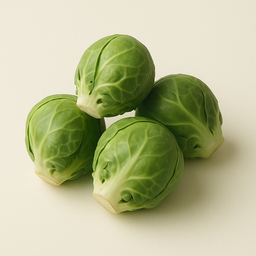 Brussels sprouts Lemon
 Vitamin C stabilizes sulforaphane and increases iron absorption
Technical: Brussels sprouts contain 85mg own vitamin C per 100g (142% RDI) plus glucosinolates forming sulforaphane. Extra vitamin C from lemon protects sulforaphane from GI tract degradation. Vitamin C also contributes to the increase of iron absorption (EFSA-approved) for the 1.4mg non-heme iron per 100g in sprouts.
What does this mean for you? Sprinkle roasted Brussels sprouts with lemon juice — extra vitamin C keeps sulforaphane intact and improves iron absorption. Fresh taste also balances the earthy sprouts.
Immune SystemEnergy
Brussels sprouts Olive oil Fat increases absorption of Brussels sprouts' vitamin K and carotenoids
Technical: Brussels sprouts contain 177μg vitamin K per 100g (148% RDI), 450μg beta-carotene and 1590μg lutein+zeaxanthin — all fat-soluble. Roasted in olive oil, bioavailability increases 3-5x through micelle formation. Roasting also caramelizes natural sugars reducing bitter taste.
What does this mean for you? Roast Brussels sprouts in olive oil — not only the tastiest preparation but also the most nutritious. Without fat your body barely absorbs the vitamin K, beta-carotene and lutein.
JointsSkin & Hair
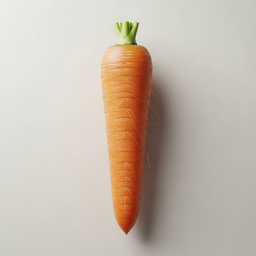 Carrots Olive oil
 Up to 5x more beta-carotene absorption
Technical: Carrot contains 8285μg beta-carotene per 100g, but bioavailability from raw carrot is only 3-4%. Heating + olive oil increases this to 20-25%. Oleic acid (73% of olive oil) forms mixed micelles that efficiently transport beta-carotene to enterocytes for absorption.
What does this mean for you? Roast carrots with olive oil or eat them in a salad with dressing. Without fat you absorb only 3% of beta-carotene — with olive oil up to 5x more.
Skin & HairFocusImmune System
Salmon fillets Lemon Improves digestion and iron absorption
Technical: Salmon contains 20g protein per 100g that is optimally digested at low stomach pH. Citric acid lowers stomach pH and activates pepsinogen → pepsin (the primary protein-digesting enzyme). Protein digestion becomes 15-20% more efficient. Vitamin C from lemon also protects omega-3 fatty acids (2.5g per 100g) against lipid peroxidation and improves non-heme iron absorption.
What does this mean for you? Sprinkle your salmon fillet with lemon juice — not just for flavor. The citric acid helps your body better digest the proteins and fats. Add the juice just before serving, not during cooking (vitamin C is heat-sensitive).
DigestionEnergy
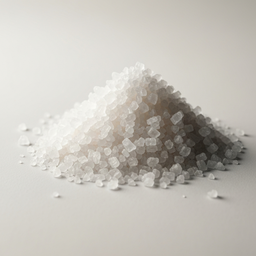 Sea salt Lemon
 Trace minerals + vitamin C for electrolytes and immune system
Technical: Unrefined sea salt contains 80+ trace elements (magnesium 0.5%, potassium 0.4%, calcium 0.1%, plus iodine, zinc, selenium in trace amounts) alongside sodium. Lemon's vitamin C improves absorption of non-heme iron and zinc from sea salt. Sodium + potassium together regulate cellular osmosis. Vitamin C is also essential for collagen synthesis where sea salt minerals serve as cofactors.
What does this mean for you? A glass of warm water with a pinch of unrefined sea salt and lemon juice in the morning is an effective hydration ritual. The minerals + vitamin C start your day with good electrolyte balance.
EnergyImmune System
Sea salt Olive oil Minerals + polyphenols for cellular balance
Technical: Sea salt's sodium is essential for the sodium-potassium pump (Na+/K+-ATPase) that regulates every body cell. Olive oil's oleuropein and hydroxytyrosol provide antioxidant protection for cell membranes. The combination supports cell integrity: sea salt regulates ion balance, olive oil protects the membrane. In Mediterranean cuisine, coarse sea salt + olive oil is the most basic flavor profile.
What does this mean for you? Freshly ground sea salt with extra virgin olive oil is the simplest and most nutritious finishing of any dish. The combination provides the basic needs of your cells: minerals for function, polyphenols for protection.
HeartGeneral Wellness
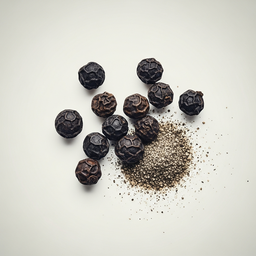 Black pepper Olive oil
 Fat increases piperine absorption and enhances polyphenols
Technical: Piperine is fat-soluble and absorbed 2-3x better with dietary fat. Olive oil's oleocanthal and piperine both modulate COX signal transduction through different mechanisms, providing additive bioactive effect.
What does this mean for you? Grind fresh pepper over salads with olive oil dressing. The combination enhances both pepper absorption and bioactive action.
Anti-inflammatoryHeartDigestion
Ingredients (10)
- Salmon fillets — 330 g 2 fillets, preferably wild salmon
- Green lentils (dry) — 150 g Puy lentils are ideal
Instructions
- 1 Preheat oven to 200°C. Rinse lentils and cook in 400ml water with a pinch of salt for 20-25 minutes until tender but firm. Drain.
- 2 Toss carrots and Brussels sprouts with 1 tbsp olive oil, salt and pepper. Spread on baking sheet and roast 25 minutes, flipping halfway.
Nutrition per serving
Indicative values per serving.
Timing & Suitability
Shelf life: 2 days in fridge
Tags & Diet
Allergens: Fish