Beluga Lentils
Small black lentils with a firm bite
What is this ingredient?
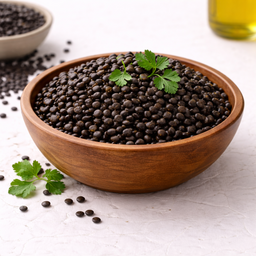
Beluga lentils are an elegant lentil variety with a glossy black skin and a firm, delicate bite. Because of their compact size, they cook relatively quickly and are less likely to fall apart than red or yellow lentils. This makes them well suited to salads, warm bowls, side dishes and recipes where you want the individual lentils to remain visible.
## Black color and anthocyanins
The dark skin contains anthocyanins: natural plant pigments also found in blueberries, blackberries and purple vegetables. Xu & Chang (2007) examined different lentil varieties and described black lentils as notable for their high measured antioxidant capacity in laboratory tests. In cooking, that skin gives beluga lentils their deep color and a slightly earthier, richer character.
## Low glycemic index
Lentils are known for their low glycemic index. A GI of around 29 is often cited for lentils, which fits their combination of starch, fiber and protein. That makes them an interesting base for meals in which carbohydrates are released gradually while the texture stays pleasantly firm.
## Plant protein and cooking qualities
With about 24 g protein and 11 g fiber per 100 g dry product, beluga lentils are nutrient-dense legumes with a high protein and fiber content. Combined with grains, vegetables, herbs and an acidic dressing, they form a complete and practical base for everyday meals. They do not need soaking and are usually cooked in 20-25 minutes.
How does it taste?
Firm and earthy with a rich, nutty flavor and a fine bite. They stay nicely intact after cooking.
Pairs well with:
Pairs well with balsamicgoat cheesebeetswalnutsthymedill and roasted vegetables.
Did you know...?
- Beluga lentils are named after beluga caviar because of their glossy black appearance.
- Lentils are among the oldest cultivated crops and have been eaten for thousands of years in Southwest Asia and around the Mediterranean.
Nutritional Value & Energy
Per 100g
Beluga Lentils provides energy thanks to natural nutrients , buffered by fiber.
Per 100g
Minerals
Vitamins
More nutrients
B-Vitamins
Trace Minerals
What's in a serving?
1 serving (dry)
Beluga lentils naturally contain iron (7.5 mg per 100 g).
Beluga lentils naturally contain zinc (3.3 mg per 100 g).
Beluga lentils naturally contain potassium (677 mg per 100 g).
Beluga lentils naturally contain phosphorus (281 mg per 100 g).
Beluga lentils naturally contain folate (479 mcg per 100 g).
Beluga lentils naturally contain vitamin B6 (0.5 mg per 100 g).
% of daily reference intake (DRI)
EU-approved nutrition claims
This ingredient contains nutrients for which EFSA-authorized health claims exist at nutrient level, not specifically for this ingredient.
Approved health claims (EU)
Zinc EU 432/2012
Zinc contributes to the normal function of the immune system
Contains 3.3mg/100g (threshold: ≥1.5mg/100g)
Zinc EU 432/2012
Zinc contributes to the maintenance of normal skin
Contains 3.3mg/100g (threshold: ≥1.5mg/100g)
Iron EU 432/2012
Iron contributes to normal energy-yielding metabolism
Contains 7.5mg/100g (threshold: ≥2.1mg/100g)
Iron EU 432/2012
Iron contributes to the reduction of tiredness and fatigue
Contains 7.5mg/100g (threshold: ≥2.1mg/100g)
Potassium EU 432/2012
Potassium contributes to the maintenance of normal blood pressure
Contains 677mg/100g (threshold: ≥300mg/100g)
Folate EU 432/2012
Folate contributes to normal blood formation
Contains 479mcg/100g (threshold: ≥30mcg/100g)
Vitamin_b6 EU 432/2012
Vitamin B6 contributes to normal cysteine synthesis
Contains 0.5mg/100g (threshold: ≥0.21mg/100g)
Vitamin_b6 EU 432/2012
Vitamin B6 contributes to normal energy-yielding metabolism
Contains 0.5mg/100g (threshold: ≥0.21mg/100g)
Vitamin_b6 EU 432/2012
Vitamin B6 contributes to normal functioning of the nervous system
Contains 0.5mg/100g (threshold: ≥0.21mg/100g)
Vitamin_b6 EU 432/2012
Vitamin B6 contributes to normal homocysteine metabolism
Contains 0.5mg/100g (threshold: ≥0.21mg/100g)
Vitamin_b6 EU 432/2012
Vitamin B6 contributes to normal protein and glycogen metabolism
Contains 0.5mg/100g (threshold: ≥0.21mg/100g)
Vitamin_b6 EU 432/2012
Vitamin B6 contributes to normal psychological function
Contains 0.5mg/100g (threshold: ≥0.21mg/100g)
Vitamin_b6 EU 432/2012
Vitamin B6 contributes to normal red blood cell formation
Contains 0.5mg/100g (threshold: ≥0.21mg/100g)
Vitamin_b6 EU 432/2012
Vitamin B6 contributes to the normal function of the immune system
Contains 0.5mg/100g (threshold: ≥0.21mg/100g)
Vitamin_b6 EU 432/2012
Vitamin B6 contributes to the regulation of hormonal activity
Contains 0.5mg/100g (threshold: ≥0.21mg/100g)
Vitamin_b6 EU 432/2012
Vitamin B6 contributes to the reduction of tiredness and fatigue
Contains 0.5mg/100g (threshold: ≥0.21mg/100g)
Folate EU 432/2012
Folate contributes to normal amino acid synthesis
Contains 479mcg/100g (threshold: ≥30mcg/100g)
Folate EU 432/2012
Folate contributes to normal homocysteine metabolism
Contains 479mcg/100g (threshold: ≥30mcg/100g)
Folate EU 432/2012
Folate contributes to normal psychological function
Contains 479mcg/100g (threshold: ≥30mcg/100g)
Folate EU 432/2012
Folate contributes to the normal function of the immune system
Contains 479mcg/100g (threshold: ≥30mcg/100g)
Folate EU 432/2012
Folate has a role in the process of cell division
Contains 479mcg/100g (threshold: ≥30mcg/100g)
Folate EU 432/2012
Folate contributes to maternal tissue growth during pregnancy
Contains 479mcg/100g (threshold: ≥30mcg/100g)
Phosphorus EU 432/2012
Phosphorus contributes to normal energy-yielding metabolism
Contains 281mg/100g (threshold: ≥105mg/100g)
Phosphorus EU 432/2012
Phosphorus contributes to the normal function of cell membranes
Contains 281mg/100g (threshold: ≥105mg/100g)
Phosphorus EU 432/2012
Phosphorus contributes to the maintenance of normal bones
Contains 281mg/100g (threshold: ≥105mg/100g)
Phosphorus EU 432/2012
Phosphorus contributes to the maintenance of normal teeth
Contains 281mg/100g (threshold: ≥105mg/100g)
Iron EU 432/2012
Iron contributes to normal cognitive function
Contains 7.5mg/100g (threshold: ≥2.1mg/100g)
Iron EU 432/2012
Iron contributes to normal formation of red blood cells and haemoglobin
Contains 7.5mg/100g (threshold: ≥2.1mg/100g)
Iron EU 432/2012
Iron contributes to normal oxygen transport in the body
Contains 7.5mg/100g (threshold: ≥2.1mg/100g)
Iron EU 432/2012
Iron contributes to the normal function of the immune system
Contains 7.5mg/100g (threshold: ≥2.1mg/100g)
Iron EU 432/2012
Iron has a role in the process of cell division
Contains 7.5mg/100g (threshold: ≥2.1mg/100g)
Zinc EU 432/2012
Zinc contributes to normal acid-base metabolism
Contains 3.3mg/100g (threshold: ≥1.5mg/100g)
Zinc EU 432/2012
Zinc contributes to normal carbohydrate metabolism
Contains 3.3mg/100g (threshold: ≥1.5mg/100g)
Zinc EU 432/2012
Zinc contributes to normal cognitive function
Contains 3.3mg/100g (threshold: ≥1.5mg/100g)
Zinc EU 432/2012
Zinc contributes to normal DNA synthesis
Contains 3.3mg/100g (threshold: ≥1.5mg/100g)
Zinc EU 432/2012
Zinc contributes to normal fertility and reproduction
Contains 3.3mg/100g (threshold: ≥1.5mg/100g)
Zinc EU 432/2012
Zinc contributes to normal macronutrient metabolism
Contains 3.3mg/100g (threshold: ≥1.5mg/100g)
Zinc EU 432/2012
Zinc contributes to normal metabolism of fatty acids
Contains 3.3mg/100g (threshold: ≥1.5mg/100g)
Zinc EU 432/2012
Zinc contributes to normal metabolism of vitamin A
Contains 3.3mg/100g (threshold: ≥1.5mg/100g)
Zinc EU 432/2012
Zinc contributes to normal protein synthesis
Contains 3.3mg/100g (threshold: ≥1.5mg/100g)
Zinc EU 432/2012
Zinc contributes to the maintenance of normal bones
Contains 3.3mg/100g (threshold: ≥1.5mg/100g)
Zinc EU 432/2012
Zinc contributes to the maintenance of normal hair
Contains 3.3mg/100g (threshold: ≥1.5mg/100g)
Zinc EU 432/2012
Zinc contributes to the maintenance of normal nails
Contains 3.3mg/100g (threshold: ≥1.5mg/100g)
Zinc EU 432/2012
Zinc contributes to the maintenance of normal testosterone levels in the blood
Contains 3.3mg/100g (threshold: ≥1.5mg/100g)
Zinc EU 432/2012
Zinc contributes to the maintenance of normal vision
Contains 3.3mg/100g (threshold: ≥1.5mg/100g)
Zinc EU 432/2012
Zinc contributes to the protection of cells from oxidative stress
Contains 3.3mg/100g (threshold: ≥1.5mg/100g)
Zinc EU 432/2012
Zinc has a role in the process of cell division
Contains 3.3mg/100g (threshold: ≥1.5mg/100g)
Potassium EU 432/2012
Potassium contributes to normal functioning of the nervous system
Contains 677mg/100g (threshold: ≥300mg/100g)
Potassium EU 432/2012
Potassium contributes to normal muscle function
Contains 677mg/100g (threshold: ≥300mg/100g)
Comparison
vsspinazie
Beluga lentils contain about 3× as much iron per 100 g as spinach.
vsbanaan
Beluga lentils contain about 2× as much potassium per 100 g as banana.
vsspinazie
Beluga lentils contain about 2× as much folate per 100 g as spinach.
What's being researched?
Beluga lentils and anthocyanins
The anthocyanin content in the black skin of beluga lentils is being studied in relation to color, polyphenols and measured antioxidant capacity. Laboratory studies show strong radical-scavenging activity, while human bioavailability studies remain limited.
Supported by: [1] Liberal  (2024)
Good Combinations (Synergy)
Combine beluga lentils smartly to enhance the effect:
Beluga Lentils 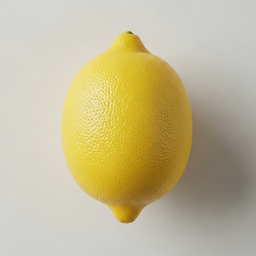 Lemon
Lemon Citrus significantly increases iron absorption from beluga lentils
Technical: Beluga lentils contain 8mg iron per 100g (cooked), more than other lentils. Lemon (53mg vitamin C) and lime (29mg) reduce Fe³⁺ to Fe²⁺ for better absorption.
What does this mean for you? Make beluga lentil salad with lemon dressing for maximum iron absorption. Perfect for vegetarians.
Beluga Lentils 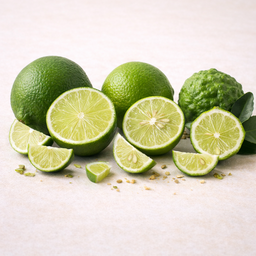 Lime
Lime Citrus significantly increases iron absorption from beluga lentils
Technical: Beluga lentils contain 8mg iron per 100g (cooked), more than other lentils. Lemon (53mg vitamin C) and lime (29mg) reduce Fe³⁺ to Fe²⁺ for better absorption.
What does this mean for you? Make beluga lentil salad with lemon dressing for maximum iron absorption. Perfect for vegetarians.
Beluga Lentils  Bell Pepper
 Vitamin C increases iron absorption from lentils up to 6x
Technical: Beluga lentils contain 8mg non-heme iron per 100g — one of the highest levels among legumes. Non-heme iron in Fe³⁺ form is barely absorbed (5-12%). Bell pepper contains up to 128mg vitamin C per 100g (red pepper) that reduces Fe³⁺ to Fe²⁺, the bioavailable form. This can increase iron absorption by 400-600%.
What does this mean for you? Always add colored bell pepper to your lentil dishes — dice them raw into a warm lentil salad or cook them into a stew. Red pepper is most effective due to the highest vitamin C content.
Beluga Lentils 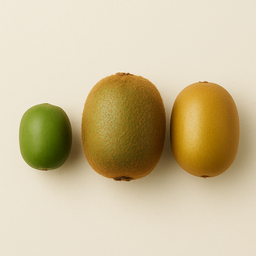 Kiwi
Kiwi Kiwi's vitamin C makes the iron from lentils much more absorbable
Vitamin C overcomes phytate inhibition of iron absorption (PMID: 2507689)
Technical: Lentils are an iron powerhouse (6-8mg per 100g cooked), but also contain phytate that blocks iron absorption. Kiwi's extremely high vitamin C (93mg/100g) overcomes this problem: it reduces Fe³⁺ to Fe²⁺ and forms soluble chelates that bypass phytate binding. The combination increases iron absorption by 300-600%.
What does this mean for you? Eat a kiwi as dessert after your lentil soup or salad. This is a simple trick to get much more iron from your meal — without supplements. Ideal if you eat vegetarian or often feel tired.
Recipes with Beluga Lentils
Discover delicious recipes featuring beluga lentils:
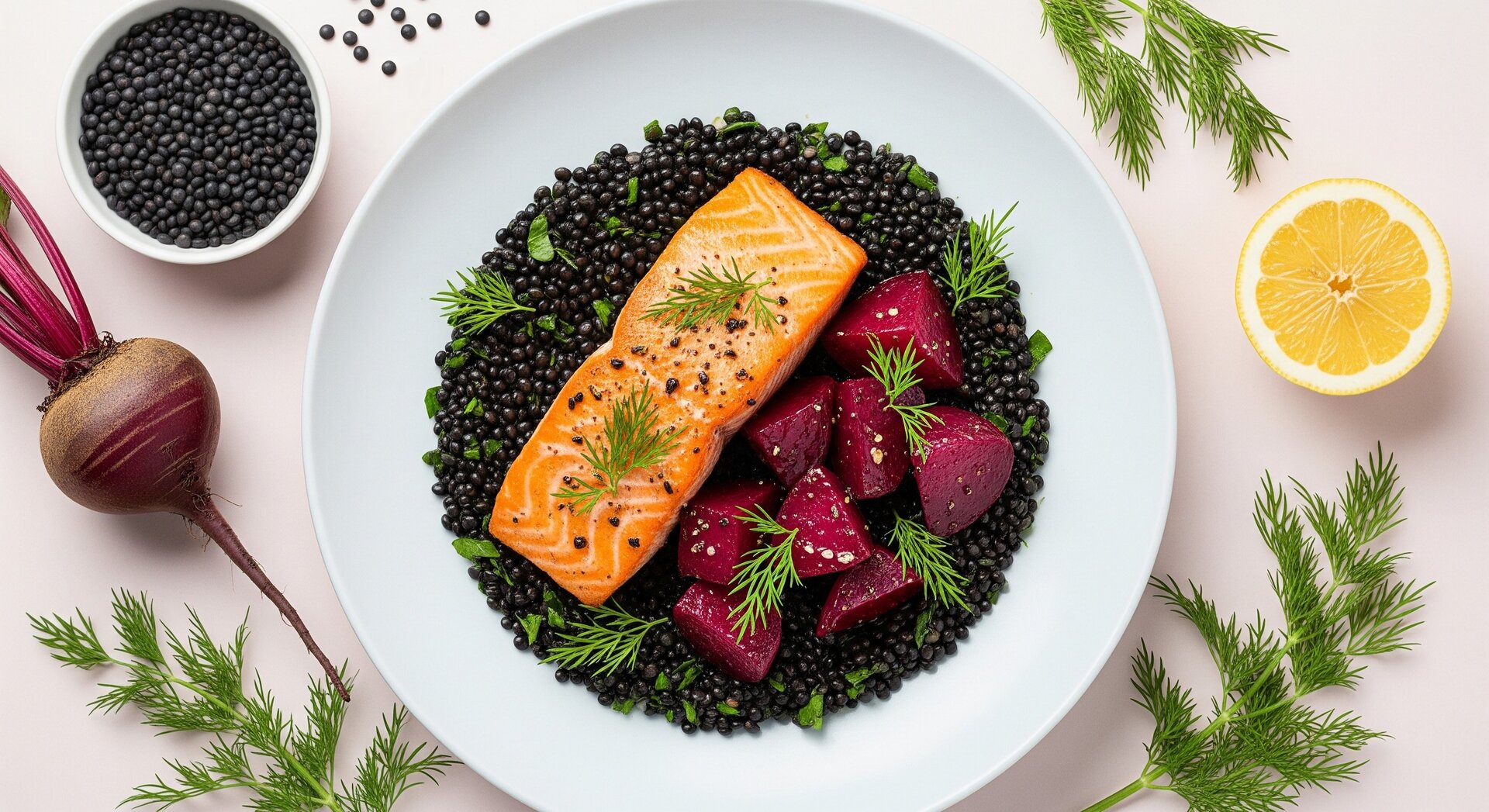 Pan-Fried Salmon with Beluga Lentils and Beets 45 min Pan-fried salmon on earthy lentils with roasted beets and dill
  577 kcal
  39g protein 1 synergies
 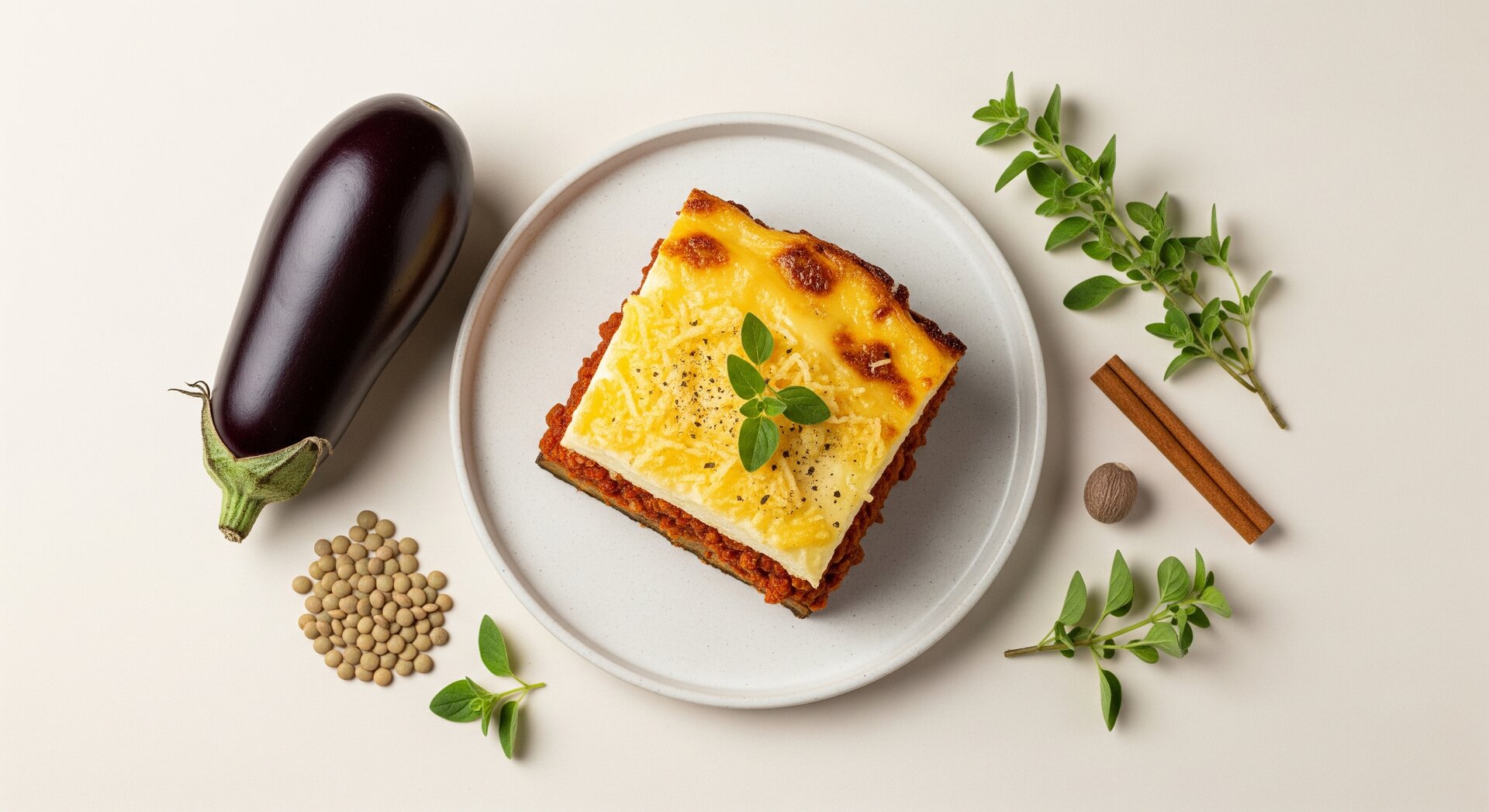 Greek-Cypriot Moussaka with Lentils 110 min Vegetarian moussaka with beluga lentils and cinnamon-tomato sauce 380 kcal 18g protein 2 synergies
 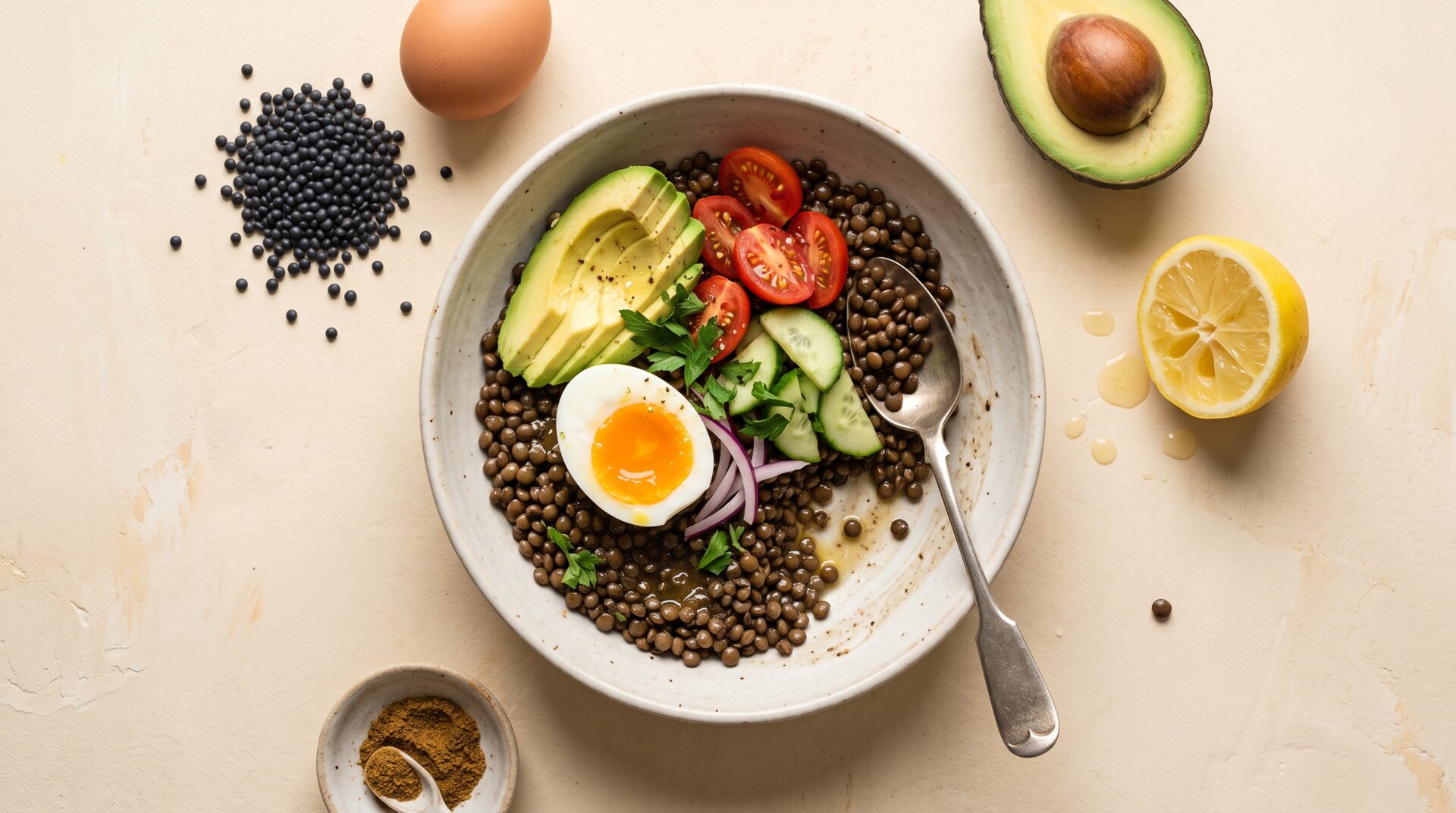 Lentil Breakfast Bowl with Egg and Avocado 15 min Savory breakfast bowl with lentils, egg and avocado 520 kcal 24g protein 3 synergies
  In the Kitchen
Storage
Location:Pantry
Shelf life:1-2 jaar droog
Store dried beluga lentils airtight, cool and dark. Check for moisture, musty smell or insects before use.
Preparation
Cook beluga lentils without soaking in plenty of water or stock. They hold their shape well, making them suitable for salads, bowls, stews and side dishes.
Conversions
Substitutes
Smart preparation
1Beluga lentils do not need to be soaked before cooking.
2Cook beluga lentils for 20-25 minutes, until tender but still firm to the bite.
Why?
This keeps them nicely intact and makes them ideal for salads, bowls and side dishes.
3Add salt only toward the end of the cooking time.
Why?
This keeps the skin more pleasant in texture and helps you control doneness better.
Caution / Warnings
Beluga Lentils is very safe, but there are scientific considerations:
FODMAP Sensitivity Moderate
Lentils contain GOS (galactooligosaccharides), carbohydrates that may cause gas or abdominal discomfort in sensitive people.
Advice:
Start with small portions, rinse lentils well and cook them thoroughly. Pair them with herbs and spices such as cumin or bay leaf if legumes are harder for you to tolerate.
Traditional use
Mediterranean
Black lentils in Middle Eastern and South Asian cuisines
Black lentils have been used for centuries in dishes from the Middle East and South Asia. The modern name ‘beluga’ mainly refers to their glossy appearance and resemblance to beluga caviar.
Summary
Beluga lentils are small black lentils with a firm bite, high fiber and high plant protein. Their dark skin contains anthocyanins, and their low glycemic index makes them useful for filling salads, bowls and side dishes.