Pumpkin Seed Oil
Dark green Styrian oil with an intense nutty flavor
What is this ingredient?
## The dark green finishing oil from Styria
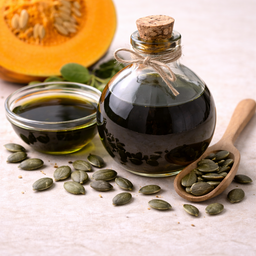
Pumpkin seed oil stands out for its deep color, toasted aroma, and regional tradition. Authentic Styrian pumpkin seed oil comes mainly from Styria (Austria) and Slovenia and is made from hull-less Cucurbita pepo var. styriaca pumpkin seeds. About 2.5 to 3 kg of pumpkin seeds are needed for 1 liter of oil.
Fatty acid profile (per 100 g, indicative):
- Omega-6 (linoleic acid): 35-60 g
- Omega-9 (oleic acid): 14-35 g
- Omega-3 (ALA): 0.5-1.5 g
- Saturated fat: 18-20 g
- Omega-6:omega-3 ratio: often high; balance it in your weekly meals with omega-3-rich foods such as flaxseed, chia seeds, walnuts, or oily fish
Characteristic nutrients and plant compounds:
- Plant sterols: 700-1200 mg/100 g, including Δ7-sterols characteristic of pumpkin seed oil
- Vitamin E: mainly gamma-tocopherol, a natural fat-soluble vitamin in oils and seeds
- Vitamin K: present in small to relevant amounts, depending on pressing and origin
- Squalene: a triterpene also found in olive oil and skin lipids
- Chlorophyll and carotenoids: give the dark green to reddish-brown color and are sensitive to light
Culinary tradition:
In Styria, pumpkin seed oil is classically used over potato salad, pumpkin soup, bean salad, bread, curd-style spreads, and even vanilla ice cream. The flavor is powerful, so a few drops or 1-2 teaspoons are often enough.
Use and quality:
Pumpkin seed oil has a low smoke point and is not a frying oil. Use it cold, store it in a dark bottle, and preferably keep it cool after opening. A deep green color, fresh nutty aroma, and clear toasted flavor indicate a young, well-stored oil.
How does it taste?
Intensely nutty and toasted, with deep dark-green richness and a soft savory finish.
Pairs well with:
Pairs well with pumpkin souppotato saladbean saladbreadgoat cheeseand vanilla ice cream.
Varieties
Styrian (PGI protected)
Produced in Styria (Austria) or Slovenia from hull-less Cucurbita pepo var. styriaca, cold-pressed at controlled temperature, with a dark green color, intense nutty flavor, and recognizable regional origin.
Regular (non-Styrian)
Produced from other pumpkin seeds or regions. Color, pressing method, flavor intensity, and sterol composition can vary more than in Styrian oil.
Did you know...?
- Pumpkin seed oil from Styria (Austria) has a Protected Geographical Indication (PGI).
- The dark green color of pumpkin seed oil mainly comes from chlorophyll, while reddish-brown tones come from the interplay of pigments and light.
Nutritional Value & Energy
Per 100ml
Pumpkin Seed Oil provides energy thanks to natural nutrients .
Per 100g
Minerals
Vitamins
More nutrients
B-Vitamins
Trace Minerals
What's in a serving?
1 tablespoon
Pumpkin seed oil naturally contains vitamin E (4.81 mg per 100 g).
% of daily reference intake (DRI)
EU-approved nutrition claims
This ingredient contains nutrients for which EFSA-authorized health claims exist at nutrient level, not specifically for pumpkin seed oil.
Approved health claims (EU)
Vitamin_e EU 432/2012
Vitamin E contributes to the protection of cells from oxidative stress
Contains 4.81mg/100g (threshold: ≥1.8mg/100g)
Vitamin_k EU 432/2012
Vitamin K contributes to normal blood clotting
Contains 12mcg/100g (threshold: ≥11.25mcg/100g)
Vitamin_k EU 432/2012
Vitamin K contributes to the maintenance of normal bones
Contains 12mcg/100g (threshold: ≥11.25mcg/100g)
What's being researched?
Pumpkin seed oil in clinical research
Pumpkin seed oil is studied in human and preclinical research in relation to urological outcome measures and quality-of-life questionnaires. The current literature is interesting, but results remain context-dependent and are not the same as an ingredient-specific EFSA health claim.
Supported by: [1] Nishimura M (2014) , [2] Vahlensieck W (2015) , [3] Tsai YS (2006)
Plant sterols in pumpkin seed oil
The sterol composition of pumpkin seed oil, including Δ7-sterols, is studied as part of the oil’s characteristic plant-compound profile. For nutrition communication, it remains important to distinguish between composition, research context, and authorized health claims.
Supported by: [3] Tsai YS (2006)
Good Combinations (Synergy)
Combine pumpkin seed oil smartly to enhance the effect:
Pumpkin Seed Oil 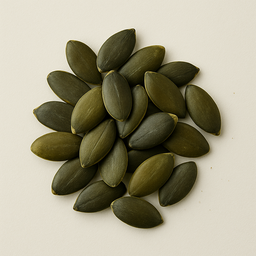 Pumpkin Seeds
 Oil + seeds: delta-7-sterols and zinc via complementary matrices
Technical: Pumpkin seed oil and pumpkin seeds come from the same source but have complementary benefits. Seeds contain zinc (7.6mg, 51% RDI), fiber and protein. The oil contains concentrated delta-7-sterols and cucurbitin (amino acid) with higher bioavailability of fat-soluble compounds. Delta-7-sterols influence 5-alpha-reductase (involved in DHT metabolism).
What does this mean for you? Use Styrian pumpkin seed oil (dark green, nutty) as dressing on salads and garnish with pumpkin seeds. This Austrian tradition combines minerals from the seeds with concentrated sterols from the oil.
Pumpkin Seed Oil 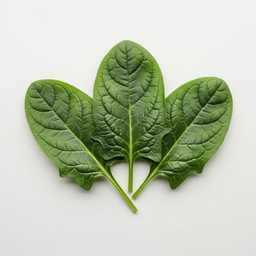 Spinach
 Phytosterols + carotenoids: delta-7-sterols dissolve fat-soluble pigments
Technical: Pumpkin seed oil contains 265mg phytosterols per 100ml (beta-sitosterol dominant), which influence 5-alpha-reductase and are involved in DHT metabolism. The dark green oil (chlorophyll A and B) dissolves lycopene from tomato (3-7mg/100g) and lutein from spinach (12,198μg/100g). Phytosterols compete with cholesterol for intestinal absorption, influencing lipid metabolism.
What does this mean for you? Drizzle pumpkin seed oil over a spinach-tomato salad. The oil increases your carotenoid absorption thanks to the fat-rich medium. The deep nutty flavor makes it a full dressing on its own.
Pumpkin Seed Oil 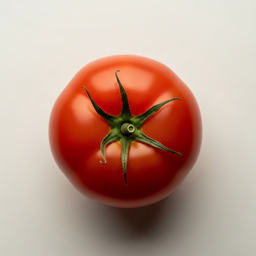 Tomato
 Phytosterols + carotenoids: delta-7-sterols dissolve fat-soluble pigments
Technical: Pumpkin seed oil contains 265mg phytosterols per 100ml (beta-sitosterol dominant), which influence 5-alpha-reductase and are involved in DHT metabolism. The dark green oil (chlorophyll A and B) dissolves lycopene from tomato (3-7mg/100g) and lutein from spinach (12,198μg/100g). Phytosterols compete with cholesterol for intestinal absorption, influencing lipid metabolism.
What does this mean for you? Drizzle pumpkin seed oil over a spinach-tomato salad. The oil increases your carotenoid absorption thanks to the fat-rich medium. The deep nutty flavor makes it a full dressing on its own.
Pumpkin Seed Oil 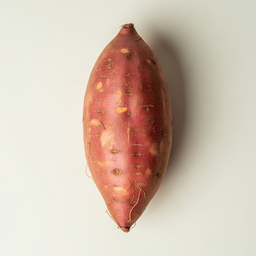 Sweet Potato
 Zinc + beta-carotene: cofactor for vitamin A transport
Technical: Pumpkin seed oil provides 7.8mg zinc per 100ml (71% RDI). Zinc is cofactor for retinol-binding protein (RBP) that transports vitamin A — without sufficient zinc, vitamin A cannot be effectively transported. Sweet potato contains 8,509μg beta-carotene per 100g, converted to vitamin A (retinol) activating RARα/RXR receptors. The oil's fat dissolves beta-carotene for absorption. Zinc contributes to the maintenance of normal vision (EFSA).
What does this mean for you? Roast sweet potato and drizzle pumpkin seed oil over it. The zinc from the oil ensures your body can transport vitamin A from sweet potato. Two complementary pathways in one dish.
 In the Kitchen
Storage
Location:Refrigerator
Shelf life:Ongeopend: 12-18 maanden (koel, donker). Geopend: 6-9 maanden (gekoeld), 3-4 maanden (kamertemperatuur)
Store protected from light, heat, and oxygen. Dark green oil with a fresh nutty aroma is usually younger and better stored; reddish-brown or yellowish tones often point to longer storage or more light exposure. Refrigeration preserves flavor and aroma after opening.
Preparation
Do not heat because of the low smoke point of around 121°C. Use cold as a finishing oil: over potato salad, pumpkin soup, bean salad, roasted vegetables after cooking, bread, soft cheese, or vanilla ice cream. The flavor is intense, so start with a few drops to 1-2 teaspoons.
Conversions
Substitutes
Smart preparation
1Use pumpkin seed oil only cold as a finishing oil; do not heat it.
Why?
Its low smoke point and delicate aromas make the oil better suited to cold dishes than to cooking.
2Drizzle pumpkin seed oil over soups, salads, bread, or vanilla ice cream just before serving.
3Store pumpkin seed oil in the fridge or another cool, dark place after opening.
Caution / Warnings
Pumpkin Seed Oil is very safe, but there are scientific considerations:
Pumpkin allergy or sensitivity to Cucurbitaceae Moderate
Pumpkin allergy is rare, but it can occur, especially in people who also react sensitively to other Cucurbitaceae such as cucumber, melon, or zucchini. Cold-pressed oil may contain tiny traces of pumpkin protein.
Advice:
Start with a small amount if you are sensitive to pumpkin or related plants. If in doubt, choose a refined version or ask a doctor or dietitian for personal advice.
Color loss from light and oxygen Mild
The dark green color mainly comes from chlorophyll and carotenoids. Exposure to light, heat, and oxygen can make the oil lose color and aroma more quickly.
Advice:
Store the oil in a dark bottle, preferably cool and tightly closed. Use within 6-9 months after opening for the best aroma, color, and flavor.
Traditional use
Other
Pumpkin Seed Oil in Styrian Food Culture
Pumpkin seed oil, regionally known as Kernöl, has been used in Styria since the 18th century as a distinctive seasoning oil. It belongs with potato salad, bean dishes, soups, bread, and desserts, and is known for its dark green color and toasted nutty aroma.
Summary
Pumpkin seed oil is a bold, dark green finishing oil with a toasted, nutty flavor. The Styrian version from Styria and Slovenia is the best-known culinary type and is traditionally used cold over potato salad, pumpkin soup, bread, bean salad, and even vanilla ice cream. The oil mainly contains linoleic acid and oleic acid, plus vitamin E, vitamin K, plant sterols, chlorophyll, and carotenoids. Do not heat it: use small amounts cold and store the bottle dark, cool, and tightly closed.