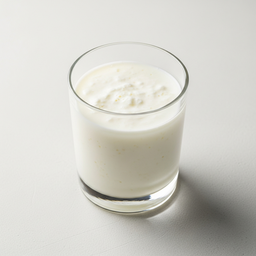
Kefir
the fermented milk drink from the Caucasus
What is this ingredient?
Kefir is a fermented milk drink from the Caucasus. It's made with 'kefir grains' - a unique combination of bacteria and yeasts found nowhere else. These grains have been passed down from generation to generation for thousands of years.
Expert Tip: 'Kefir grains' are not grain, but symbiotic colonies of bacteria and yeasts (SCOBY). If you want to make kefir yourself, you can buy these grains online and reuse them indefinitely. Homemade kefir is much stronger than store-bought versions.
How does it taste?
Fresh, tangy and slightly effervescent with a thin, drinkable texture.
Pairs well with:
Pairs well with berrieshoneybananaoats and vanilla.
Varieties
Homemade (Traditional)
Made with real kefir grains, contains up to 61 bacterial strains plus yeasts. Much stronger than store-bought, more sour and complex in flavor
Commercial (Store-bought)
Standardized product with fewer strains (10-12) but consistent and easily available. Good starting point for beginners
Water Kefir (Dairy-Free)
Fermented with sugar water instead of milk. Different grains, less protein but still probiotic. Suitable for lactose intolerance
Did you know...?
- The name 'kefir' comes from the Turkish word 'keyif' meaning 'good feeling'.
- Kefir grains have been passed down for centuries; they cannot be artificially replicated.
Nutritional Value & Energy
Per 100ml
Kefir provides energy thanks to natural nutrients .
Per 100g
Minerals
Vitamins
Omega-3 fatty acids
More nutrients
B-Vitamins
Trace Minerals
What's in a serving?
1 serving
Kefir naturally contains calcium (120 mg per 100 g).
Kefir naturally contains iodine (43 mcg per 100 g).
Kefir naturally contains vitamin b12 (0.4 mcg per 100 g).
% of daily reference intake (DRI)
EU-approved nutrition claims
This ingredient contains nutrients for which EFSA-authorized health claims exist (at nutrient level, not ingredient-specific).
Approved health claims (EU)
Vitamin_b12 EU 432/2012
Vitamin B12 contributes to the normal function of the immune system
Contains 0.4mcg/100g (threshold: ≥0.375mcg/100g)
Vitamin_b12 EU 432/2012
Vitamin B12 contributes to the reduction of tiredness and fatigue
Contains 0.4mcg/100g (threshold: ≥0.375mcg/100g)
Vitamin_b12 EU 432/2012
Vitamin B12 contributes to the normal functioning of the nervous system
Contains 0.4mcg/100g (threshold: ≥0.375mcg/100g)
Calcium EU 432/2012
Calcium is needed for the maintenance of normal bones
Contains 120mg/100g (threshold: ≥120mg/100g)
Vitamin_b12 EU 432/2012
Vitamin B12 contributes to normal energy-yielding metabolism
Contains 0.4mcg/100g (threshold: ≥0.375mcg/100g)
Vitamin_b12 EU 432/2012
Vitamin B12 contributes to normal homocysteine metabolism
Contains 0.4mcg/100g (threshold: ≥0.375mcg/100g)
Vitamin_b12 EU 432/2012
Vitamin B12 contributes to normal psychological function
Contains 0.4mcg/100g (threshold: ≥0.375mcg/100g)
Vitamin_b12 EU 432/2012
Vitamin B12 contributes to normal red blood cell formation
Contains 0.4mcg/100g (threshold: ≥0.375mcg/100g)
Vitamin_b12 EU 432/2012
Vitamin B12 has a role in the process of cell division
Contains 0.4mcg/100g (threshold: ≥0.375mcg/100g)
Calcium EU 432/2012
Calcium is needed for the maintenance of normal teeth
Contains 120mg/100g (threshold: ≥120mg/100g)
Calcium EU 432/2012
Calcium contributes to normal blood clotting
Contains 120mg/100g (threshold: ≥120mg/100g)
Calcium EU 432/2012
Calcium contributes to normal energy-yielding metabolism
Contains 120mg/100g (threshold: ≥120mg/100g)
Calcium EU 432/2012
Calcium contributes to normal muscle function
Contains 120mg/100g (threshold: ≥120mg/100g)
Calcium EU 432/2012
Calcium contributes to normal neurotransmission
Contains 120mg/100g (threshold: ≥120mg/100g)
Calcium EU 432/2012
Calcium contributes to the normal function of digestive enzymes
Contains 120mg/100g (threshold: ≥120mg/100g)
Calcium EU 432/2012
Calcium has a role in the process of cell division and specialisation
Contains 120mg/100g (threshold: ≥120mg/100g)
Iodine EU 432/2012
Iodine contributes to normal cognitive function
Contains 43mcg/100g (threshold: ≥22.5mcg/100g)
Iodine EU 432/2012
Iodine contributes to normal energy-yielding metabolism
Contains 43mcg/100g (threshold: ≥22.5mcg/100g)
Iodine EU 432/2012
Iodine contributes to normal functioning of the nervous system
Contains 43mcg/100g (threshold: ≥22.5mcg/100g)
Iodine EU 432/2012
Iodine contributes to the maintenance of normal skin
Contains 43mcg/100g (threshold: ≥22.5mcg/100g)
Iodine EU 432/2012
Iodine contributes to the normal production of thyroid hormones and normal thyroid function
Contains 43mcg/100g (threshold: ≥22.5mcg/100g)
Iodine EU 432/2012
Iodine contributes to the normal growth of children
Contains 43mcg/100g (threshold: ≥22.5mcg/100g)
What's being researched?
Kefir and gut microbiome
The unique symbiotic culture (kefir grains) and the diversity of probiotic strains in kefir are extensively studied. Studies show associations with improved lactose digestion and favorable microbiome shifts.
Supported by: [3] Hertzler (2003) , [1] Rosa (2017) , [2] Marco (2017)
Kefir and immune modulation
The immunomodulatory properties of kefir are being studied in animal and human studies. Preliminary evidence suggests effects on cytokine production and gut-associated lymphoid tissue.
Supported by: [1] Rosa (2017) , [2] Marco (2017)
Good Combinations (Synergy)
Combine kefir smartly to enhance the effect:
Kefir 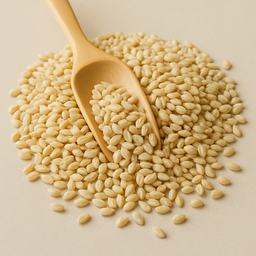 Barley
 Talbina — supports nervous system and gut flora
Technical: Barley contains beta-glucans (3-8g per 100g) that act as prebiotics — they selectively feed Lactobacillus and Bifidobacterium in the gut. Kefir delivers these live probiotic strains directly. Additionally, barley contains tryptophan that is converted to serotonin and melatonin via the gut-brain axis (vagus nerve). This combination is known as Talbina, a Prophetic recipe.
What does this mean for you? Cook barley porridge and stir in kefir or yogurt after cooking. This food is traditionally recommended for grief and stress. The prebiotics literally feed the probiotics — an ideal symbiosis for your gut flora and mood.
Kefir 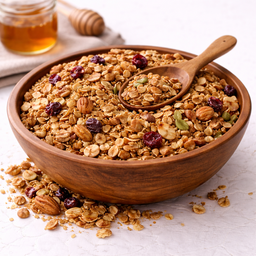 Granola
 Prebiotics + probiotics for optimal gut flora
Technical: Granola contains beta-glucans from oats — soluble fibers acting as prebiotics that selectively feed beneficial gut bacteria. Yogurt and kefir provide live probiotics (Lactobacillus, Bifidobacterium). This synbiotic effect — prebiotics feeding probiotics — maximizes colonization and survival of good bacteria in the gut.
What does this mean for you? Eat granola with yogurt or kefir for breakfast. The oat fibers from granola feed the good bacteria from yogurt — together they strengthen your gut flora.
Kefir 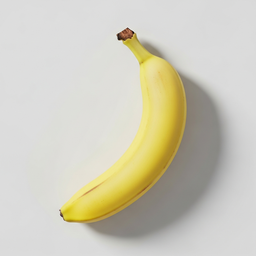 Banana
 Smoothie base: probiotics + prebiotic FOS + potassium
Technical: Kefir contains 30+ bacterial strains and yeasts (more diverse than yogurt). Banana contains fructo-oligosaccharides (FOS, prebiotics) that feed kefir bacteria, plus 358mg potassium per 100g. The combination forms a 'synbiotic' — pre- and probiotics together.
What does this mean for you? Blend kefir with banana for a powerful smoothie. Add chia seeds for extra fiber and omega-3.
Kefir 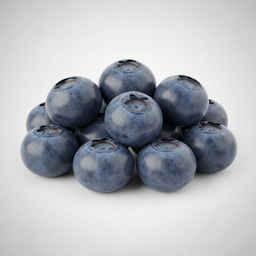 Blueberries
 Polyphenols support probiotics
Technical: Kefir contains 30-50 different bacterial and yeast strains — much more diverse than yogurt. Blueberries' polyphenols (anthocyanins) are prebiotic: they are fermented by gut bacteria into bioactive metabolites that promote growth of beneficial strains. This further strengthens kefir's already diverse microbiome.
What does this mean for you? Mix blueberries into your kefir as breakfast or smoothie. The berries feed the rich bacterial culture in kefir — a synbiotic combination for your gut flora.
Kefir 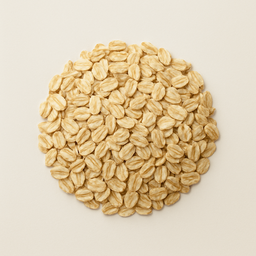 Oatmeal
 Prebiotics + Probiotics = Synbiotics
Technical: Oatmeal contains beta-glucans — soluble fibers acting as prebiotics. Kefir provides 30-50 probiotic strains. Together they form a synbiotic: beta-glucans selectively feed kefir's probiotics, strongly increasing their survival and colonization in the gut.
What does this mean for you? Pour kefir over your oatmeal instead of milk. The oat fiber feeds the probiotics from kefir — a synbiotic combination for your gut flora.
Kefir 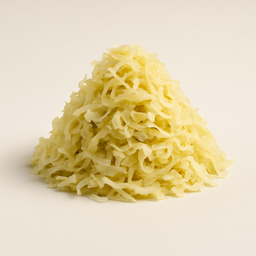 Sauerkraut
 Double probiotic diversity
Technical: Kefir contains 30-50 probiotic strains (bacteria and yeasts), sauerkraut contains different strains (primarily Lactobacillus plantarum and L. brevis). Together they provide maximum microbiome diversity. Diverse bacterial populations produce a broader spectrum of short-chain fatty acids.
What does this mean for you? Eat kefir and sauerkraut on the same day (not necessarily in one bite). Two different probiotic sources give your gut the most diversity — and diversity is the most important characteristic of varied gut flora.
Kefir 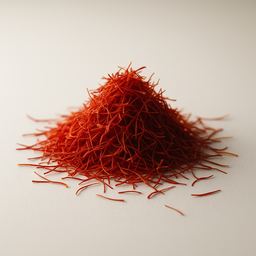 Saffron
 Golden milk for mood and sleep
Technical: Saffron contains safranal (sedative via GABAergic action) and crocin (carotenoid antioxidant). Safranal increases serotonin through reuptake inhibition. Milk contains tryptophan (serotonin precursor) and fat that makes fat-soluble crocin more absorbable. Together: sleep promotion via serotonin + GABA + fat absorption.
What does this mean for you? Warm milk with a pinch of saffron before bed. The saffron aids sleep through two routes (serotonin and GABA), the milk fat ensures optimal absorption.
Recipes with Kefir
Discover delicious recipes featuring kefir:
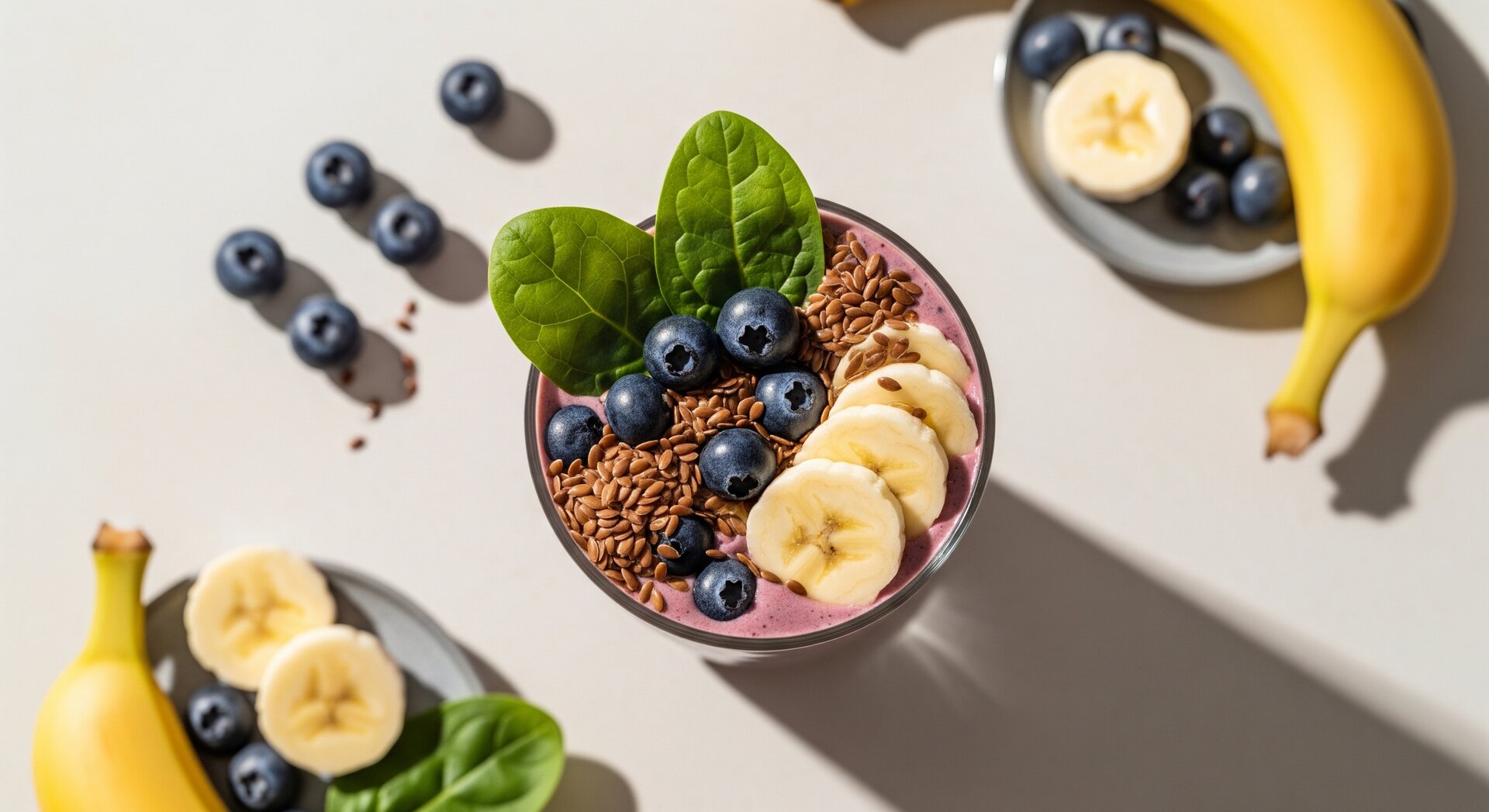 Velvety Blueberry Kefir Smoothie 5 min Fresh, creamy and softly green
  255 kcal
  9g protein 2 synergies
 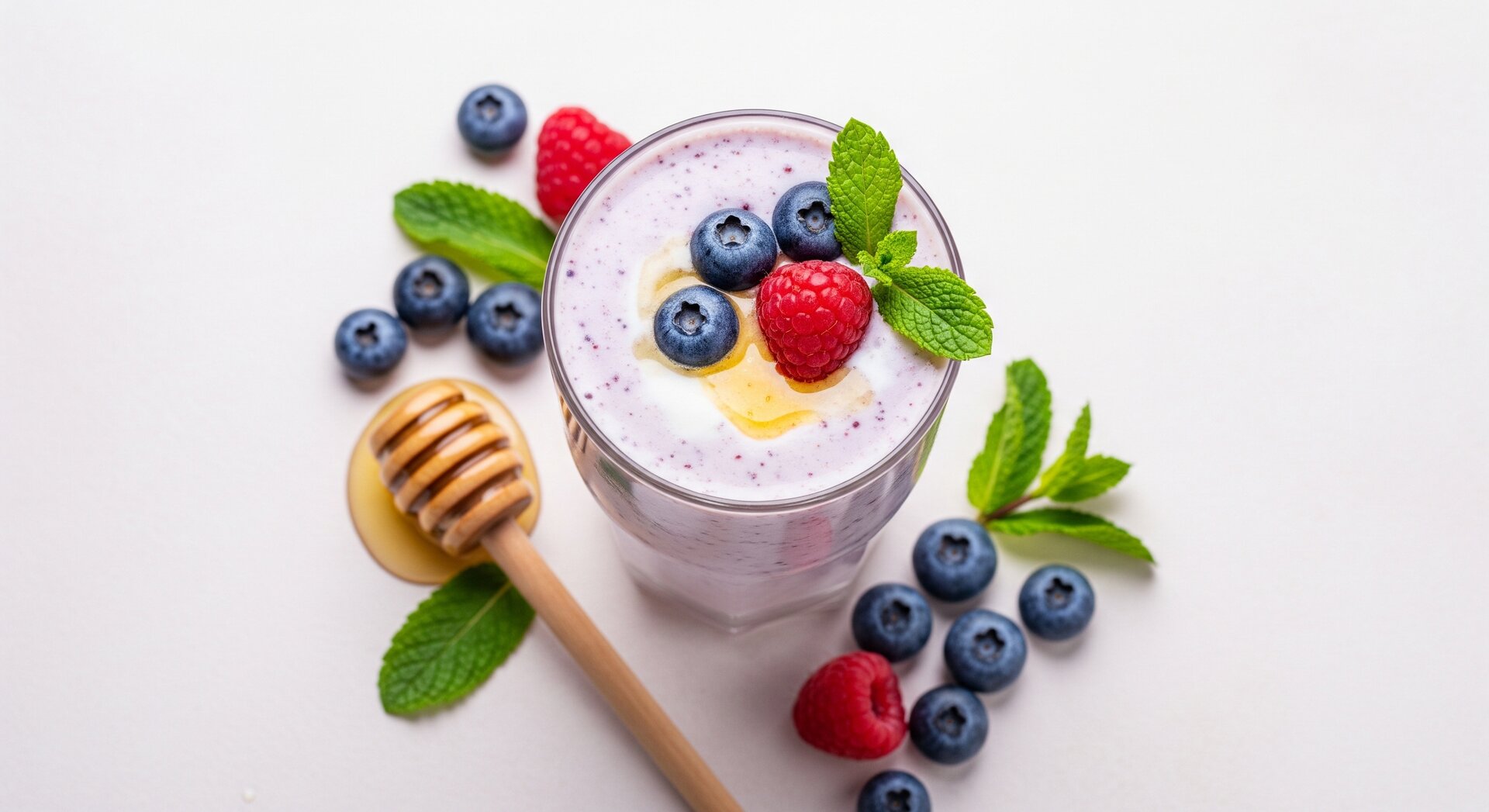 Kefir Smoothie with Berries and Honey 5 min A creamy fermented smoothie with blueberries and raspberries 179 kcal 7g protein 1 synergies
  In the Kitchen
Storage
Location:Refrigerator
Shelf life:2-3 weken (koelkast), zelfgemaakt korter
Kefir grains can be reused indefinitely if well maintained. Strain fresh kefir daily for new batch.
Preparation
Don't heat - this kills the probiotics. Combine with oatmeal (prebiotics) for synbiotic effect. Start with 50ml and build up.
Conversions
Substitutes
Smart preparation
1Shake kefir well before use, it separates quickly.
2Do not heat kefir above 40°C.
Why?
Higher temperatures kill the live cultures.
3Use kefir as a substitute for buttermilk in pancakes.
Caution / Warnings
Kefir is very safe, but there are scientific considerations:
Severe Immunodeficiency Moderate
With severely weakened immune system, live bacteria can pose risks
Advice:
Consult your doctor if you use immunosuppressants or have a serious immune disorder
Startup Phase Mild
When starting, kefir can temporarily cause gas and discomfort
Advice:
Start with small amounts (50ml) and build up slowly. Your intestines need to get used to the new residents
Traditional use
Other
Kefir in the Caucasus
Kefir originated in the Caucasus, where shepherds have prepared it in leather bags for centuries. It was considered a gift from the gods.
Islamic tradition
Kefir in the Islamic World
Fermented milk drinks have a long tradition in the Islamic world, valued for their cooling and nourishing properties.
Summary
Kefir is yogurt on steroids. Where yogurt contains 2-7 bacterial strains, kefir is packed with up to 61 different strains plus yeasts. It's the easiest way to give your gut flora a complete makeover. Drink it for breakfast with oatmeal (prebiotics), or make your own kefir with grains for maximum strength. Start slowly - your intestines need to get used to the new residents.