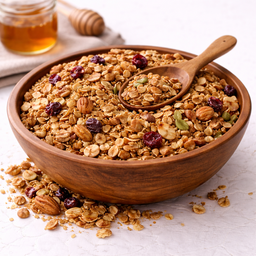
Granola
Crunchy oat and nut mix
What is this ingredient?
Granola combines oats, nuts and seeds in a crunchy mix often used for breakfast or as a topping. Homemade granola mainly gives you control: you decide how much sweetener, oil, salt, nuts and seeds go in, while commercial versions can vary greatly in sugar content and portion size.
## Beta-glucan from oats
Oats contain beta-glucan, a soluble fiber found mainly in oats and barley. Whitehead et al. (2014) examined oat beta-glucan in relation to blood lipids, while EFSA assessed oat fiber for reducing the blood glucose rise after a meal. For granola, the practical nutritional value depends strongly on the recipe: more oats and seeds provide more fiber, while generous honey or syrup increases sugar intake.
## Vitamin E from nuts
Nuts and seeds provide alpha-tocopherol, the main form of vitamin E in food. Vitamin E contributes to the protection of cells from oxidative stress. In granola, this mainly comes from ingredients such as almonds, hazelnuts, sunflower seeds and other seeds.
## Use and portion
Granola is energy-dense because it combines grains, nuts, seeds, oil and sweetener. A small portion can add a lot of flavor and crunch to yogurt, quark, fruit or oatmeal. For a balanced choice, choose granola with clear ingredients, enough oats and seeds, and a limited amount of sweetener.
How does it taste?
Crunchy-sweet with toasted oats, nuts and a light caramel note.
Pairs well with:
Pairs well with yogurtfresh fruithoneycoconut and chia seeds.
Did you know...?
- Granola was developed in 1863 by Dr. James Caleb Jackson in New York.
- The original product was called ‘granula’ and had to soak overnight before it was pleasant to eat.
Nutritional Value & Energy
Per 100g
Granola provides energy thanks to natural nutrients , buffered by fiber.
Per 100g
Minerals
Vitamins
Omega-3 fatty acids
More nutrients
Trace Minerals
What's in a serving?
1 serving
Granola naturally contains iron (3.5 mg per 100 g).
Granola naturally contains zinc (2.7 mg per 100 g).
Granola naturally contains magnesium (107 mg per 100 g).
Granola naturally contains potassium (339 mg per 100 g).
Granola naturally contains phosphorus (260 mg per 100 g).
Granola naturally contains vitamin e (6.5 mg per 100 g).
Granola naturally contains selenium (12.5 mcg per 100 g).
Granola naturally contains folate (35 mcg per 100 g).
% of daily reference intake (DRI)
EU-approved nutrition claims
This ingredient contains nutrients for which EFSA-authorized health claims exist (at nutrient level, not ingredient-specific).
Approved health claims (EU)
Magnesium EU 432/2012
Magnesium contributes to normal muscle function
Contains 107mg/100g (threshold: ≥56.25mg/100g)
Magnesium EU 432/2012
Magnesium contributes to the reduction of tiredness and fatigue
Contains 107mg/100g (threshold: ≥56.25mg/100g)
Magnesium EU 432/2012
Magnesium contributes to normal functioning of the nervous system
Contains 107mg/100g (threshold: ≥56.25mg/100g)
Zinc EU 432/2012
Zinc contributes to the normal function of the immune system
Contains 2.7mg/100g (threshold: ≥1.5mg/100g)
Zinc EU 432/2012
Zinc contributes to the maintenance of normal skin
Contains 2.7mg/100g (threshold: ≥1.5mg/100g)
Iron EU 432/2012
Iron contributes to normal energy-yielding metabolism
Contains 3.5mg/100g (threshold: ≥2.1mg/100g)
Iron EU 432/2012
Iron contributes to the reduction of tiredness and fatigue
Contains 3.5mg/100g (threshold: ≥2.1mg/100g)
Potassium EU 432/2012
Potassium contributes to the maintenance of normal blood pressure
Contains 339mg/100g (threshold: ≥300mg/100g)
Folate EU 432/2012
Folate contributes to normal blood formation
Contains 35mcg/100g (threshold: ≥30mcg/100g)
Folate EU 432/2012
Folate contributes to normal amino acid synthesis
Contains 35mcg/100g (threshold: ≥30mcg/100g)
Folate EU 432/2012
Folate contributes to normal homocysteine metabolism
Contains 35mcg/100g (threshold: ≥30mcg/100g)
Folate EU 432/2012
Folate contributes to normal psychological function
Contains 35mcg/100g (threshold: ≥30mcg/100g)
Folate EU 432/2012
Folate contributes to the normal function of the immune system
Contains 35mcg/100g (threshold: ≥30mcg/100g)
Folate EU 432/2012
Folate has a role in the process of cell division
Contains 35mcg/100g (threshold: ≥30mcg/100g)
Folate EU 432/2012
Folate contributes to maternal tissue growth during pregnancy
Contains 35mcg/100g (threshold: ≥30mcg/100g)
Vitamin_e EU 432/2012
Vitamin E contributes to the protection of cells from oxidative stress
Contains 6.5mg/100g (threshold: ≥1.8mg/100g)
Phosphorus EU 432/2012
Phosphorus contributes to normal energy-yielding metabolism
Contains 260mg/100g (threshold: ≥105mg/100g)
Phosphorus EU 432/2012
Phosphorus contributes to the normal function of cell membranes
Contains 260mg/100g (threshold: ≥105mg/100g)
Phosphorus EU 432/2012
Phosphorus contributes to the maintenance of normal bones
Contains 260mg/100g (threshold: ≥105mg/100g)
Phosphorus EU 432/2012
Phosphorus contributes to the maintenance of normal teeth
Contains 260mg/100g (threshold: ≥105mg/100g)
Magnesium EU 432/2012
Magnesium contributes to normal energy-yielding metabolism
Contains 107mg/100g (threshold: ≥56.25mg/100g)
Magnesium EU 432/2012
Magnesium contributes to electrolyte balance
Contains 107mg/100g (threshold: ≥56.25mg/100g)
Magnesium EU 432/2012
Magnesium contributes to normal protein synthesis
Contains 107mg/100g (threshold: ≥56.25mg/100g)
Magnesium EU 432/2012
Magnesium contributes to normal psychological function
Contains 107mg/100g (threshold: ≥56.25mg/100g)
Magnesium EU 432/2012
Magnesium contributes to the maintenance of normal bones
Contains 107mg/100g (threshold: ≥56.25mg/100g)
Magnesium EU 432/2012
Magnesium contributes to the maintenance of normal teeth
Contains 107mg/100g (threshold: ≥56.25mg/100g)
Magnesium EU 432/2012
Magnesium has a role in the process of cell division
Contains 107mg/100g (threshold: ≥56.25mg/100g)
Iron EU 432/2012
Iron contributes to normal cognitive function
Contains 3.5mg/100g (threshold: ≥2.1mg/100g)
Iron EU 432/2012
Iron contributes to normal formation of red blood cells and haemoglobin
Contains 3.5mg/100g (threshold: ≥2.1mg/100g)
Iron EU 432/2012
Iron contributes to normal oxygen transport in the body
Contains 3.5mg/100g (threshold: ≥2.1mg/100g)
Iron EU 432/2012
Iron contributes to the normal function of the immune system
Contains 3.5mg/100g (threshold: ≥2.1mg/100g)
Iron EU 432/2012
Iron has a role in the process of cell division
Contains 3.5mg/100g (threshold: ≥2.1mg/100g)
Zinc EU 432/2012
Zinc contributes to normal acid-base metabolism
Contains 2.7mg/100g (threshold: ≥1.5mg/100g)
Zinc EU 432/2012
Zinc contributes to normal carbohydrate metabolism
Contains 2.7mg/100g (threshold: ≥1.5mg/100g)
Zinc EU 432/2012
Zinc contributes to normal cognitive function
Contains 2.7mg/100g (threshold: ≥1.5mg/100g)
Zinc EU 432/2012
Zinc contributes to normal DNA synthesis
Contains 2.7mg/100g (threshold: ≥1.5mg/100g)
Zinc EU 432/2012
Zinc contributes to normal fertility and reproduction
Contains 2.7mg/100g (threshold: ≥1.5mg/100g)
Zinc EU 432/2012
Zinc contributes to normal macronutrient metabolism
Contains 2.7mg/100g (threshold: ≥1.5mg/100g)
Zinc EU 432/2012
Zinc contributes to normal metabolism of fatty acids
Contains 2.7mg/100g (threshold: ≥1.5mg/100g)
Zinc EU 432/2012
Zinc contributes to normal metabolism of vitamin A
Contains 2.7mg/100g (threshold: ≥1.5mg/100g)
Zinc EU 432/2012
Zinc contributes to normal protein synthesis
Contains 2.7mg/100g (threshold: ≥1.5mg/100g)
Zinc EU 432/2012
Zinc contributes to the maintenance of normal bones
Contains 2.7mg/100g (threshold: ≥1.5mg/100g)
Zinc EU 432/2012
Zinc contributes to the maintenance of normal hair
Contains 2.7mg/100g (threshold: ≥1.5mg/100g)
Zinc EU 432/2012
Zinc contributes to the maintenance of normal nails
Contains 2.7mg/100g (threshold: ≥1.5mg/100g)
Zinc EU 432/2012
Zinc contributes to the maintenance of normal testosterone levels in the blood
Contains 2.7mg/100g (threshold: ≥1.5mg/100g)
Zinc EU 432/2012
Zinc contributes to the maintenance of normal vision
Contains 2.7mg/100g (threshold: ≥1.5mg/100g)
Zinc EU 432/2012
Zinc contributes to the protection of cells from oxidative stress
Contains 2.7mg/100g (threshold: ≥1.5mg/100g)
Zinc EU 432/2012
Zinc has a role in the process of cell division
Contains 2.7mg/100g (threshold: ≥1.5mg/100g)
Selenium EU 432/2012
Selenium contributes to the maintenance of normal hair
Contains 12.5mcg/100g (threshold: ≥8.25mcg/100g)
Selenium EU 432/2012
Selenium contributes to the maintenance of normal nails
Contains 12.5mcg/100g (threshold: ≥8.25mcg/100g)
Selenium EU 432/2012
Selenium contributes to the normal function of the immune system
Contains 12.5mcg/100g (threshold: ≥8.25mcg/100g)
Selenium EU 432/2012
Selenium contributes to normal thyroid function
Contains 12.5mcg/100g (threshold: ≥8.25mcg/100g)
Selenium EU 432/2012
Selenium contributes to normal spermatogenesis
Contains 12.5mcg/100g (threshold: ≥8.25mcg/100g)
Selenium EU 432/2012
Selenium contributes to the protection of cells from oxidative stress
Contains 12.5mcg/100g (threshold: ≥8.25mcg/100g)
Potassium EU 432/2012
Potassium contributes to normal functioning of the nervous system
Contains 339mg/100g (threshold: ≥300mg/100g)
Potassium EU 432/2012
Potassium contributes to normal muscle function
Contains 339mg/100g (threshold: ≥300mg/100g)
What's being researched?
Granola and glucose response
The glucose response after eating granola depends on the ingredients, portion size and combination with foods such as yogurt or fruit. Fiber content, oat proportion and amount of sweetener are important factors.
Supported by: [1] Whitehead A (2014) , [3] EFSA Panel on Dietetic Products (2011)
Good Combinations (Synergy)
Combine granola smartly to enhance the effect:
Granola 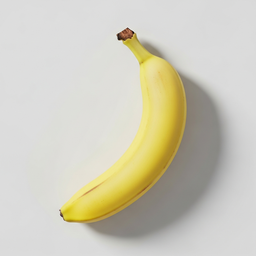 Banana
 Oat-nut mix + potassium for energy and sports recovery
Technical: Granola combines oat flakes (β-glucan 4g/100g, slow carbohydrates), nuts (healthy fats, vitamin E) and seeds (minerals). Banana provides 358mg potassium and quick sugars (12g glucose + fructose) for glycogen recovery. The combination offers multi-phase energy: quick sugars (banana) → medium carbohydrates (oats) → slow fats (nuts). Potassium restores electrolyte balance after exercise. β-glucan is a soluble fibre from oats.
What does this mean for you? Granola with banana is the ideal breakfast or post-workout snack. You get immediate energy from the banana, sustained energy from the oats, and building blocks from the nuts — all in one bowl.
Granola 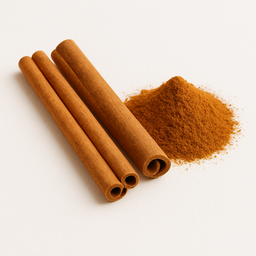 Cinnamon
 β-glucan + cinnamaldehyde for blood sugar and cholesterol
Technical: Granola's oat flakes contain beta-glucan (4g/100g) — a soluble fiber that binds bile acids in the gut and slows gastric emptying. Cinnamon's cinnamaldehyde activates AMPK for insulin-independent glucose uptake. Together they work on two levels: beta-glucan physically slows carbohydrate breakdown (gel formation), cinnamon biochemically supports cellular glucose uptake.
What does this mean for you? Sprinkle generous cinnamon over your granola. The beta-glucan binds bile acids, the cinnamon supports glycemic balance — two complementary mechanisms in one breakfast.
Granola 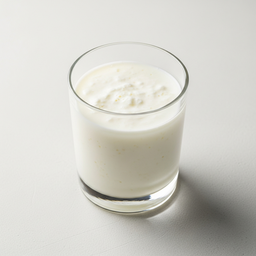 Kefir
Kefir Prebiotics + probiotics for optimal gut flora
Technical: Granola contains beta-glucans from oats — soluble fibers acting as prebiotics that selectively feed beneficial gut bacteria. Yogurt and kefir provide live probiotics (Lactobacillus, Bifidobacterium). This synbiotic effect — prebiotics feeding probiotics — maximizes colonization and survival of good bacteria in the gut.
What does this mean for you? Eat granola with yogurt or kefir for breakfast. The oat fibers from granola feed the good bacteria from yogurt — together they strengthen your gut flora.
Granola 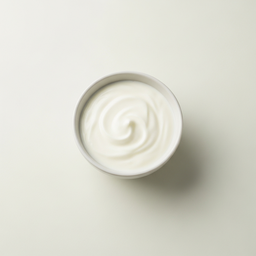 Yogurt
 Prebiotics + probiotics for optimal gut flora
Technical: Granola contains beta-glucans from oats — soluble fibers acting as prebiotics that selectively feed beneficial gut bacteria. Yogurt and kefir provide live probiotics (Lactobacillus, Bifidobacterium). This synbiotic effect — prebiotics feeding probiotics — maximizes colonization and survival of good bacteria in the gut.
What does this mean for you? Eat granola with yogurt or kefir for breakfast. The oat fibers from granola feed the good bacteria from yogurt — together they strengthen your gut flora.
Recipes with Granola
Discover delicious recipes featuring granola:
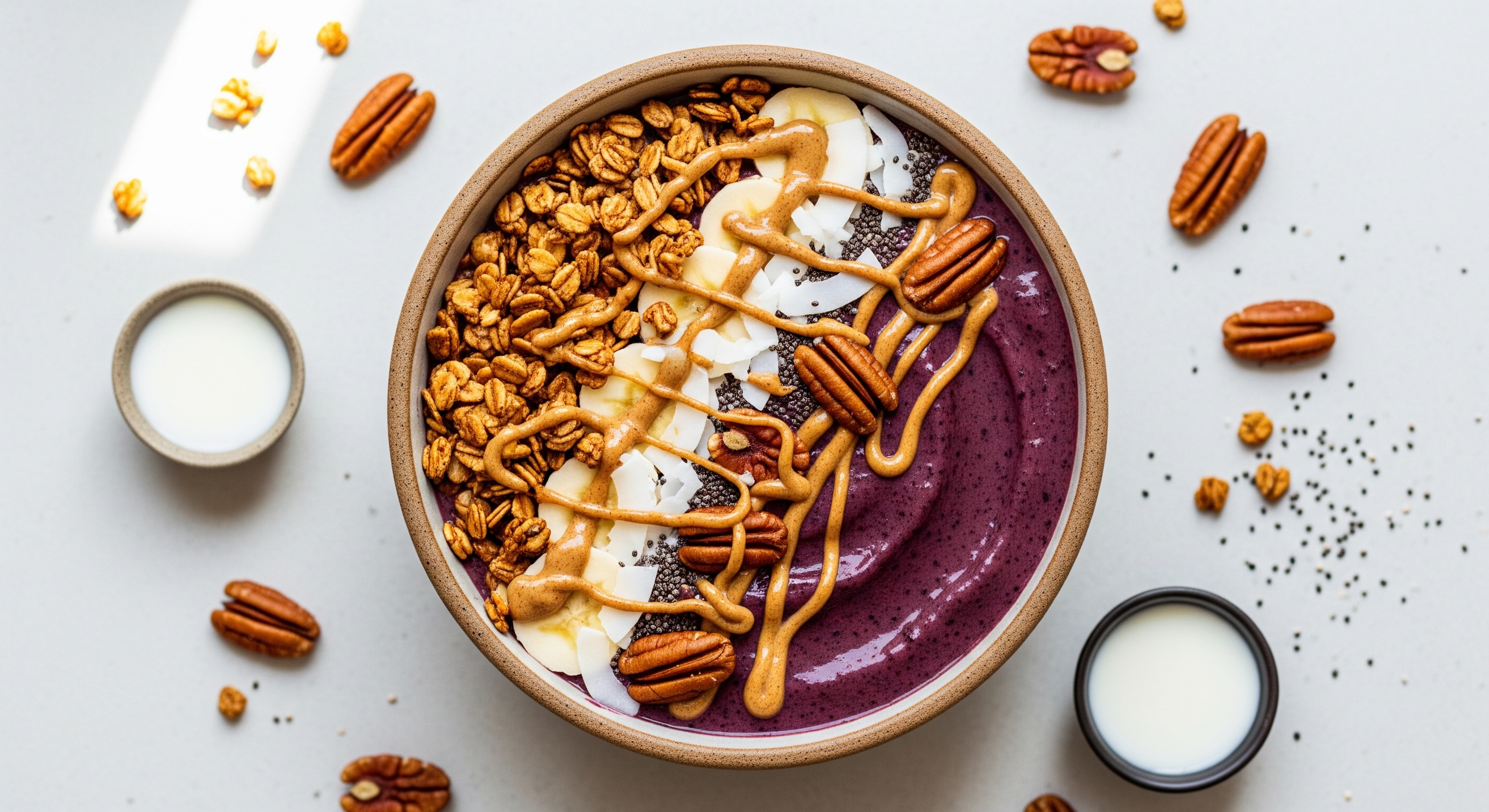 Açaí Bowl with Nuts, Granola & Coconut Base 10 min Colorful bowl with açaí, nuts and seeds on a creamy coconut-banana base
  745 kcal
  16g protein 2 synergies
 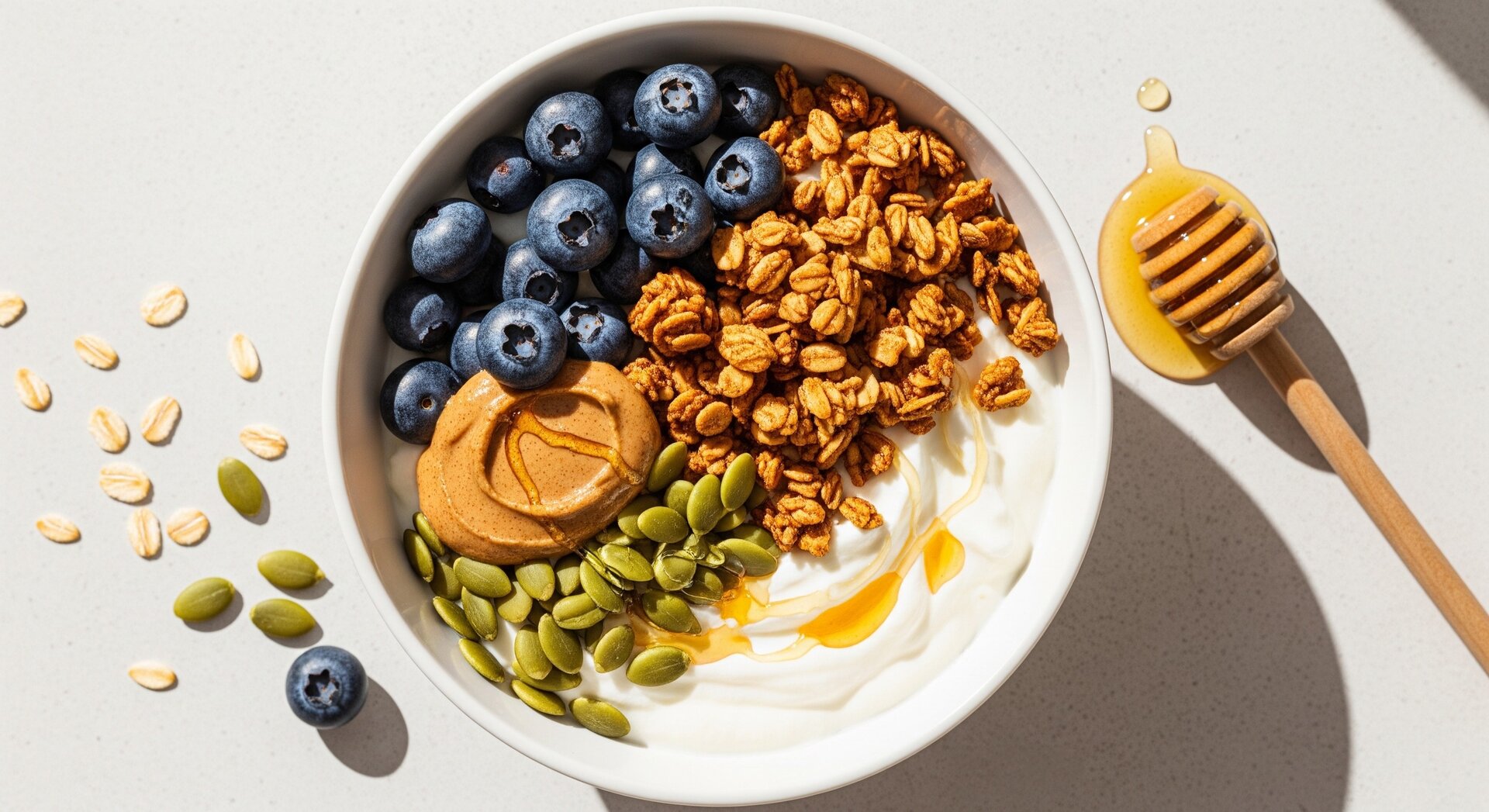 Skyr Power Bowl with Granola and Nuts 5 min Creamy Icelandic skyr with crunchy granola, berries and nuts 976 kcal 55g protein 1 synergies
 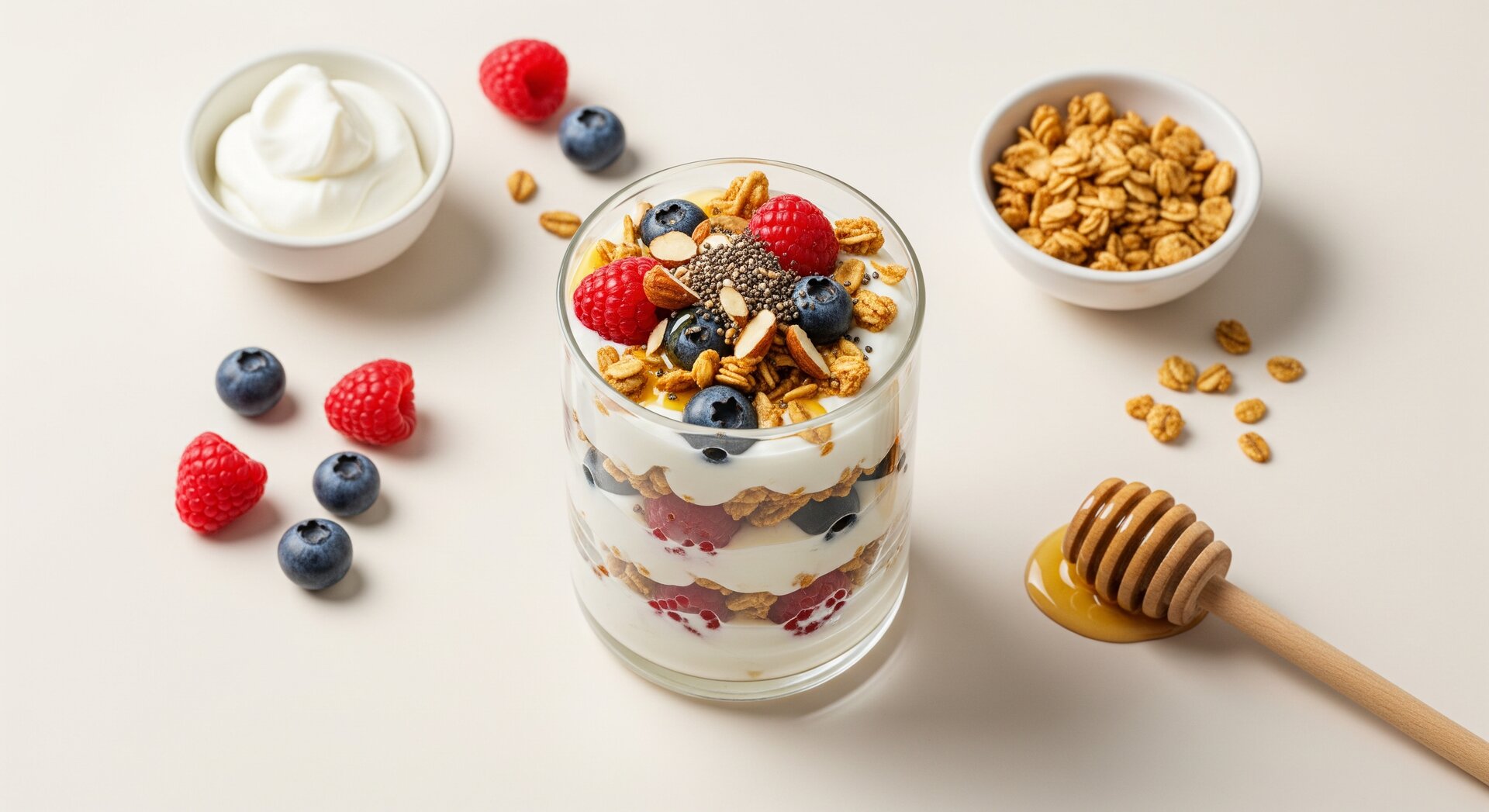 Skyr Protein Parfait with Granola 5 min Layered breakfast with creamy skyr, crunchy granola and fresh berries 420 kcal 28g protein 1 synergies
 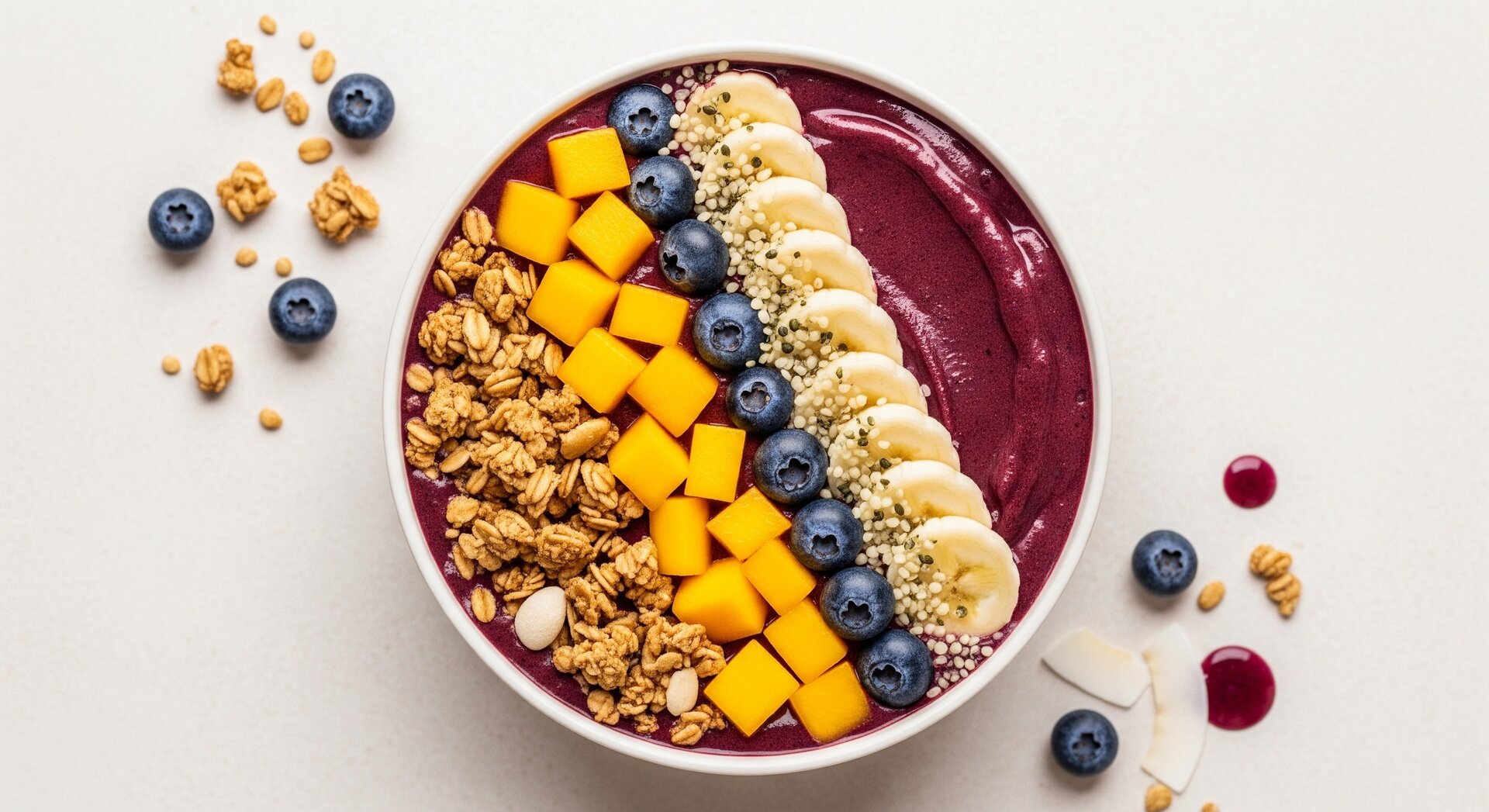 Tropical Açaí Protein Bowl 8 min Deep purple Brazilian bowl with hemp seeds and mango 397 kcal 10g protein 1 synergies
 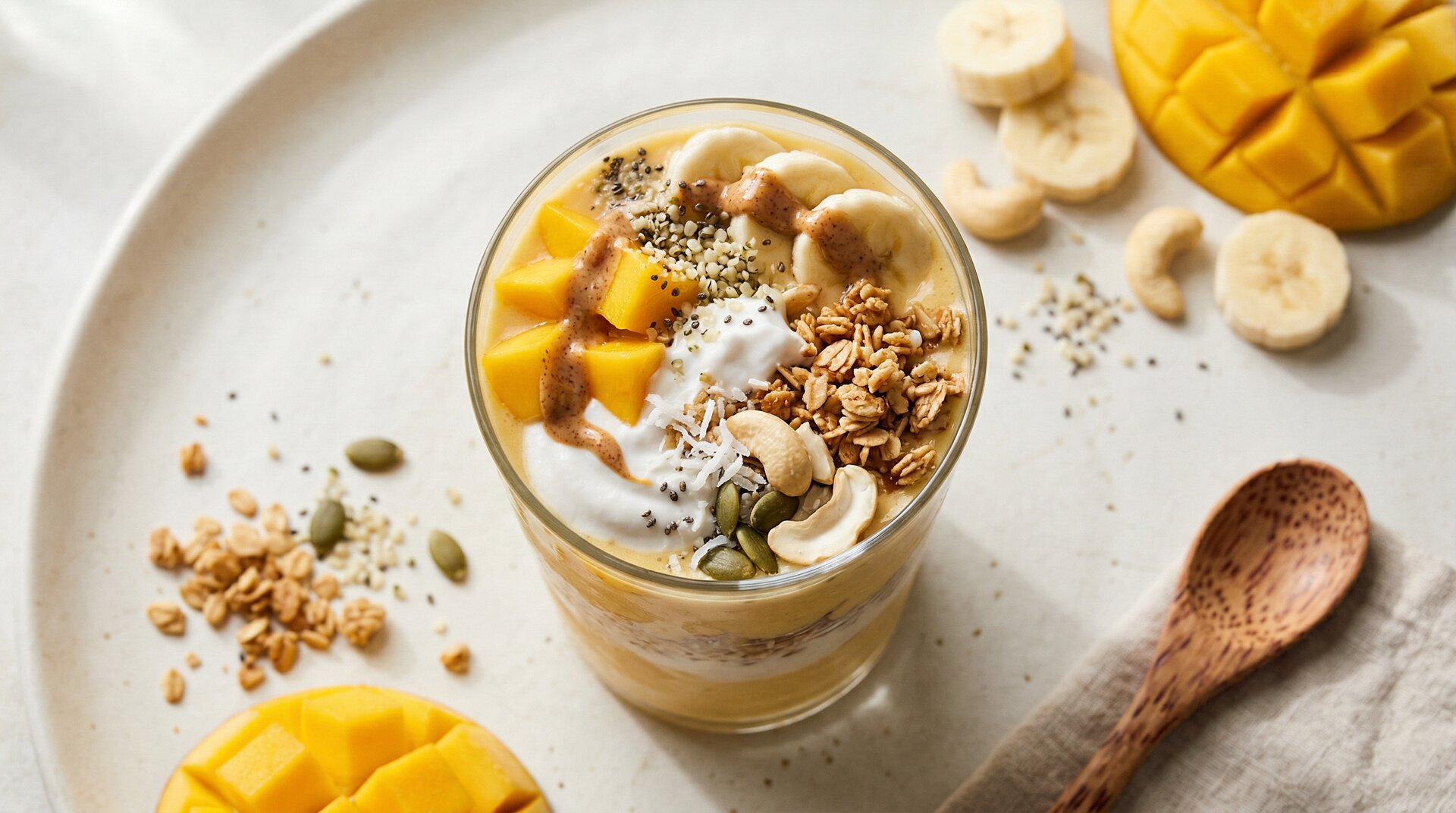 Tropical Smoothie Bowl with Granola & Coconut Cream 10 min Colorful bowl with frozen fruit, crunchy granola and creamy coconut 1050 kcal 28g protein 2 synergies
  In the Kitchen
Storage
Location:Pantry
Shelf life:2-3 weken in luchtdichte container
Let granola cool completely before storing it airtight; this keeps the texture crunchy and prevents condensation in the jar.
Preparation
Mix oats, nuts, seeds, a little oil and sweetener. Spread thinly on a baking tray and roast at 150°C until golden and crunchy.
Conversions
Substitutes
Smart preparation
1Do not stir granola too often while baking if you want larger, crunchy clusters.
Why?
Undisturbed baking lets the sweetener caramelize and the pieces bind together.
2Add dried fruit only after baking.
Why?
This keeps the flavor fruity and prevents raisins or berries from becoming too hard.
3Let granola cool completely on the baking sheet before putting it in a jar.
Why?
As it cools, the texture becomes crunchier and stores better.
Caution / Warnings
Granola is very safe, but there are scientific considerations:
Gluten intolerance Severe
Oats can come into contact with gluten-containing grains during cultivation, transport or processing unless certified gluten-free.
Advice:
For coeliac disease or a strict gluten-free diet, choose only granola made with certified gluten-free oats and check the label.
Nut allergy Severe
Many granola recipes contain nuts or may contain traces of nuts due to production in the same environment.
Advice:
For a nut allergy, use a nut-free version with seeds such as pumpkin or sunflower seeds and check for cross-contamination.
Summary
Homemade granola combines oats, nuts and seeds in a crunchy mix. Oats contain beta-glucan and nuts provide vitamin E; watch the portion and sweetener because granola is energy-dense.