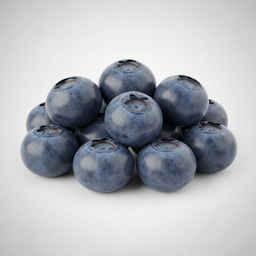
Blueberries
Small blue berries with anthocyanins
What is this ingredient?
Blueberries (Vaccinium) are small, round fruits with a deep indigo-blue color. The light, powdery coating on the skin, often called the "bloom", is a natural protective layer and often a sign that the berries have been handled gently.
The berries are especially known for their anthocyanins: plant pigments responsible for the blue-purple color. They also contain fiber, vitamin K, modest vitamin C and several polyphenols. Fresh blueberries are juicy and mildly sweet, while wild bilberries are usually smaller with a more intense, slightly tart flavor.
Culinarily, blueberries are versatile: they work in breakfast bowls, oatmeal, muffins, pancakes, salads and sauces. Frozen berries are convenient for smoothies and baking, while fresh berries look best as a topping just before serving.
How does it taste?
Sweet and juicy with mild tartness and a floral undertone.
Pairs well with:
Pairs well with lemonlavenderyogurtmaple syrup and almond.
Varieties
Cultivated Blueberry
V. corymbosum - larger, lighter flesh, milder taste
Wild Bilberry
V. angustifolium - smaller, more intense flavor and deep red/purple inside
Did you know...?
- Blueberries are one of the few foods that are naturally blue.
- Blueberries are native to North America and were called 'star fruit' by some Indigenous peoples.
Nutritional Value & Energy
Per 100g
Blueberries provides energy thanks to natural nutrients , buffered by fiber.
Per 100g
Minerals
Vitamins
Omega-3 fatty acids
More nutrients
B-Vitamins
Trace Minerals
Low GI means blood sugar doesn't spike quickly.
Low GL means minimal impact on your blood sugar per serving.
What's in a serving?
1 serving
Blueberries naturally contain vitamin K (19.3 mcg per 100 g).
% of daily reference intake (DRI)
EU-approved nutrition claims
This ingredient contains nutrients for which EFSA-authorized health claims exist (at nutrient level, not ingredient-specific).
Approved health claims (EU)
Vitamin_k EU 432/2012
Vitamin K contributes to normal blood clotting
Contains 19.3mcg/100g (threshold: ≥11.25mcg/100g)
Vitamin_k EU 432/2012
Vitamin K contributes to the maintenance of normal bones
Contains 19.3mcg/100g (threshold: ≥11.25mcg/100g)
What's being researched?
Anthocyanins and cognitive research markers
Anthocyanins in blueberries are being studied in relation to memory, attention and cognitive aging. Clinical studies report interesting outcomes, while dose, food matrix and long-term patterns continue to be investigated.
Supported by: [3] Devore (2012) , [4] Whyte AR (2015)
Anthocyanins and vascular function
The relationship between blueberry consumption, anthocyanins and vascular markers is being studied. Randomized studies use endpoints such as endothelial function, arterial stiffness and circulation markers.
Supported by: [7] Johnson (2015) , [6] Miraghajani M (2020)
Polyphenols and oxidative stress markers
The polyphenol profile of blueberries is being studied in relation to oxidative stress markers. Human studies measure changes such as plasma values after consumption.
Supported by: [1] Kalt W (1999) , [3] Devore (2012) , [4] Whyte AR (2015)
Good Combinations (Synergy)
Combine blueberries smartly to enhance the effect:
Blueberries 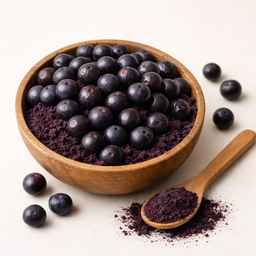 Açaí
Açaí Double anthocyanin power: complementary antioxidants
Technical: Acai has the highest ORAC value in the world (102,700 umol TE/100g). Blueberries score 9,621. Acai contains cyanidin-3-glucoside, blueberries contain malvidin and delphinidin — different anthocyanins providing complementary antioxidant protection. Together they cover a broader spectrum of free radicals and both cross the blood-brain barrier, where they reduce neuronal oxidative stress.
What does this mean for you? Mix acai and blueberries in a smoothie bowl for maximum antioxidant protection. It is one of the most antioxidant-rich fruit combinations you can make.
Blueberries 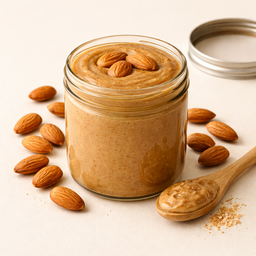 Almond Butter
 Vitamin E + anthocyanins for cognitive protection
Technical: Almond butter provides 26mg vitamin E per 100g (173% RDA) — a fat-soluble antioxidant protecting cell membranes. Blueberries contain anthocyanins, water-soluble antioxidants that cross the blood-brain barrier protecting DNA and mitochondria. Together they cover both cell compartments.
What does this mean for you? Add blueberries to your oatmeal or smoothie with almond butter. The two antioxidants protect your brain through different routes — ideal as a brain snack.
Blueberries 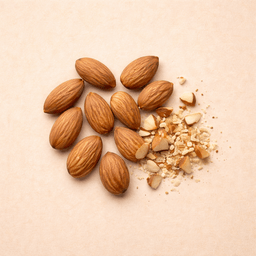 Almonds
 Vitamin E + anthocyanins: complementary antioxidant pathways in lipid and aqueous phase
Chun OK et al. (2008) in Journal of Nutrition demonstrated synergistic action between polyphenols and vitamin E.
Technical: Almonds are the best nut source of vitamin E (26mg/100g), blocking lipid peroxidation in cell membranes. Blueberries provide anthocyanins working as antioxidants in the cell's aqueous environment. This complementary duo — fat- and water-soluble — works in both the lipid and aqueous phases of the cell.
What does this mean for you? Mix almonds into your blueberry yogurt or smoothie bowl. Two types of antioxidant protection in one bite — complementary pathways via lipid and aqueous phase.
Blueberries 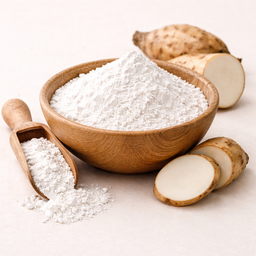 Arrowroot
 Clear thickener that preserves fruit colors
Technical: Arrowroot (Maranta arundinacea) starch gels at lower temperature (65-70°C) than cornstarch (75-80°C). It forms clear, neutral gels that don't mask color or flavor, unlike cornstarch which creates a cloudy, slightly starchy texture. Additionally, arrowroot is stable at acidic pH values (fruit), where cornstarch loses its binding power.
What does this mean for you? Use arrowroot as a thickener for fruit pies, compotes and fruit sauces. The lower gelling temperature means heat-sensitive vitamins (like vitamin C in berries) are better preserved. Your fruit retains its vibrant color and fresh flavor.
Blueberries 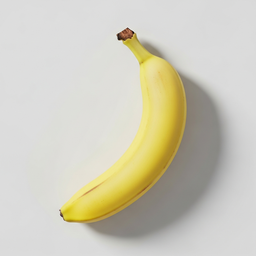 Banana
 Potassium + anthocyanins for normal blood pressure and antioxidants
Technical: Banana provides 358mg potassium per 100g — potassium contributes to the maintenance of normal blood pressure (EFSA). Blueberries contain anthocyanins that cross the blood-brain barrier. Together they provide potassium and antioxidants.
What does this mean for you? The perfect smoothie base: banana for creaminess and energy, blueberries for antioxidants. Ideal as breakfast or pre-workout.
Blueberries 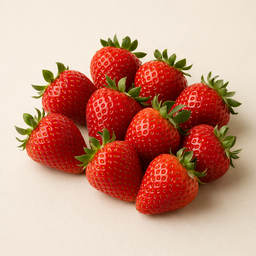 Strawberries
 Double antioxidant power: different anthocyanins
Technical: Blueberries contain malvidin and delphinidin (blue-purple), strawberries contain pelargonidin (red). These different anthocyanins work complementarily and provide broader antioxidant protection. Together they have a higher ORAC value than either alone.
What does this mean for you? Mix blueberries and strawberries in smoothies, yogurt or as toppings. The color combination is not only beautiful but also functional - more colors = more protection.
Blueberries 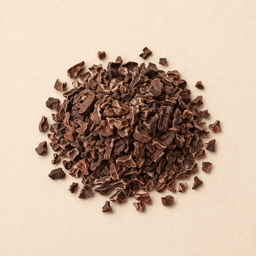 Raw Cacao Nibs
 Synergistic antioxidant protection via flavanols + anthocyanins
Flavanol-anthocyanin combinations show synergistic ORAC effect, up to 30% higher than individual contributions (PMID: 23953879)
Technical: Cocoa flavanols (epicatechin, 43mg/100g) neutralize ROS in the aqueous phase and support vascular function via NO synthase activation. Blueberry anthocyanins (163mg/100g) protect lipid membranes against peroxidation. Research shows the combination of flavanols + anthocyanins produces a synergistic ORAC effect: antioxidant capacity is up to 30% higher than the sum of individual contributions.
What does this mean for you? Cacao nibs with blueberries (in smoothie bowl or granola) is an antioxidant duo. The two types of polyphenols provide antioxidant support at different levels and enhance each other's effect.
Blueberries 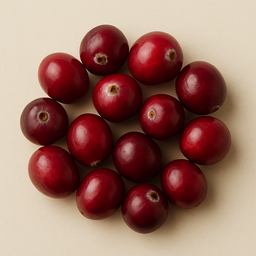 Cranberries
 Double anthocyanin power: A-type PACs + malvidin/delphinidin
A-type PACs from cranberries prevent bacterial adhesion (PMID: 12804452)
Technical: Cranberries contain unique A-type proanthocyanidins (PACs) that prevent bacteria from adhering to the bladder wall. Blueberries contain anthocyanins (malvidin, delphinidin) that cross the blood-brain barrier and reduce neuronal oxidative stress. Together they cover a broad spectrum of bioactive pathways — cranberries for the urinary tract, blueberries for neuronal tissues.
What does this mean for you? Mix cranberries and blueberries in a smoothie or muesli for a powerful antioxidant combination. Cranberries give a tart freshness, blueberries creamy sweetness. Together a perfect color combination, rich in complementary anthocyanins.
Blueberries 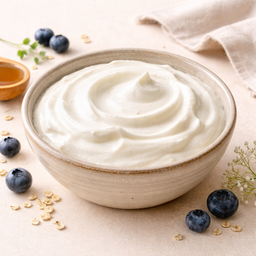 Greek Yogurt
 Probiotics + prebiotic fibers for optimal gut flora
Technical: Greek yogurt provides 1-100 billion CFU probiotics (Lactobacillus, Bifidobacterium). Blueberries contain prebiotic fibers (2.4g/100g) and polyphenols (anthocyanins) that selectively promote growth of beneficial bacteria. This synbiotic effect increases production of short-chain fatty acids (butyrate, propionate) by 20-40%.
What does this mean for you? Greek yogurt with blueberries is an ideal synbiotic combination. The yogurt provides good bacteria, the berries feed them — together they support your gut flora.
Blueberries 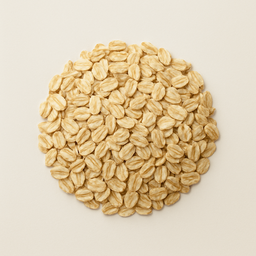 Oatmeal
 Vitamin C lifts iron blockade
Technical: Oatmeal contains 3.9mg non-heme iron per 100g, but also phytic acid (0.5-1.4g per 100g) that can inhibit iron absorption by 50-80% by forming insoluble complexes. Blueberries contain 9.7mg vitamin C per 100g that reduces Fe³⁺ (non-absorbable) to Fe²⁺ (absorbable) and forms a soluble iron-ascorbate complex that bypasses phytate binding.
What does this mean for you? Always top your oatmeal with fresh blueberries or other fruit. Without vitamin C, most iron from your oatmeal is lost due to phytic acid. Especially important for vegetarians and women who depend on plant-based iron.
Blueberries 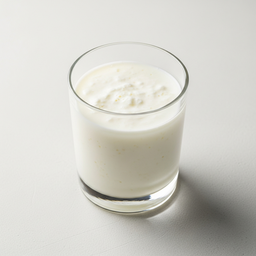 Kefir
Kefir Polyphenols support probiotics
Technical: Kefir contains 30-50 different bacterial and yeast strains — much more diverse than yogurt. Blueberries' polyphenols (anthocyanins) are prebiotic: they are fermented by gut bacteria into bioactive metabolites that promote growth of beneficial strains. This further strengthens kefir's already diverse microbiome.
What does this mean for you? Mix blueberries into your kefir as breakfast or smoothie. The berries feed the rich bacterial culture in kefir — a synbiotic combination for your gut flora.
Blueberries 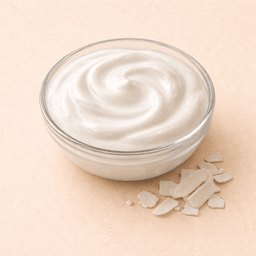 Coconut Yogurt
 Probiotics metabolize anthocyanins into more bioactive phenolic acids
Gut bacteria metabolize anthocyanins into better absorbable phenolic acids with increased bioactivity (PMID: 29141574)
Technical: Blueberries contain anthocyanins (163mg/100g) of which only 1-2% is absorbed intact. Lactobacillus from coconut yogurt metabolize anthocyanins in the gut into protocatechuic acid and gallic acid — smaller phenolic acids absorbed 10-30x better. These metabolites have higher bioactivity than the original anthocyanins.
What does this mean for you? Mixing blueberries through coconut yogurt increases bioavailability. The probiotics convert the pigments into smaller phenolic acids your body absorbs 10-30x better — a dairy-free alternative with the same biochemical benefits.
Blueberries 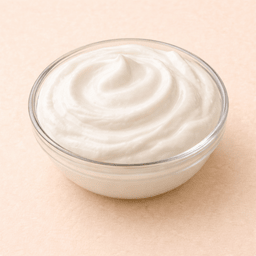 Quark (low-fat)
 Probiotics + anthocyanins for gut and cognition
Technical: Quark contains live lactic acid bacteria (Lactococcus lactis) that support the gut microbiome. Blueberries contain anthocyanins (malvidin, delphinidin) that function as prebiotics — selectively feeding beneficial gut bacteria. Via the gut-brain axis (vagus nerve), the microbiome also influences cognitive functions. The protein in quark slows absorption of natural sugars in blueberries.
What does this mean for you? Quark with blueberries is an excellent breakfast: the live bacteria in quark are fed by the anthocyanins in blueberries, while the protein keeps you satiated.
Blueberries 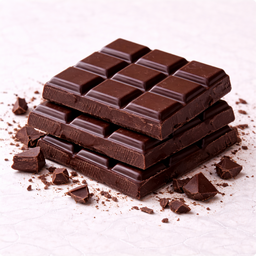 Dark Chocolate (>70%)
 Enhanced antioxidant action through combination
Technical: Dark chocolate contains flavonoids (epicatechin, procyanidins) and berries contain anthocyanins — two different polyphenol classes working via complementary mechanisms. Flavonoids protect LDL from oxidation, anthocyanins support endothelial function. Together they provide a broader antioxidant spectrum than either alone.
What does this mean for you? Dip raspberries, strawberries or blueberries in melted dark chocolate. Two types of antioxidants in one bite — delicious and nutritious at the same time.
Blueberries 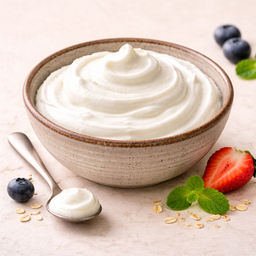 Skyr
Skyr High protein + anthocyanins for muscle recovery
Technical: Skyr contains 10-11% protein (2x as much as yogurt) with a high PDCAAS score, ideal for muscle recovery. Blueberries and raspberries provide anthocyanins that modulate the DOMS response (delayed onset muscle soreness) after exercise via NF-κB and COX-2 pathways. Together: protein for building + anthocyanins as bioactive polyphenols.
What does this mean for you? Eat skyr with berries after your workout. The protein contributes to muscle recovery, the anthocyanins from the berries are bioactive polyphenols — an ideal post-workout combination.
Blueberries 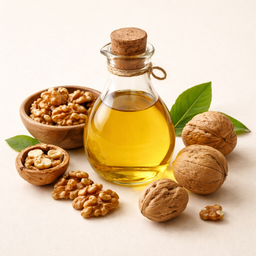 Walnut Oil
 ALA omega-3 + anthocyanins: structurally and functionally complementary for the brain
Technical: Walnut oil contains 14g ALA omega-3 per 100ml plus ellagitannins (polyphenols). Blueberries contain anthocyanins (163mg/100g, mainly malvidin-3-glucoside) that cross the blood-brain barrier. ALA converts to DHA (2-5% conversion) — the primary structural fatty acid in brain tissue (40% of phospholipids). Anthocyanins activate BDNF (brain-derived neurotrophic factor) and influence CREB signaling. Together they offer structural (DHA as building block) + functional (anthocyanins as signaling molecule) complementary pathways.
What does this mean for you? Drizzle walnut oil over a blueberry smoothie bowl or yogurt. The combination offers two complementary pathways: omega-3 as structural building block and anthocyanins as functional signaling molecule.
Blueberries 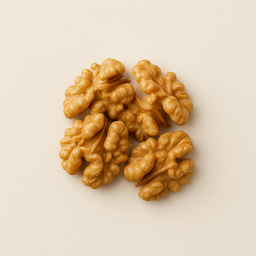 Walnuts
 ALA omega-3 + anthocyanins: complementary pathways for synaptogenesis and neuronal protection
Walnuts contain omega-3 fatty acids. The combination of polyphenols with healthy fats supports neurogenesis. This is the ultimate brain mix.
Technical: Walnuts contain ALA omega-3 fatty acids that support formation of new synaptic connections (synaptogenesis). Anthocyanins from blueberries cross the blood-brain barrier and protect existing neurons from oxidative damage. Through these two mechanisms — building and protection — they together influence communication between brain cells.
What does this mean for you? Mix walnuts into your blueberry yogurt or oatmeal. The walnuts support synaptogenesis, the berries protect neurons — two complementary pathways in one snack.
Blueberries  Yogurt
 Stable blood sugar through protein-fruit combination
Technical: Yogurt contains proteins (casein and whey) that slow gastric emptying. This causes sugars from blueberries (fructose, glucose) to be absorbed more gradually in the small intestine. The result is a flatter blood sugar curve — less spike, less dip — providing more stable energy and better concentration.
What does this mean for you? Eat blueberries with yogurt instead of on their own as a snack. The yogurt proteins slow sugar absorption, giving you longer stable energy without a sugar dip.
Recipes with Blueberries
Discover delicious recipes featuring blueberries:
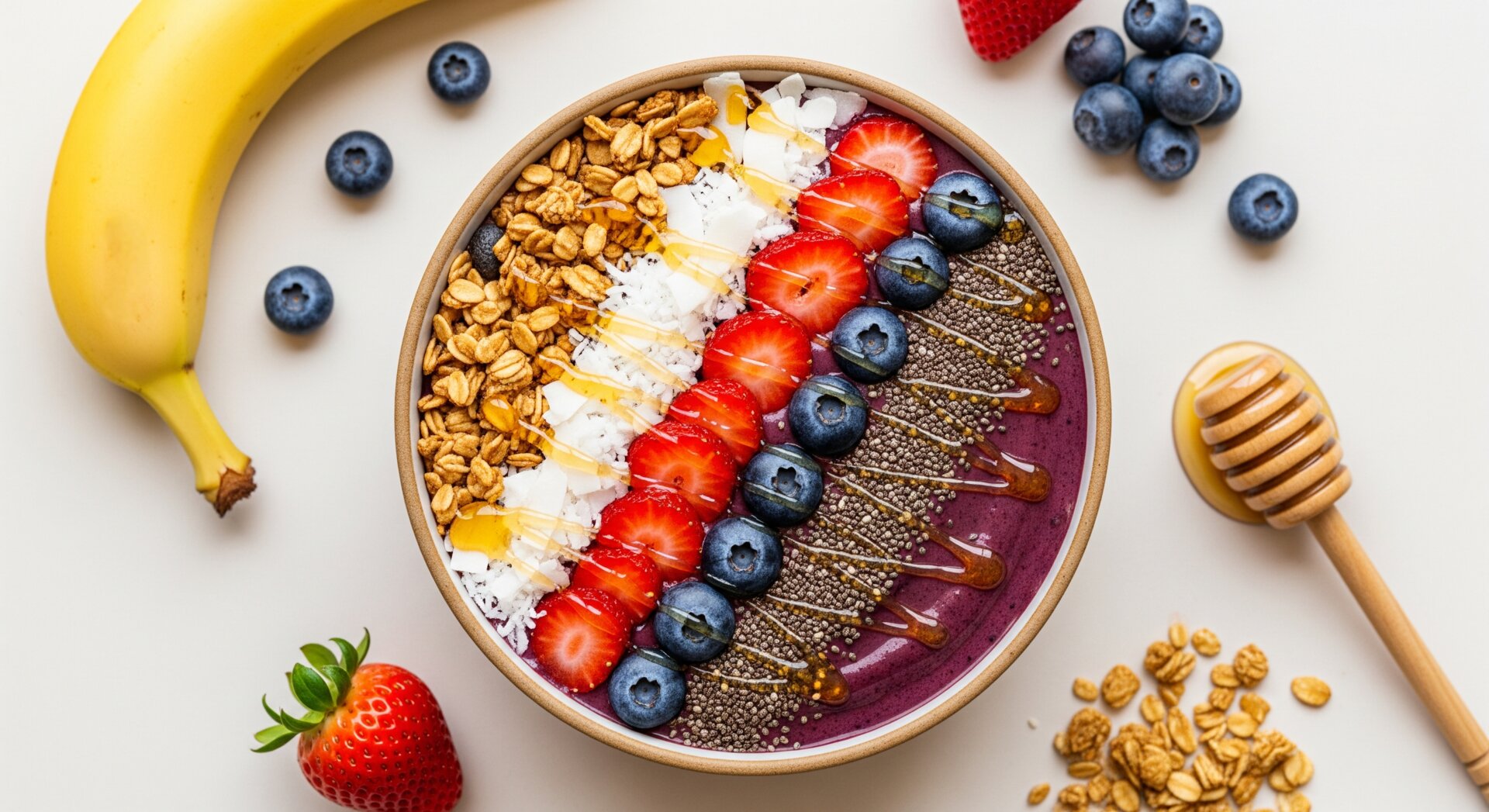 Acai Bowl with Banana, Berries and Oats 10 min Fresh berry bowl for fresh mornings
  431 kcal
  8g protein 2 synergies Acai Bowl with Banana, Berries and Oats 10 min Fresh berry bowl for fresh mornings 431 kcal 8g protein 2 synergies
 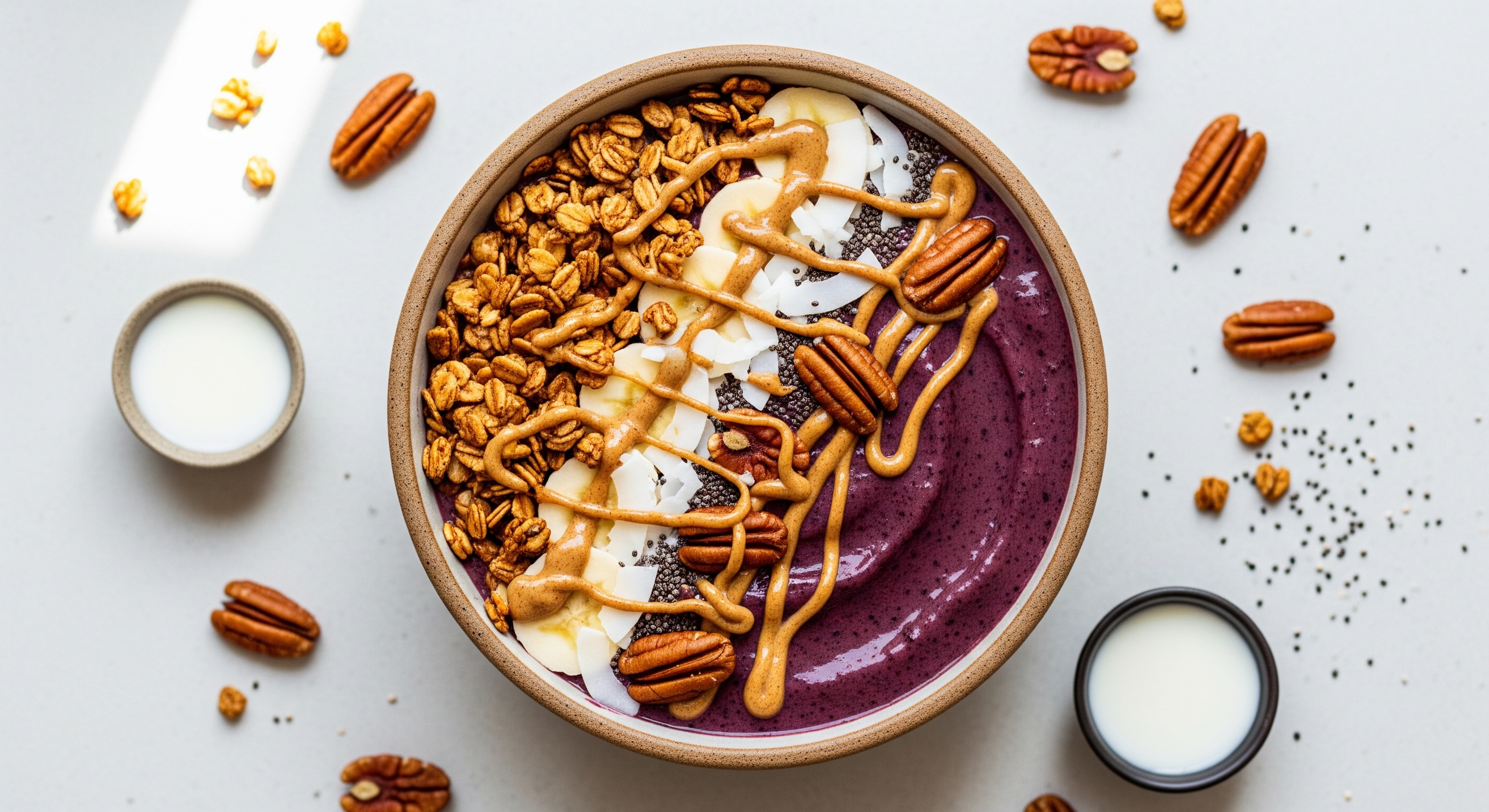 Açaí Bowl with Nuts, Granola & Coconut Base 10 min Colorful bowl with açaí, nuts and seeds on a creamy coconut-banana base 745 kcal 16g protein 2 synergies
 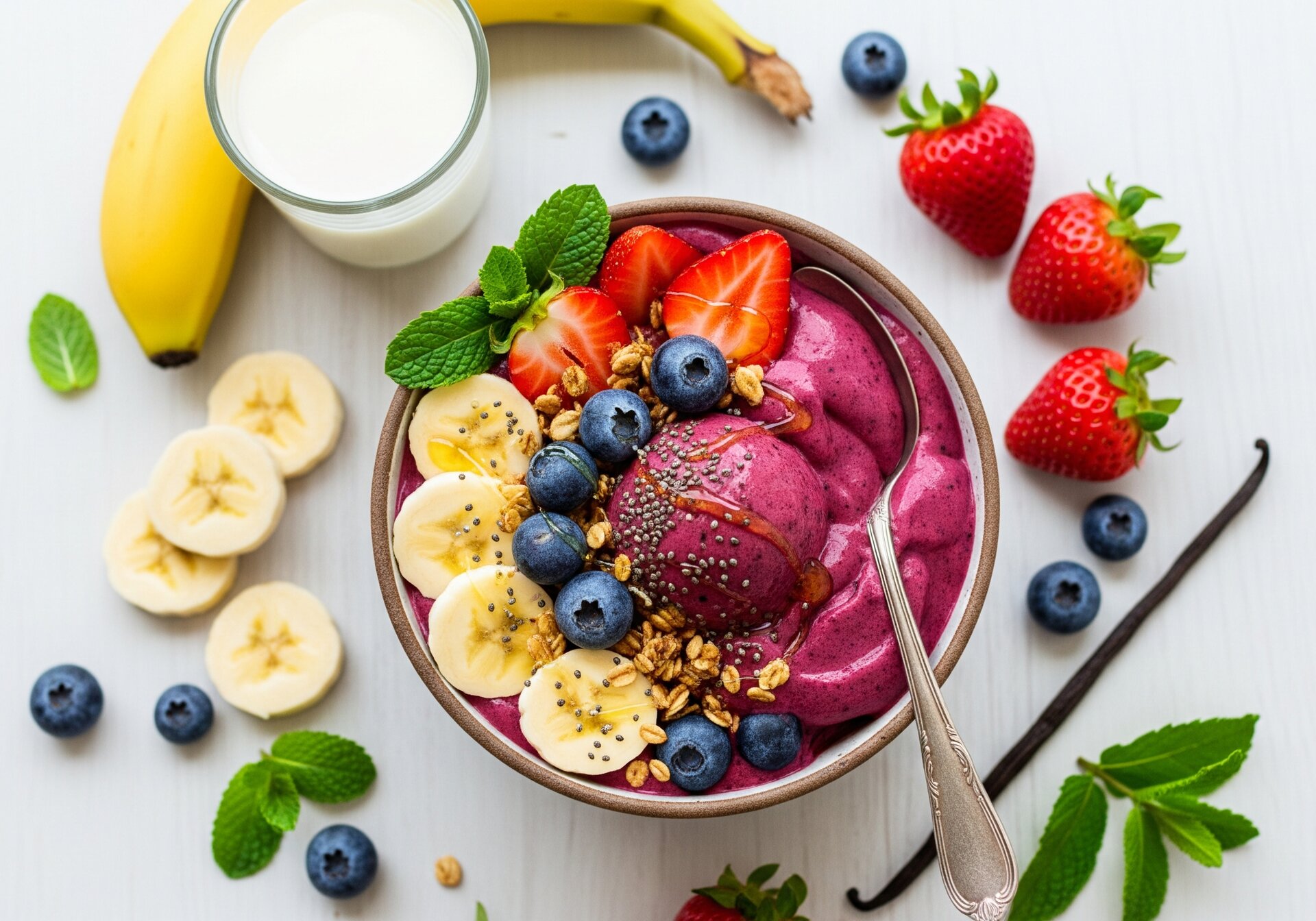 Banana-Berry Nice Cream 5 min Nice cream built on frozen banana, blueberries and strawberries with a splash of oat milk — without added sugars and ready in 5 minutes 140 kcal 2g protein 2 synergies
 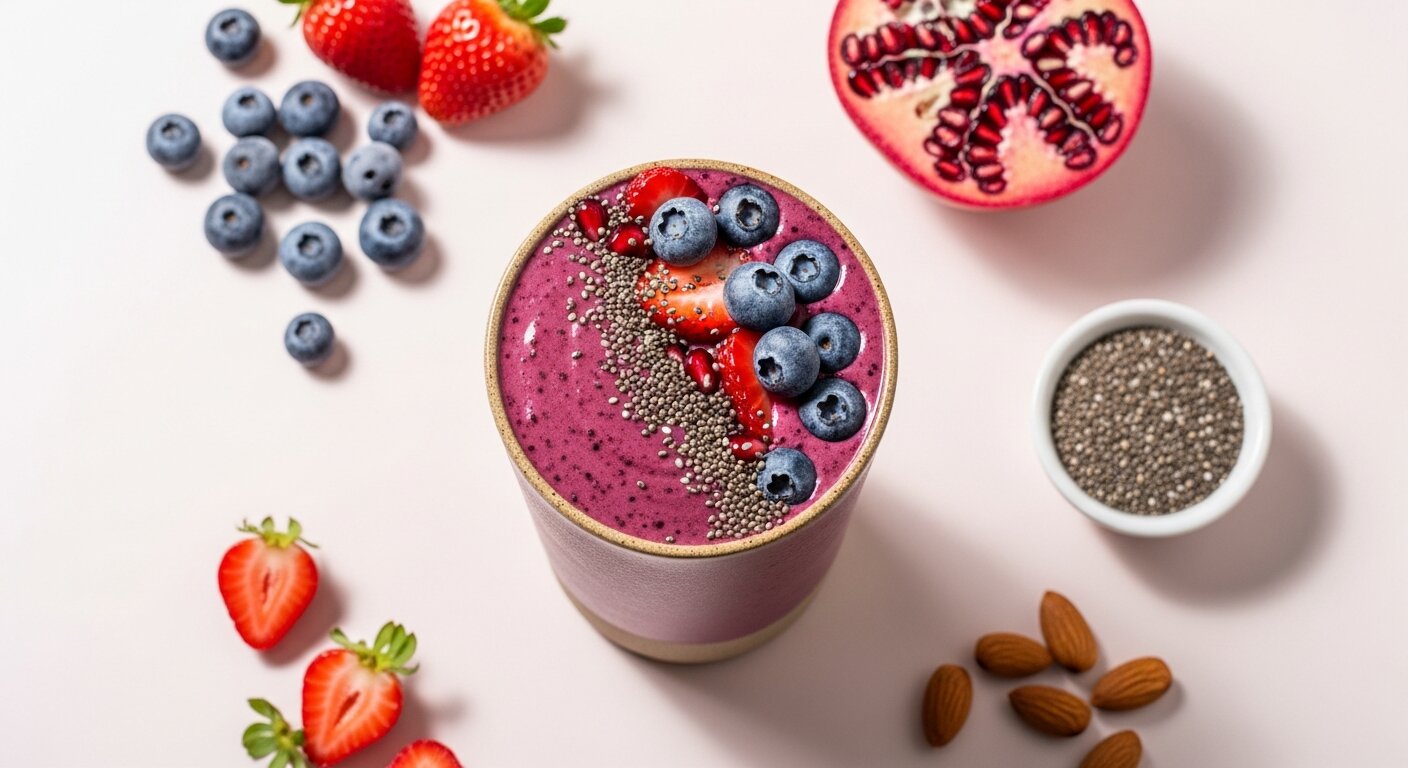 Berry Antioxidant Blast 5 min Deep purple smoothie with blueberries, strawberries and pomegranate 320 kcal 6g protein 2 synergies
 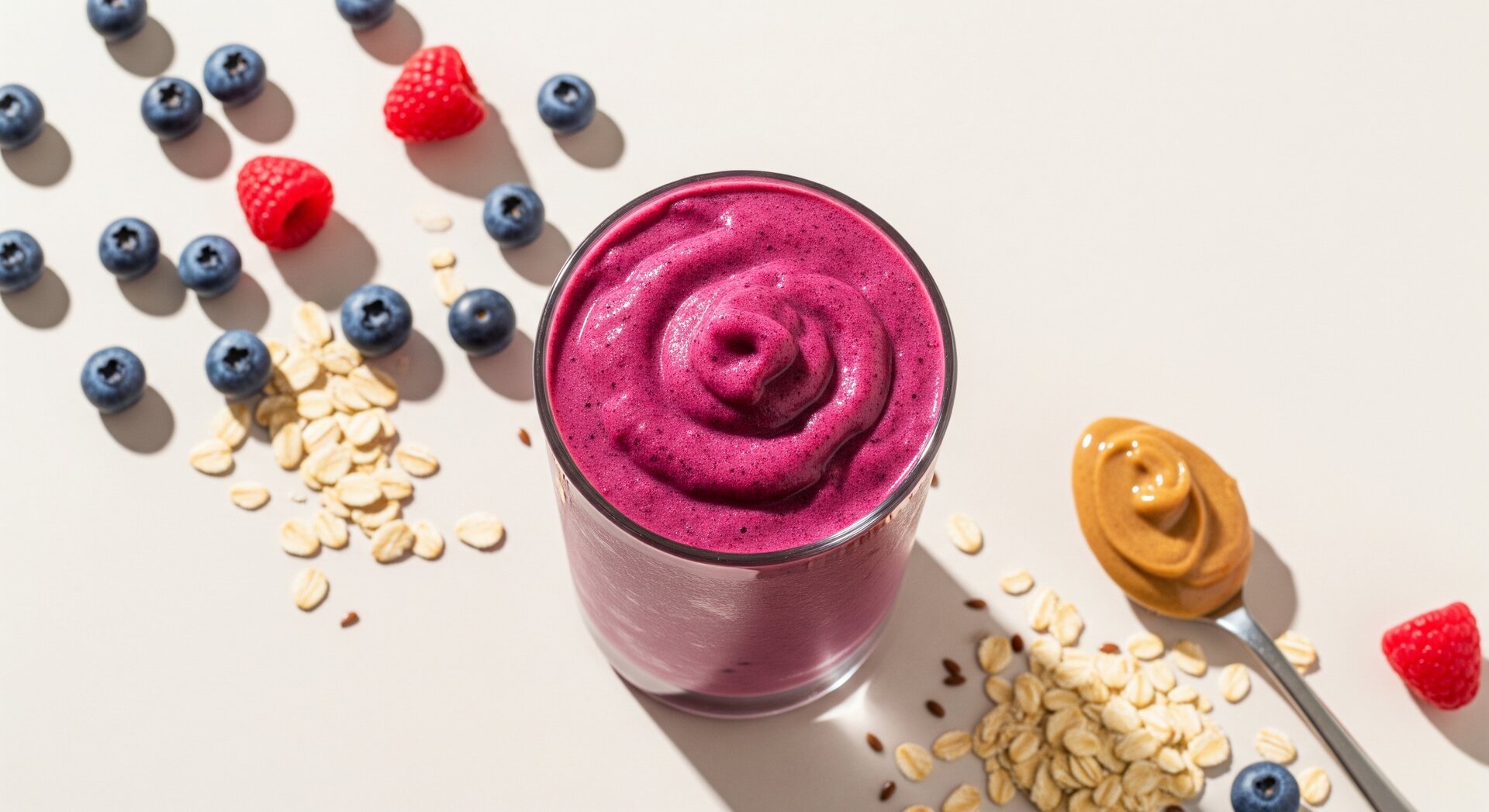 Berry-Oat Shake 5 min Hearty shake with blueberries, raspberries and flaxseed 953 kcal 45g protein 2 synergies
  In the Kitchen
Storage
Location:Refrigerator
Shelf life:1-2 weken (koelkast), 10-12 maanden (vriezer)
Do not wash blueberries before storage, because moisture encourages mold. Wash them only just before use. Store them loosely in the refrigerator and freeze ripe berries for smoothies, sauces and baking.
Preparation
Use blueberries raw as a topping, briefly baked into muffins or pancakes, or frozen in smoothies. Add fresh berries only at the end of warm dishes so they keep their shape better.
Conversions
Substitutes
Smart preparation
1Wash blueberries only just before use to prevent mold.
Why?
Moisture accelerates mold growth during storage.
2Freeze blueberries in a single layer on a baking sheet for loose berries.
3Dust blueberries with flour before adding to batter.
Why?
Flour prevents the berries from sinking to the bottom during baking.
Caution / Warnings
Blueberries is very safe, but there are scientific considerations:
Dairy Products Mild
Research suggests that proteins in cow's milk (casein) can bind to anthocyanins, which may reduce the absorption of these plant pigments.
Advice:
Eat them plain, with plant-based yogurt or as part of a meal without much dairy if you want to take this into account.
Salicylate Sensitivity Moderate
People who are sensitive to salicylates may experience symptoms such as skin reactions or headaches with some berries.
Dental Health Mild
Due to acids and strong pigments, they can temporarily soften tooth enamel and cause light staining.
Advice:
Rinse your mouth with water after eating and wait 30 minutes before brushing.
Traditional use
Indigenous
Native North American food
Native North American peoples used blueberries for centuries as seasonal food, winter stores and natural dye. They were dried and used in mixtures such as pemmican.
Summary
Blueberries are small blue-purple berries with anthocyanins, fiber and vitamin K. They are easy to use in breakfast dishes, smoothies, salads and baked goods; fresh berries look beautiful as a topping, while frozen berries are convenient for everyday use.