Arrowroot
Neutral thickener for clear sauces and fillings
What is this ingredient?
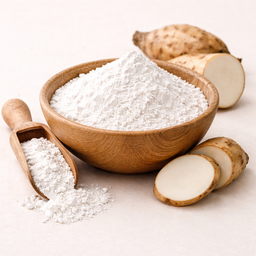
Arrowroot is a white, powdery starch extracted from the rhizomes of the tropical Maranta arundinacea plant. It has been used for centuries in South American and Caribbean kitchens, especially in porridges, sauces and soft preparations.
Because of its neutral taste and fine texture, arrowroot is useful when you want to thicken a dish without adding extra color or a pronounced flavor. When heated, it can create a clear, glossy finish, making it well suited to fruit fillings, light sauces and desserts.
Compared with cornstarch, arrowroot often works at a lower temperature and keeps a smooth texture in many preparations. Dissolve the powder in cold water first and add it near the end, because long or very hot cooking can reduce its thickening power.
How does it taste?
Neutral and almost flavorless; gives sauces and desserts a soft, glossy texture.
Pairs well with:
Pairs well with fruit couliscustardbrothcoconut milk and light sauces.
Did you know...?
- The name 'arrowroot' is often linked to the Arawak word 'aru-aru', sometimes translated as 'meal of meals'.
- In Caribbean and South American culinary traditions, arrowroot was used in fine porridges, baked goods and soft starch preparations.
Nutritional Value & Energy
Per 100g
Arrowroot provides energy thanks to natural nutrients , buffered by fiber.
Per 100g
Minerals
Vitamins
More nutrients
Trace Minerals
What's in a serving?
1 serving (dry)
Arrowroot naturally contains iron (2.2 mg per 100 g).
% of daily reference intake (DRI)
EU-approved nutrition claims
This ingredient contains nutrients for which EFSA-authorized health claims exist (at nutrient level, not ingredient-specific).
Approved health claims (EU)
Iron EU 432/2012
Iron contributes to normal energy-yielding metabolism
Contains 2.2mg/100g (threshold: ≥2.1mg/100g)
Iron EU 432/2012
Iron contributes to the reduction of tiredness and fatigue
Contains 2.2mg/100g (threshold: ≥2.1mg/100g)
Iron EU 432/2012
Iron contributes to normal cognitive function
Contains 2.2mg/100g (threshold: ≥2.1mg/100g)
Iron EU 432/2012
Iron contributes to normal formation of red blood cells and haemoglobin
Contains 2.2mg/100g (threshold: ≥2.1mg/100g)
Iron EU 432/2012
Iron contributes to normal oxygen transport in the body
Contains 2.2mg/100g (threshold: ≥2.1mg/100g)
Iron EU 432/2012
Iron contributes to the normal function of the immune system
Contains 2.2mg/100g (threshold: ≥2.1mg/100g)
Iron EU 432/2012
Iron has a role in the process of cell division
Contains 2.2mg/100g (threshold: ≥2.1mg/100g)
What's being researched?
Arrowroot and starch properties
Arrowroot starch is studied for its fine granule structure, thickening behavior and applications in soft, clear preparations. The available literature focuses mainly on starch properties and culinary or technological uses.
Supported by: [1] Topping (2001)
Good Combinations (Synergy)
Combine arrowroot smartly to enhance the effect:
Arrowroot 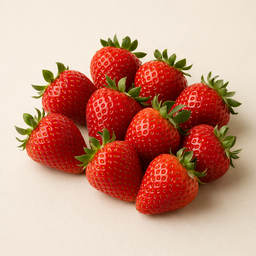 Strawberries
 Clear thickener that preserves fruit colors
Technical: Arrowroot (Maranta arundinacea) starch gels at lower temperature (65-70°C) than cornstarch (75-80°C). It forms clear, neutral gels that don't mask color or flavor, unlike cornstarch which creates a cloudy, slightly starchy texture. Additionally, arrowroot is stable at acidic pH values (fruit), where cornstarch loses its binding power.
What does this mean for you? Use arrowroot as a thickener for fruit pies, compotes and fruit sauces. The lower gelling temperature means heat-sensitive vitamins (like vitamin C in berries) are better preserved. Your fruit retains its vibrant color and fresh flavor.
Arrowroot 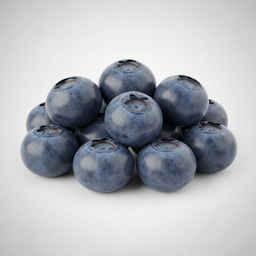 Blueberries
 Clear thickener that preserves fruit colors
Technical: Arrowroot (Maranta arundinacea) starch gels at lower temperature (65-70°C) than cornstarch (75-80°C). It forms clear, neutral gels that don't mask color or flavor, unlike cornstarch which creates a cloudy, slightly starchy texture. Additionally, arrowroot is stable at acidic pH values (fruit), where cornstarch loses its binding power.
What does this mean for you? Use arrowroot as a thickener for fruit pies, compotes and fruit sauces. The lower gelling temperature means heat-sensitive vitamins (like vitamin C in berries) are better preserved. Your fruit retains its vibrant color and fresh flavor.
Arrowroot 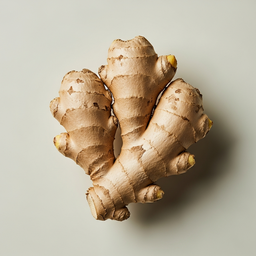 Ginger
 Prebiotic starch + gingerols for gastrointestinal support
Technical: Arrowroot contains easily digestible starch with prebiotic properties that protects the intestinal wall (demulcent action). Ginger's gingerols (1.5-3%) promote gastric motility via 5-HT3 antagonism and accelerate gastric emptying.
What does this mean for you? Arrowroot with ginger is a gentle combination for a sensitive stomach. The starch soothes, the ginger keeps things moving. Traditionally used in many cultures as an easily digestible meal.
Arrowroot 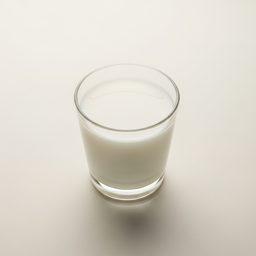 Coconut Milk
 Resistant starch + MCTs for gradual energy
Technical: Arrowroot contains 32% starch of which part is resistant starch (type 2) that is slowly digested. Coconut milk provides MCTs (medium-chain triglycerides, 15% of fats) that go directly to the liver via the portal vein for quick ketone production. The combination offers dual energy delivery: MCTs for immediate energy + resistant starch as slow-release fuel. Arrowroot's neutral taste makes it ideal as a thickener in coconut curries.
What does this mean for you? Use arrowroot as a thickener in coconut curry or soup. It adds almost no flavor but gives a creamy texture, while together with coconut milk it forms a long-lasting energy source.
Recipes with Arrowroot
Discover delicious recipes featuring arrowroot:
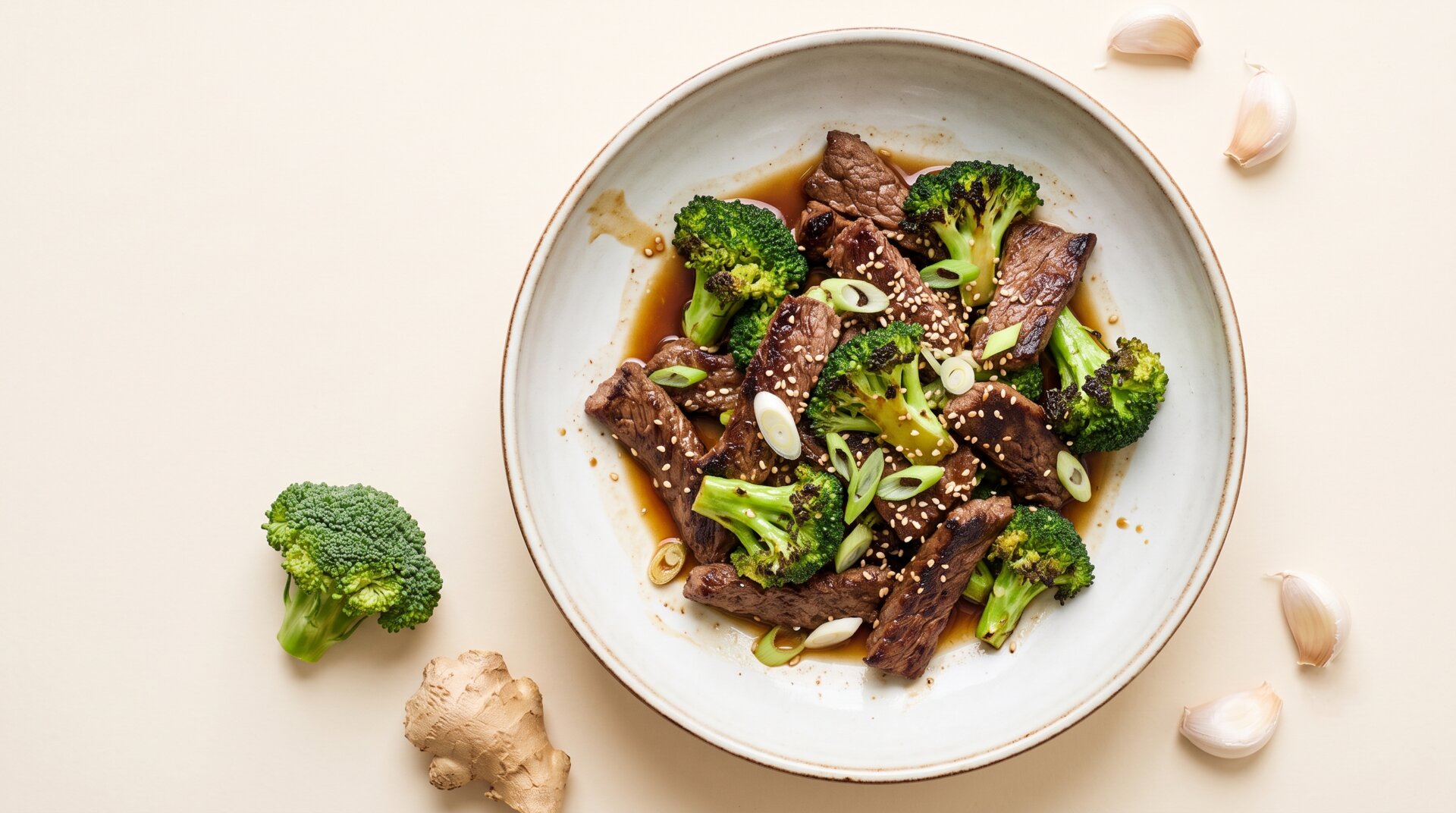 Chinese Beef & Broccoli 30 min Tender beef strips with crispy broccoli in oyster sauce
  380 kcal
  36g protein 1 synergies
 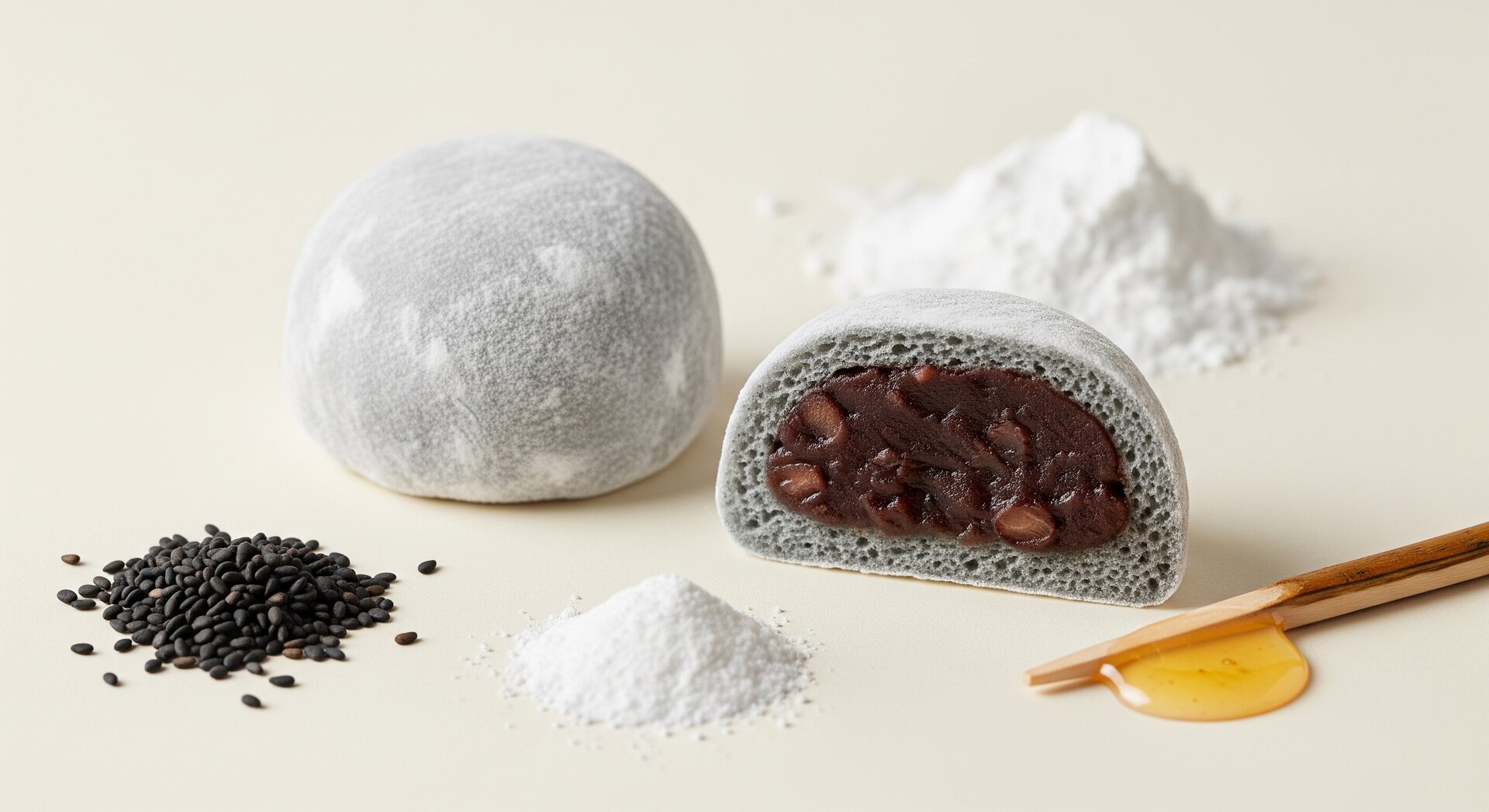 Black Sesame Mochi with Red Bean Paste 31 min Soft Japanese mochi with sesame and sweet anko filling 253 kcal 5g protein 2 synergies
  In the Kitchen
Storage
Location:Pantry
Shelf life:2-3 jaar in luchtdichte container
Store dry and airtight. Moisture makes the powder clump and makes precise measuring harder.
Preparation
Always dissolve arrowroot in cold water before adding it to hot liquid; this helps prevent lumps. Stir continuously while heating. Do not cook it too long or too hot, because above about 85°C its thickening power can decrease. For that reason, add it near the end of cooking.
Conversions
Substitutes
Smart preparation
1Always dissolve arrowroot in cold water before adding it.
Why?
Adding it directly to hot liquid can cause lumps.
2Add arrowroot only near the end of the cooking process.
Why?
Cooking too long can reduce its thickening power.
3Use less arrowroot than cornstarch when thickening a light sauce.
Why?
Arrowroot can quickly create a smooth, glossy finish, especially in clear sauces.
Caution / Warnings
Arrowroot is very safe, but there are scientific considerations:
Arrowroot Allergy Moderate
Rare, but possible with sensitivity to plants from the Marantaceae family.
Advice:
With unknown sensitivity, try a small amount first in a simple preparation.
Traditional use
Indigenous
Caribbean and South American culinary heritage
In Caribbean and South American kitchens, arrowroot has been used for centuries as a fine starch for porridges, soft dishes and thickened preparations. The name refers to historical language and use traditions around the arrowroot plant.
Summary
Arrowroot is a neutral, gluten-free thickener for clear sauces, fruit fillings and soft desserts. Use it as an alternative to cornstarch when you want a glossy, light finish. Dissolve the powder in cold water first, then add it to warm liquid, preferably near the end of cooking.