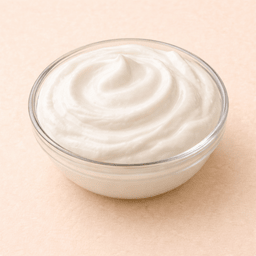
Quark (low-fat)
Low-fat fresh dairy with plenty of protein and few calories
What is this ingredient?
Quark is a traditional Northern European dairy product with a long history in Germany, the Netherlands and nearby regions. It is made by fermenting low-fat milk with Lactococcus lactis cultures, after which part of the whey is separated. The result is a fresh, creamy dairy product with about 12 g protein per 100 g, 0.2 g fat and a mild, slightly tangy taste.
## Casein protein and texture
The protein in quark is mostly casein, the same protein fraction that gives quark its full, spoonable structure. Casein forms a firmer network in an acidic environment and is often discussed in nutrition research as a protein that releases amino acids gradually. This makes quark useful in protein-rich breakfast bowls, sports meals, smoothies and evening meals where a fresh, creamy base is welcome.
## Protein per calorie
With 63 calories and 12 g protein per 100 g, low-fat quark has a high protein-to-energy ratio. That makes it practical for people who want to build meals thoughtfully without much fat or added sugar. Combine it with fruit, oats, nuts, seeds or honey for more flavor, fiber and texture.
## Fermentation cultures
Fermentation with lactic acid bacteria gives quark its fresh taste and converts part of the milk sugar into lactic acid. Depending on brand and processing, quark may contain live cultures; check the label when you are specifically looking for live fermentation cultures.
## Culinary versatility
Quark is neutral and flexible: use it as a breakfast base with fruit, in smoothies, as a fresh base for dips, as a sour cream substitute, in pancake batter, in cheesecake or in savory sauces with herbs, garlic and lemon. In Germany and the Netherlands, quark is an everyday ingredient in both sweet and savory cooking.
How does it taste?
Mild, fresh and slightly tangy with a smooth, creamy texture.
Pairs well with:
Pairs well with red berrieshoneyvanillamueslilemoncucumber and fresh herbs.
Did you know...?
- Quark is especially popular in Germany, Austria, the Netherlands and Scandinavia, but it is much less known in the US.
- The word 'quark' is related to the Slavic 'tvarog', a word for curd-like fresh cheese.
Nutritional Value & Energy
Per 100g
Quark (low-fat) provides energy thanks to natural nutrients .
Per 100g
Minerals
Vitamins
Omega-3 fatty acids
More nutrients
B-Vitamins
Trace Minerals
What's in a serving?
1 serving
Quark (low-fat) naturally contains vitamin B12 (0.4 mcg per 100 g).
% of daily reference intake (DRI)
EU-approved nutrition claims
This ingredient contains nutrients for which EFSA-authorized health claims exist, at nutrient level and not specifically for quark.
Approved health claims (EU)
Vitamin_b12 EU 432/2012
Vitamin B12 contributes to the normal function of the immune system
Contains 0.4mcg/100g (threshold: ≥0.375mcg/100g)
Vitamin_b12 EU 432/2012
Vitamin B12 contributes to the reduction of tiredness and fatigue
Contains 0.4mcg/100g (threshold: ≥0.375mcg/100g)
Vitamin_b12 EU 432/2012
Vitamin B12 contributes to the normal functioning of the nervous system
Contains 0.4mcg/100g (threshold: ≥0.375mcg/100g)
Vitamin_b12 EU 432/2012
Vitamin B12 contributes to normal energy-yielding metabolism
Contains 0.4mcg/100g (threshold: ≥0.375mcg/100g)
Vitamin_b12 EU 432/2012
Vitamin B12 contributes to normal homocysteine metabolism
Contains 0.4mcg/100g (threshold: ≥0.375mcg/100g)
Vitamin_b12 EU 432/2012
Vitamin B12 contributes to normal psychological function
Contains 0.4mcg/100g (threshold: ≥0.375mcg/100g)
Vitamin_b12 EU 432/2012
Vitamin B12 contributes to normal red blood cell formation
Contains 0.4mcg/100g (threshold: ≥0.375mcg/100g)
Vitamin_b12 EU 432/2012
Vitamin B12 has a role in the process of cell division
Contains 0.4mcg/100g (threshold: ≥0.375mcg/100g)
What's being researched?
Quark and protein provision around training
The high casein content of quark is being studied in sports nutrition contexts, including protein distribution after exercise and in the evening. Studies examine how quark fits within total daily protein intake and training routines.
Supported by: [4] Pal S (2014) , [5] Paddon-Jones D (2008)
Good Combinations (Synergy)
Combine quark (low-fat) smartly to enhance the effect:
Quark (low-fat) 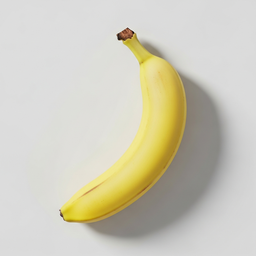 Banana
 Casein + tryptophan for nighttime muscle recovery and sleep
Technical: Quark mainly contains casein protein that digests slowly over 6-8 hours, maintaining amino acid levels throughout the night. Banana provides tryptophan, a precursor of serotonin and melatonin. Carbohydrates in banana (22g/100g) raise insulin levels, allowing tryptophan to cross the blood-brain barrier more efficiently. Magnesium from banana (27mg) — magnesium contributes to the reduction of tiredness and fatigue (EFSA).
What does this mean for you? Eat quark with banana as an evening snack, 1-2 hours before bed. The casein protein supports your muscles while you sleep, and the banana provides tryptophan as a precursor for melatonin production.
Quark (low-fat) 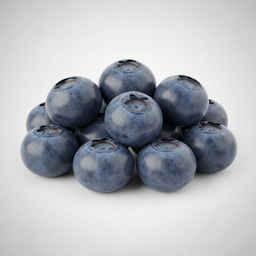 Blueberries
 Probiotics + anthocyanins for gut and cognition
Technical: Quark contains live lactic acid bacteria (Lactococcus lactis) that support the gut microbiome. Blueberries contain anthocyanins (malvidin, delphinidin) that function as prebiotics — selectively feeding beneficial gut bacteria. Via the gut-brain axis (vagus nerve), the microbiome also influences cognitive functions. The protein in quark slows absorption of natural sugars in blueberries.
What does this mean for you? Quark with blueberries is an excellent breakfast: the live bacteria in quark are fed by the anthocyanins in blueberries, while the protein keeps you satiated.
Quark (low-fat) 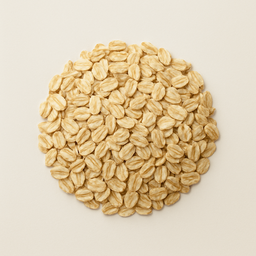 Oatmeal
 Slow protein + beta-glucans for sustained energy
Technical: Quark provides 12g casein protein per 100g that digests over 6-8 hours. Oats contain 4g beta-glucans per 100g, soluble fibers that slow gastric emptying and reduce glycemic response by 30-50%. Together they create an exceptionally low insulin spike: the protein doesn't suppress glucagon release, the fiber slows glucose absorption. This delivers 4-5 hours of stable energy.
What does this mean for you? Mix quark into your oatmeal for a breakfast that gives you energy all morning. The combination prevents the sugar dip you would get from a carb-only breakfast.
Recipes with Quark (low-fat)
Discover delicious recipes featuring quark (low-fat):
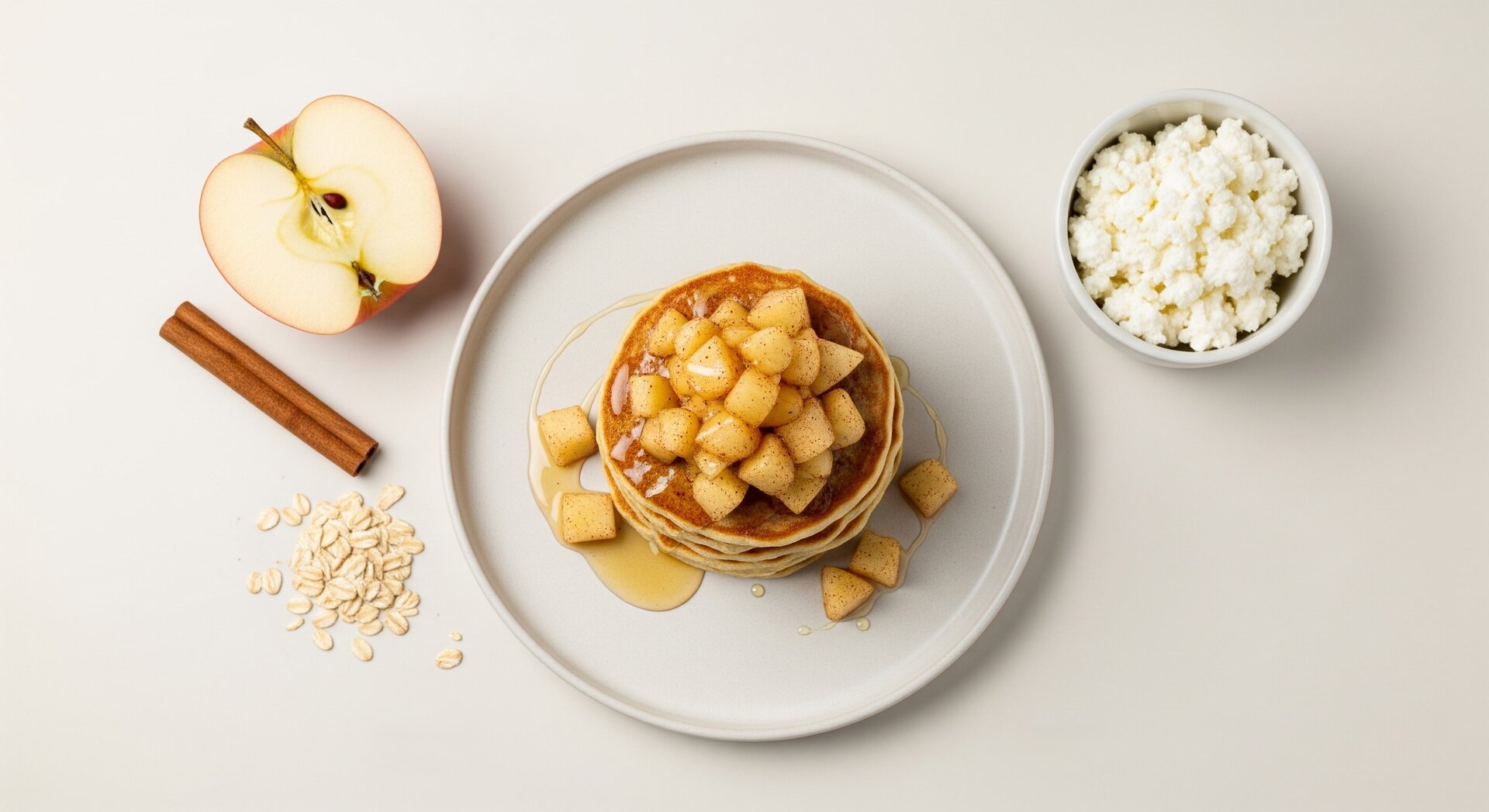 Cottage Cheese Cinnamon Pancakes with Apple 25 min Fluffy pancakes with cottage cheese, oat flour and warm apple compote
  202 kcal
  11g protein 2 synergies
 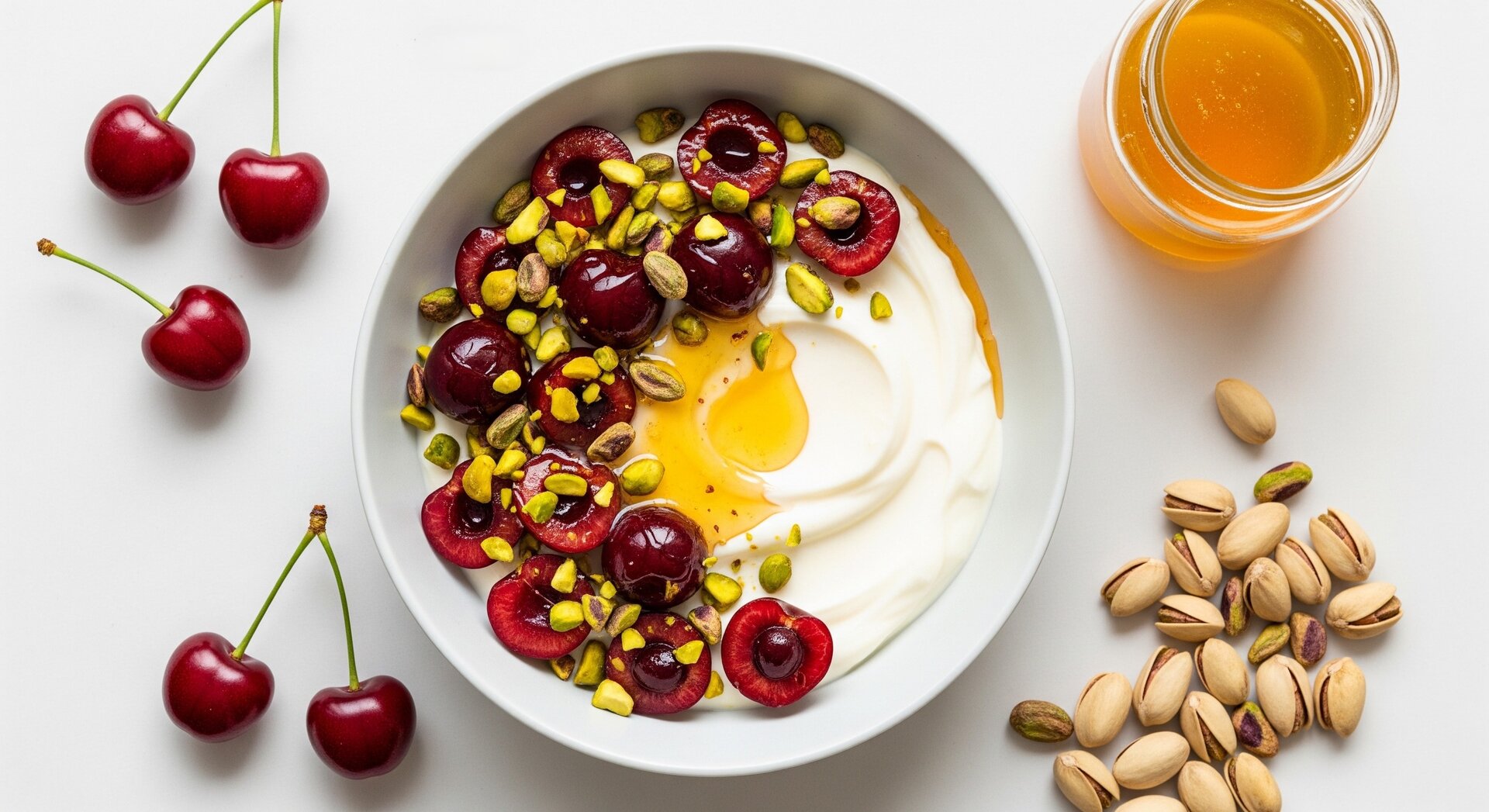 Quark Bowl with Tart Cherries and Pistachio 5 min Protein-rich bowl with tart cherries and crunchy pistachio 260 kcal 23g protein 1 synergies
 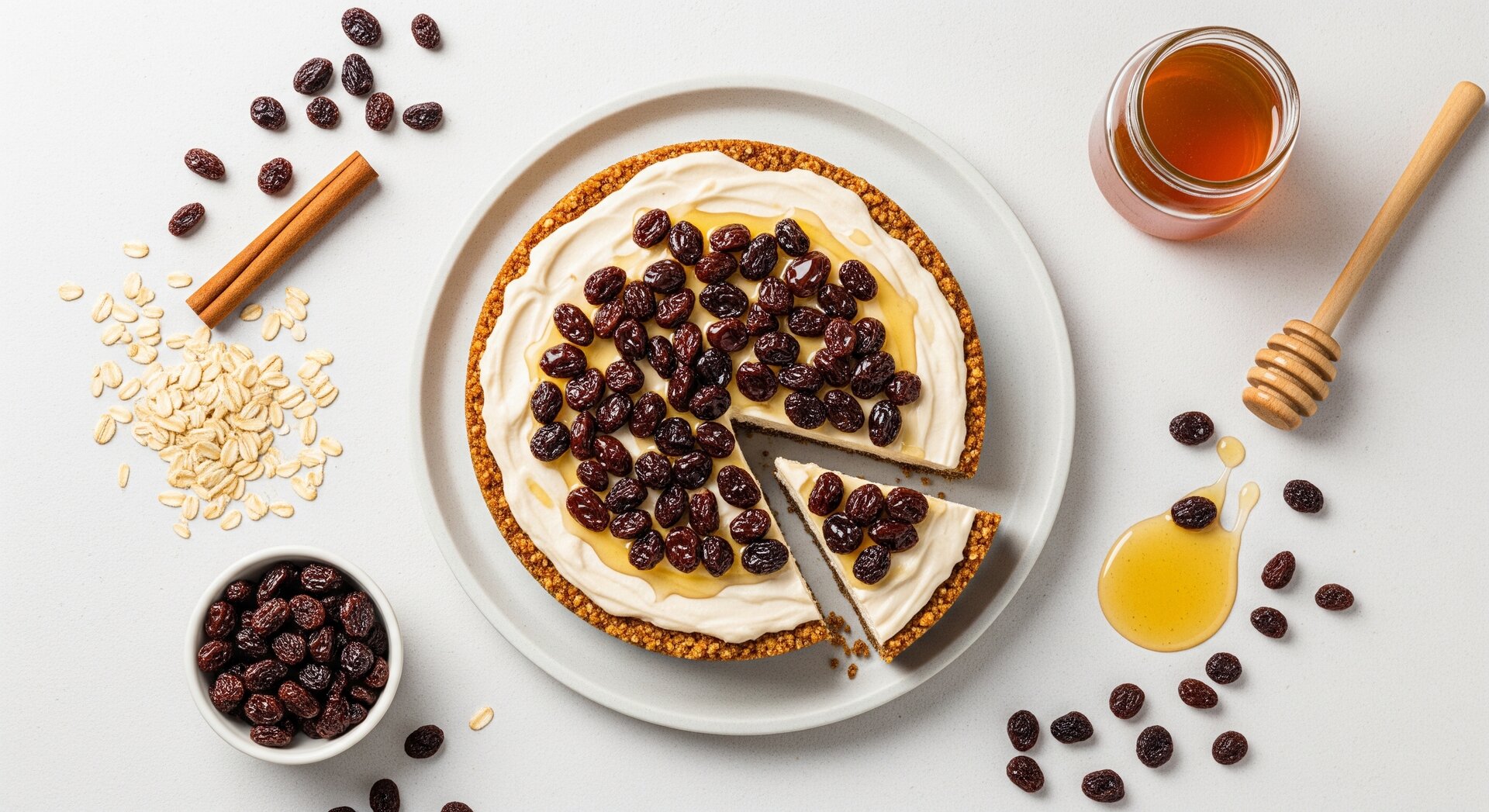 No-Bake Quark Cheesecake with Raisins and Oat Base 267 min Creamy no-bake cheesecake with raisins, cinnamon and honey 199 kcal 11g protein 1 synergies
  In the Kitchen
Storage
Location:Refrigerator
Shelf life:5-7 dagen na openen (ongeopend zie THT)
Always store refrigerated at 2-4°C. Unopened: follow the best-before date. Opened: seal well and usually use within 5-7 days. Do not freeze if you want to keep a smooth texture; after thawing, quark can become grainy and watery. Discard if you see mold, an unusual smell or clear signs of spoilage.
Preparation
Use straight from the fridge for a fresh, firm texture. It works well in smoothies, breakfast bowls, on pancakes, as a base for herb dips, as a sour cream substitute, in pancake batter or in baked cheesecake. For dips: let it sit at room temperature for 10 minutes for a creamier mouthfeel. Mix with a fork, whisk or briefly with a blender; overmixing can make quark thinner.
Substitutes
Smart preparation
1Beat quark smooth with a fork or whisk for a creamier result.
2Drain quark in a clean tea towel before using it in cheesecake.
Why?
Less moisture gives a firmer and denser texture.
3Do not heat quark too strongly; add it on low heat or off the heat.
Why?
At high temperatures, the texture can become grainy.
Caution / Warnings
Quark (low-fat) is very safe, but there are scientific considerations:
Milk protein allergy Severe
Quark contains casein and whey proteins. In a diagnosed milk protein allergy, these proteins can trigger allergic reactions.
Advice:
Avoid quark with a known milk protein allergy. Choose a plant-based alternative such as soy, coconut or almond varieties and check labels for traces of milk.
Lactose intolerance Mild
Low-fat quark contains about 4 g lactose per 100 g. Because of fermentation, some people tolerate quark differently from milk, but sensitive individuals may still experience symptoms.
Advice:
Start with a small portion, for example 50 g, and see how you respond. Choose lactose-free quark if you are highly sensitive or use a lactase product according to the label.
Advanced kidney problems Moderate
In advanced chronic kidney damage, total protein intake may be medically restricted. Quark provides 12 g protein per 100 g and counts toward that daily amount.
Advice:
Consult your nephrologist or dietitian about your permitted protein intake and suitable portion size.
Sensitivity to skin reactions from dairy Mild
Some people notice that their skin reacts to dairy. The response differs per person and often depends on overall diet, skin type and product choice.
Advice:
Observe your skin for a few weeks with regular use. If you see a clear pattern, try an alternative temporarily and discuss persistent concerns with a doctor or dietitian.
Summary
Quark is a low-fat, protein-rich fresh dairy product with a mild taste and creamy texture. With 12 g protein and 63 calories per 100 g, it works well in breakfast bowls, smoothies, dips, pancakes and fresh desserts. Pair it with fruit, muesli, honey, herbs or lemon for sweet and savory uses.