Raw Cacao Nibs
Pure chocolate flavor without added sugar
What is this ingredient?
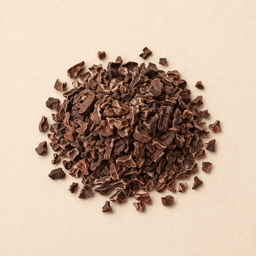
Cacao nibs are fermented and dried cacao beans (Theobroma cacao), broken into small pieces without added sugar. They bring a pure, bitter chocolate flavor and a crunchy texture to dishes. Cacao has been valued for more than 3,000 years in Mesoamerican food cultures; the Olmecs, Mayans and Aztecs used cacao in ceremonial drinks, trade and festive preparations.
## Cardiovascular research
The COSMOS trial (Sesso et al., 2022), a large randomized study with 21,442 adults, examined cocoa flavanols in relation to cardiovascular outcomes during 3.6 years of follow-up. Flavanols such as epicatechin are studied in nutrition research for their relationship with vascular function, nitric oxide production and blood flow (Grassi et al., 2005). Meta-analyses describe small average differences in blood pressure markers with cocoa flavanol intake, but cacao nibs are not a treatment or a replacement for medical advice.
## Cacao and cognitive research
Cocoa flavanols are also studied in relation to cerebral blood flow and cognitive test performance. Desideri et al. (2012) studied older adults after 8 weeks of cocoa with different flavanol levels and reported measurable differences in test outcomes and blood-flow markers. For everyday use, the practical value remains mainly culinary: cacao nibs add bitterness, crunch and a deep chocolate note without added sugar.
## Bioactive compounds
Raw cacao nibs naturally contain magnesium (272 mg per 100 g), iron, zinc, potassium, fiber, theobromine and polyphenols such as epicatechin. Magnesium contributes to normal energy-yielding metabolism and to normal functioning of the nervous system. Theobromine gives cacao its recognizable, gently stimulating character. The bitter taste comes largely from polyphenols; these compounds are among the most frequently described in cacao research.
How does it taste?
Crunchy and bitter, with intense unsweetened chocolate flavor, roasted notes and a nutty crunch.
Pairs well with:
Pairs well with oatmealbananacoconuthoneychia seedsyogurt and nuts.
Did you know...?
- Cacao nibs are broken cacao beans and one of the purest ways to eat cacao.
- The Maya made bitter cacao drinks with ground cacao, chili and sometimes vanilla.
Nutritional Value & Energy
Per 100g
Raw Cacao Nibs provides energy thanks to natural nutrients , buffered by fiber.
Per 100g
Minerals
Vitamins
Omega-3 fatty acids
More nutrients
B-Vitamins
Trace Minerals
What's in a serving?
1 serving
Raw cacao nibs naturally contain calcium (128 mg per 100 g).
Raw cacao nibs naturally contain iron (3.5 mg per 100 g).
Raw cacao nibs naturally contain magnesium (272 mg per 100 g).
Raw cacao nibs naturally contain potassium (830 mg per 100 g).
Raw cacao nibs naturally contain zinc (3.5 mg per 100 g).
Raw cacao nibs naturally contain folate (32 mcg per 100 g).
% of daily reference intake (DRI)
EU-approved nutrition claims
This ingredient contains nutrients for which EFSA-authorized health claims exist at nutrient level, not ingredient-specific level.
Approved health claims (EU)
Magnesium EU 432/2012
Magnesium contributes to normal muscle function
Contains 272mg/100g (threshold: ≥56.25mg/100g)
Magnesium EU 432/2012
Magnesium contributes to the reduction of tiredness and fatigue
Contains 272mg/100g (threshold: ≥56.25mg/100g)
Magnesium EU 432/2012
Magnesium contributes to normal functioning of the nervous system
Contains 272mg/100g (threshold: ≥56.25mg/100g)
Zinc EU 432/2012
Zinc contributes to the normal function of the immune system
Contains 3.5mg/100g (threshold: ≥1.5mg/100g)
Zinc EU 432/2012
Zinc contributes to the maintenance of normal skin
Contains 3.5mg/100g (threshold: ≥1.5mg/100g)
Iron EU 432/2012
Iron contributes to normal energy-yielding metabolism
Contains 3.5mg/100g (threshold: ≥2.1mg/100g)
Iron EU 432/2012
Iron contributes to the reduction of tiredness and fatigue
Contains 3.5mg/100g (threshold: ≥2.1mg/100g)
Calcium EU 432/2012
Calcium is needed for the maintenance of normal bones
Contains 128mg/100g (threshold: ≥120mg/100g)
Potassium EU 432/2012
Potassium contributes to the maintenance of normal blood pressure
Contains 830mg/100g (threshold: ≥300mg/100g)
Folate EU 432/2012
Folate contributes to normal blood formation
Contains 32mcg/100g (threshold: ≥30mcg/100g)
Folate EU 432/2012
Folate contributes to normal amino acid synthesis
Contains 32mcg/100g (threshold: ≥30mcg/100g)
Folate EU 432/2012
Folate contributes to normal homocysteine metabolism
Contains 32mcg/100g (threshold: ≥30mcg/100g)
Folate EU 432/2012
Folate contributes to normal psychological function
Contains 32mcg/100g (threshold: ≥30mcg/100g)
Folate EU 432/2012
Folate contributes to the normal function of the immune system
Contains 32mcg/100g (threshold: ≥30mcg/100g)
Folate EU 432/2012
Folate has a role in the process of cell division
Contains 32mcg/100g (threshold: ≥30mcg/100g)
Folate EU 432/2012
Folate contributes to maternal tissue growth during pregnancy
Contains 32mcg/100g (threshold: ≥30mcg/100g)
Calcium EU 432/2012
Calcium is needed for the maintenance of normal teeth
Contains 128mg/100g (threshold: ≥120mg/100g)
Calcium EU 432/2012
Calcium contributes to normal blood clotting
Contains 128mg/100g (threshold: ≥120mg/100g)
Calcium EU 432/2012
Calcium contributes to normal energy-yielding metabolism
Contains 128mg/100g (threshold: ≥120mg/100g)
Calcium EU 432/2012
Calcium contributes to normal muscle function
Contains 128mg/100g (threshold: ≥120mg/100g)
Calcium EU 432/2012
Calcium contributes to normal neurotransmission
Contains 128mg/100g (threshold: ≥120mg/100g)
Calcium EU 432/2012
Calcium contributes to the normal function of digestive enzymes
Contains 128mg/100g (threshold: ≥120mg/100g)
Calcium EU 432/2012
Calcium has a role in the process of cell division and specialisation
Contains 128mg/100g (threshold: ≥120mg/100g)
Magnesium EU 432/2012
Magnesium contributes to normal energy-yielding metabolism
Contains 272mg/100g (threshold: ≥56.25mg/100g)
Magnesium EU 432/2012
Magnesium contributes to electrolyte balance
Contains 272mg/100g (threshold: ≥56.25mg/100g)
Magnesium EU 432/2012
Magnesium contributes to normal protein synthesis
Contains 272mg/100g (threshold: ≥56.25mg/100g)
Magnesium EU 432/2012
Magnesium contributes to normal psychological function
Contains 272mg/100g (threshold: ≥56.25mg/100g)
Magnesium EU 432/2012
Magnesium contributes to the maintenance of normal bones
Contains 272mg/100g (threshold: ≥56.25mg/100g)
Magnesium EU 432/2012
Magnesium contributes to the maintenance of normal teeth
Contains 272mg/100g (threshold: ≥56.25mg/100g)
Magnesium EU 432/2012
Magnesium has a role in the process of cell division
Contains 272mg/100g (threshold: ≥56.25mg/100g)
Iron EU 432/2012
Iron contributes to normal cognitive function
Contains 3.5mg/100g (threshold: ≥2.1mg/100g)
Iron EU 432/2012
Iron contributes to normal formation of red blood cells and haemoglobin
Contains 3.5mg/100g (threshold: ≥2.1mg/100g)
Iron EU 432/2012
Iron contributes to normal oxygen transport in the body
Contains 3.5mg/100g (threshold: ≥2.1mg/100g)
Iron EU 432/2012
Iron contributes to the normal function of the immune system
Contains 3.5mg/100g (threshold: ≥2.1mg/100g)
Iron EU 432/2012
Iron has a role in the process of cell division
Contains 3.5mg/100g (threshold: ≥2.1mg/100g)
Zinc EU 432/2012
Zinc contributes to normal acid-base metabolism
Contains 3.5mg/100g (threshold: ≥1.5mg/100g)
Zinc EU 432/2012
Zinc contributes to normal carbohydrate metabolism
Contains 3.5mg/100g (threshold: ≥1.5mg/100g)
Zinc EU 432/2012
Zinc contributes to normal cognitive function
Contains 3.5mg/100g (threshold: ≥1.5mg/100g)
Zinc EU 432/2012
Zinc contributes to normal DNA synthesis
Contains 3.5mg/100g (threshold: ≥1.5mg/100g)
Zinc EU 432/2012
Zinc contributes to normal fertility and reproduction
Contains 3.5mg/100g (threshold: ≥1.5mg/100g)
Zinc EU 432/2012
Zinc contributes to normal macronutrient metabolism
Contains 3.5mg/100g (threshold: ≥1.5mg/100g)
Zinc EU 432/2012
Zinc contributes to normal metabolism of fatty acids
Contains 3.5mg/100g (threshold: ≥1.5mg/100g)
Zinc EU 432/2012
Zinc contributes to normal metabolism of vitamin A
Contains 3.5mg/100g (threshold: ≥1.5mg/100g)
Zinc EU 432/2012
Zinc contributes to normal protein synthesis
Contains 3.5mg/100g (threshold: ≥1.5mg/100g)
Zinc EU 432/2012
Zinc contributes to the maintenance of normal bones
Contains 3.5mg/100g (threshold: ≥1.5mg/100g)
Zinc EU 432/2012
Zinc contributes to the maintenance of normal hair
Contains 3.5mg/100g (threshold: ≥1.5mg/100g)
Zinc EU 432/2012
Zinc contributes to the maintenance of normal nails
Contains 3.5mg/100g (threshold: ≥1.5mg/100g)
Zinc EU 432/2012
Zinc contributes to the maintenance of normal testosterone levels in the blood
Contains 3.5mg/100g (threshold: ≥1.5mg/100g)
Zinc EU 432/2012
Zinc contributes to the maintenance of normal vision
Contains 3.5mg/100g (threshold: ≥1.5mg/100g)
Zinc EU 432/2012
Zinc contributes to the protection of cells from oxidative stress
Contains 3.5mg/100g (threshold: ≥1.5mg/100g)
Zinc EU 432/2012
Zinc has a role in the process of cell division
Contains 3.5mg/100g (threshold: ≥1.5mg/100g)
Potassium EU 432/2012
Potassium contributes to normal functioning of the nervous system
Contains 830mg/100g (threshold: ≥300mg/100g)
Potassium EU 432/2012
Potassium contributes to normal muscle function
Contains 830mg/100g (threshold: ≥300mg/100g)
Comparison
vsbanaan
Raw cacao nibs contain about 2× more potassium per 100 g than banana.
What's being researched?
Unprocessed cocoa and polyphenols
Cacao nibs retain many of the natural polyphenols from cacao beans. Research compares, among other things, polyphenol content, antioxidant capacity and the influence of processing such as roasting, grinding and alkalizing.
Supported by: [5] Grassi D (2005)
Good Combinations (Synergy)
Combine raw cacao nibs smartly to enhance the effect:
Raw Cacao Nibs 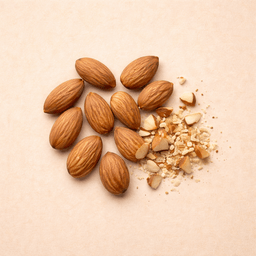 Almonds
 Double magnesium for GABA activation and muscle relaxation
Technical: Cacao nibs contain ~500mg magnesium per 100g (raw beans) and almonds provide 270mg per 100g. Magnesium activates GABA receptors (the "brake" on the nervous system) and blocks NMDA receptors (excitatory receptors). This dual mechanism lowers cortisol and promotes muscle relaxation. Cacao nibs add theobromine (250mg/100g), a mild stimulant that works without cortisol spike, enhancing the "alert but calm" combination.
What does this mean for you? Mix cacao nibs and almonds as trail mix or sprinkle them on yogurt. The double magnesium dose calms your nerves and muscles, while theobromine keeps you sharp — perfect against stress.
Raw Cacao Nibs 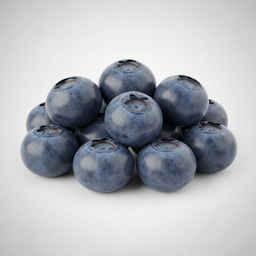 Blueberries
 Synergistic antioxidant protection via flavanols + anthocyanins
Flavanol-anthocyanin combinations show synergistic ORAC effect, up to 30% higher than individual contributions (PMID: 23953879)
Technical: Cocoa flavanols (epicatechin, 43mg/100g) neutralize ROS in the aqueous phase and support vascular function via NO synthase activation. Blueberry anthocyanins (163mg/100g) protect lipid membranes against peroxidation. Research shows the combination of flavanols + anthocyanins produces a synergistic ORAC effect: antioxidant capacity is up to 30% higher than the sum of individual contributions.
What does this mean for you? Cacao nibs with blueberries (in smoothie bowl or granola) is an antioxidant duo. The two types of polyphenols provide antioxidant support at different levels and enhance each other's effect.
Raw Cacao Nibs 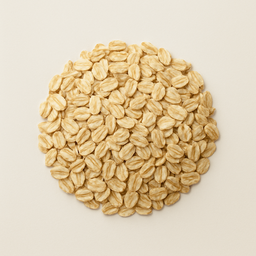 Oatmeal
 Magnesium + beta-glucans for energy and microbiome support
Technical: Cacao nibs provide magnesium (essential for ATP production in mitochondria) and flavanols that improve cerebral blood flow. Oats contain beta-glucans (4g/100g), soluble fibers that reduce glycemic response by 30-50% and feed Bifidobacterium as prebiotic. Magnesium supports energy production, while beta-glucans ensure steady glucose release — no sugar spike, no crash.
What does this mean for you? Add cacao nibs to your oatmeal for a chocolate-like breakfast experience with mental and physical energy boost. The crunchy texture adds extra bite to your porridge.
Recipes with Raw Cacao Nibs
Discover delicious recipes featuring raw cacao nibs:
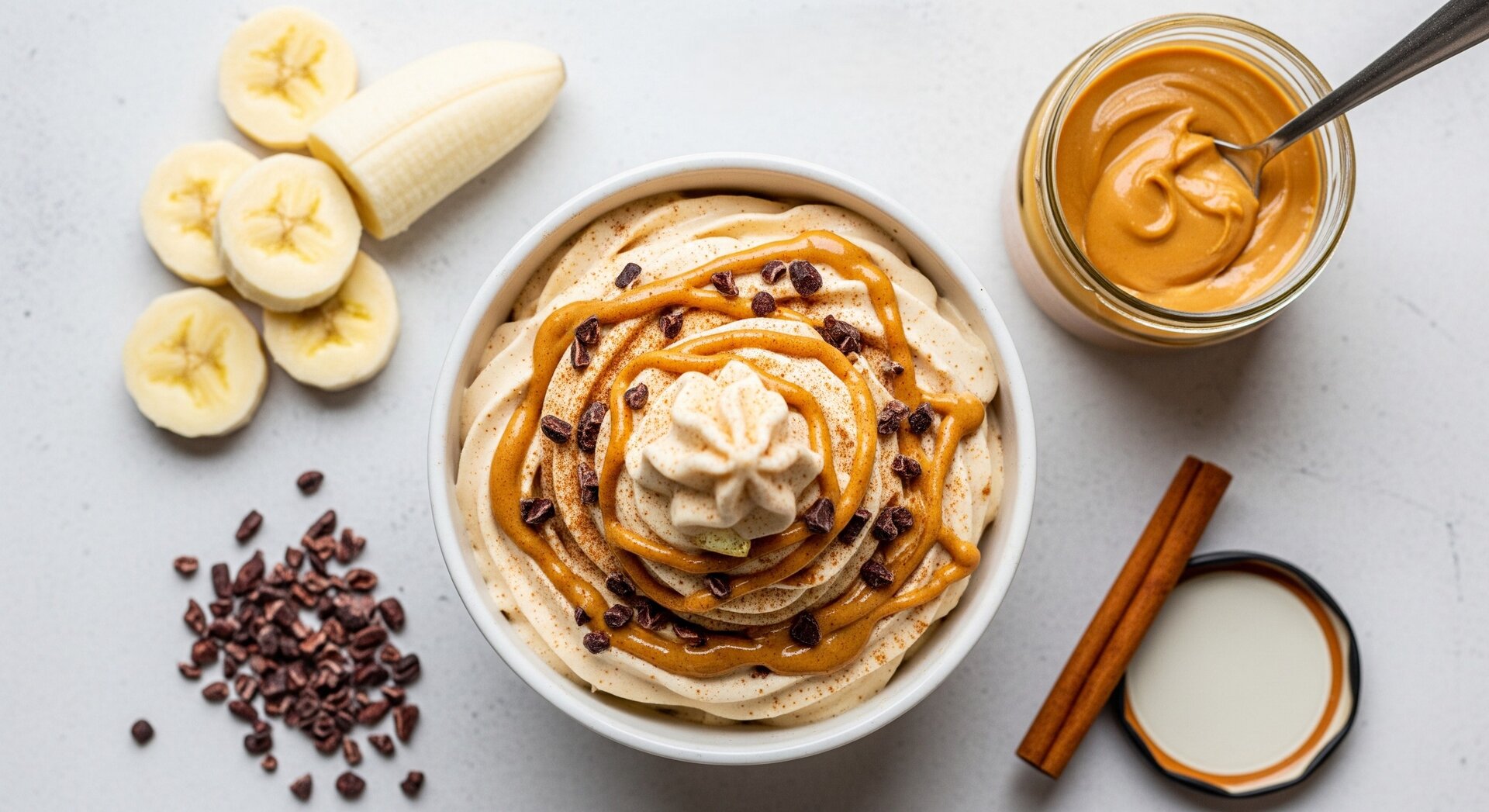 Banana-Peanut Butter Nice Cream with Cacao Nibs 5 min Creamy vegan ice cream from frozen banana with peanut butter and crunchy cacao nibs
  201 kcal
  6g protein 2 synergies
 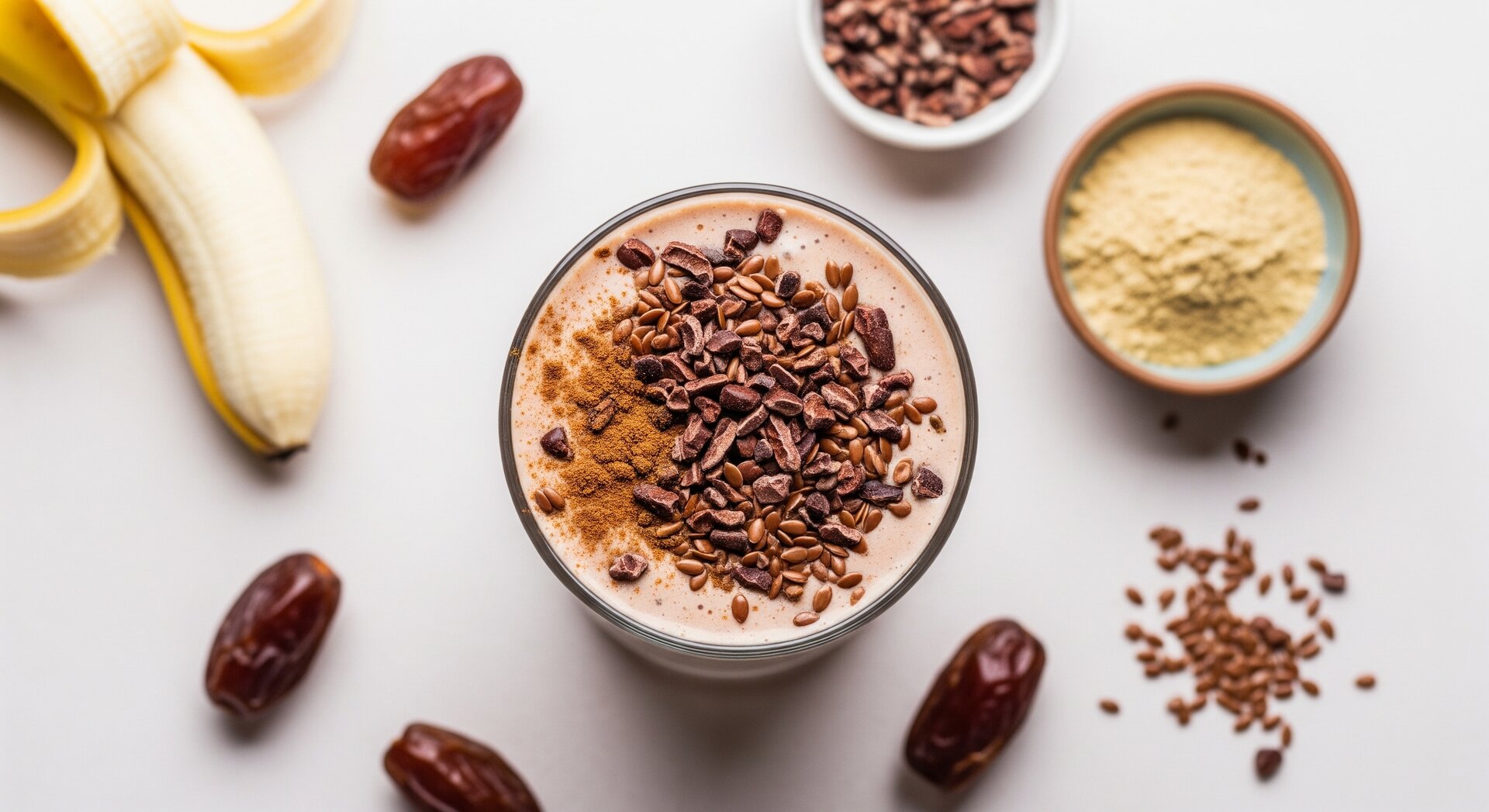 Maca Chocolate Smoothie with Flaxseed 5 min Creamy smoothie with Peruvian maca, cacao and dates 397 kcal 21g protein 1 synergies
  In the Kitchen
Storage
Location:Pantry
Preparation
Use raw as a topping, ground into smoothies or baked into brownies, muffins and granola. Combine with sweet ingredients such as banana, dates or honey to balance the bitterness. Avoid very high temperatures when you want to preserve the pure cacao flavor and aromatic notes as much as possible.
Substitutes
Smart preparation
1Briefly toast cacao nibs in a dry pan for a warmer, nuttier flavor.
Why?
Brief toasting deepens the aroma and rounds out the bitter chocolate notes.
2Use cacao nibs as a crunchy topping on smoothie bowls, yogurt, oatmeal or fruit.
3Roughly chop cacao nibs for a more even distribution in dough, granola or energy bars.
Caution / Warnings
Raw Cacao Nibs is very safe, but there are scientific considerations:
Caffeine and stimulant sensitivity Mild
Contains small amounts of caffeine (±20 mg per 100 g) and theobromine (1.5-2%), which may be noticeable for sensitive individuals.
Advice:
Start with small amounts (10-15 g). It is better not to eat cacao nibs shortly before bedtime. Reduce the portion or avoid them if insomnia, palpitations or nervousness occur.
Kidney stones and oxalate sensitivity Moderate
Cacao contains oxalates. For people prone to calcium oxalate stones, high intake may be relevant.
Advice:
With a history of kidney stones or hyperoxaluria: limit the portion, drink enough water and discuss regular consumption with a doctor or dietitian.
Reflux sensitivity Mild
Theobromine in cacao may trigger or worsen reflux symptoms in some people, especially in larger portions or late in the evening.
Advice:
With reflux symptoms: limit the portion or avoid cacao nibs, especially in the evening. Pay attention to your own response after eating them.
MAO inhibitors Moderate
Cacao contains tyramine and phenylethylamine, compounds that may be relevant when using MAO inhibitors.
Advice:
If you use MAO inhibitors, discuss cacao and cacao products with your doctor or pharmacist first, especially for regular or large portions.
Traditional use
Indigenous
Cacao nibs in Mesoamerican food cultures
Crushed cacao beans were used by the Maya and Aztecs in bitter drinks with chili, vanilla or maize, and cacao also played a role in rituals and trade.
Summary
Raw cacao nibs are small pieces of cacao bean with an intense, bitter chocolate flavor and plenty of crunch. They contain fiber, magnesium, iron, zinc, potassium, theobromine and natural polyphenols. Use them as a topping on yogurt, oatmeal or smoothie bowls, or mix them into granola and baked goods for pure chocolate flavor without added sugar.