- Easy
- 60 min
- 4 serv.
- 4 synergies
- Now at its best: Beetroot
Deeply roasted red beets with a lemon-honey dressing, sprinkled with toasted walnuts and fresh dill. Serve lukewarm.
Beetroots need patience. Forty-five minutes in the oven, slowly, until the edges darken and the flesh gives up its deep, earthy sweetness. That sweetness needs counterbalance — and you get it from a simple dressing: lemon juice, honey, the last olive oil. The wedges go in while still warm, so they absorb the dressing. Walnuts alongside, just toasted in a dry pan, still warm and fragrant. And then the dill — that fresh, anise-like contrast that brings everything together. You can serve this side lukewarm or cold as a salad the next day. It only gets better.
- 15
- min prep
- 45
- min cook
- 60
- min total
Nutritional Synergies
This recipe combines ingredients that enhance each other:
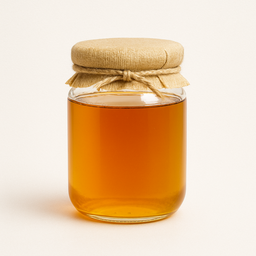 honey
honey 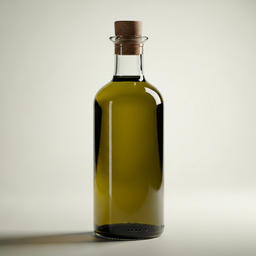 olive oil
 Dual bioactive action via chrysin + oleocanthal
Technical: Honey contains chrysin and olive oil oleocanthal — bioactive phenolic compounds studied in research in connection with NF-κB and COX signaling. Together they provide plant compounds through two independent routes.
What does this mean for you? A dressing of honey and olive oil is not just tasty — the chrysin and oleocanthal work through two different routes in your body.
Anti-inflammatoryHeartJoints
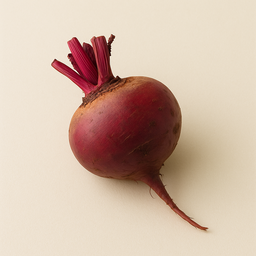 red beets
 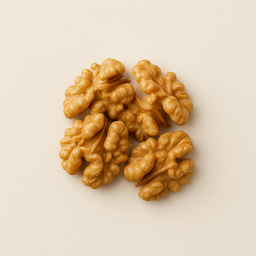 walnuts
 Nitrates + ALA omega-3: complementary vascular pathways
Technical: Beetroot provides nitrates converted via the nitrate-nitrite-NO pathway to nitric oxide (NO), involved in vasodilation. Walnuts contain 9g ALA omega-3 per 100g — an essential fatty acid. Together they influence vascular physiology via two routes: NO signaling and omega-3 fatty acid metabolism.
What does this mean for you? Make a salad of roasted beetroot with walnuts, goat cheese and arugula. Beetroot for NO production, walnuts for omega-3 — two complementary vascular pathways in one salad.
HeartAnti-inflammatory
walnuts honey ALA omega-3 + enzymatic honey: complementary bioactive pathways
Technical: Walnuts' ALA (omega-3) influences prostaglandin metabolism via complementary biochemical pathways. Honey's glucose oxidase produces hydrogen peroxide. Together they provide two complementary bioactive pathways: walnuts via the omega-3 → prostaglandin pathway, honey via enzymatic activity.
What does this mean for you? Walnuts with honey is a classic combination — the omega-3 fatty acids influence prostaglandin metabolism, honey provides enzymes such as glucose oxidase. Two complementary pathways in one snack.
HeartImmune SystemEnergy
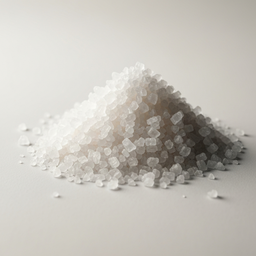 sea salt olive oil
 Minerals + polyphenols for cellular balance
Technical: Sea salt's sodium is essential for the sodium-potassium pump (Na+/K+-ATPase) that regulates every body cell. Olive oil's oleuropein and hydroxytyrosol provide antioxidant protection for cell membranes. The combination supports cell integrity: sea salt regulates ion balance, olive oil protects the membrane. In Mediterranean cuisine, coarse sea salt + olive oil is the most basic flavor profile.
What does this mean for you? Freshly ground sea salt with extra virgin olive oil is the simplest and most nutritious finishing of any dish. The combination provides the basic needs of your cells: minerals for function, polyphenols for protection.
HeartGeneral Wellness
Ingredients (7)
+5 more ingredientsInstructions
- 1 Preheat oven to 200°C. Peel beets and cut into equal wedges.
Nutrition per serving
Indicative values per serving.
Timing & Suitability
Shelf life: 2 days in fridge
Tags & Diet
Allergens: Nuts