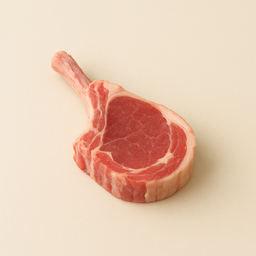
Lamb
The traditional prophetic meat
What is this ingredient?
Lamb holds a special place in Islamic tradition. It was the most consumed meat in the time of the Prophet ﷺ and is specifically mentioned in narrations about meals like Tharid.
Nutritionally, lamb is an excellent source of heme iron - the form of iron best absorbed by the body (15-35% absorption versus 2-20% for plant iron). This makes it particularly valuable for people with increased iron needs.
Lamb also contains high concentrations of zinc (essential for immune system and wound healing) and vitamin B12 (crucial for nervous system and blood formation). Grass-fed lamb also has a more favorable omega-3/omega-6 ratio than grain-fed meat.
Preferably choose organic or grass-fed lamb from local shepherds.
How does it taste?
Full, slightly gamy and aromatic with a characteristic lamb flavor.
Pairs well with:
Pairs well with cumincorianderyogurteggplant and pomegranate.
Varieties
Leg of Lamb
Classic for roasting, rich in flavor
Lamb Shoulder
Perfect for slow stewing (Tharid), becomes wonderfully tender
Lamb Chops
Quick to prepare, ideal for grilling
Ground Lamb
Versatile for kofta, köfte and meatballs
Did you know...?
- Sheep were among the first animals domesticated by humans, about 10,000 years ago.
- In New Zealand, there are approximately six sheep for every human inhabitant.
Nutritional Value & Energy
Per 100g
Lamb provides energy thanks to natural nutrients .
Per 100g
Minerals
Vitamins
Omega-3 fatty acids
More nutrients
B-Vitamins
Trace Minerals
What's in a serving?
1 serving
Lamb naturally contains potassium (310 mg per 100 g).
Lamb naturally contains selenium (26.4 mcg per 100 g).
Lamb naturally contains vitamin B12 (2.39 mcg per 100 g).
Lamb naturally contains zinc (4.5 mg per 100 g).
% of daily reference intake (DRI)
EU-approved nutrition claims
This ingredient contains nutrients for which EFSA-authorized health claims exist (at nutrient level, not ingredient-specific).
Approved health claims (EU)
Vitamin_b12 EU 432/2012
Vitamin B12 contributes to the normal function of the immune system
Contains 2.39mcg/100g (threshold: ≥0.375mcg/100g)
Vitamin_b12 EU 432/2012
Vitamin B12 contributes to the reduction of tiredness and fatigue
Contains 2.39mcg/100g (threshold: ≥0.375mcg/100g)
Vitamin_b12 EU 432/2012
Vitamin B12 contributes to the normal functioning of the nervous system
Contains 2.39mcg/100g (threshold: ≥0.375mcg/100g)
Zinc EU 432/2012
Zinc contributes to the normal function of the immune system
Contains 4.5mg/100g (threshold: ≥1.5mg/100g)
Zinc EU 432/2012
Zinc contributes to the maintenance of normal skin
Contains 4.5mg/100g (threshold: ≥1.5mg/100g)
Potassium EU 432/2012
Potassium contributes to the maintenance of normal blood pressure
Contains 310mg/100g (threshold: ≥300mg/100g)
Vitamin_b12 EU 432/2012
Vitamin B12 contributes to normal energy-yielding metabolism
Contains 2.39mcg/100g (threshold: ≥0.375mcg/100g)
Vitamin_b12 EU 432/2012
Vitamin B12 contributes to normal homocysteine metabolism
Contains 2.39mcg/100g (threshold: ≥0.375mcg/100g)
Vitamin_b12 EU 432/2012
Vitamin B12 contributes to normal psychological function
Contains 2.39mcg/100g (threshold: ≥0.375mcg/100g)
Vitamin_b12 EU 432/2012
Vitamin B12 contributes to normal red blood cell formation
Contains 2.39mcg/100g (threshold: ≥0.375mcg/100g)
Vitamin_b12 EU 432/2012
Vitamin B12 has a role in the process of cell division
Contains 2.39mcg/100g (threshold: ≥0.375mcg/100g)
Zinc EU 432/2012
Zinc contributes to normal acid-base metabolism
Contains 4.5mg/100g (threshold: ≥1.5mg/100g)
Zinc EU 432/2012
Zinc contributes to normal carbohydrate metabolism
Contains 4.5mg/100g (threshold: ≥1.5mg/100g)
Zinc EU 432/2012
Zinc contributes to normal cognitive function
Contains 4.5mg/100g (threshold: ≥1.5mg/100g)
Zinc EU 432/2012
Zinc contributes to normal DNA synthesis
Contains 4.5mg/100g (threshold: ≥1.5mg/100g)
Zinc EU 432/2012
Zinc contributes to normal fertility and reproduction
Contains 4.5mg/100g (threshold: ≥1.5mg/100g)
Zinc EU 432/2012
Zinc contributes to normal macronutrient metabolism
Contains 4.5mg/100g (threshold: ≥1.5mg/100g)
Zinc EU 432/2012
Zinc contributes to normal metabolism of fatty acids
Contains 4.5mg/100g (threshold: ≥1.5mg/100g)
Zinc EU 432/2012
Zinc contributes to normal metabolism of vitamin A
Contains 4.5mg/100g (threshold: ≥1.5mg/100g)
Zinc EU 432/2012
Zinc contributes to normal protein synthesis
Contains 4.5mg/100g (threshold: ≥1.5mg/100g)
Zinc EU 432/2012
Zinc contributes to the maintenance of normal bones
Contains 4.5mg/100g (threshold: ≥1.5mg/100g)
Zinc EU 432/2012
Zinc contributes to the maintenance of normal hair
Contains 4.5mg/100g (threshold: ≥1.5mg/100g)
Zinc EU 432/2012
Zinc contributes to the maintenance of normal nails
Contains 4.5mg/100g (threshold: ≥1.5mg/100g)
Zinc EU 432/2012
Zinc contributes to the maintenance of normal testosterone levels in the blood
Contains 4.5mg/100g (threshold: ≥1.5mg/100g)
Zinc EU 432/2012
Zinc contributes to the maintenance of normal vision
Contains 4.5mg/100g (threshold: ≥1.5mg/100g)
Zinc EU 432/2012
Zinc contributes to the protection of cells from oxidative stress
Contains 4.5mg/100g (threshold: ≥1.5mg/100g)
Zinc EU 432/2012
Zinc has a role in the process of cell division
Contains 4.5mg/100g (threshold: ≥1.5mg/100g)
Selenium EU 432/2012
Selenium contributes to the maintenance of normal hair
Contains 26.4mcg/100g (threshold: ≥8.25mcg/100g)
Selenium EU 432/2012
Selenium contributes to the maintenance of normal nails
Contains 26.4mcg/100g (threshold: ≥8.25mcg/100g)
Selenium EU 432/2012
Selenium contributes to the normal function of the immune system
Contains 26.4mcg/100g (threshold: ≥8.25mcg/100g)
Selenium EU 432/2012
Selenium contributes to normal thyroid function
Contains 26.4mcg/100g (threshold: ≥8.25mcg/100g)
Selenium EU 432/2012
Selenium contributes to normal spermatogenesis
Contains 26.4mcg/100g (threshold: ≥8.25mcg/100g)
Selenium EU 432/2012
Selenium contributes to the protection of cells from oxidative stress
Contains 26.4mcg/100g (threshold: ≥8.25mcg/100g)
Potassium EU 432/2012
Potassium contributes to normal functioning of the nervous system
Contains 310mg/100g (threshold: ≥300mg/100g)
Potassium EU 432/2012
Potassium contributes to normal muscle function
Contains 310mg/100g (threshold: ≥300mg/100g)
What's being researched?
Lamb and iron/zinc
Lamb as a source of heme iron and zinc is being studied in the context of micronutrient provision. The high content of bioavailable minerals makes it relevant in studies on iron and zinc deficiency.
Supported by: [2] Hurrell (2010)
Good Combinations (Synergy)
Combine lamb smartly to enhance the effect:
Lamb 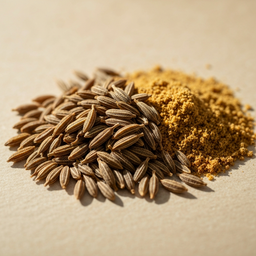 Cumin
Cumin Traditional Middle East: cumin improves fat digestion
Technical: Lamb contains 16-21% fat (depending on cut) with a higher proportion of saturated fat than chicken or fish. Cumin contains cuminaldehyde that promotes secretion of pancreatic lipase and bile salts — both essential for fat emulsification and digestion. Cumin also activates salivary glands and gastric acid secretion, improving overall digestion. Thymoquinone in cumin also has bioactive properties.
What does this mean for you? Use cumin generously with lamb dishes — in marinades, dry rubs or as ground spice. It's no coincidence that Middle Eastern, Indian and North African cuisines have combined lamb with cumin for centuries. Your stomach digests the fat significantly better.
Lamb 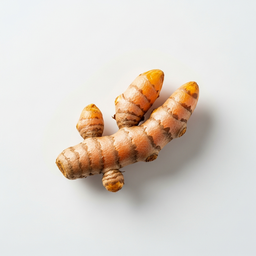 Turmeric
 Turmeric modulates the inflammatory response to red meat
Technical: Red meat contains arachidonic acid that is converted via COX-2 and LOX enzymes into pro-inflammatory eicosanoids (PGE2, leukotrienes). Curcumin modulates NF-κB — the transcription factor regulating COX-2 expression — thereby modulating the inflammatory response to red meat. The fat in lamb serves as a fat-soluble carrier improving curcumin absorption.
What does this mean for you? Add turmeric to lamb dishes — as marinade, in a curry or tagine. The turmeric modulates the mild inflammatory response that red meat can cause. Always add black pepper for 2000% better curcumin absorption.
Lamb 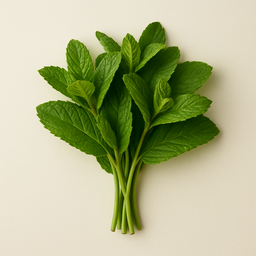 Mint
Mint Traditional Middle Eastern combination: mint supports fat digestion
Technical: Mint contains menthol, an aromatic compound traditionally valued with fatty dishes. This helps digest the relatively fatty lamb meat. Mint also neutralizes the strong lamb flavor.
What does this mean for you? Serve lamb with fresh mint sauce (British) or mint-yogurt sauce (Middle Eastern). This is why this combination is so universal.
Lamb 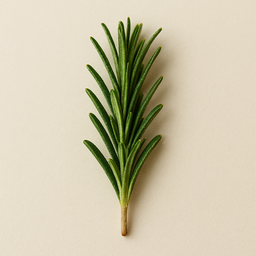 Rosemary
 Classic pairing: rosemary neutralizes fat oxidation
Technical: Lamb contains unsaturated fats that oxidize when heated into malondialdehyde (MDA) and other lipid peroxidation products. Rosemary contains carnosol, rosmanol and carnosic acid — diterpene antioxidants that reduce lipid peroxidation by 60-90%. Carnosol is particularly effective because it is heat-stable and thus remains active during cooking. The bitter compounds in rosemary are traditionally valued with fatty dishes.
What does this mean for you? Marinate lamb with rosemary or place fresh sprigs on the meat during roasting. Rosemary makes lamb not only tastier but measurably healthier by preventing fat oxidation. Use fresh rosemary for the strongest effect.
Recipes with Lamb
Discover delicious recipes featuring lamb:
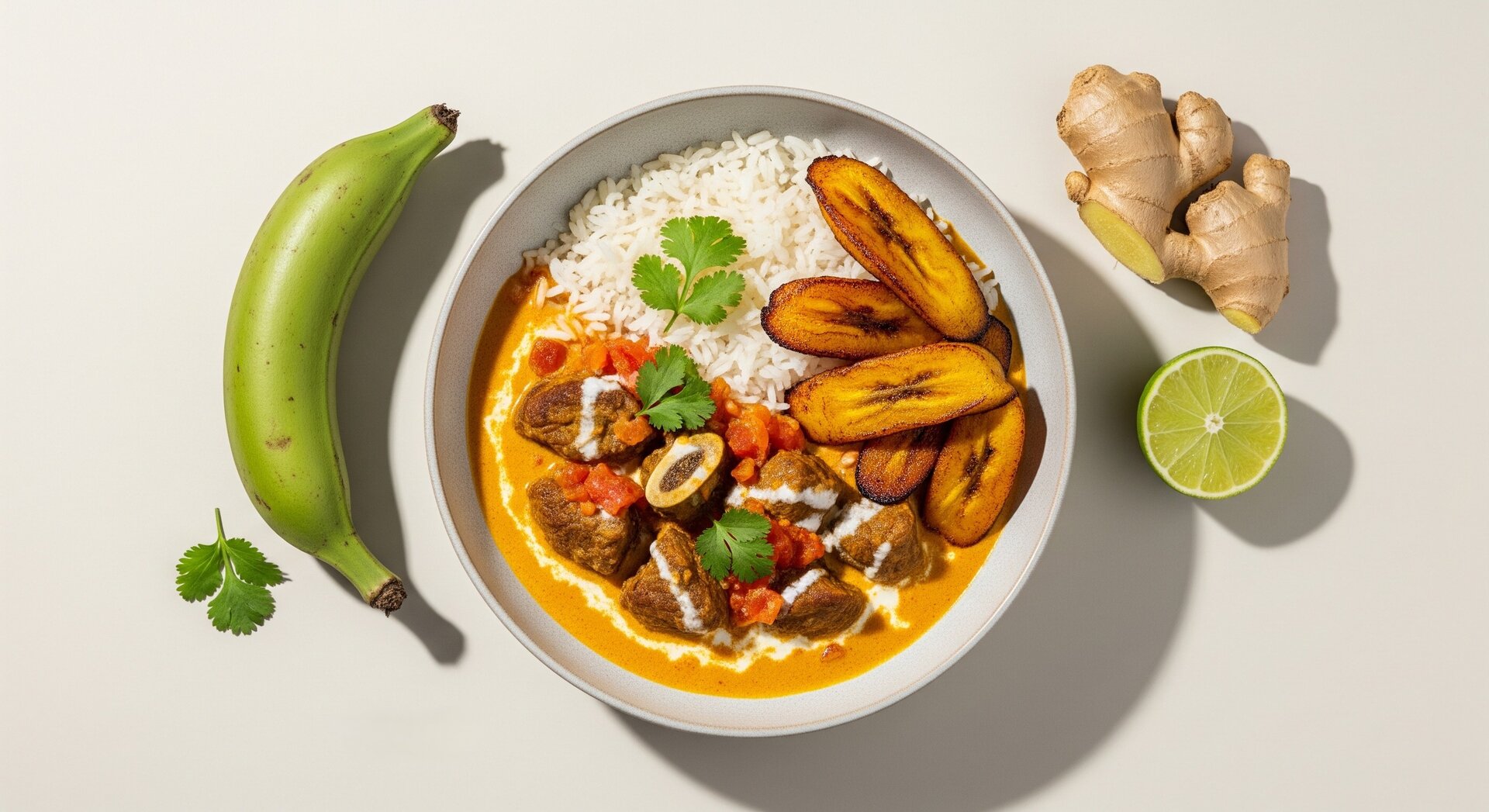 Caribbean Lamb Curry with Rice and Plantain 75 min Spicy curry with coconut milk and sweet plantain
  934 kcal
  48g protein 1 synergies
 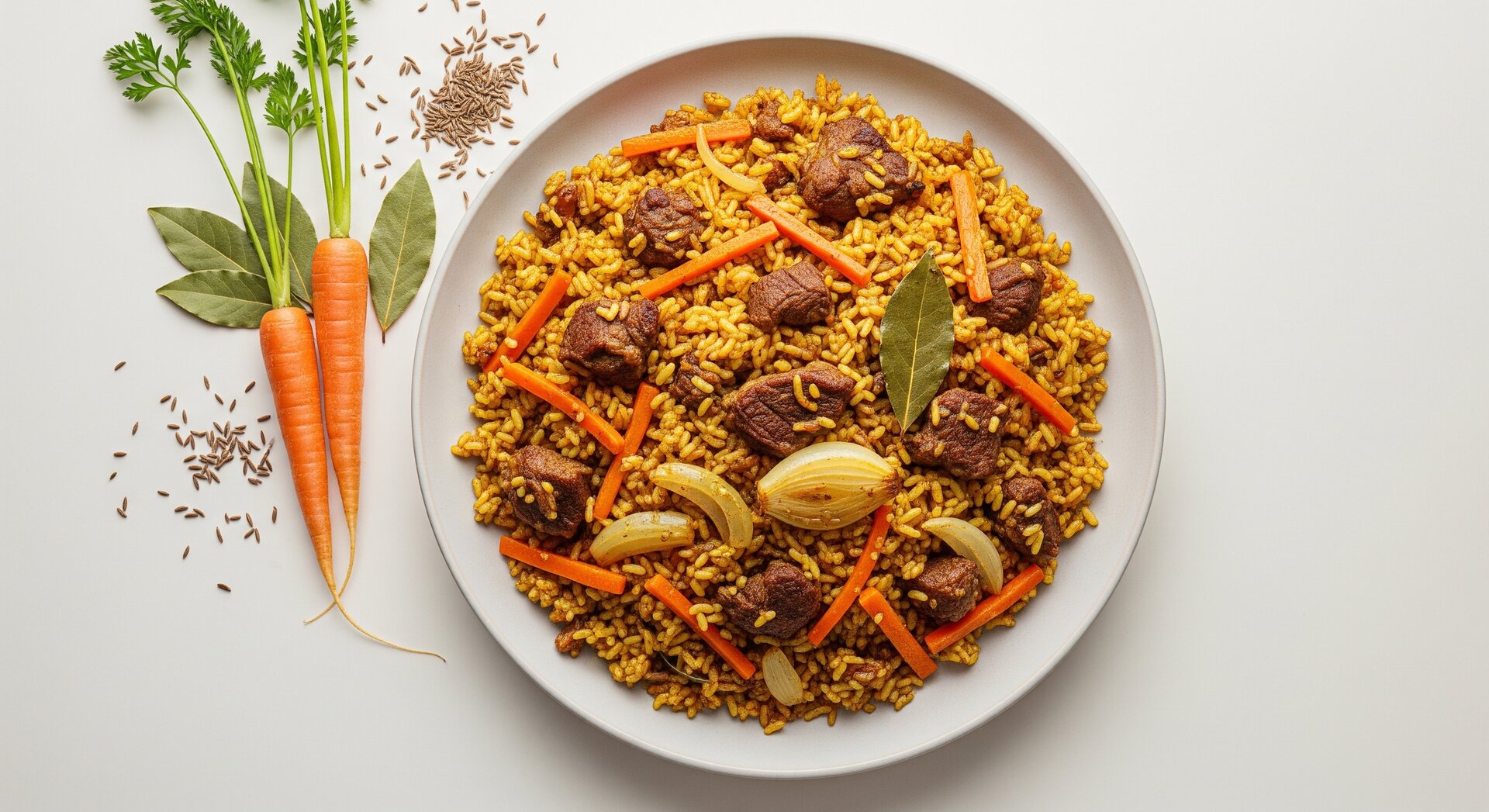 Central Asian Plov with Lamb 60 min Uzbek rice dish with lamb and carrot 679 kcal 43g protein 1 synergies
 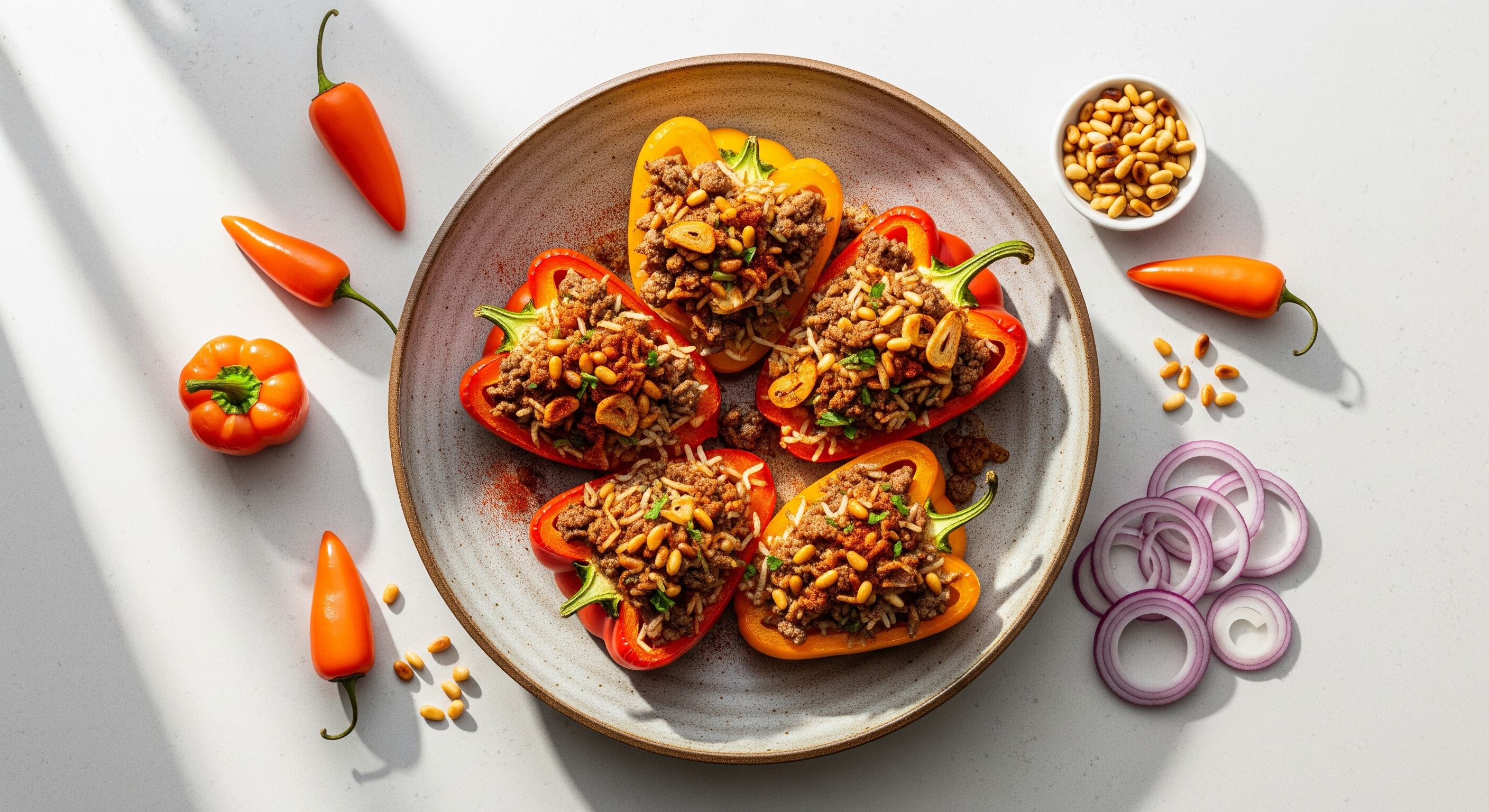 Stuffed Bell Peppers with Lamb, Rice & Pine Nuts 60 min Levantine stuffed peppers with spiced lamb filling 738 kcal 33g protein 2 synergies
 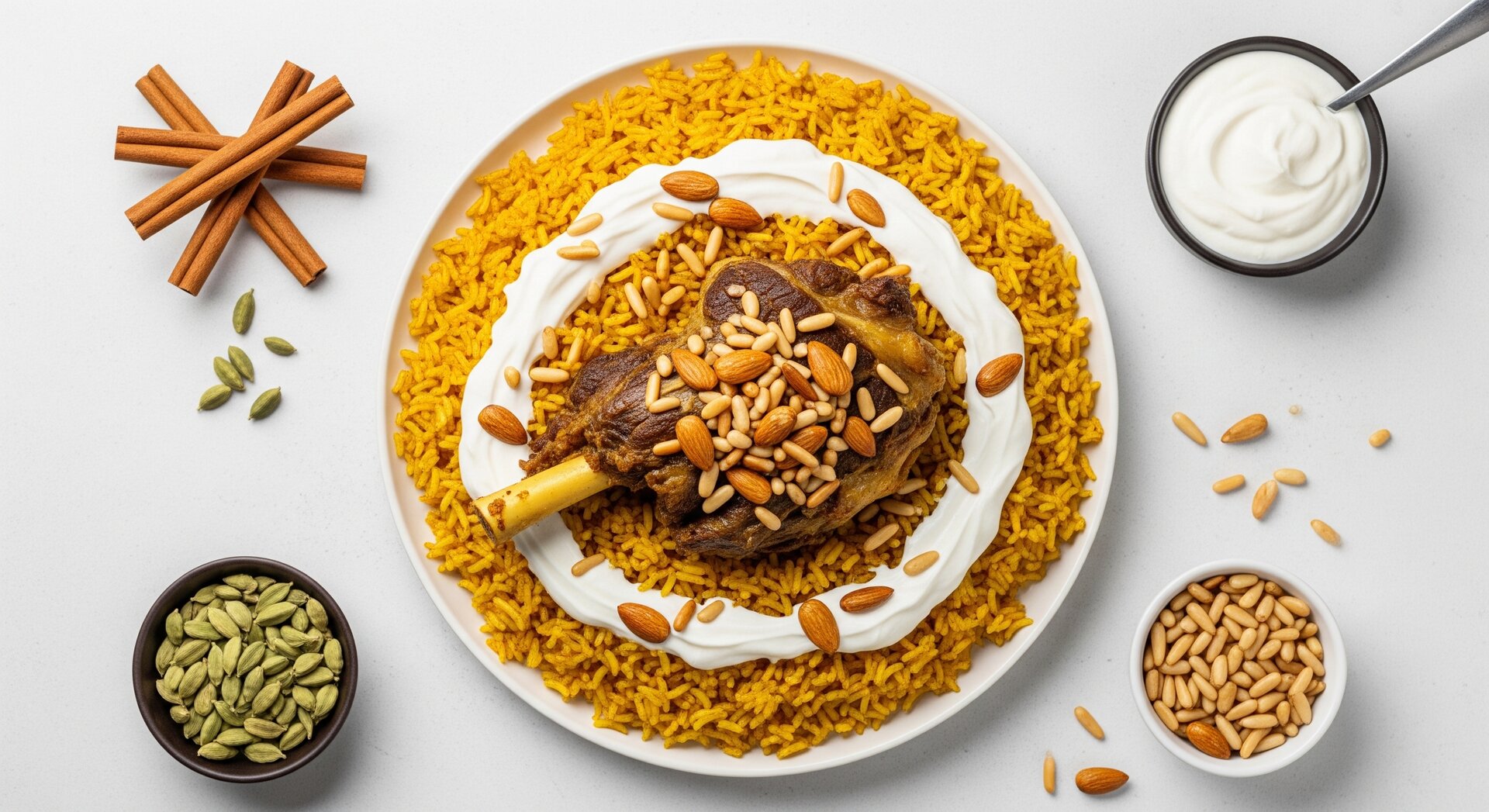 Jordanian Mansaf with Lamb and Yogurt 85 min Festive rice dish with gentle yogurt sauce and toasted nuts 876 kcal 56g protein 2 synergies
 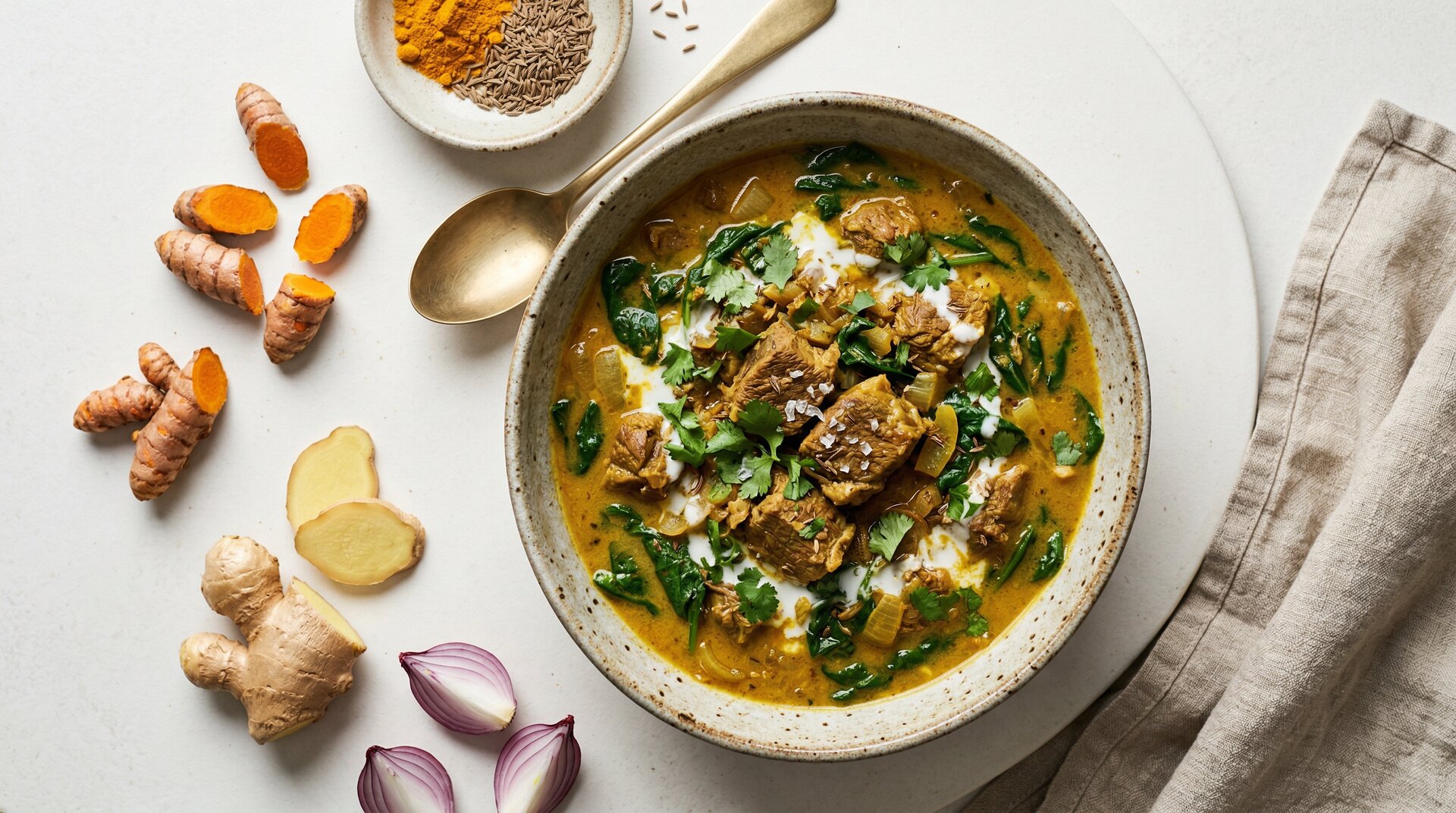 Lamb Spinach Stew with Coconut Milk and Turmeric (Keto) 60 min Creamy spiced stew with tender lamb and fresh spinach 740 kcal 42g protein 2 synergies
 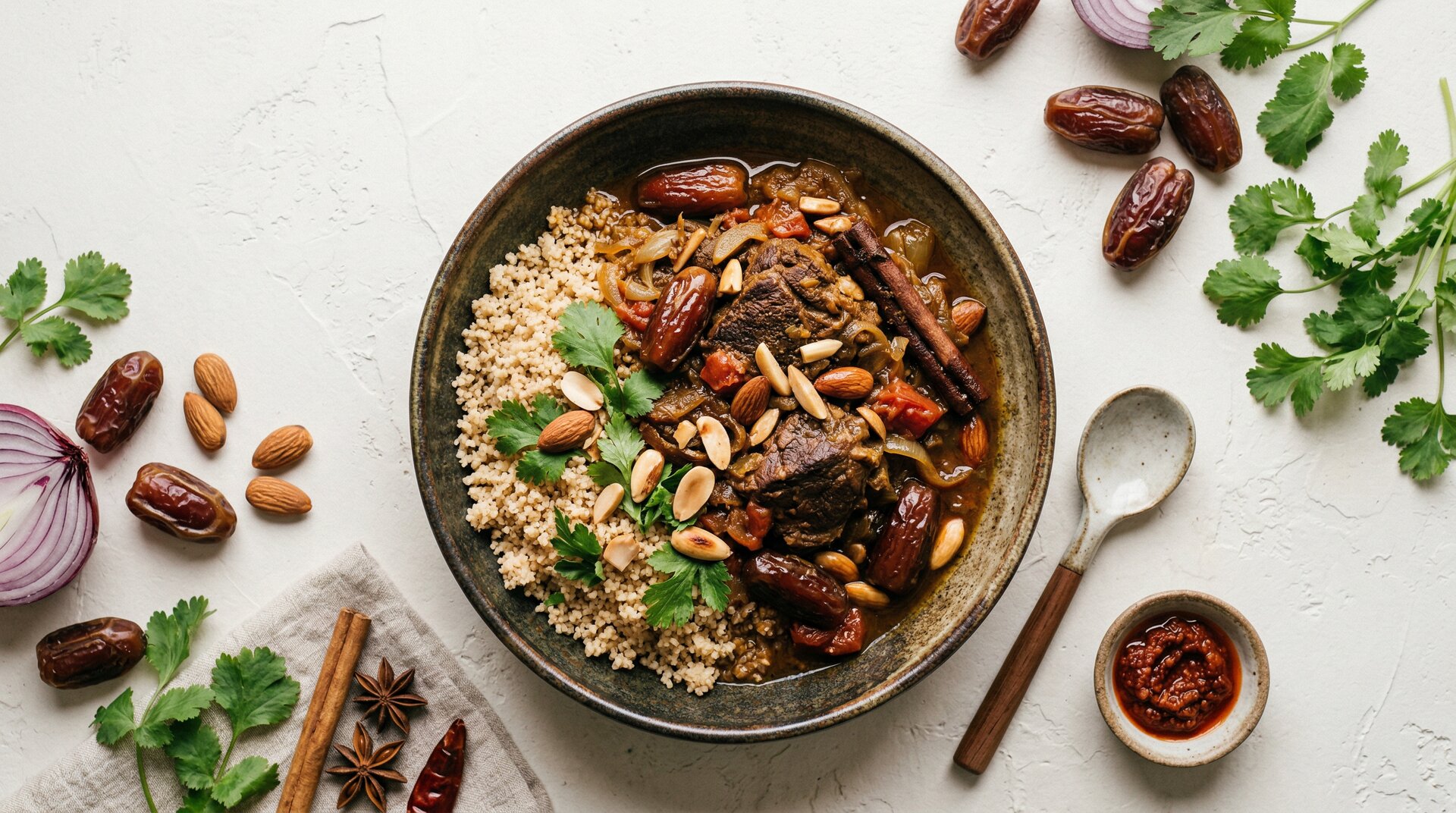 Moroccan Lamb Tagine with Dates, Almonds and Couscous 110 min Festive Moroccan stew with tender lamb, sweet dates and toasted almonds 890 kcal 40g protein 3 synergies
  In the Kitchen
Storage
Location:Refrigerator
Shelf life:2-3 dagen (rauw), 3-4 dagen (gekookt)
Store raw meat at bottom of fridge. For longer storage: freeze up to 6 months.
Preparation
For Tharid: cut into cubes and slowly stew with vegetables and spices until meat is tender. Bring to room temperature before cooking.
Conversions
Substitutes
Smart preparation
1Remove excess fat from lamb before cooking.
Why?
Lamb fat has a strong flavour that can be dominant.
2Marinate lamb with yoghurt for more tender meat.
Why?
The acid in yoghurt breaks down fibres without drying out the meat.
3Serve lamb on preheated plates.
Why?
Lamb fat solidifies quickly on a cold plate.
Caution / Warnings
Lamb is very safe, but there are scientific considerations:
Gout Moderate
Red meat contains purines that can increase uric acid
Advice:
With gout: limit to 1-2 servings per week and drink plenty of water
Cardiovascular Disease Moderate
Contains saturated fat that in large amounts can raise cholesterol
Advice:
Choose lean cuts, remove visible fat, and limit to 2-3 servings per week
Traditional use
Islamic tradition
Lamb in Islamic Tradition
Lamb holds a special place in Islamic tradition, central to the Feast of Sacrifice (Eid al-Adha) and as food of the Prophet ﷺ.
Mediterranean
Lamb in the Mediterranean
Lamb has been a staple food in the Mediterranean since antiquity, from ancient Greece to the Levant.
Summary
Lamb was the favorite meat of the Prophet ﷺ and is nutritionally a powerhouse: rich in heme iron (2-3x better absorbed than plant iron), zinc for immunity, and B12 for energy and nerves. Choose grass-fed for better fatty acid balance. Perfect for Tharid and other traditional dishes.