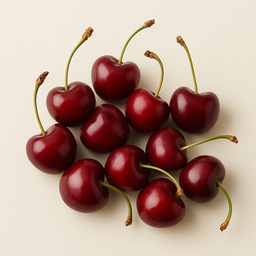
Cherries
Juicy stone fruit with a sweet-tart taste
What is this ingredient?
Cherries include both sweet cherries (Prunus avium) and tart cherries (Prunus cerasus). Sweet cherries are usually eaten fresh, while tart varieties such as Montmorency are often processed into juice, concentrate, or dried cherries.
## Tart and sweet varieties
Tart cherries have a distinct bright taste and are relatively often used in nutrition research on cherry concentrates. Sweet cherries are milder and popular as a snack, in baked goods, and in compotes.
## Polyphenols and color
The red to dark-red color mainly comes from anthocyanins. These polyphenols are studied in relation to oxidative stress and markers around exercise, recovery, and general diet quality. Such research findings are context-dependent and do not mean that cherries are a treatment or medicine.
## Culinary use
Eat cherries fresh, pit them for desserts, or use tart cherries in sauces, compotes, and drinks. Juice and dried forms are more concentrated than fresh cherries, so portion size matters.
How does it taste?
Juicy and sweet to sweet-tart, with a deep fruit flavor and sometimes a subtle almond-like aroma.
Pairs well with:
Pairs well with chocolatealmondvanillayogurtpistachioand herbs such as mint.
Varieties
Sweet cherries (Bing, Rainier)
For fresh eating, mild and sweet in taste.
Tart cherries (Montmorency)
Brighter and more tart; often processed into juice, concentrate, or dried cherries.
Did you know...?
- Japanese cherry blossom festivals (hanami) mainly celebrate ornamental cherries, not the edible varieties.
- According to a well-known historical account, the Roman general Lucullus brought cherries from Asia Minor to Europe around 74 BCE.
Nutritional Value & Energy
Per 100g
Cherries provides energy thanks to natural nutrients , buffered by fiber.
Per 100g
Minerals
Vitamins
Omega-3 fatty acids
More nutrients
B-Vitamins
Trace Minerals
What's in a serving?
1 serving
Cherries naturally contain vitamin C (12 mg per 100 g).
% of daily reference intake (DRI)
EU-approved nutrition claims
This ingredient contains nutrients for which EFSA-authorized health claims exist (at nutrient level, not ingredient-specific).
Approved health claims (EU)
Vitamin_c EU 432/2012
Vitamin C contributes to the normal function of the immune system
Contains 12mg/100g (threshold: ≥12mg/100g)
Vitamin_c EU 432/2012
Vitamin C contributes to the reduction of tiredness and fatigue
Contains 12mg/100g (threshold: ≥12mg/100g)
Vitamin_c EU 432/2012
Vitamin C contributes to normal collagen formation for the normal function of skin
Contains 12mg/100g (threshold: ≥12mg/100g)
Vitamin_c EU 432/2012
Vitamin C contributes to normal collagen formation for the normal function of blood vessels
Contains 12mg/100g (threshold: ≥12mg/100g)
Vitamin_c EU 432/2012
Vitamin C contributes to normal collagen formation for the normal function of bones
Contains 12mg/100g (threshold: ≥12mg/100g)
Vitamin_c EU 432/2012
Vitamin C contributes to normal collagen formation for the normal function of cartilage
Contains 12mg/100g (threshold: ≥12mg/100g)
Vitamin_c EU 432/2012
Vitamin C contributes to normal collagen formation for the normal function of gums
Contains 12mg/100g (threshold: ≥12mg/100g)
Vitamin_c EU 432/2012
Vitamin C contributes to normal collagen formation for the normal function of teeth
Contains 12mg/100g (threshold: ≥12mg/100g)
Vitamin_c EU 432/2012
Vitamin C contributes to normal energy-yielding metabolism
Contains 12mg/100g (threshold: ≥12mg/100g)
Vitamin_c EU 432/2012
Vitamin C contributes to normal functioning of the nervous system
Contains 12mg/100g (threshold: ≥12mg/100g)
Vitamin_c EU 432/2012
Vitamin C contributes to normal psychological function
Contains 12mg/100g (threshold: ≥12mg/100g)
Vitamin_c EU 432/2012
Vitamin C contributes to the protection of cells from oxidative stress
Contains 12mg/100g (threshold: ≥12mg/100g)
Vitamin_c EU 432/2012
Vitamin C contributes to the regeneration of the reduced form of vitamin E
Contains 12mg/100g (threshold: ≥12mg/100g)
Vitamin_c EU 432/2012
Vitamin C increases iron absorption
Contains 12mg/100g (threshold: ≥12mg/100g)
Vitamin_c EU 432/2012
Vitamin C contributes to maintain the normal function of the immune system during and after intense physical exercise
Contains 12mg/100g (threshold: ≥12mg/100g)
What's being researched?
Anthocyanins and uric acid research
Anthocyanins in cherries are being studied in relation to uric acid levels and markers around gout. Observational and small clinical studies show interesting associations, but this is not a treatment or individual medical advice.
Supported by: [4] Gonzalez DE (2024) , [3] Kuehl (2010)
Melatonin and sleep quality
Cherries, especially tart varieties, contain small amounts of melatonin and are studied in relation to sleep quality. Clinical studies with cherry concentrate show promising but context-dependent results.
Supported by: [1] Howatson (2012) , [2] Losso (2018)
Cherries and exercise recovery
Cherry concentrate is being studied in relation to markers of muscle damage and perceived muscle soreness after intense exercise. Several clinical studies show promising findings, but dose, form, and context vary by study.
Supported by: [3] Kuehl (2010) , [4] Gonzalez DE (2024)
Good Combinations (Synergy)
Combine cherries smartly to enhance the effect:
Cherries 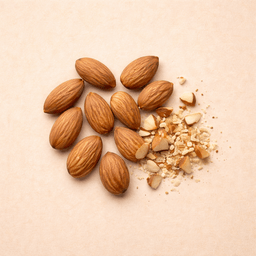 Almonds
 Natural melatonin + magnesium for nighttime rest
Technical: Cherries (especially tart cherries) contain natural melatonin (up to 13.5ng per gram) — a bioactive compound that influences circadian rhythms. Almonds contain 270mg magnesium per 100g (68% RDI) that activates GABA receptors. Magnesium contributes to the normal functioning of the nervous system (EFSA). The combination offers two complementary pathways: melatonin for circadian signaling, magnesium for neuromuscular relaxation.
What does this mean for you? A handful of almonds with dried cherries as evening snack. The combination provides both melatonin and magnesium — two nutrients supporting nighttime rest. The sweet-crunchy combination easily replaces a less healthy evening snack.
Cherries 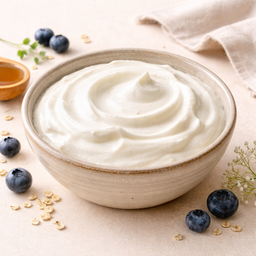 Greek Yogurt
 Anthocyanins + probiotics for bioactive collaboration
Technical: Cherries contain anthocyanins (cyanidin-3-glucosylrutinoside) that influence multiple biochemical pathways, including COX enzyme activity and eicosanoid metabolism. Yogurt's probiotics modulate the immune response via the gut-immune axis and improve the conversion of polyphenols to bioactive metabolites.
What does this mean for you? Mix fresh or dried cherries into yogurt at breakfast. The anthocyanins from cherries and probiotics from yogurt work together — the good gut bacteria convert cherry polyphenols into even more active metabolites. A delicious combination that also works synbiotically.
Cherries  Yogurt
 Anthocyanins + probiotics for bioactive collaboration
Technical: Cherries contain anthocyanins (cyanidin-3-glucosylrutinoside) that influence multiple biochemical pathways, including COX enzyme activity and eicosanoid metabolism. Yogurt's probiotics modulate the immune response via the gut-immune axis and improve the conversion of polyphenols to bioactive metabolites.
What does this mean for you? Mix fresh or dried cherries into yogurt at breakfast. The anthocyanins from cherries and probiotics from yogurt work together — the good gut bacteria convert cherry polyphenols into even more active metabolites. A delicious combination that also works synbiotically.
Cherries 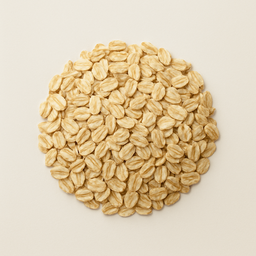 Oatmeal
 Melatonin + slow carbohydrates for optimal night's rest
Cherries increase melatonin levels and improve sleep (PMID: 22038497)
Technical: Cherries contain natural melatonin (up to 13ng/g in tart cherries). Oatmeal provides tryptophan (147mg/100g) and slow carbohydrates that promote tryptophan uptake in the brain. Beta-glucans ensure stable blood sugar throughout the night.
What does this mean for you? Oatmeal porridge with cherries (fresh or dried) 2 hours before bed is a scientifically-backed sleep aid. Add some almonds for extra magnesium.
Recipes with Cherries
Discover delicious recipes featuring cherries:
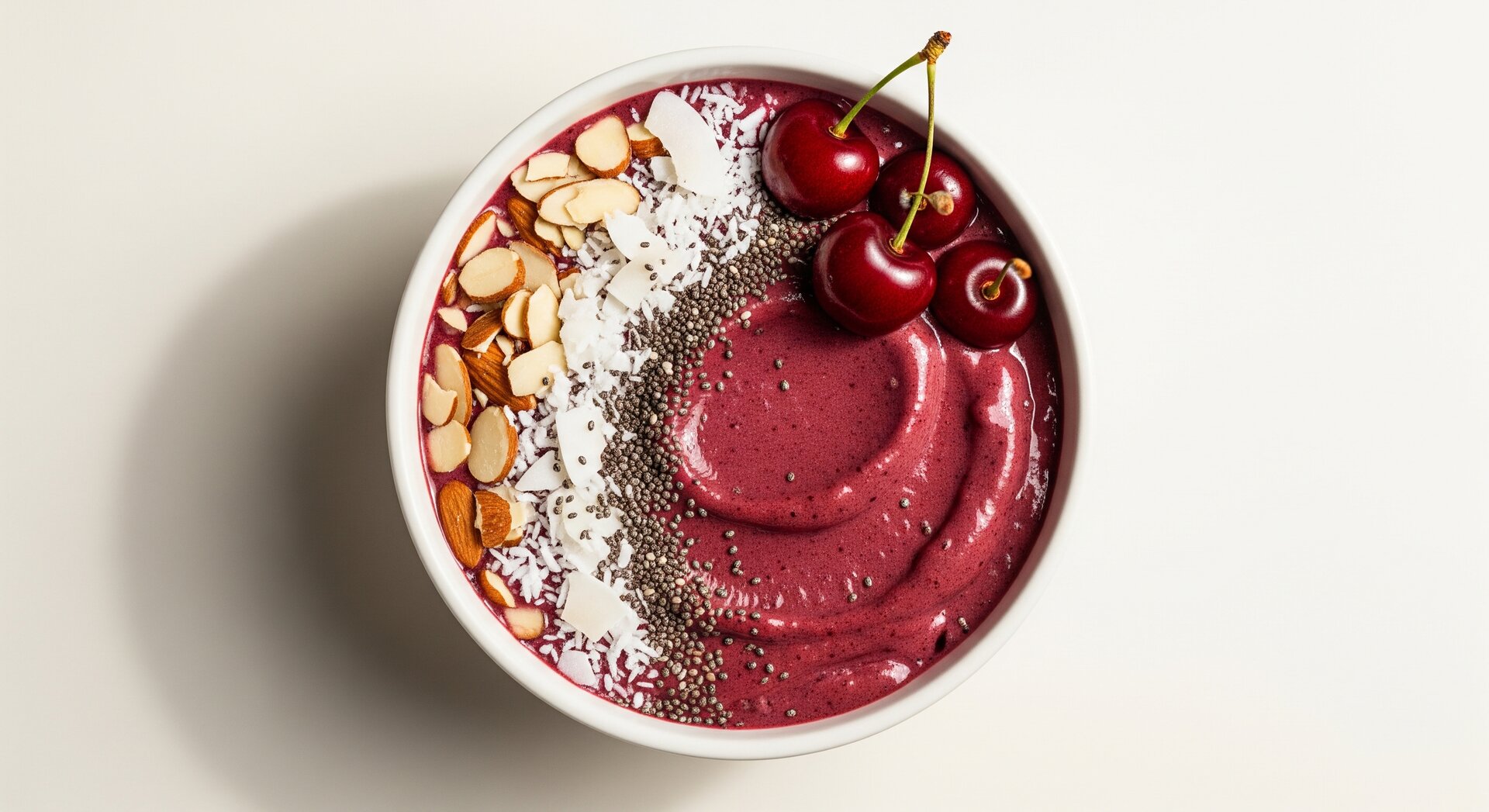 Cherry Smoothie Bowl 5 min Creamy smoothie bowl with tart cherries, banana and almonds
  340 kcal
  7g protein 2 synergies
 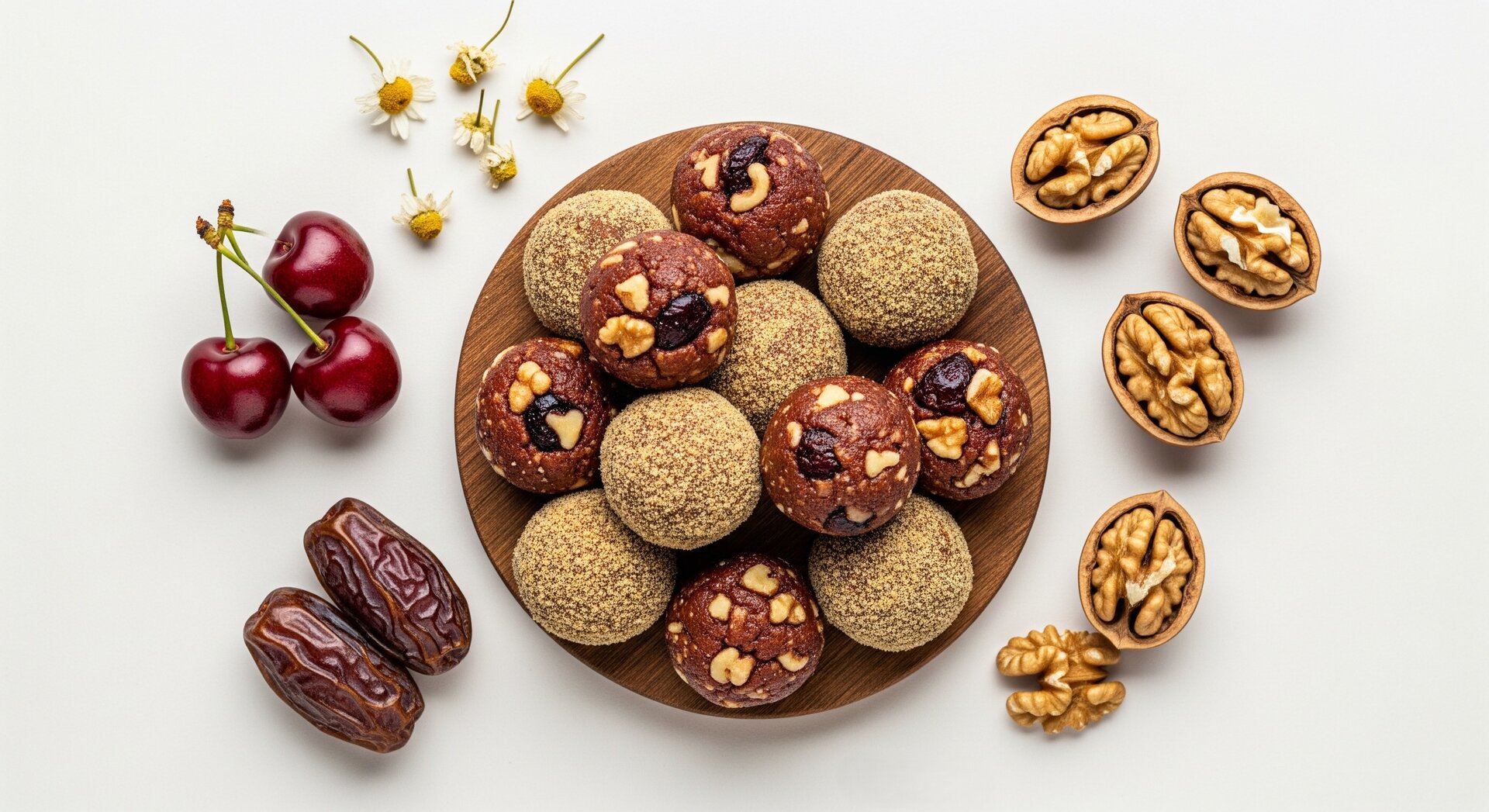 Cherry-Walnut Bites with Chamomile 10 min No-bake balls with cherries, walnuts, dates and chamomile tea 339 kcal 6g protein 1 synergies
 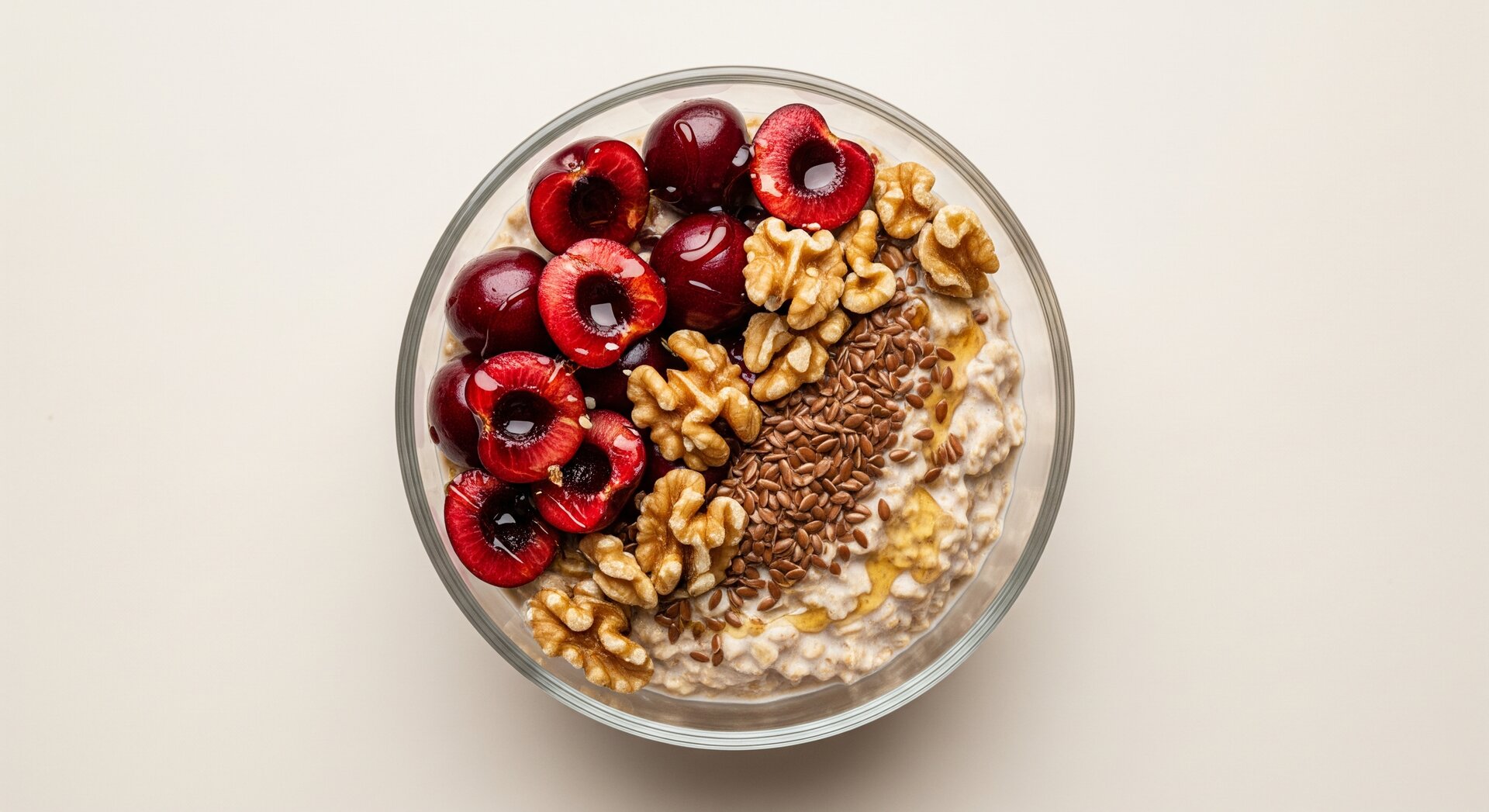 Cherry-Walnut Overnight Oats 10 min Creamy oatmeal with tart cherries, walnuts and flaxseed 380 kcal 12g protein 3 synergies
 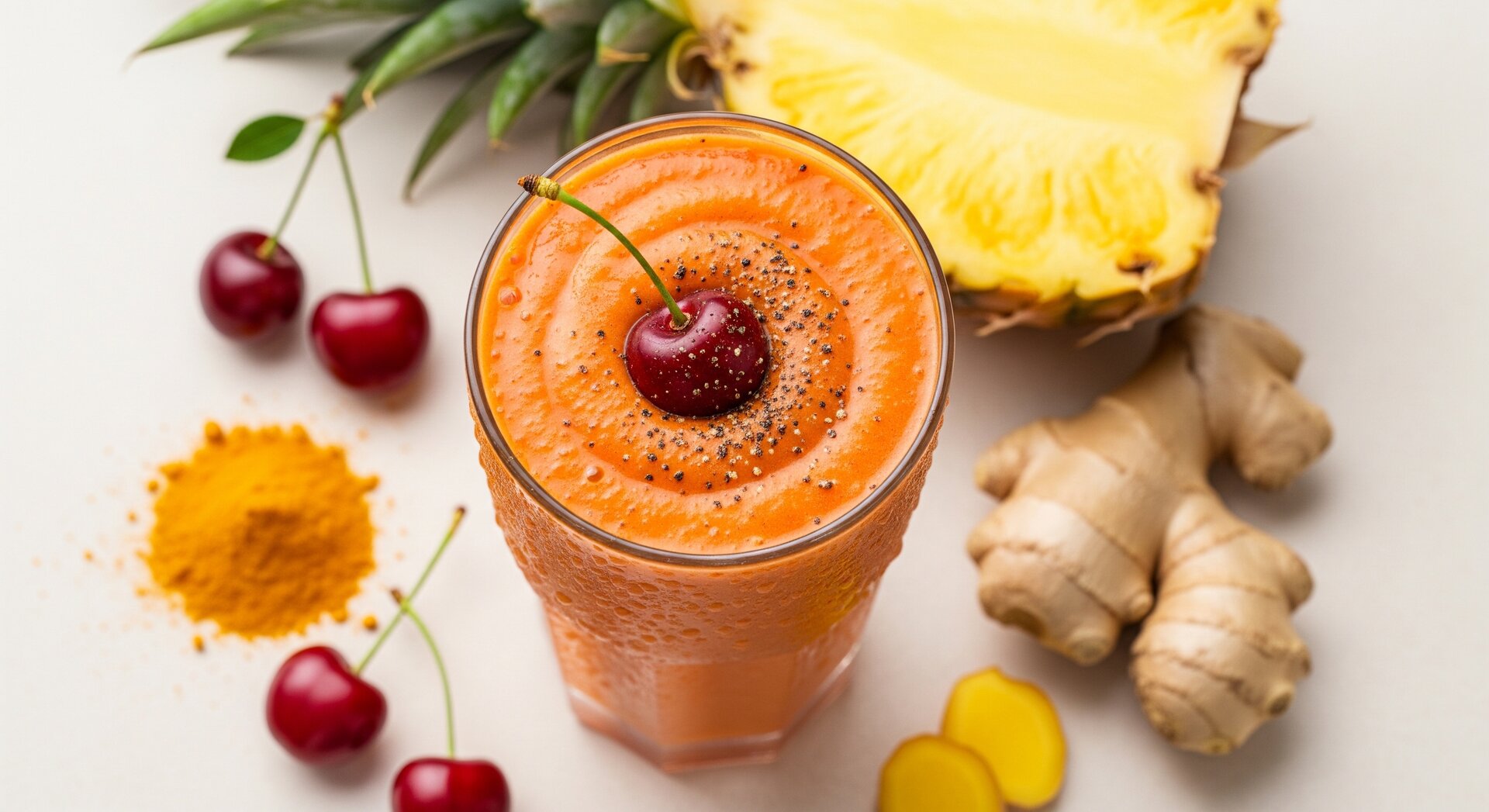 Turmeric Ginger Cherry Smoothie 5 min Spiced smoothie with turmeric, ginger, tart cherries and pineapple 362 kcal 16g protein 2 synergies
 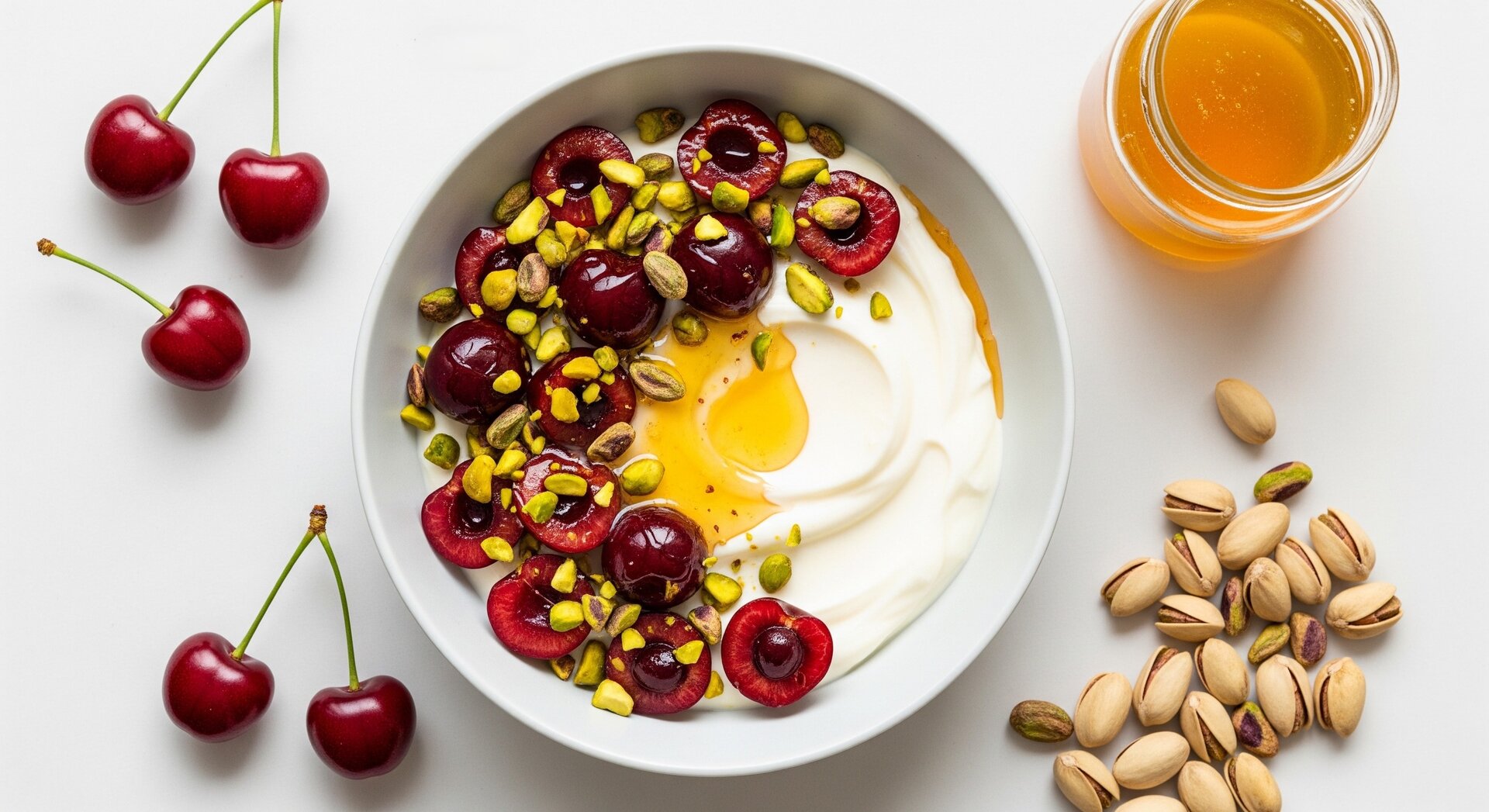 Quark Bowl with Tart Cherries and Pistachio 5 min Protein-rich bowl with tart cherries and crunchy pistachio 260 kcal 23g protein 1 synergies
 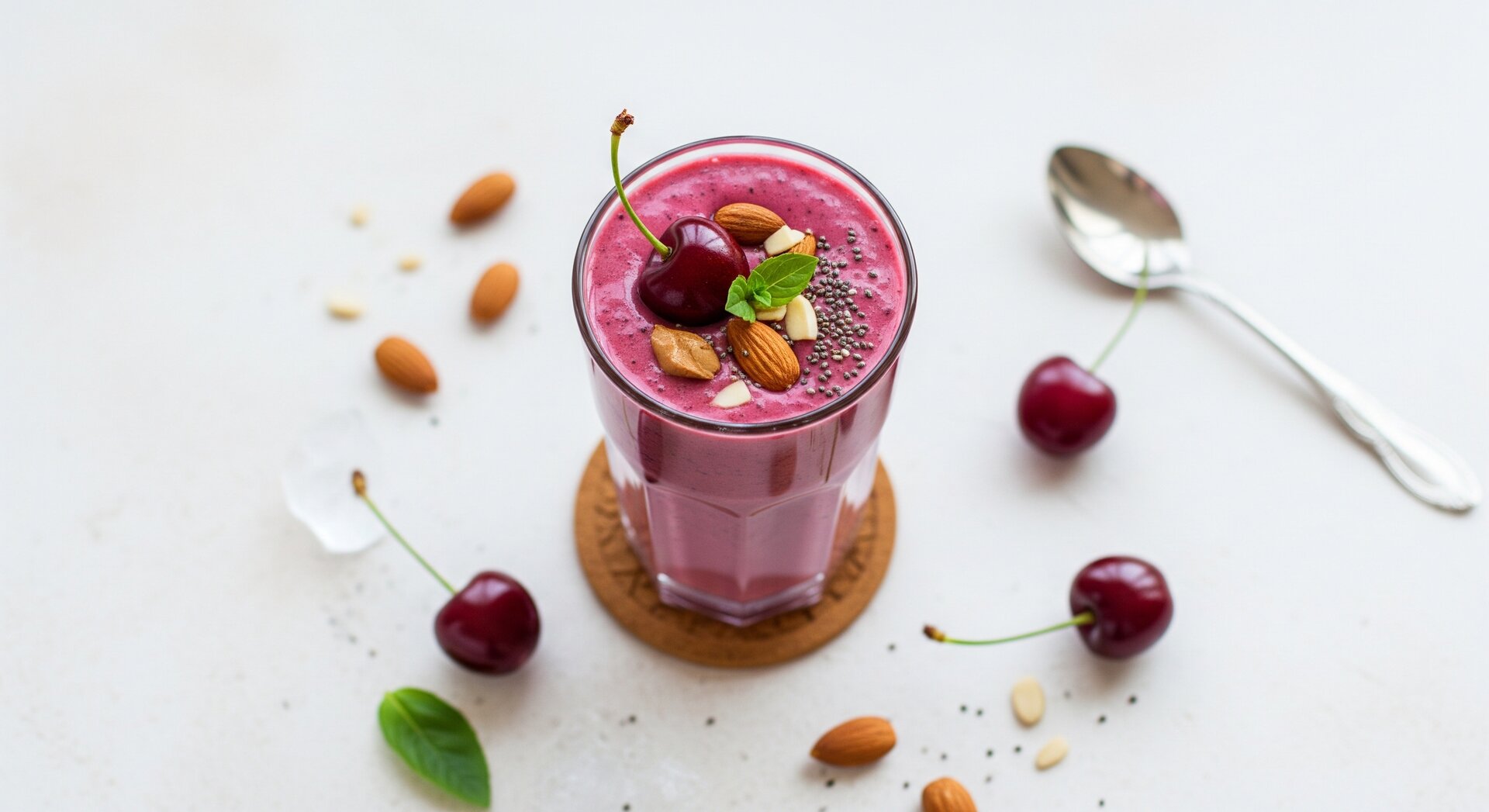 Tart Cherry Banana Smoothie 5 min Creamy smoothie with tart cherries, banana and almonds 249 kcal 17g protein 1 synergies
  In the Kitchen
Storage
Location:Refrigerator
Shelf life:5-7 dagen in koelkast
Store unwashed cherries with stems in the refrigerator. Wash them only just before use. Cherries do not ripen after picking, so choose firm, glossy ones.
Preparation
Eat fresh as a snack, use in smoothies, or add to pies, compotes, and sauces. Tart cherries or tart cherry juice add a bright, aromatic note to desserts, dressings, and drinks. Pit cherries before using them in recipes.
Conversions
Substitutes
Smart preparation
1Use a cherry pitter or the back of a chopstick to remove pits.
2Freeze pitted cherries loose on a baking sheet first, then transfer them to a bag.
3Let cherries come to room temperature for fuller flavor.
Caution / Warnings
Cherries is very safe, but there are scientific considerations:
Diabetes or blood sugar control Moderate
Cherries contain natural sugars. Juice and dried cherries provide sugar in a more concentrated form than fresh cherries.
Advice:
Prefer fresh cherries in an appropriate portion and align your choice with your personal dietary advice.
FODMAP sensitivity Moderate
Cherries contain sorbitol, a FODMAP that can cause digestive discomfort in some people.
Advice:
Start with a small portion and assess your personal tolerance.
Traditional use
Other
European folk tradition
In European folk tradition, cherry stems were traditionally steeped as tea. Cherries and cherry juice were also a cherished part of seasonal summer traditions, valued for their fresh taste.
Summary
Cherries are juicy stone fruits with a sweet or tart taste. Tart varieties such as Montmorency are often used in research on cherry concentrates around sleep and recovery, but this remains context-dependent nutrition information. Fresh cherries work well as a snack, in yogurt, salads, desserts, and sauces.