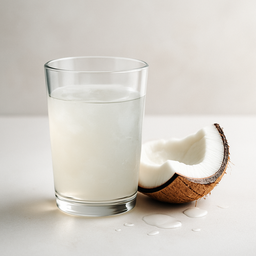
Coconut Water
Tropical drink with potassium and electrolytes
What is this ingredient?
Coconut water is the clear liquid from young, green coconuts. It is not the same as coconut milk: coconut milk is pressed from the white flesh, while coconut water naturally sits inside the young nut. The flavor is lightly sweet, fresh and subtly nutty, with a gentle tropical aroma.
## Composition
Coconut water naturally contains electrolytes such as potassium, sodium and magnesium, plus small amounts of sugars and organic acids that contribute to its fresh taste. With about 19 calories per 100 ml, it is a light drink; exact mineral and sugar levels vary by brand, origin and coconut maturity.
## Research context
Coconut water has been studied in trials comparing it with water or carbohydrate-electrolyte drinks around fluid balance after exercise. Such studies describe markers such as body weight, fluid intake and taste acceptance, but they are not ingredient-specific health claims. Literature also discusses exceptional historical emergency use of coconut water as a clinical fluid; for everyday use, it remains a food and beverage.
## Practical use
Drink coconut water well chilled, use it in smoothies with mango or pineapple, freeze it into popsicles or add a small amount to curries and rice dishes for mild tropical sweetness. Choose 100% coconut water without added sugars or flavorings when possible.
How does it taste?
Lightly sweet and refreshing with a subtle, tropical nutty flavor.
Pairs well with:
Pairs well with limemangopineapplemint and chia seeds.
Did you know...?
- Coconut water is naturally sealed inside the young coconut as long as the shell remains intact.
- A young green coconut can contain up to 750 ml of coconut water, usually more than a ripe brown coconut.
Nutritional Value & Energy
Per 100ml
Coconut Water is low in calories thanks to natural nutrients .
Per 100g
Minerals
Vitamins
Omega-3 fatty acids
More nutrients
Trace Minerals
What's in a serving?
1 serving
% of daily reference intake (DRI)
EU-approved nutrition claims
There are currently no EFSA-authorized health claims specific to coconut water.
What's being researched?
Coconut water in fluid-balance research
Coconut water is studied as a drink with naturally occurring electrolytes such as potassium, sodium and magnesium. Studies compare it with water and sports drinks using markers such as fluid intake, body weight and taste acceptance.
Supported by: [1] Kalman (2012)
Good Combinations (Synergy)
Combine coconut water smartly to enhance the effect:
Coconut Water  Banana
 Double potassium + quick sugars for sports recovery
Technical: Coconut water (250mg K/100ml) + banana (358mg K/100g) together provide 600+ mg potassium — essential for muscle contraction and nerve conduction. After intense exercise you lose 200-400mg potassium via sweat per hour. Banana's quick sugars (glucose + fructose) replenish muscle glycogen, coconut water's electrolytes restore hydration status. The combination covers all three post-exercise needs: glycogen + electrolytes + hydration.
What does this mean for you? Blend coconut water with banana for the ultimate post-workout smoothie. It's natural, a natural alternative to sports drinks and contains no artificial additives.
Coconut Water 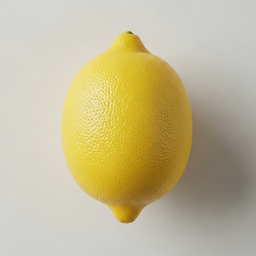 Lemon
Lemon Natural electrolytes + vitamin C for hydration and immunity
Technical: Coconut water contains potassium (250mg/100ml), sodium (105mg), magnesium (25mg) and cytokinins (plant growth hormones with bioactive properties). Lemon adds vitamin C (53mg) and citric acid. The electrolyte ratio in coconut water (K:Na = 2.4:1) is ideal for cellular hydration. Vitamin C contributes to the normal function of the immune system (EFSA) while electrolytes improve the absorption medium via sodium-glucose cotransport (SGLT1).
What does this mean for you? Coconut water with lemon is a natural isotonic drink — a natural alternative to sports drinks with artificial colorants. Ideal after exercise, in heat or during dehydration.
Recipes with Coconut Water
Discover delicious recipes featuring coconut water:
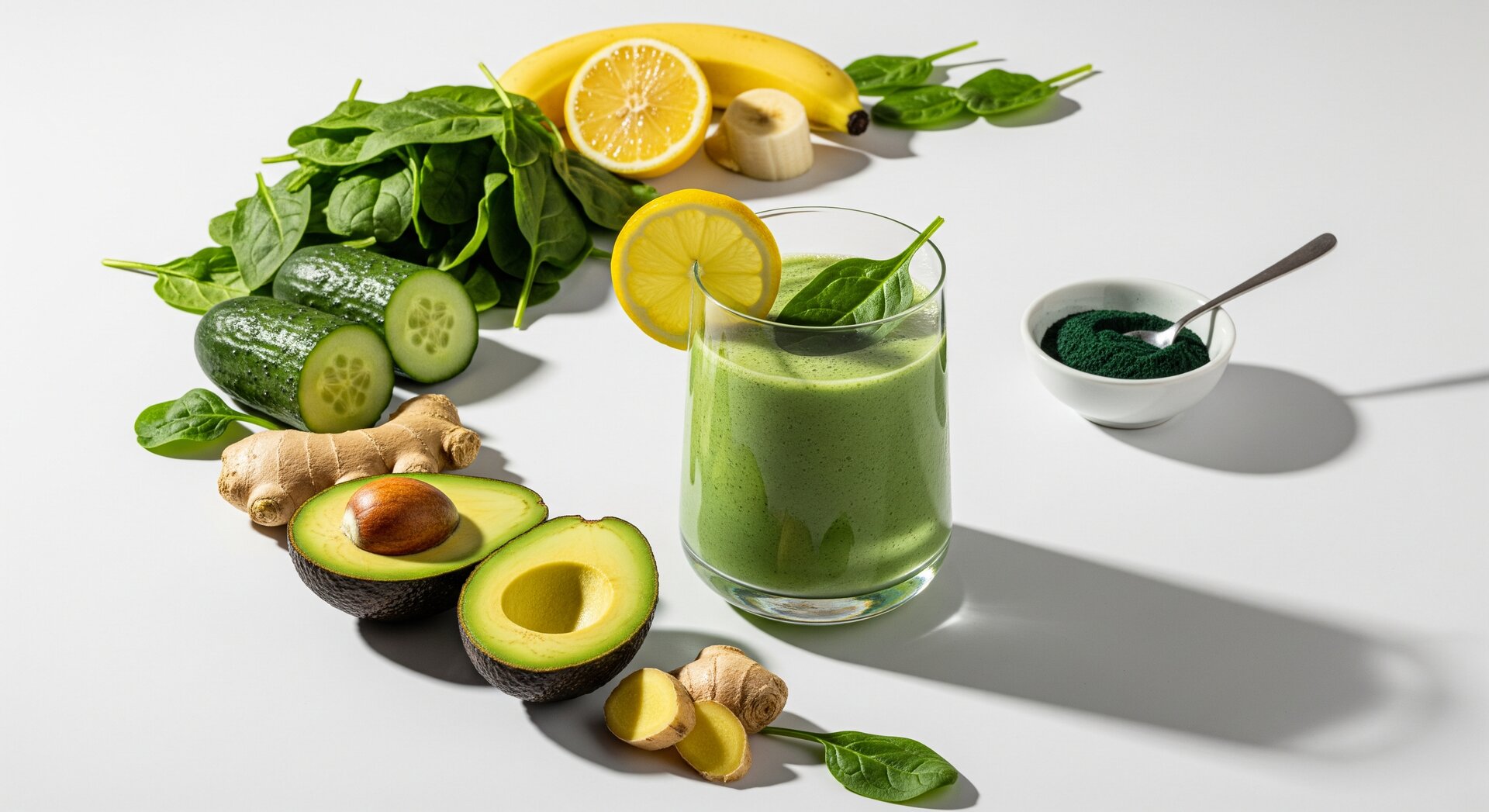 Green Smoothie with Avocado and Spirulina 5 min Refreshing green smoothie with cucumber, ginger and coconut water
  280 kcal
  6g protein 2 synergies
 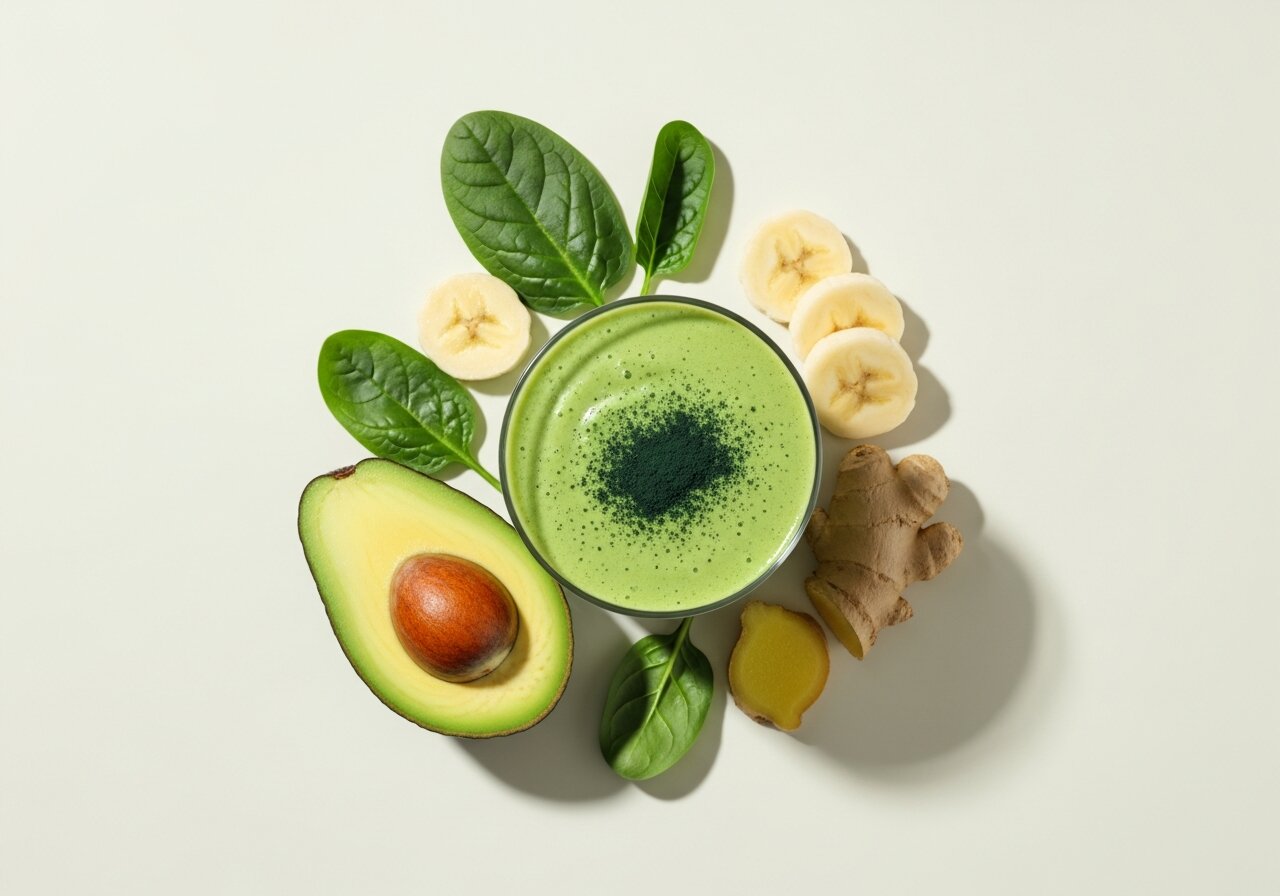 Green Spinach Avocado Smoothie 5 min Fresh green smoothie with spinach, avocado, banana and ginger 280 kcal 5g protein 2 synergies
  Coconut Water with Lemon, Mint and a Pinch of Sea Salt 5 min A light, fresh drink to quench thirst on warm days 55 kcal 1g protein 1 synergies
 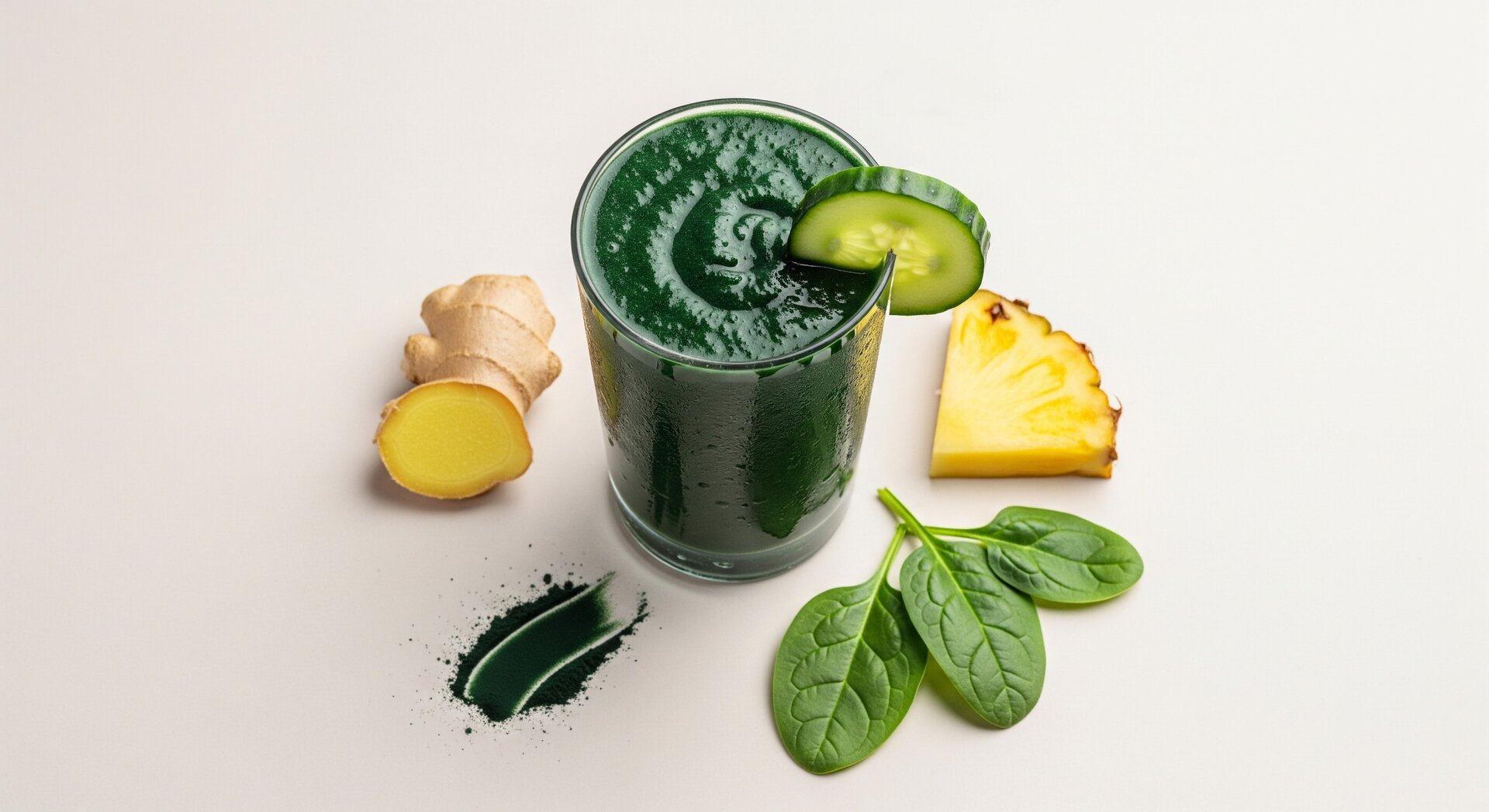 Spirulina Green Smoothie with Ginger 5 min Green smoothie with pineapple, apple and coconut water 190 kcal 15g protein 1 synergies
 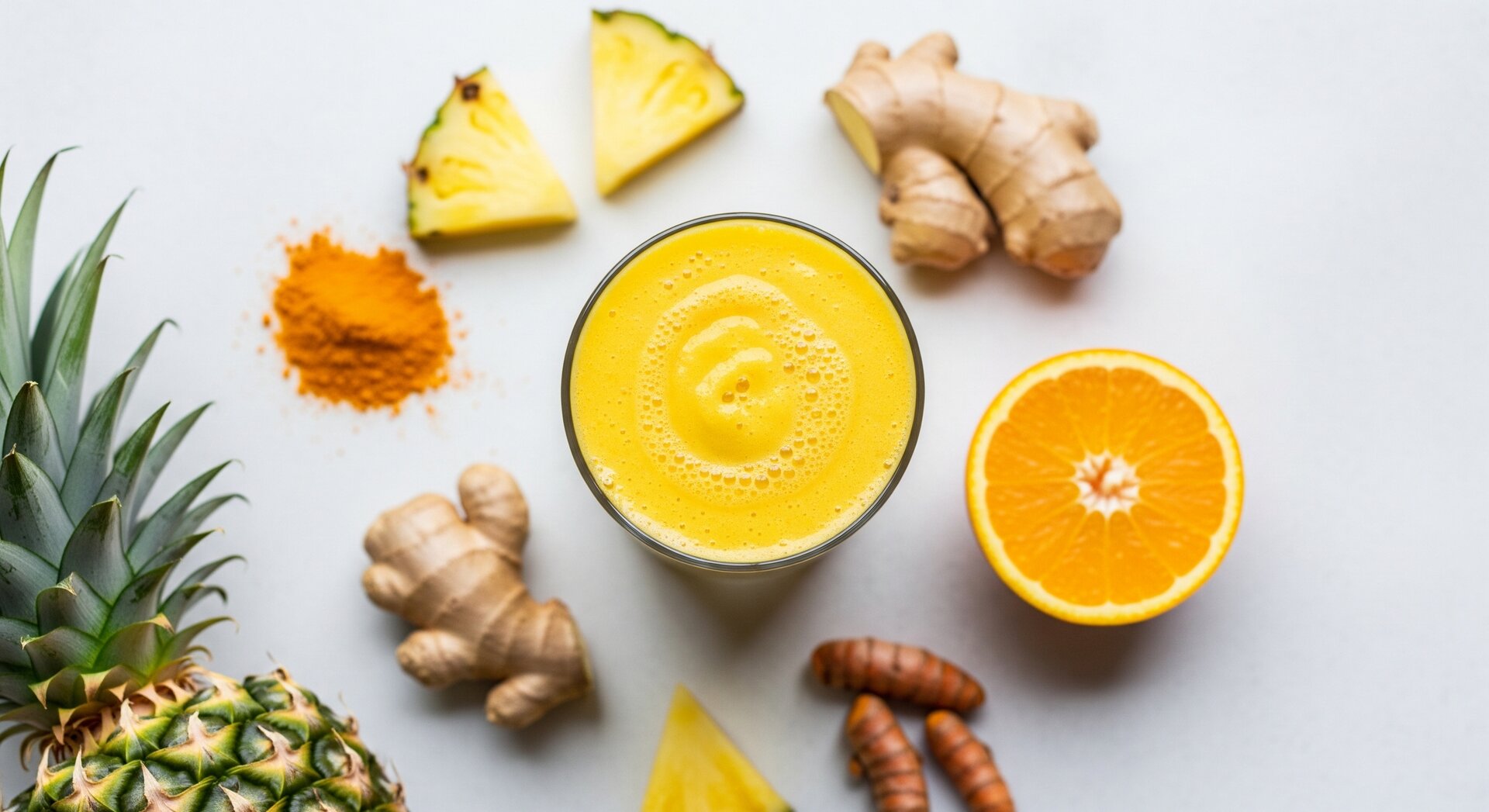 Tropical Pineapple-Ginger Smoothie 5 min Fresh tropical smoothie with pineapple, mango, ginger and turmeric 237 kcal 4g protein 1 synergies
  In the Kitchen
Storage
Location:Refrigerator
Shelf life:3-5 dagen geopend, maanden ongeopend
Always refrigerate after opening and consume within 3-5 days. Unopened coconut water usually keeps at room temperature; always follow the date and instructions on the package.
Preparation
Drink chilled, use in smoothies, mocktails and popsicles, or add a small amount to curries, rice and sauces for light tropical sweetness.
Substitutes
Smart preparation
1Use coconut water as a base for smoothies instead of regular water.
2Cook rice in a mixture of coconut water and water for a subtle tropical aroma.
3Serve coconut water chilled; at room temperature the taste is less fresh.
Caution / Warnings
Coconut Water is very safe, but there are scientific considerations:
Kidney disease Moderate
Coconut water contains a relatively high amount of potassium. With kidney disease or potassium-restricted dietary advice, this may be relevant for total daily intake.
Advice:
Use coconut water regularly only after advice from a doctor or dietitian if you have kidney disease or a potassium restriction.
Blood pressure medication Mild
Because of its potassium content, coconut water may be relevant for people taking medication where potassium or fluid intake needs to be discussed.
Advice:
Discuss regular use with your doctor or pharmacist, especially if you have also received potassium or fluid guidance.
Traditional use
Ayurveda
Coconut water in Ayurvedic food traditions
In Ayurvedic food traditions, coconut water is often described as a cooling, light drink. It is traditionally consumed in warm climates and pairs with simple dishes, fruit and herbs such as mint or lime.
Southeast Asian
Coconut water in tropical drinking cultures
In Southeast Asia and the Pacific islands, coconut water has been drunk directly from young coconuts for centuries as a fresh thirst-quencher, often at markets, by the sea or with simple meals.
Summary
Coconut water is a light tropical drink from young green coconuts, with naturally occurring potassium, sodium and magnesium. It tastes fresh and lightly sweet, works well in smoothies and tropical drinks, and is best served chilled. Choose 100% pure coconut water without added sugars or flavorings.