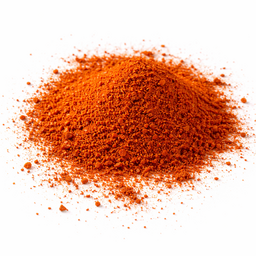
Cayenne Pepper
Bright red pepper with direct heat
What is this ingredient?
Cayenne pepper is a cultivar of Capsicum annuum. Unlike chili powder, which is often a blend with cumin, garlic or other spices, cayenne pepper is usually pure ground pepper.
Its sharp heat comes mainly from capsaicin, a natural capsaicinoid concentrated in the placental tissue and inner parts of the pepper. This means even a small amount brings clear, direct warmth to sauces, stews, marinades and spiced oils.
From a culinary point of view, cayenne pepper is valued because it adds little sweetness or smokiness: it mainly adds heat. That makes it useful when you want to make a dish spicier without strongly changing its flavor profile.
Historically, the pepper is linked to Central and South American culinary traditions, where Capsicum peppers have been grown, dried and ground as seasoning for thousands of years.
How does it taste?
Sharp and fiery with immediate, clean heat and little aftertaste.
Pairs well with:
Pairs well with chocolatelimegarlicginger and honey.
Did you know...?
- Cayenne pepper is named after the city of Cayenne in French Guiana.
- On the Scoville scale, cayenne pepper usually scores between 30,000 and 50,000 units.
Nutritional Value & Energy
Per 100g
Cayenne Pepper provides energy thanks to natural nutrients , buffered by fiber.
Per 100g
Minerals
Vitamins
Omega-3 fatty acids
More nutrients
B-Vitamins
Trace Minerals
What's in a serving?
Cayenne pepper naturally contains Vitamin A (2081 mcg per 100 g dried powder). At typical spice usage (3–9 g), the contribution is limited.
Cayenne pepper naturally contains Vitamin E (29 mg per 100 g dried powder). At typical spice usage (3–9 g), the contribution is limited.
Cayenne pepper naturally contains Vitamin C (76 mg per 100 g dried powder). At typical spice usage (3–9 g), the contribution is limited.
Cayenne pepper naturally contains potassium (2014 mg per 100 g dried powder). At typical spice usage (3–9 g), the contribution is limited.
Cayenne pepper naturally contains manganese (2 mg per 100 g dried powder). At typical spice usage (3–9 g), the contribution is limited.
Cayenne pepper naturally contains Vitamin B6 (2.5 mg per 100 g dried powder). At typical spice usage (3–9 g), the contribution is limited.
Cayenne pepper naturally contains Vitamin A (2081 mcg per 100 g dried powder). At typical spice usage (3–9 g), the contribution is limited.
Cayenne pepper naturally contains Vitamin E (29 mg per 100 g dried powder). At typical spice usage (3–9 g), the contribution is limited.
Cayenne pepper naturally contains Vitamin C (76 mg per 100 g dried powder). At typical spice usage (3–9 g), the contribution is limited.
Cayenne pepper naturally contains potassium (2014 mg per 100 g dried powder). At typical spice usage (3–9 g), the contribution is limited.
Cayenne pepper naturally contains iron (7.8 mg per 100 g dried powder). At typical spice usage (3–9 g), the contribution is limited.
Cayenne pepper naturally contains manganese (2 mg per 100 g dried powder). At typical spice usage (3–9 g), the contribution is limited.
Cayenne pepper naturally contains Vitamin B6 (2.5 mg per 100 g dried powder). At typical spice usage (3–9 g), the contribution is limited.
Cayenne pepper naturally contains magnesium (152 mg per 100 g dried powder). At typical spice usage (3–9 g), the contribution is limited.
Cayenne pepper naturally contains phosphorus (293 mg per 100 g dried powder). At typical spice usage (3–9 g), the contribution is limited.
Cayenne pepper naturally contains copper (0.4 mg per 100 g dried powder). At typical spice usage (3–9 g), the contribution is limited.
Cayenne pepper naturally contains folate (106 mcg per 100 g dried powder). At typical spice usage (3–9 g), the contribution is limited.
% of daily reference intake (DRI)
EU-approved nutrition claims
This ingredient contains nutrients for which EFSA-authorized health claims exist (at nutrient level, not ingredient-specific).
Approved health claims (EU)
Vitamin_a EU 432/2012
Vitamin A contributes to the normal function of the immune system
Contains 2081mcg/100g (threshold: ≥120mcg/100g)
Vitamin_a EU 432/2012
Vitamin A contributes to the maintenance of normal skin
Contains 2081mcg/100g (threshold: ≥120mcg/100g)
Vitamin_a EU 432/2012
Vitamin A contributes to the maintenance of normal mucous membranes
Contains 2081mcg/100g (threshold: ≥120mcg/100g)
Vitamin_a EU 432/2012
Vitamin A contributes to the maintenance of normal vision
Contains 2081mcg/100g (threshold: ≥120mcg/100g)
Vitamin_a EU 432/2012
Vitamin A contributes to normal iron metabolism
Contains 2081mcg/100g (threshold: ≥120mcg/100g)
Vitamin_a EU 432/2012
Vitamin A has a role in the process of cell specialisation
Contains 2081mcg/100g (threshold: ≥120mcg/100g)
Vitamin_b6 EU 432/2012
Vitamin B6 contributes to normal cysteine synthesis
Contains 2.5mg/100g (threshold: ≥0.21mg/100g)
Vitamin_b6 EU 432/2012
Vitamin B6 contributes to normal energy-yielding metabolism
Contains 2.5mg/100g (threshold: ≥0.21mg/100g)
Vitamin_b6 EU 432/2012
Vitamin B6 contributes to normal functioning of the nervous system
Contains 2.5mg/100g (threshold: ≥0.21mg/100g)
Vitamin_b6 EU 432/2012
Vitamin B6 contributes to normal homocysteine metabolism
Contains 2.5mg/100g (threshold: ≥0.21mg/100g)
Vitamin_b6 EU 432/2012
Vitamin B6 contributes to normal protein and glycogen metabolism
Contains 2.5mg/100g (threshold: ≥0.21mg/100g)
Vitamin_b6 EU 432/2012
Vitamin B6 contributes to normal psychological function
Contains 2.5mg/100g (threshold: ≥0.21mg/100g)
Vitamin_b6 EU 432/2012
Vitamin B6 contributes to normal red blood cell formation
Contains 2.5mg/100g (threshold: ≥0.21mg/100g)
Vitamin_b6 EU 432/2012
Vitamin B6 contributes to the normal function of the immune system
Contains 2.5mg/100g (threshold: ≥0.21mg/100g)
Vitamin_b6 EU 432/2012
Vitamin B6 contributes to the regulation of hormonal activity
Contains 2.5mg/100g (threshold: ≥0.21mg/100g)
Vitamin_b6 EU 432/2012
Vitamin B6 contributes to the reduction of tiredness and fatigue
Contains 2.5mg/100g (threshold: ≥0.21mg/100g)
Vitamin_e EU 432/2012
Vitamin E contributes to the protection of cells from oxidative stress
Contains 29mg/100g (threshold: ≥1.8mg/100g)
Comparison
vsbanaan
Cayenne pepper contains about 6× more potassium per 100 g than banana — but you use much less cayenne pepper per serving.
vsspinazie
Cayenne pepper contains about 3× more iron per 100 g than spinach — but you use much less cayenne pepper per serving.
What's being researched?
Capsaicin and energy expenditure
Capsaicin in cayenne pepper is studied in research on post-meal heat production and energy expenditure. The findings describe modest, context-dependent changes and are not the same as an ingredient-specific health claim.
Supported by: [1] Janssens (2013) , [2] Whiting S (2012)
Capsaicin and vascular research
Research examines capsaicin in relation to vascular responses and cardiovascular markers. Much of the data comes from preclinical models; clinical evidence in humans remains limited and context-dependent.
Supported by: [1] Janssens (2013) , [2] Whiting S (2012)
Good Combinations (Synergy)
Combine cayenne pepper smartly to enhance the effect:
Cayenne Pepper  Lemon
Lemon TRPV1 activation + vitamin C antioxidant support
Technical: Capsaicin in cayenne pepper activates TRPV1 receptors increasing thermogenesis (heat production). Lemon provides vitamin C (53mg/100ml) that contributes to the protection of cells from oxidative stress and protects capsaicin from oxidation as antioxidant.
What does this mean for you? A squeeze of lemon juice over cayenne-seasoned food gives a powerful flavor profile. The vitamin C protects the capsaicin and contributes to your antioxidant support.
Cayenne Pepper  Turmeric
 Capsaicin increases curcumin absorption
Technical: Capsaicin from cayenne increases intestinal mucosa permeability via TRPV1 activation, allowing larger molecules like curcumin to be better absorbed. This mechanism is similar to but independent from the piperine effect. Capsaicin's thermogenic action also enhances blood flow to the gut.
What does this mean for you? Combine cayenne with turmeric in curries or soups. The cayenne helps your gut absorb more curcumin — a different mechanism than black pepper, so adding both is optimal.
Cayenne Pepper 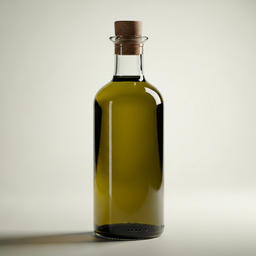 Olive Oil
 Fat-soluble capsaicin is better absorbed with olive oil
Technical: Capsaicin is fat-soluble and absorbed 2-3x better with dietary fat. Olive oil also reduces stomach irritation that cayenne can cause, while oleocanthal adds bioactive action.
What does this mean for you? Add cayenne pepper to olive oil-based sauces or dressings. The fat improves absorption and the oil tempers the spiciness.
Recipes with Cayenne Pepper
Discover delicious recipes featuring cayenne pepper:
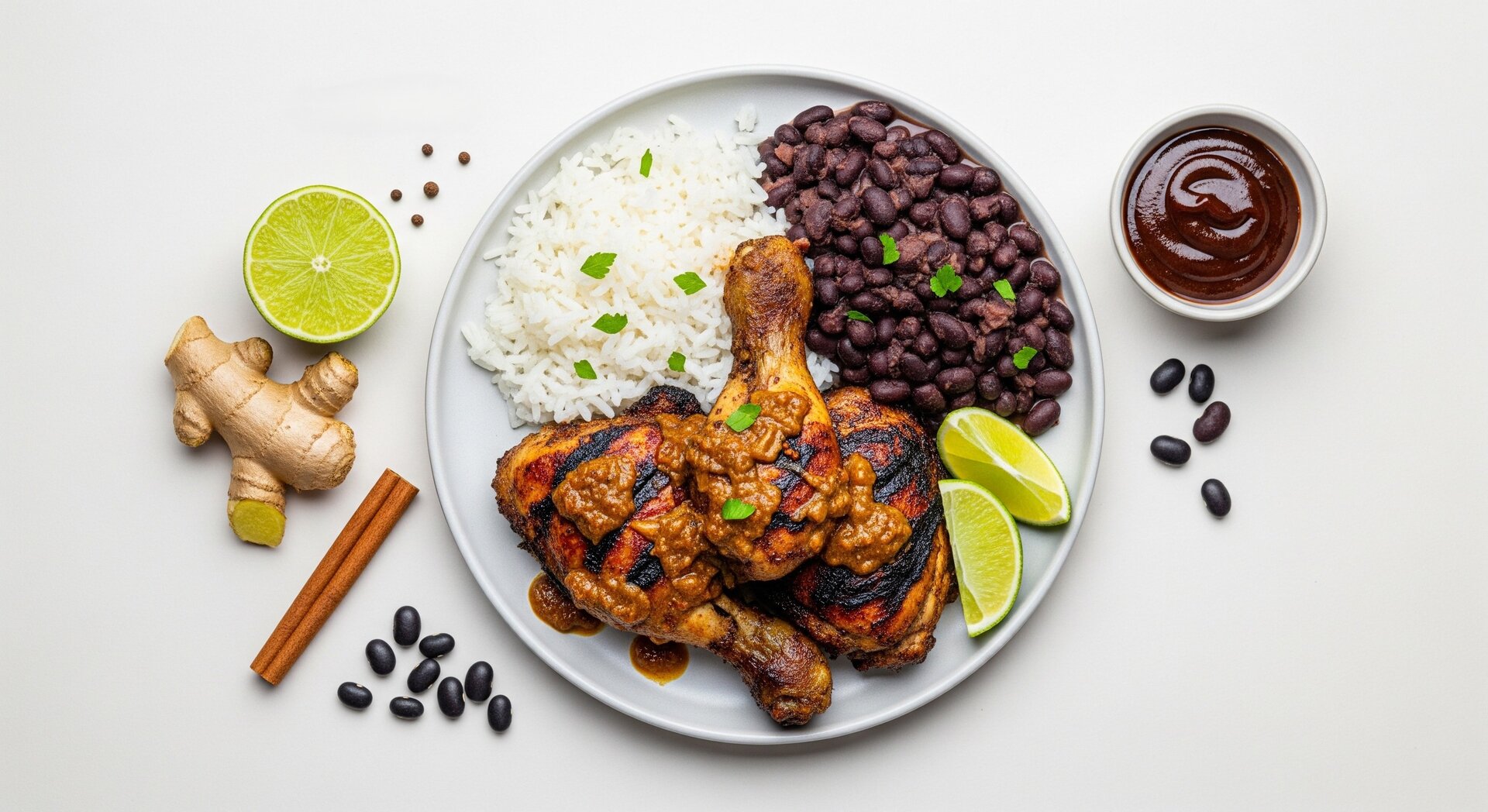 Caribbean Jerk Chicken with Rice and Peas 65 min Spiced chicken with coconut rice and black beans
  868 kcal
  57g protein 1 synergies
 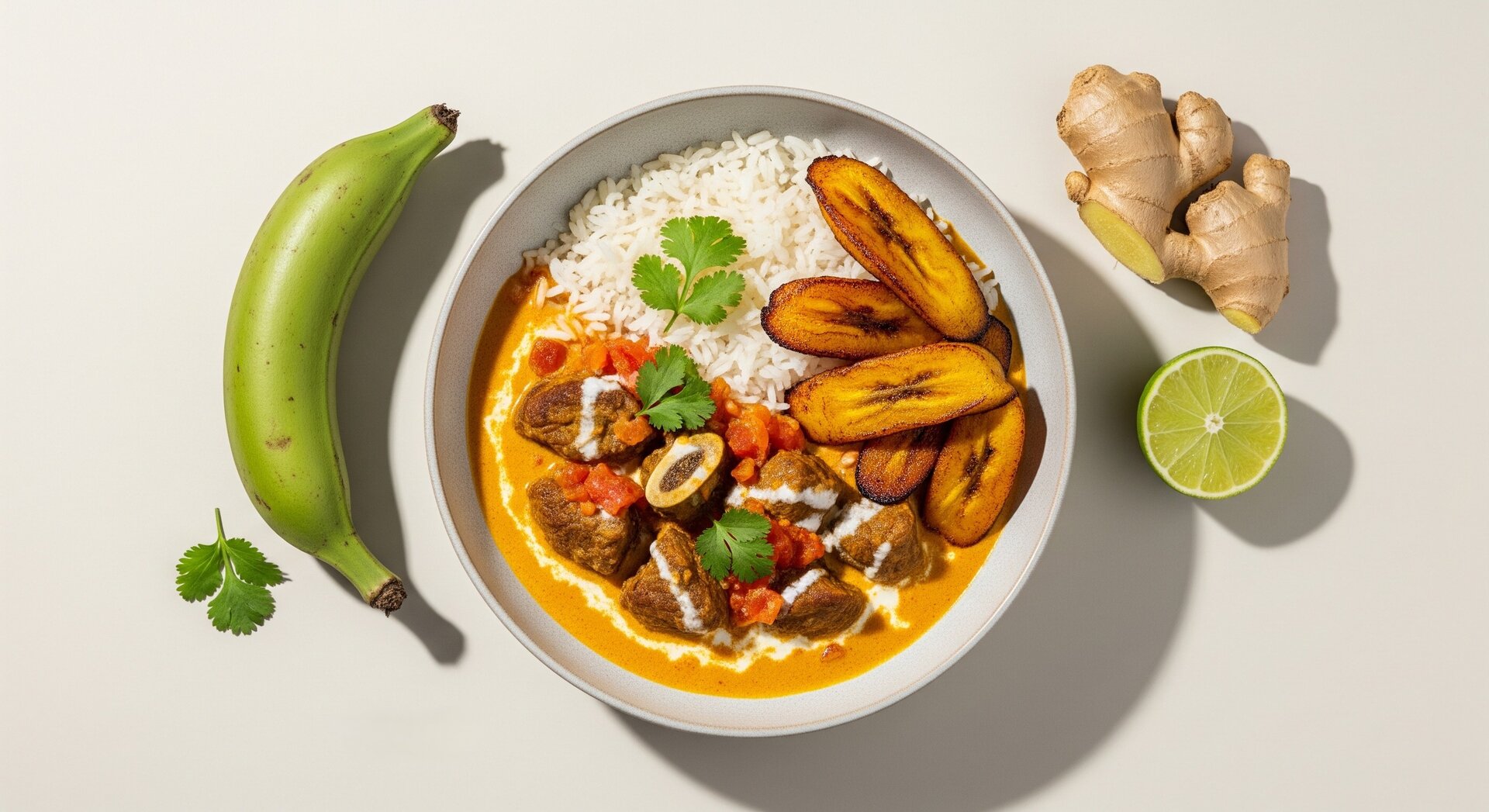 Caribbean Lamb Curry with Rice and Plantain 75 min Spicy curry with coconut milk and sweet plantain 934 kcal 48g protein 1 synergies
 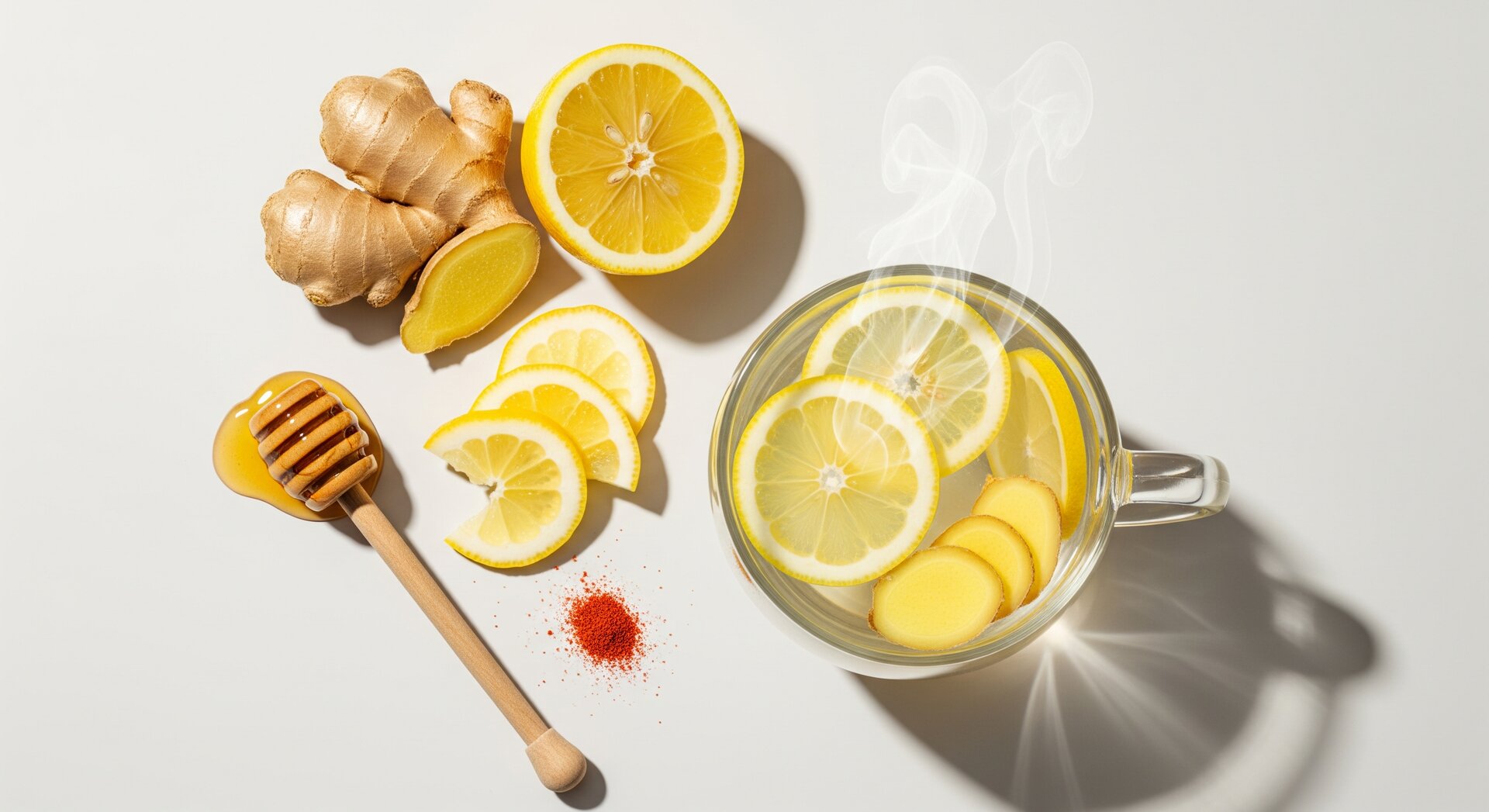 Ginger-Lemon Water 10 min Warm water with fresh ginger and lemon 15 kcal 0g protein 1 synergies
  Ginger-Turmeric Tonic 20 min Spicy warming tonic with fresh ginger and turmeric 45 kcal 0g protein 2 synergies
 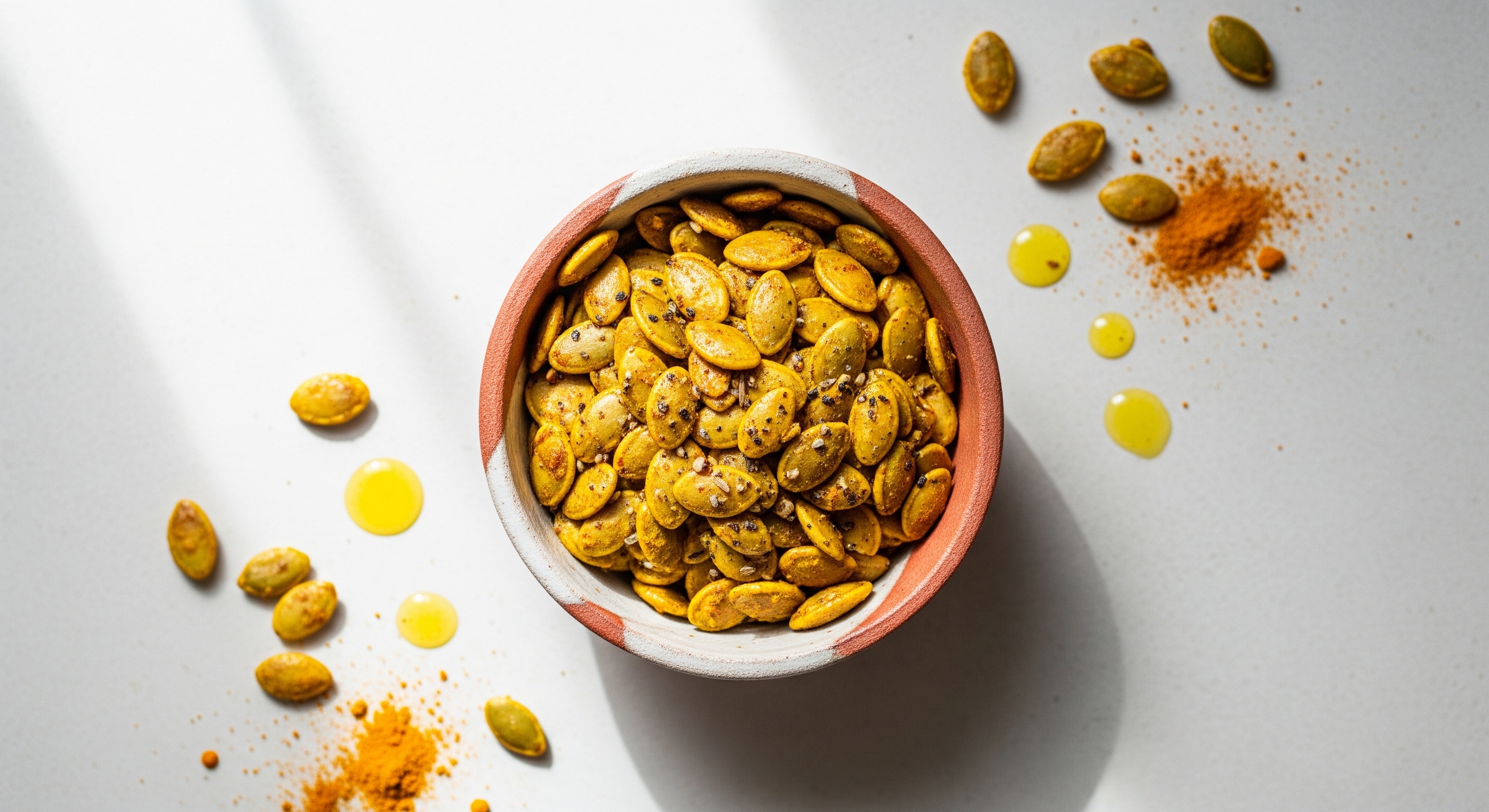 Roasted Pumpkin Seeds with Turmeric 25 min Crispy oven-roasted seeds with turmeric, cumin and a pinch of cayenne 210 kcal 9g protein 2 synergies
 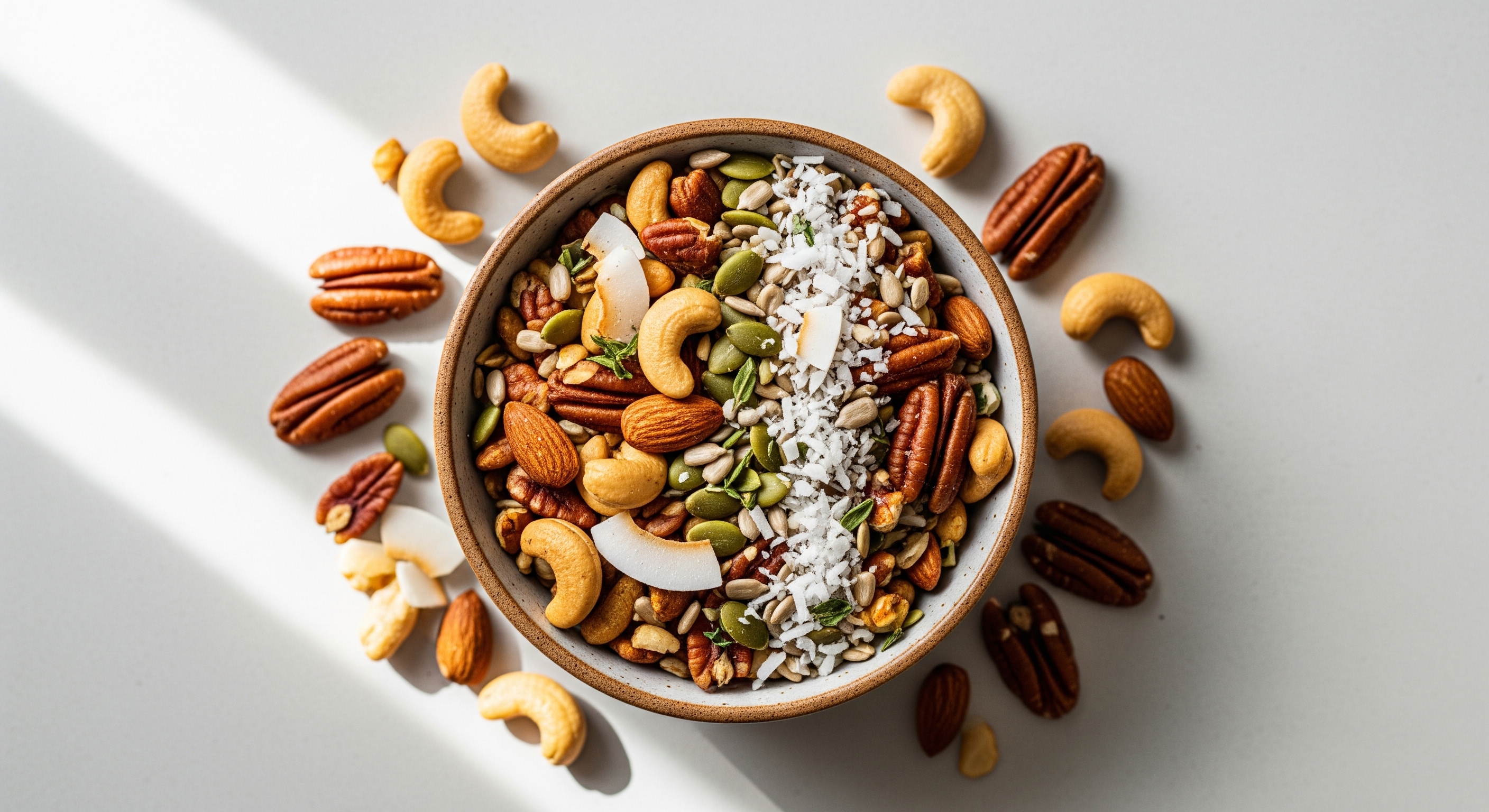 Savory Spiced Nut Mix with Herbs & Coconut 25 min Roasted nuts and seeds with spices, coconut flakes and a hint of cayenne 478 kcal 14g protein 1 synergies
  In the Kitchen
Storage
Location:Pantry
Shelf life:1-2 jaar
Loses aroma and color over time. Store airtight, dark and dry; replace the powder when the color becomes dull or the aroma is flat.
Preparation
Add early for round, deeper heat, or right at the end for a sharper kick. Mix it first with oil, butter or sauce so the heat spreads evenly through the dish.
Substitutes
Smart preparation
1Add cayenne pepper to fat or oil, not directly to dry ingredients.
Why?
Capsaicin dissolves well in fat and distributes more evenly through the dish.
2Use sparingly: a pinch of cayenne is enough for most dishes.
3Add cayenne during cooking for deeper heat, or at the end for a more direct kick.
Caution / Warnings
Cayenne Pepper is very safe, but there are scientific considerations:
Irritable bowel syndrome (IBS) Severe
Advice:
May cause intestinal cramps in sensitive people; start with a very small amount or avoid it if you do not tolerate spicy food well.
Traditional use
Indigenous
Indigenous use in Central and South America
Cayenne pepper and related Capsicum peppers have been grown, dried and used for thousands of years by indigenous peoples of Central and South America in sauces, spiced drinks, stews and blends with maize, beans and cacao.
Ayurveda
Warming spice in Ayurveda
In Ayurvedic culinary traditions, cayenne pepper is described as a warming spice. In small amounts, it gives dishes sharpness, color and a distinctly warm character.
Summary
Cayenne pepper is a quick way to add direct heat to a dish. Use sparingly: the sharpness builds as you eat. A pinch is often enough for soups, sauces, marinades and spiced oils.