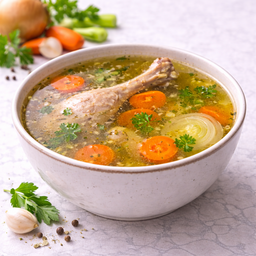
Chicken Stock
Glycine-rich collagen broth
What is this ingredient?
Chicken stock is a classic kitchen base made by slowly simmering chicken bones, carcass, feet or wings with water, vegetables and herbs. The long cooking time releases gelatin, collagen fragments and amino acids such as glycine, giving the stock rounded body, savory depth and a slightly jelly-like texture once cooled.
## Research context
Chicken stock and chicken soup appear regularly in nutrition research, especially as part of traditional meal patterns. Rennard et al. (2000) examined chicken soup in a laboratory model related to neutrophil movement. Glycine, an amino acid commonly found in collagen-rich preparations, has also been studied as an isolated compound in research on sleep restriction and daytime performance.
## Collagen and gelatin in the kitchen
A well-made homemade stock can set lightly when chilled. That is a culinary sign that gelatin has been extracted from bones and connective tissue. Stock made from bones, wings or chicken feet usually has more body than stock cubes or thin ready-made broths.
## Practical use
Use chicken stock as a base for soup, risotto, noodles, stews and sauces. With salted or ready-made versions, keep an eye on sodium; homemade stock gives the most control over salt, herbs and concentration.
How does it taste?
Soft umami with a warm, meaty-golden flavor, slight richness and a rounded, salty finish.
Pairs well with:
Pairs well with noodlesricecarrotceleryonionfresh herbsrisotto and gentle legumes.
Did you know...?
- Chicken soup was already mentioned in medieval culinary and household texts, including around the time of Moses Maimonides in the 12th century.
- The jelly-like texture of well-made chicken stock comes from gelatin released from bones and connective tissue.
Nutritional Value & Energy
Per 100ml
Chicken Stock is low in calories thanks to natural nutrients .
Per 100g
Minerals
Vitamins
Omega-3 fatty acids
More nutrients
B-Vitamins
Trace Minerals
EU-approved nutrition claims
There are currently no EFSA-authorized health claims specific to Chicken Stock.
What's being researched?
Chicken soup in nutrition research
Chicken soup is studied as a traditional food and as a complex preparation of stock, vegetables and chicken. The Rennard et al. study looked in vitro at neutrophil movement; this kind of research describes laboratory observations and is not an ingredient-specific health claim.
Supported by: [1] Rennard BO (2000)
Good Combinations (Synergy)
Combine chicken stock smartly to enhance the effect:
Chicken Stock  Ginger
 Classic recovery soup with enhanced bioactive action
Technical: Homemade chicken broth contains glycine (bioactive amino acid) and collagen peptides that support the gut wall. Ginger contains gingerol and shogaol that modulate COX-2 and NF-kB signaling pathways, plus promote gastric motility. Together they provide gut support + bioactive modulation.
What does this mean for you? Chicken broth with ginger is the classic recovery soup. The glycine supports your gut, the gingerols from ginger provide bioactive support — all in a comforting soup.
Chicken Stock 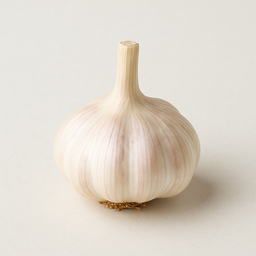 Garlic
 Traditional recovery soup with immune support
Technical: Chicken broth's glycine and cysteine support glutathione production (master antioxidant). Garlic's allicin has bioactive action. Together they provide amino acids and bioactive sulfur compounds.
What does this mean for you? Make chicken broth with extra garlic for a comforting, nourishing soup. Glycine + allicin provide bioactive compounds.
Chicken Stock 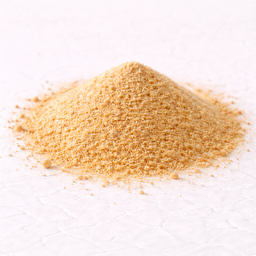 Garlic Powder
 Traditional recovery soup with immune support
Technical: Chicken broth's glycine and cysteine support glutathione production (master antioxidant). Garlic's allicin has bioactive action. Together they provide amino acids and bioactive sulfur compounds.
What does this mean for you? Make chicken broth with extra garlic for a comforting, nourishing soup. Glycine + allicin provide bioactive compounds.
Chicken Stock  Turmeric
 Collagen + curcumin for joints and bioactive support
Technical: Chicken broth contains type II collagen and glycine that support joint cartilage. Turmeric's curcumin modulates NF-kB signaling pathways. The fat in broth increases curcumin absorption.
What does this mean for you? Add turmeric to your chicken broth. The collagen supports your joints, the curcumin provides bioactive support — and the fat in the broth helps curcumin absorption.
Recipes with Chicken Stock
Discover delicious recipes featuring chicken stock:
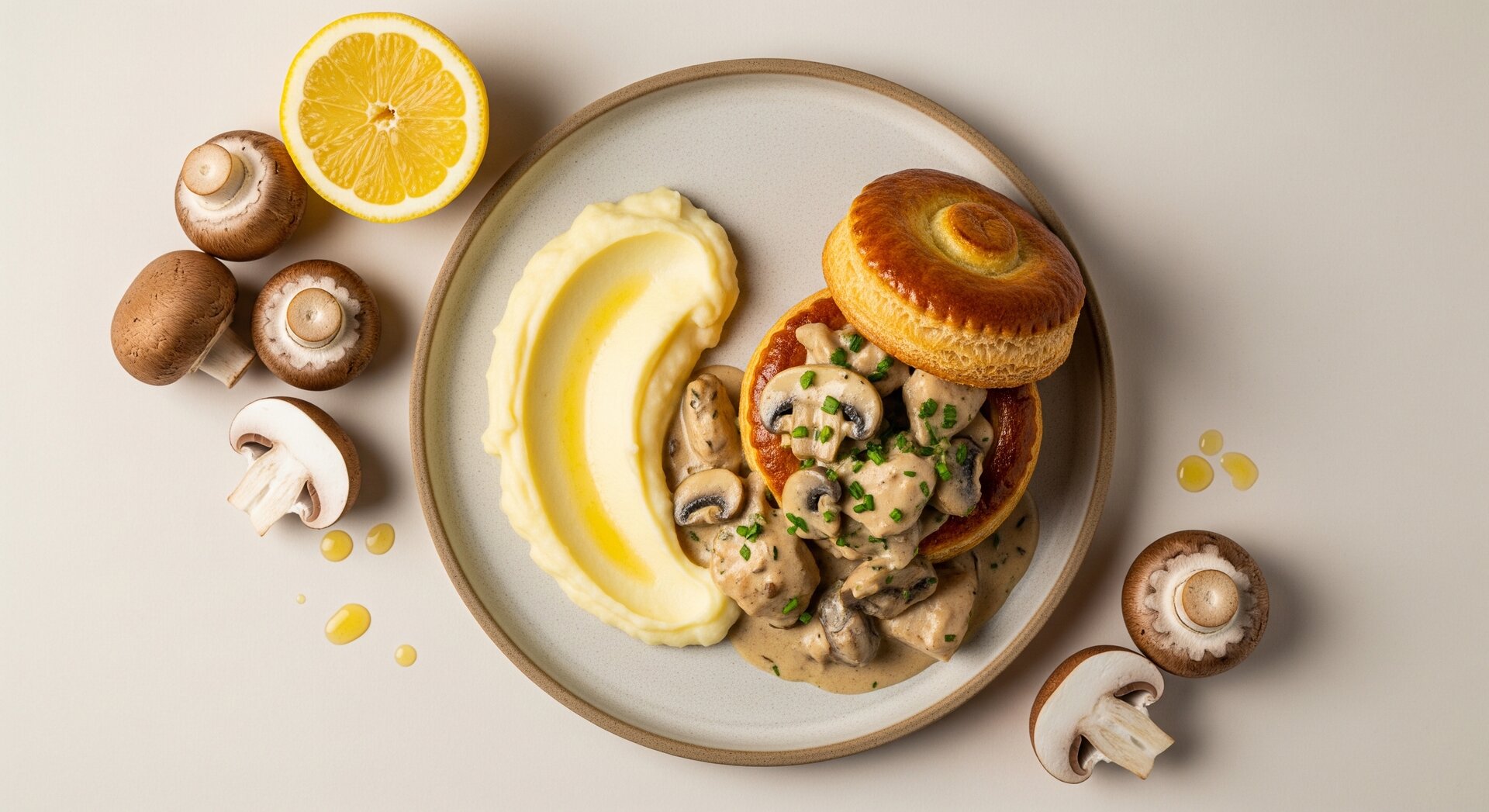 Belgian Vol-au-Vent with Mashed Potatoes 70 min Creamy chicken ragout with mushrooms, leek and soft mash
  735 kcal
  43g protein 2 synergies
  Royal Couscous with Chicken and Merguez 70 min Festive North African classic 580 kcal 38g protein 3 synergies
 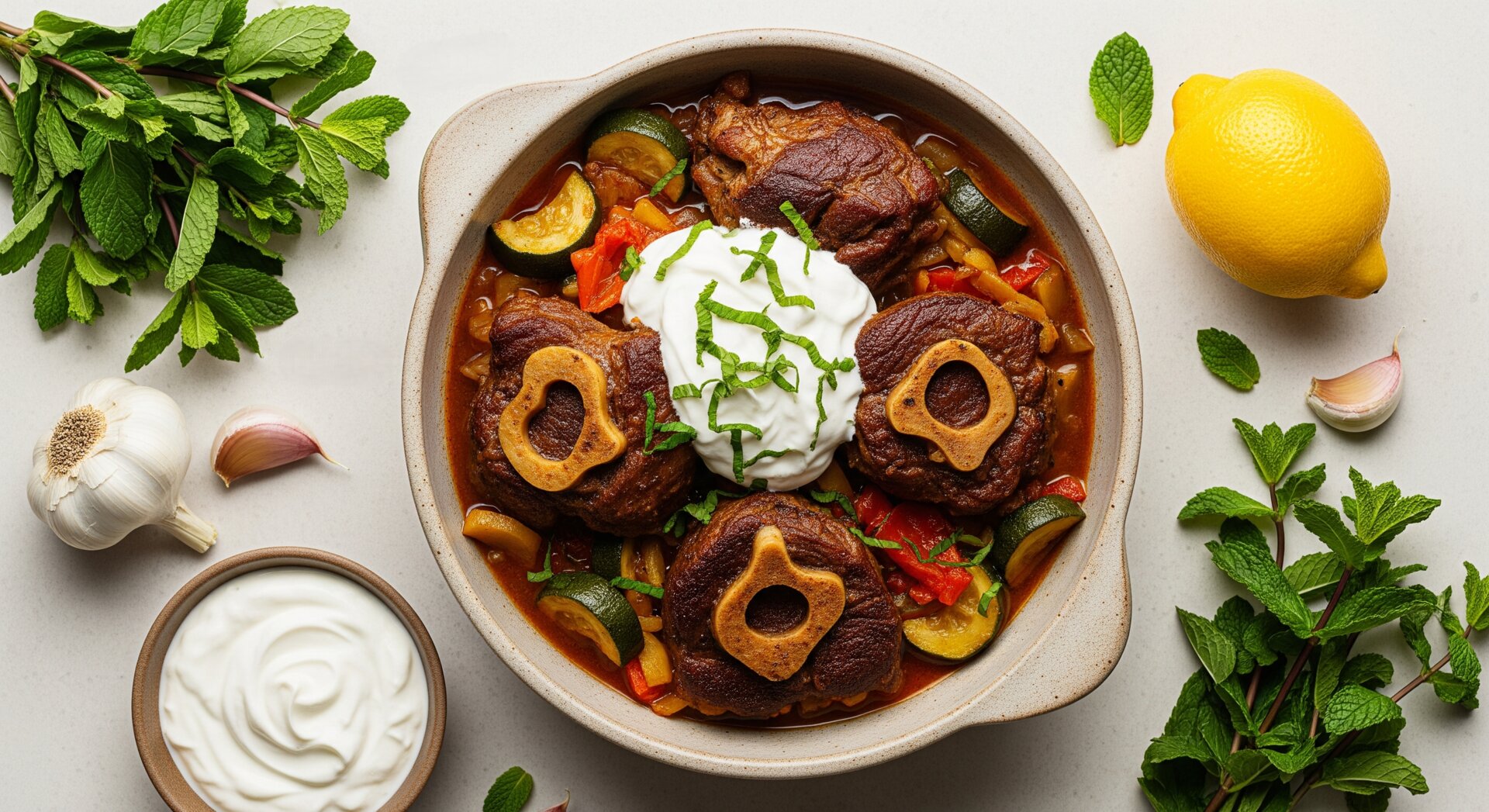 Greek Lamb Dish with Yogurt and Mint 160 min Slow-braised Greek classic with refreshing yogurt-mint sauce 480 kcal 42g protein 1 synergies
 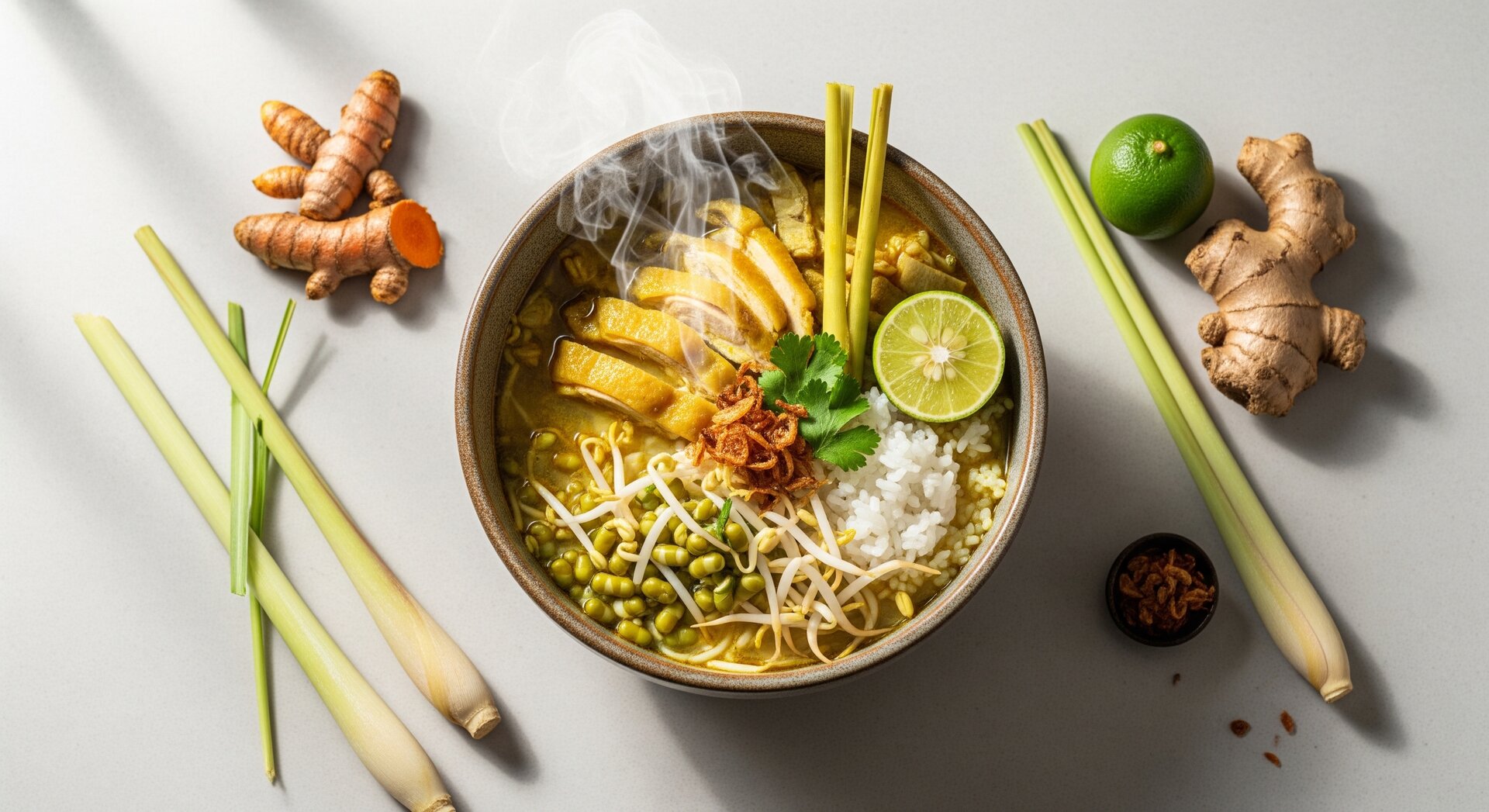 Indonesian Soto Ayam with Turmeric and Lemongrass 45 min Golden Indonesian chicken soup with lemongrass, ginger and bean sprouts 520 kcal 36g protein 2 synergies
 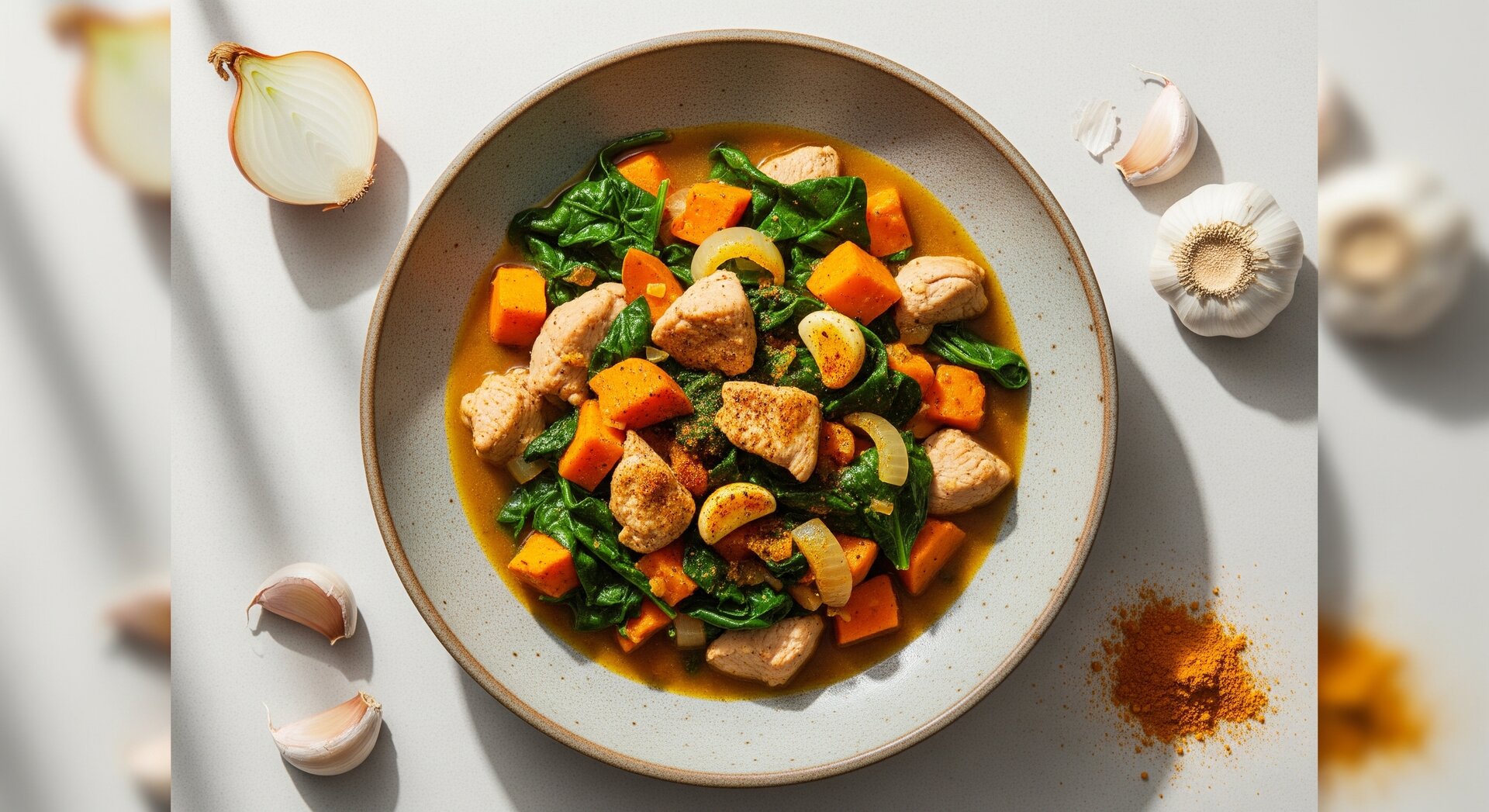 Turkey Stew with Sweet Potato and Spinach 50 min Warming stew with soft spiced depth 310 kcal 32g protein 2 synergies
  Chicken with Cherries and Hazelnuts 45 min Sweet-savory chicken with cherry sauce and toasted hazelnuts 420 kcal 42g protein 2 synergies
  In the Kitchen
Storage
Location:Refrigerator
Shelf life:4-5 dagen vers, 6 maanden ingevroren
Preparation
Simmer gently for at least 4-6 hours with chicken bones, feet and wings. A splash of vinegar helps draw minerals and gelatin from bones and connective tissue, while gentle heat keeps the stock clear.
Conversions
Substitutes
Smart preparation
1Let chicken stock cool and skim off the solidified fat.
Why?
Cold fat rises to the surface and is easy to remove, making the stock taste clearer and lighter.
2Use bones, carcasses, wings or feet for the fullest stock.
3Do not boil stock hard; gentle simmering gives a clearer result.
Why?
Hard boiling emulsifies the fat and makes the stock cloudy.
Caution / Warnings
Chicken Stock is very safe, but there are scientific considerations:
High blood pressure Moderate
Many ready-made chicken stocks and stock cubes contain a lot of sodium, especially when concentrated or extra salted.
Advice:
Choose low-sodium stock, dilute with extra water or make it yourself with little added salt. Keep portions moderate when you need to watch salt.
Kidney disease Moderate
Salted stock can contain a lot of sodium, and homemade bone stock can vary in mineral content from batch to batch.
Advice:
Consult a doctor or dietitian about suitable portions. Homemade stock gives more control over salt, concentration and ingredients.
Summary
Homemade chicken stock is a savory, protein-rich base with gelatin, collagen fragments and glycine from bones and connective tissue. If it sets lightly when chilled, that points to a full extraction. Use it for soup, risotto, noodles and sauces, and watch sodium in salted versions.