- Easy
- 45 min
- 2 serv.
- 7 synergies
- Now at its best: Hazelnuts
Juicy chicken breast with a warm cherry sauce made with balsamic vinegar, honey, red onion and thyme. Toasted hazelnuts add crunch and make the dish feel festive without becoming heavy.
This dish sits right between weeknight cooking and something festive. The chicken is gently browned, then the red onion softens in the same pan and picks up all the savoury pan flavour. The cherries go in next: tart, deep red and glossy with balsamic vinegar and honey. The sauce reduces briefly until it is just thick enough to spoon over the chicken, while thyme adds a warm, herbal note. Toasted hazelnuts bring a dry crunch against the soft sauce. The result is elegant without being complicated: savoury, fruity and warm, with enough contrast to keep every bite interesting.
- 15
- min prep
- 30
- min cook
- 45
- min total
Nutritional Synergies
This recipe combines ingredients that enhance each other:
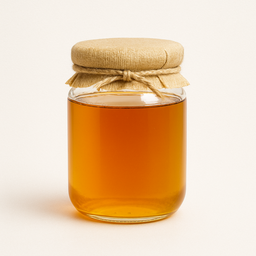 Honey
Honey 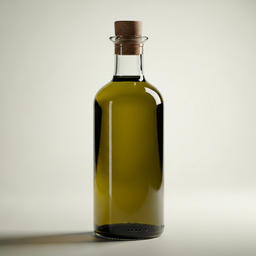 Olive oil
 Dual bioactive action via chrysin + oleocanthal
Technical: Honey contains chrysin and olive oil oleocanthal — bioactive phenolic compounds studied in research in connection with NF-κB and COX signaling. Together they provide plant compounds through two independent routes.
What does this mean for you? A dressing of honey and olive oil is not just tasty — the chrysin and oleocanthal work through two different routes in your body.
Anti-inflammatoryHeartJoints
Olive oil 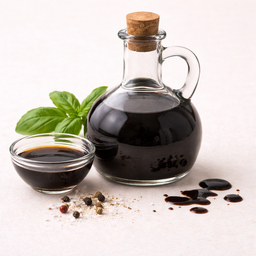 Balsamic vinegar
 Italian vinaigrette: polyphenols + acetic acid influence glycemic response
Technical: Olive oil contains oleocanthal and hydroxytyrosol (polyphenols with antioxidant action). Balsamic contains polyphenols from grapes plus acetic acid that can influence glycemic response to meals through delayed gastric emptying. Together they offer antioxidant protection via complementary phenol compounds.
What does this mean for you? Use the classic 3:1 olive oil:balsamic ratio as salad dressing. This is not only delicious but also combines two sources of polyphenols with acetic acid that influences the glucose response after the meal.
Blood SugarHeartAnti-inflammatory
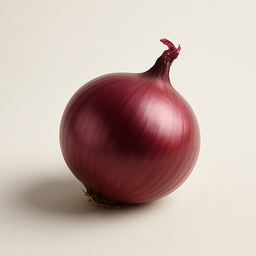 Red onion Olive oil
 Fat increases bioavailability of quercetin from red onion
Technical: Red onion contains 32-65mg quercetin per 100g — the richest food source. Quercetin is poorly water-soluble (2μg/mL) but dissolves well in fats. Olive oil increases quercetin oral bioavailability by 50-70% through lipid-based lymphatic transport instead of the portal vein.
What does this mean for you? Sauté red onion in olive oil (soffritto) for maximum quercetin absorption. Oil dissolves quercetin and improves transport to your bloodstream. Caramelizing also enhances flavor.
Anti-inflammatoryHeart
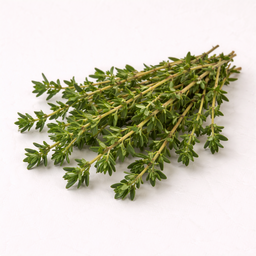 Fresh thyme Honey
 Traditional thyme-honey drink with thymol
Technical: Thyme contains thymol (20-54%) — a powerful antiseptic that disrupts cell walls of microorganisms and breaks down biofilms. Honey adds hydrogen peroxide production (via glucose oxidase) and coats throat mucosa as physical protective layer. Together: broad-spectrum bioactive action + a smooth, protective layer.
What does this mean for you? Make thyme-honey syrup as a warm drink. Steep fresh thyme in honey for a natural, herbal drink — used since antiquity.
Immune SystemGeneral Wellness
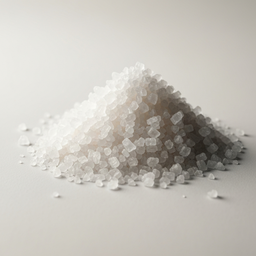 Sea salt Olive oil
 Minerals + polyphenols for cellular balance
Technical: Sea salt's sodium is essential for the sodium-potassium pump (Na+/K+-ATPase) that regulates every body cell. Olive oil's oleuropein and hydroxytyrosol provide antioxidant protection for cell membranes. The combination supports cell integrity: sea salt regulates ion balance, olive oil protects the membrane. In Mediterranean cuisine, coarse sea salt + olive oil is the most basic flavor profile.
What does this mean for you? Freshly ground sea salt with extra virgin olive oil is the simplest and most nutritious finishing of any dish. The combination provides the basic needs of your cells: minerals for function, polyphenols for protection.
HeartGeneral Wellness
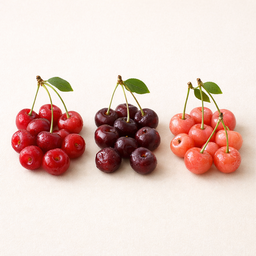 Tart cherries Honey
 Anthocyanins + glucose for bioactive support and sleep
Technical: Tart cherries contain 350-400mg anthocyanins per 100g (cyanidin-3-glucosylrutinoside) that interact with COX-1 and COX-2 enzymes. Honey provides glucose (35g/100g) for tryptophan transport across blood-brain barrier plus prebiotic oligosaccharides. Anthocyanins increase melatonin production by 40% through AANAT upregulation. Glucose from honey contributes to glycemic stability throughout the night.
What does this mean for you? Tart cherry compote with honey as evening dessert. The anthocyanins support muscle recovery after training, the honey contributes to nighttime rest. Cook 150g cherries with 2 tablespoons honey.
SleepAnti-inflammatoryMuscle Gain
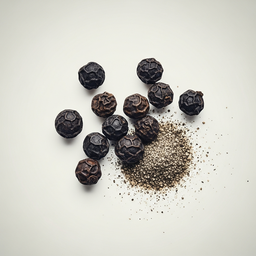 Black pepper Olive oil
 Fat increases piperine absorption and enhances polyphenols
Technical: Piperine is fat-soluble and absorbed 2-3x better with dietary fat. Olive oil's oleocanthal and piperine both modulate COX signal transduction through different mechanisms, providing additive bioactive effect.
What does this mean for you? Grind fresh pepper over salads with olive oil dressing. The combination enhances both pepper absorption and bioactive action.
Anti-inflammatoryHeartDigestion
Ingredients (11)
-
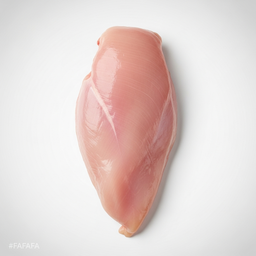 Chicken breast — 400 g free-range, at room temperature
 - Tart cherries — 200 g fresh or frozen, pitted
-
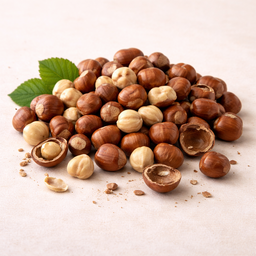 Hazelnuts — 40 g toasted, roughly chopped
Instructions
- 1 Bring the chicken breasts to room temperature, pat them dry and season with sea salt and black pepper.
- 2 Heat the olive oil in a large skillet over medium heat. Cook the chicken for 6-7 minutes per side until golden and cooked through.
Nutrition per serving
Indicative values per serving.
Timing & Suitability
Shelf life: 3 days in fridge
Tags & Diet
Allergens: Nuts