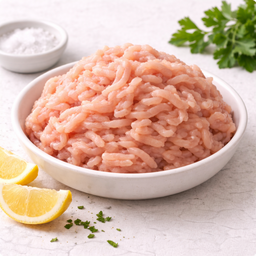
Minced Chicken
Versatile lean mince
What is this ingredient?
Minced chicken is one of the leanest protein sources in the meat section, with only 3.5g fat per 100g. It combines the benefits of chicken with the versatility of mince.
## Leucine for Muscle Synthesis
Chicken meat is rich in leucine, the amino acid that activates muscle protein synthesis. Phillips & Van Loon (2011) emphasize that leucine is the 'trigger' for muscle building, and chicken provides ~2.5g per 100g.
## Satiety & Weight Management
Paddon-Jones et al. (2008) showed that protein-rich meals increase satiety and help with weight management. Lean minced chicken is ideal as it provides lots of protein with few calories.
## Food Safety
Minced chicken has a greater surface area increasing bacterial growth risk. Always cook thoroughly to minimum 74°C internal temperature.
How does it taste?
Light, mild and juicy with a neutral base for seasonings.
Pairs well with:
Pairs well with scalliongingersesame oilcilantro and chili.
Did you know...?
- The ancestor of all domestic chickens is the red junglefowl from Southeast Asia.
- Chickens can make more than 30 different sounds to communicate with each other.
Nutritional Value & Energy
Per 100g
Minced Chicken provides energy thanks to natural nutrients .
Per 100g
Minerals
Vitamins
Omega-3 fatty acids
More nutrients
B-Vitamins
Trace Minerals
What's in a serving?
1 serving
Minced Chicken naturally contains zinc (1.8 mg per 100 g).
Minced Chicken naturally contains potassium (320 mg per 100 g).
Minced Chicken naturally contains phosphorus (200 mg per 100 g).
Minced Chicken naturally contains selenium (27 mcg per 100 g).
Minced Chicken naturally contains vitamin b12 (0.4 mcg per 100 g).
Minced Chicken naturally contains vitamin b6 (0.8 mg per 100 g).
% of daily reference intake (DRI)
EU-approved nutrition claims
This ingredient contains nutrients for which EFSA-authorized health claims exist (at nutrient level, not ingredient-specific).
Approved health claims (EU)
Vitamin_b12 EU 432/2012
Vitamin B12 contributes to the normal function of the immune system
Contains 0.4mcg/100g (threshold: ≥0.375mcg/100g)
Vitamin_b12 EU 432/2012
Vitamin B12 contributes to the reduction of tiredness and fatigue
Contains 0.4mcg/100g (threshold: ≥0.375mcg/100g)
Vitamin_b12 EU 432/2012
Vitamin B12 contributes to the normal functioning of the nervous system
Contains 0.4mcg/100g (threshold: ≥0.375mcg/100g)
Zinc EU 432/2012
Zinc contributes to the normal function of the immune system
Contains 1.8mg/100g (threshold: ≥1.5mg/100g)
Zinc EU 432/2012
Zinc contributes to the maintenance of normal skin
Contains 1.8mg/100g (threshold: ≥1.5mg/100g)
Potassium EU 432/2012
Potassium contributes to the maintenance of normal blood pressure
Contains 320mg/100g (threshold: ≥300mg/100g)
Vitamin_b6 EU 432/2012
Vitamin B6 contributes to normal cysteine synthesis
Contains 0.8mg/100g (threshold: ≥0.21mg/100g)
Vitamin_b6 EU 432/2012
Vitamin B6 contributes to normal energy-yielding metabolism
Contains 0.8mg/100g (threshold: ≥0.21mg/100g)
Vitamin_b6 EU 432/2012
Vitamin B6 contributes to normal functioning of the nervous system
Contains 0.8mg/100g (threshold: ≥0.21mg/100g)
Vitamin_b6 EU 432/2012
Vitamin B6 contributes to normal homocysteine metabolism
Contains 0.8mg/100g (threshold: ≥0.21mg/100g)
Vitamin_b6 EU 432/2012
Vitamin B6 contributes to normal protein and glycogen metabolism
Contains 0.8mg/100g (threshold: ≥0.21mg/100g)
Vitamin_b6 EU 432/2012
Vitamin B6 contributes to normal psychological function
Contains 0.8mg/100g (threshold: ≥0.21mg/100g)
Vitamin_b6 EU 432/2012
Vitamin B6 contributes to normal red blood cell formation
Contains 0.8mg/100g (threshold: ≥0.21mg/100g)
Vitamin_b6 EU 432/2012
Vitamin B6 contributes to the normal function of the immune system
Contains 0.8mg/100g (threshold: ≥0.21mg/100g)
Vitamin_b6 EU 432/2012
Vitamin B6 contributes to the regulation of hormonal activity
Contains 0.8mg/100g (threshold: ≥0.21mg/100g)
Vitamin_b6 EU 432/2012
Vitamin B6 contributes to the reduction of tiredness and fatigue
Contains 0.8mg/100g (threshold: ≥0.21mg/100g)
Vitamin_b12 EU 432/2012
Vitamin B12 contributes to normal energy-yielding metabolism
Contains 0.4mcg/100g (threshold: ≥0.375mcg/100g)
Vitamin_b12 EU 432/2012
Vitamin B12 contributes to normal homocysteine metabolism
Contains 0.4mcg/100g (threshold: ≥0.375mcg/100g)
Vitamin_b12 EU 432/2012
Vitamin B12 contributes to normal psychological function
Contains 0.4mcg/100g (threshold: ≥0.375mcg/100g)
Vitamin_b12 EU 432/2012
Vitamin B12 contributes to normal red blood cell formation
Contains 0.4mcg/100g (threshold: ≥0.375mcg/100g)
Vitamin_b12 EU 432/2012
Vitamin B12 has a role in the process of cell division
Contains 0.4mcg/100g (threshold: ≥0.375mcg/100g)
Phosphorus EU 432/2012
Phosphorus contributes to normal energy-yielding metabolism
Contains 200mg/100g (threshold: ≥105mg/100g)
Phosphorus EU 432/2012
Phosphorus contributes to the normal function of cell membranes
Contains 200mg/100g (threshold: ≥105mg/100g)
Phosphorus EU 432/2012
Phosphorus contributes to the maintenance of normal bones
Contains 200mg/100g (threshold: ≥105mg/100g)
Phosphorus EU 432/2012
Phosphorus contributes to the maintenance of normal teeth
Contains 200mg/100g (threshold: ≥105mg/100g)
Zinc EU 432/2012
Zinc contributes to normal acid-base metabolism
Contains 1.8mg/100g (threshold: ≥1.5mg/100g)
Zinc EU 432/2012
Zinc contributes to normal carbohydrate metabolism
Contains 1.8mg/100g (threshold: ≥1.5mg/100g)
Zinc EU 432/2012
Zinc contributes to normal cognitive function
Contains 1.8mg/100g (threshold: ≥1.5mg/100g)
Zinc EU 432/2012
Zinc contributes to normal DNA synthesis
Contains 1.8mg/100g (threshold: ≥1.5mg/100g)
Zinc EU 432/2012
Zinc contributes to normal fertility and reproduction
Contains 1.8mg/100g (threshold: ≥1.5mg/100g)
Zinc EU 432/2012
Zinc contributes to normal macronutrient metabolism
Contains 1.8mg/100g (threshold: ≥1.5mg/100g)
Zinc EU 432/2012
Zinc contributes to normal metabolism of fatty acids
Contains 1.8mg/100g (threshold: ≥1.5mg/100g)
Zinc EU 432/2012
Zinc contributes to normal metabolism of vitamin A
Contains 1.8mg/100g (threshold: ≥1.5mg/100g)
Zinc EU 432/2012
Zinc contributes to normal protein synthesis
Contains 1.8mg/100g (threshold: ≥1.5mg/100g)
Zinc EU 432/2012
Zinc contributes to the maintenance of normal bones
Contains 1.8mg/100g (threshold: ≥1.5mg/100g)
Zinc EU 432/2012
Zinc contributes to the maintenance of normal hair
Contains 1.8mg/100g (threshold: ≥1.5mg/100g)
Zinc EU 432/2012
Zinc contributes to the maintenance of normal nails
Contains 1.8mg/100g (threshold: ≥1.5mg/100g)
Zinc EU 432/2012
Zinc contributes to the maintenance of normal testosterone levels in the blood
Contains 1.8mg/100g (threshold: ≥1.5mg/100g)
Zinc EU 432/2012
Zinc contributes to the maintenance of normal vision
Contains 1.8mg/100g (threshold: ≥1.5mg/100g)
Zinc EU 432/2012
Zinc contributes to the protection of cells from oxidative stress
Contains 1.8mg/100g (threshold: ≥1.5mg/100g)
Zinc EU 432/2012
Zinc has a role in the process of cell division
Contains 1.8mg/100g (threshold: ≥1.5mg/100g)
Selenium EU 432/2012
Selenium contributes to the maintenance of normal hair
Contains 27mcg/100g (threshold: ≥8.25mcg/100g)
Selenium EU 432/2012
Selenium contributes to the maintenance of normal nails
Contains 27mcg/100g (threshold: ≥8.25mcg/100g)
Selenium EU 432/2012
Selenium contributes to the normal function of the immune system
Contains 27mcg/100g (threshold: ≥8.25mcg/100g)
Selenium EU 432/2012
Selenium contributes to normal thyroid function
Contains 27mcg/100g (threshold: ≥8.25mcg/100g)
Selenium EU 432/2012
Selenium contributes to normal spermatogenesis
Contains 27mcg/100g (threshold: ≥8.25mcg/100g)
Selenium EU 432/2012
Selenium contributes to the protection of cells from oxidative stress
Contains 27mcg/100g (threshold: ≥8.25mcg/100g)
Potassium EU 432/2012
Potassium contributes to normal functioning of the nervous system
Contains 320mg/100g (threshold: ≥300mg/100g)
Potassium EU 432/2012
Potassium contributes to normal muscle function
Contains 320mg/100g (threshold: ≥300mg/100g)
What's being researched?
Poultry mince and protein quality
The protein quality and digestibility of chicken mince are studied as part of white meat research. DIAAS scores show high protein quality comparable to other poultry products.
Supported by: [3] Leidy HJ (2015) , [2] Paddon-Jones D (2008)
Good Combinations (Synergy)
Combine minced chicken smartly to enhance the effect:
Minced Chicken 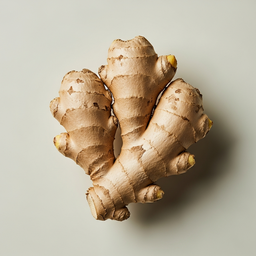 Ginger
 Protein + zingibain for improved protein digestion and anti-nausea
Technical: Chicken mince contains 17g protein per 100g with all essential amino acids. Ginger contains zingibain (10-15mg/g fresh root) — a protease that cleaves actin and myosin, improving protein digestion by 25-30%. 6-Gingerol and 6-shogaol are bioactive compounds studied in research in connection with gastric emptying. This reduces nausea and bloating after protein-rich meals.
What does this mean for you? Add fresh grated ginger to chicken meatballs or stir-fry. The ginger speeds up your protein digestion and prevents the heavy feeling after eating. Especially helpful with sensitive stomach.
Minced Chicken 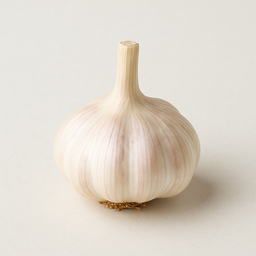 Garlic
 Quercetin protects proteins against glycation
Technical: When heating ground meat (especially >150°C), Advanced Glycation End-products (AGEs) form through Maillard reaction between sugars and proteins. AGEs activate the RAGE receptor, involved in NF-κB signaling. Quercetin from onion (20-40mg per 100g) and organosulfur compounds from garlic inhibit AGE formation by 30-50% by blocking the Maillard reaction.
What does this mean for you? Always mix onion and garlic into your ground chicken before cooking — in meatballs, burgers or stir-fries. The aromatics not only enhance flavor but also reduce harmful compounds formed during cooking.
Minced Chicken 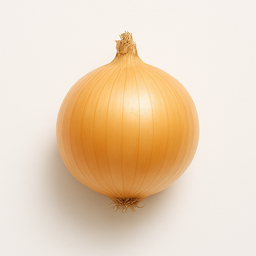 Onion
Onion Quercetin protects proteins against glycation
Technical: When heating ground meat (especially >150°C), Advanced Glycation End-products (AGEs) form through Maillard reaction between sugars and proteins. AGEs activate the RAGE receptor, involved in NF-κB signaling. Quercetin from onion (20-40mg per 100g) and organosulfur compounds from garlic inhibit AGE formation by 30-50% by blocking the Maillard reaction.
What does this mean for you? Always mix onion and garlic into your ground chicken before cooking — in meatballs, burgers or stir-fries. The aromatics not only enhance flavor but also reduce harmful compounds formed during cooking.
Minced Chicken  Turmeric
 Chicken fat increases curcumin absorption while piperine enhances it 2000%
Technical: Chicken mince contains 8-15g fat per 100g that dissolves curcumin (fat-soluble) into micelles. Curcumin modulates NF-κB, COX-2 and LOX pathways. Piperine from black pepper (5-9%) inhibits UGT glucuronidation in liver and intestine, increasing curcumin bioavailability by 2,000% (Shoba et al., 1998). Chicken mince also provides tryptophan (250mg/100g) — precursor for serotonin, which remains active longer through curcumin's MAO modulation.
What does this mean for you? Make chicken meatballs with turmeric and black pepper — Indian kofta style. The chicken fat dissolves the curcumin, the pepper ensures 20x better absorption. Ideal for joint support or as daily bioactive supplementation.
Minced Chicken 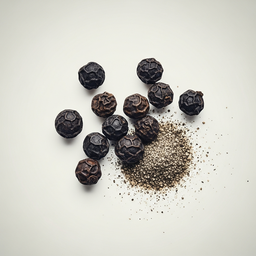 Black Pepper
 Chicken fat increases curcumin absorption while piperine enhances it 2000%
Technical: Chicken mince contains 8-15g fat per 100g that dissolves curcumin (fat-soluble) into micelles. Curcumin modulates NF-κB, COX-2 and LOX pathways. Piperine from black pepper (5-9%) inhibits UGT glucuronidation in liver and intestine, increasing curcumin bioavailability by 2,000% (Shoba et al., 1998). Chicken mince also provides tryptophan (250mg/100g) — precursor for serotonin, which remains active longer through curcumin's MAO modulation.
What does this mean for you? Make chicken meatballs with turmeric and black pepper — Indian kofta style. The chicken fat dissolves the curcumin, the pepper ensures 20x better absorption. Ideal for joint support or as daily bioactive supplementation.
Recipes with Minced Chicken
Discover delicious recipes featuring minced chicken:
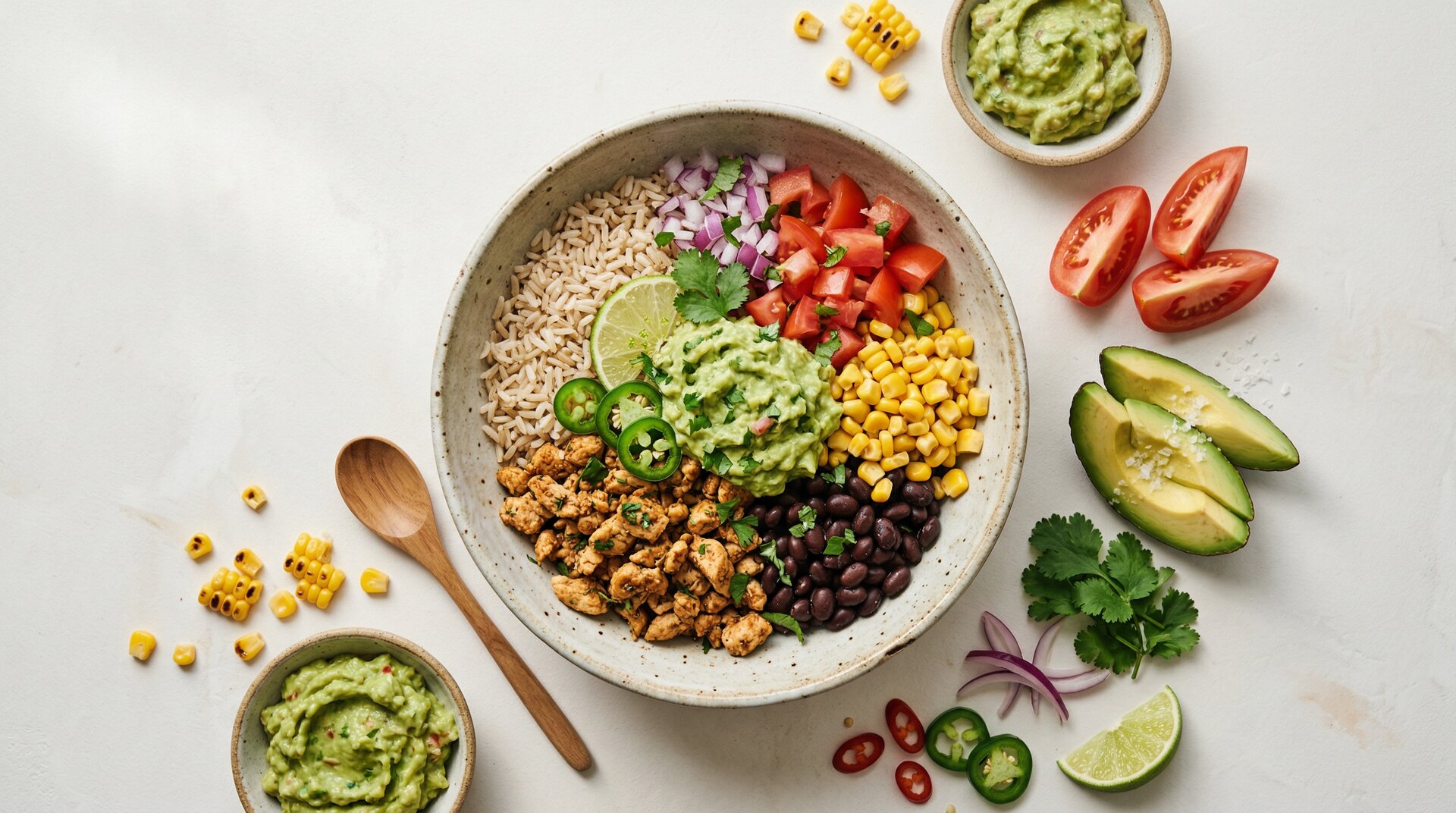 Mexican Burrito Bowl with Guacamole & Black Beans 35 min Nutritious dish with ingredients that may support muscle building and digestive health
  802 kcal
  38g protein 2 synergies
 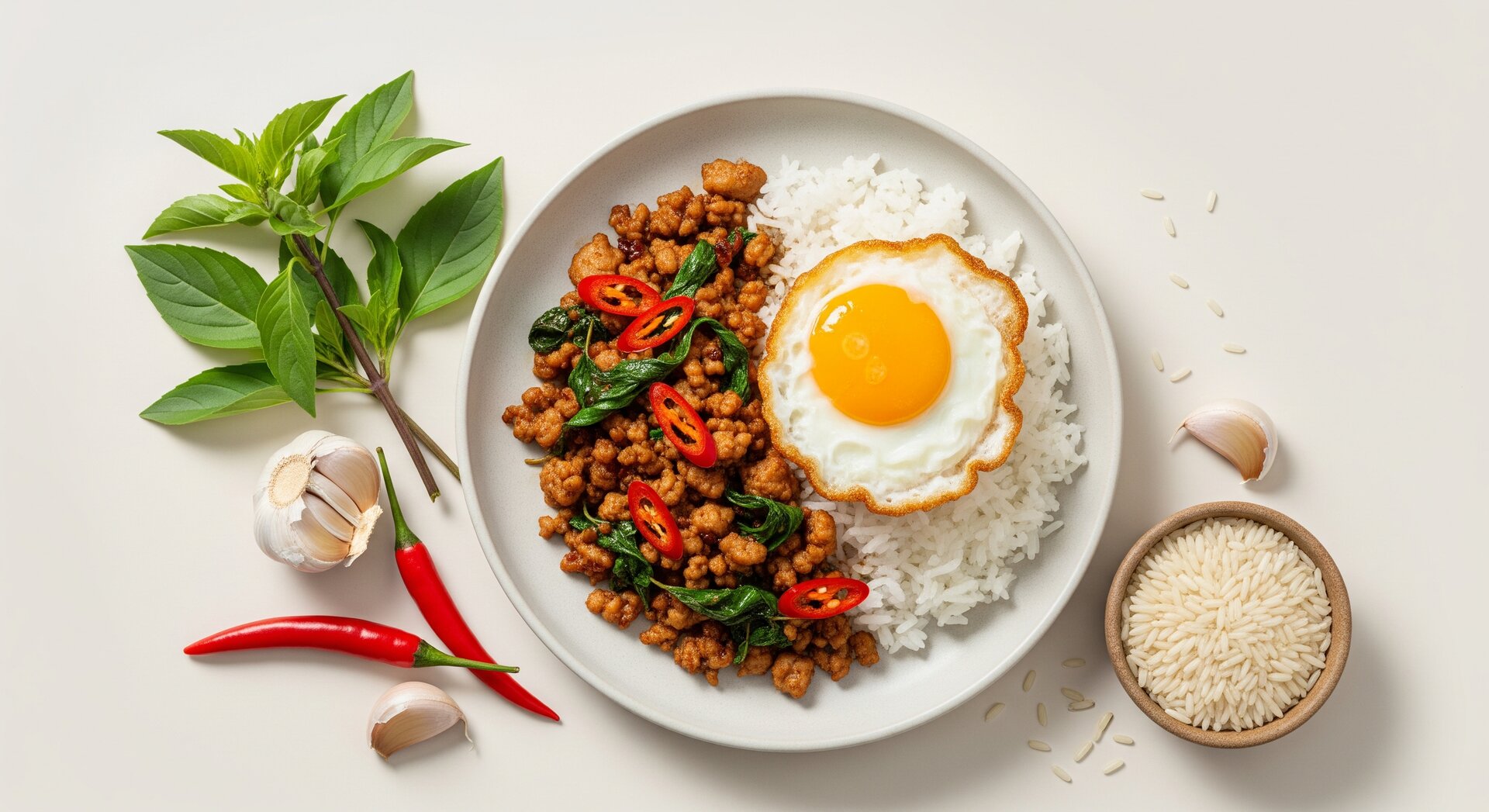 Thai Holy Basil Stir-Fry 25 min Authentic Pad Krapao with minced chicken and tulsi 520 kcal 38g protein 2 synergies
  In the Kitchen
Storage
Location:Refrigerator
Shelf life:1-2 dagen vers, 4 maanden ingevroren
Preparation
Cook until fully done (74°C internal). Break up lumps while cooking.
Conversions
Substitutes
Smart preparation
1Do not mix chicken mince too long, it makes it tough.
Why?
Excessive mixing develops too much protein structure.
2Add grated courgette or onion for extra juiciness.
Why?
Chicken mince is lean and dries out quickly without extra moisture.
3Cook chicken mince fully through — no pink should be visible.
Caution / Warnings
Minced Chicken is very safe, but there are scientific considerations:
Gout Moderate
Contains purines that may increase uric acid levels
Advice:
Limit intake with gout or elevated uric acid. Consult a doctor about protein sources.
Cardiovascular disease Mild
Contains cholesterol and saturated fat
Advice:
Choose lean cuts and limit portion size. Combine with vegetables and fiber.
Summary
Minced chicken is a lean, leucine-rich protein source ideal for muscle building and weight management. Always cook thoroughly.