- Easy
- 10 min
- 4 serv.
- 12 synergies
- Now at its best: Tomato
Authentic Greek village salad with juicy tomatoes, cucumber, red onion, a whole block of feta, Kalamata olives and a generous pour of olive oil. No lettuce — just fresh vegetables and sea breeze.
In Greece this isn't called a salad. It's called Horiatiki — the village salad — and there's one unbreakable rule: no lettuce. Never. Lettuce is for tourists.
What does go in is simple and non-negotiable. Tomatoes so ripe they nearly fall apart when you cut them. Cucumber in thick slices, not those thin shavings you get at hotels. Red onion in rings that make your eyes water. Strips of green pepper for a bitter counterpoint.
And then the feta — in a whole block, not crumbled. You break pieces off with your fork as you eat, so every bite is different. Kalamata olives, still with their pits because that's how it's done. Generous olive oil. A splash of red wine vinegar. Oregano.
This isn't a side dish. This is the reason Greek islanders live to be a hundred.
- 10
- min prep
- 0
- min cook
- 10
- min total
Nutritional Synergies
This recipe combines ingredients that enhance each other:
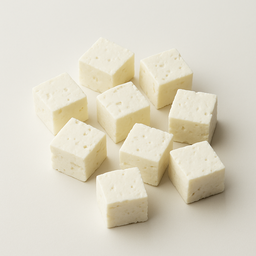 Feta Cheese
 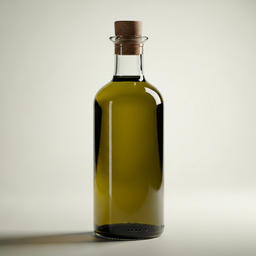 Olive Oil
 Olive oil improves calcium absorption from feta
Technical: Feta contains 493mg calcium per 100g. Fat-soluble vitamins D and K2 are needed for calcium absorption. Olive oil contains mono-unsaturated fats that improve absorption of these vitamins and minerals. Olive oil also contains oleuropein involved in bone metabolism.
What does this mean for you? Always drizzle feta with olive oil — the Mediterranean tradition of feta with olive oil is scientifically smart.
JointsMuscle Gain
Feta Cheese 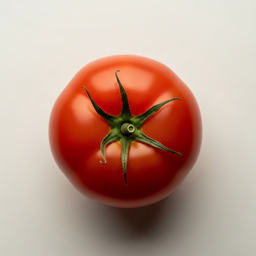 Tomato
 Greek salad synergy - fat for lycopene absorption
Technical: Tomato contains lycopene, a carotenoid that is fat-soluble. Feta contains 21g fat per 100g that dissolves lycopene and promotes micelle formation in the gut, increasing absorption up to 4x. Feta's calcium (493mg/100g) — calcium contributes to the maintenance of normal bones (EFSA-approved). The Greek salad is a scientifically optimal combination.
What does this mean for you? Always combine feta with tomato (and olive oil) — exactly like in a Greek salad. The fat from feta ensures you absorb 4x more lycopene.
HeartSkin & HairJoints
Olive Oil Tomato Mediterranean golden rule: fat increases lycopene absorption 4x
Fat significantly increases lycopene bioavailability (PMID: 15927929)
Technical: Tomatoes contain lycopene (3-7mg per 100g), a carotenoid with strong antioxidant action. Lycopene is fat-soluble with only 10-15% absorption without fat. Olive oil increases this to 40-60% (2.5-4x improvement). Cooking further increases lycopene bioavailability.
What does this mean for you? Always add olive oil to tomato dishes — sauces, salads, bruschetta. This is why Mediterranean cuisine is so healthy. Cooked tomatoes with olive oil = maximum lycopene.
HeartSkin & Hair
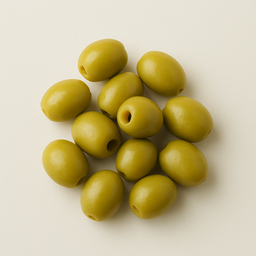 Kalamata olives Feta Cheese
 Mediterranean combination: healthy fats + calcium
Technical: Olives contain oleuropein (antioxidant) and mono-unsaturated fats (75%). Feta provides calcium (493mg/100g) and fat-soluble vitamins. The fats from olives improve absorption of calcium and vitamin D from feta.
What does this mean for you? The classic Greek combination of olives and feta is not only delicious but also nutritionally smart. Perfect in salads or as meze.
HeartJointsAnti-inflammatory
Kalamata olives Tomato Fat-rich olives increase lycopene absorption from tomato
Technical: Olives contain 15-20% mono-unsaturated fat that increases lycopene (fat-soluble carotenoid) absorption from tomatoes by 2-4x. Olives also contain hydroxytyrosol, a powerful antioxidant that works synergistically with lycopene.
What does this mean for you? Add olives to your tomato salad or bruschetta. The Mediterranean tradition is based on centuries of culinary wisdom and science.
HeartSkin & HairAnti-inflammatory
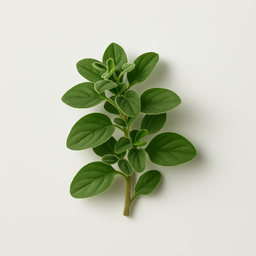 Oregano Olive Oil
 Fat makes carvacol and thymol absorbable
Lambert JD et al. (2004) in Molecular Nutrition & Food Research showed that dietary fats enhance absorption of phenolic compounds from herbs.
Technical: Oregano contains carvacrol (60-74%) and thymol (1-5%) — potent phenolic compounds with broad bioactivity, traditionally valued in food preservation. These compounds are fat-soluble and poorly absorbed without fat. Olive oil dissolves them and significantly increases their bioavailability. This explains why oregano oil always comes in a carrier oil.
What does this mean for you? Cook oregano in olive oil or make oregano-olive oil dressing. The bioactive compounds in oregano are fat-soluble — without oil you barely absorb them.
Immune SystemDigestion
Oregano Tomato Mediterranean synergy - antioxidants stabilize lycopene
Böhm V et al. (2002) in Journal of Nutrition showed that antioxidants improve lycopene stability.
Technical: Oregano's antioxidants (rosmanol, carvacrol, thymol) protect lycopene from tomato against thermal degradation during cooking. Lycopene is heat-labile but released from cell walls by heating. The herbs act as an antioxidant shield: they scavenge free radicals that would break down lycopene.
What does this mean for you? Add oregano to tomato sauce during cooking. The oregano protects the lycopene while heat releases it — that's why Italian tomato sauce with oregano is so healthy.
HeartImmune System
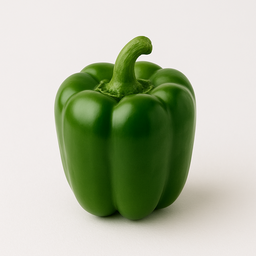 Bell Pepper Olive Oil
 Fat improves carotenoid absorption from bell pepper
Technical: Red bell pepper contains 3131μg beta-carotene and 51μg lutein per 100g, plus 127mg vitamin C (211% RDI). Carotenoids are fat-soluble — without fat only 3-5% is absorbed. Olive oil increases bioavailability to 15-20% through micelle formation in the small intestine.
What does this mean for you? Roast bell pepper with olive oil or make a salad with olive oil dressing. Red pepper contains 10x more carotenoids than green — choose red for maximum effect.
Immune SystemSkin & Hair
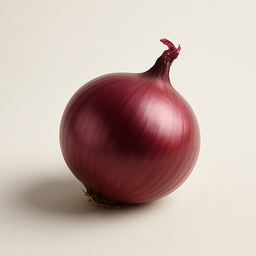 Red Onion Olive Oil
 Fat increases bioavailability of quercetin from red onion
Technical: Red onion contains 32-65mg quercetin per 100g — the richest food source. Quercetin is poorly water-soluble (2μg/mL) but dissolves well in fats. Olive oil increases quercetin oral bioavailability by 50-70% through lipid-based lymphatic transport instead of the portal vein.
What does this mean for you? Sauté red onion in olive oil (soffritto) for maximum quercetin absorption. Oil dissolves quercetin and improves transport to your bloodstream. Caramelizing also enhances flavor.
Anti-inflammatoryHeart
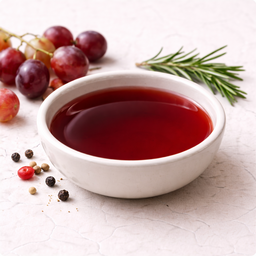 Red wine vinegar Olive Oil
 Classic vinaigrette with polyphenol synergy
Technical: Red wine vinegar contains resveratrol and anthocyanins (from red grapes) plus acetic acid. Olive oil provides oleocanthal (a bioactive phenol) and oleuropein. Mustard contains sinigrin (glucosinolate) and emulsifies the dressing. Together three antioxidant classes (polyphenols, oleocanthal, glucosinolates) provide a broad antioxidant spectrum.
What does this mean for you? Make vinaigrette with red wine vinegar, olive oil and mustard. Three ingredients, three types of antioxidants — the perfect salad dressing.
HeartAnti-inflammatory
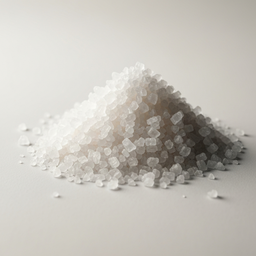 Sea Salt Tomato
 Minerals improve flavor perception and electrolyte balance
Technical: Sea salt contains trace minerals (magnesium, potassium, calcium) besides sodium. Tomato is rich in potassium (237mg/100g) and lycopene. Avocado adds magnesium (29mg) and potassium (485mg). Together they form a broad electrolyte profile: sodium (salt) + potassium (tomato/avocado) + magnesium (avocado) — essential for fluid balance and nerve function.
What does this mean for you? Sprinkle tomato and avocado with a pinch of sea salt. This is more than flavor — the minerals complement each other for a complete electrolyte balance.
HeartEnergy
Sea Salt Olive Oil Minerals + polyphenols for cellular balance
Technical: Sea salt's sodium is essential for the sodium-potassium pump (Na+/K+-ATPase) that regulates every body cell. Olive oil's oleuropein and hydroxytyrosol provide antioxidant protection for cell membranes. The combination supports cell integrity: sea salt regulates ion balance, olive oil protects the membrane. In Mediterranean cuisine, coarse sea salt + olive oil is the most basic flavor profile.
What does this mean for you? Freshly ground sea salt with extra virgin olive oil is the simplest and most nutritious finishing of any dish. The combination provides the basic needs of your cells: minerals for function, polyphenols for protection.
HeartGeneral Wellness
Instructions
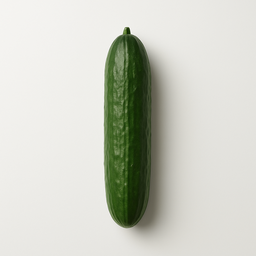
- 1 Cut the tomatoes into rough wedges. Slice the cucumber into thick rounds of about 1 cm.
Nutrition per serving
Indicative values per serving.
Timing & Suitability
Tags & Diet
Allergens: Dairy