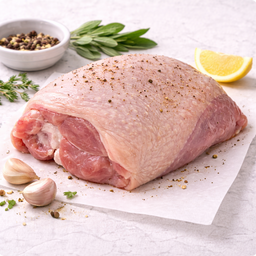
Turkey Thigh
Tryptophan-rich dark turkey meat with selenium and complete protein
What is this ingredient?
Turkey thigh is darker than chicken breast, with a fuller flavor, more myoglobin and a firm texture that suits roasting, braising and slow-cooking. Per 100 g it provides plenty of high-quality protein and several micronutrients, including zinc, selenium, phosphorus, vitamin B6 and vitamin B12.
## Tryptophan in context
Tryptophan is an essential amino acid that forms part of dietary protein and is used by the body in normal amino acid metabolism. It is also a biochemical precursor in the body’s own production of serotonin and melatonin. Research on diet and sleep mainly discusses tryptophan within the wider meal pattern, for example alongside carbohydrate-rich sides such as rice, potatoes or whole grains.
## Selenium and B vitamins
With 32 mcg selenium per 100 g, turkey thigh is a concentrated source of this trace element. It also contains vitamin B6, vitamin B12, zinc, potassium and phosphorus. These nutrients are especially relevant when you want a protein-rich meal with micronutrients from a familiar culinary base.
## High-quality poultry protein
Turkey meat contains all essential amino acids and has a firm, fibrous structure. The thigh stays juicier than lean breast because it contains more connective tissue and fat. For the best texture, slow cooking works well: the connective tissue softens while the flavor becomes fuller and more savory.
How does it taste?
Juicy and full-flavored with more depth than chicken breast.
Pairs well with:
Pairs well with sagecranberryrosemaryonion and thyme.
Did you know...?
- Turkey was originally domesticated by the Aztecs in Mexico, about 2,000 years ago.
- In Turkish, turkey is called 'hindi' (Indian) and in India it is called 'peru' (Peruvian).
Nutritional Value & Energy
Per 100g
Turkey Thigh provides energy thanks to natural nutrients .
Per 100g
Minerals
Vitamins
Omega-3 fatty acids
More nutrients
B-Vitamins
Trace Minerals
What's in a serving?
1 serving
Turkey thigh naturally contains zinc (3.1 mg per 100 g).
Turkey thigh naturally contains potassium (305 mg per 100 g).
Turkey thigh naturally contains phosphorus (210 mg per 100 g).
Turkey thigh naturally contains selenium (32 mcg per 100 g).
Turkey thigh naturally contains vitamin B12 (0.8 mcg per 100 g).
Turkey thigh naturally contains vitamin B6 (0.6 mg per 100 g).
% of daily reference intake (DRI)
EU-approved nutrition claims
This ingredient contains nutrients for which EFSA-authorized health claims exist (at nutrient level, not ingredient-specific).
Approved health claims (EU)
Vitamin_b12 EU 432/2012
Vitamin B12 contributes to the normal function of the immune system
Contains 0.8mcg/100g (threshold: ≥0.375mcg/100g)
Vitamin_b12 EU 432/2012
Vitamin B12 contributes to the reduction of tiredness and fatigue
Contains 0.8mcg/100g (threshold: ≥0.375mcg/100g)
Vitamin_b12 EU 432/2012
Vitamin B12 contributes to the normal functioning of the nervous system
Contains 0.8mcg/100g (threshold: ≥0.375mcg/100g)
Zinc EU 432/2012
Zinc contributes to the normal function of the immune system
Contains 3.1mg/100g (threshold: ≥1.5mg/100g)
Zinc EU 432/2012
Zinc contributes to the maintenance of normal skin
Contains 3.1mg/100g (threshold: ≥1.5mg/100g)
Potassium EU 432/2012
Potassium contributes to the maintenance of normal blood pressure
Contains 305mg/100g (threshold: ≥300mg/100g)
Vitamin_b6 EU 432/2012
Vitamin B6 contributes to normal cysteine synthesis
Contains 0.6mg/100g (threshold: ≥0.21mg/100g)
Vitamin_b6 EU 432/2012
Vitamin B6 contributes to normal energy-yielding metabolism
Contains 0.6mg/100g (threshold: ≥0.21mg/100g)
Vitamin_b6 EU 432/2012
Vitamin B6 contributes to normal functioning of the nervous system
Contains 0.6mg/100g (threshold: ≥0.21mg/100g)
Vitamin_b6 EU 432/2012
Vitamin B6 contributes to normal homocysteine metabolism
Contains 0.6mg/100g (threshold: ≥0.21mg/100g)
Vitamin_b6 EU 432/2012
Vitamin B6 contributes to normal protein and glycogen metabolism
Contains 0.6mg/100g (threshold: ≥0.21mg/100g)
Vitamin_b6 EU 432/2012
Vitamin B6 contributes to normal psychological function
Contains 0.6mg/100g (threshold: ≥0.21mg/100g)
Vitamin_b6 EU 432/2012
Vitamin B6 contributes to normal red blood cell formation
Contains 0.6mg/100g (threshold: ≥0.21mg/100g)
Vitamin_b6 EU 432/2012
Vitamin B6 contributes to the normal function of the immune system
Contains 0.6mg/100g (threshold: ≥0.21mg/100g)
Vitamin_b6 EU 432/2012
Vitamin B6 contributes to the regulation of hormonal activity
Contains 0.6mg/100g (threshold: ≥0.21mg/100g)
Vitamin_b6 EU 432/2012
Vitamin B6 contributes to the reduction of tiredness and fatigue
Contains 0.6mg/100g (threshold: ≥0.21mg/100g)
Vitamin_b12 EU 432/2012
Vitamin B12 contributes to normal energy-yielding metabolism
Contains 0.8mcg/100g (threshold: ≥0.375mcg/100g)
Vitamin_b12 EU 432/2012
Vitamin B12 contributes to normal homocysteine metabolism
Contains 0.8mcg/100g (threshold: ≥0.375mcg/100g)
Vitamin_b12 EU 432/2012
Vitamin B12 contributes to normal psychological function
Contains 0.8mcg/100g (threshold: ≥0.375mcg/100g)
Vitamin_b12 EU 432/2012
Vitamin B12 contributes to normal red blood cell formation
Contains 0.8mcg/100g (threshold: ≥0.375mcg/100g)
Vitamin_b12 EU 432/2012
Vitamin B12 has a role in the process of cell division
Contains 0.8mcg/100g (threshold: ≥0.375mcg/100g)
Phosphorus EU 432/2012
Phosphorus contributes to normal energy-yielding metabolism
Contains 210mg/100g (threshold: ≥105mg/100g)
Phosphorus EU 432/2012
Phosphorus contributes to the normal function of cell membranes
Contains 210mg/100g (threshold: ≥105mg/100g)
Phosphorus EU 432/2012
Phosphorus contributes to the maintenance of normal bones
Contains 210mg/100g (threshold: ≥105mg/100g)
Phosphorus EU 432/2012
Phosphorus contributes to the maintenance of normal teeth
Contains 210mg/100g (threshold: ≥105mg/100g)
Zinc EU 432/2012
Zinc contributes to normal acid-base metabolism
Contains 3.1mg/100g (threshold: ≥1.5mg/100g)
Zinc EU 432/2012
Zinc contributes to normal carbohydrate metabolism
Contains 3.1mg/100g (threshold: ≥1.5mg/100g)
Zinc EU 432/2012
Zinc contributes to normal cognitive function
Contains 3.1mg/100g (threshold: ≥1.5mg/100g)
Zinc EU 432/2012
Zinc contributes to normal DNA synthesis
Contains 3.1mg/100g (threshold: ≥1.5mg/100g)
Zinc EU 432/2012
Zinc contributes to normal fertility and reproduction
Contains 3.1mg/100g (threshold: ≥1.5mg/100g)
Zinc EU 432/2012
Zinc contributes to normal macronutrient metabolism
Contains 3.1mg/100g (threshold: ≥1.5mg/100g)
Zinc EU 432/2012
Zinc contributes to normal metabolism of fatty acids
Contains 3.1mg/100g (threshold: ≥1.5mg/100g)
Zinc EU 432/2012
Zinc contributes to normal metabolism of vitamin A
Contains 3.1mg/100g (threshold: ≥1.5mg/100g)
Zinc EU 432/2012
Zinc contributes to normal protein synthesis
Contains 3.1mg/100g (threshold: ≥1.5mg/100g)
Zinc EU 432/2012
Zinc contributes to the maintenance of normal bones
Contains 3.1mg/100g (threshold: ≥1.5mg/100g)
Zinc EU 432/2012
Zinc contributes to the maintenance of normal hair
Contains 3.1mg/100g (threshold: ≥1.5mg/100g)
Zinc EU 432/2012
Zinc contributes to the maintenance of normal nails
Contains 3.1mg/100g (threshold: ≥1.5mg/100g)
Zinc EU 432/2012
Zinc contributes to the maintenance of normal testosterone levels in the blood
Contains 3.1mg/100g (threshold: ≥1.5mg/100g)
Zinc EU 432/2012
Zinc contributes to the maintenance of normal vision
Contains 3.1mg/100g (threshold: ≥1.5mg/100g)
Zinc EU 432/2012
Zinc contributes to the protection of cells from oxidative stress
Contains 3.1mg/100g (threshold: ≥1.5mg/100g)
Zinc EU 432/2012
Zinc has a role in the process of cell division
Contains 3.1mg/100g (threshold: ≥1.5mg/100g)
Selenium EU 432/2012
Selenium contributes to the maintenance of normal hair
Contains 32mcg/100g (threshold: ≥8.25mcg/100g)
Selenium EU 432/2012
Selenium contributes to the maintenance of normal nails
Contains 32mcg/100g (threshold: ≥8.25mcg/100g)
Selenium EU 432/2012
Selenium contributes to the normal function of the immune system
Contains 32mcg/100g (threshold: ≥8.25mcg/100g)
Selenium EU 432/2012
Selenium contributes to normal thyroid function
Contains 32mcg/100g (threshold: ≥8.25mcg/100g)
Selenium EU 432/2012
Selenium contributes to normal spermatogenesis
Contains 32mcg/100g (threshold: ≥8.25mcg/100g)
Selenium EU 432/2012
Selenium contributes to the protection of cells from oxidative stress
Contains 32mcg/100g (threshold: ≥8.25mcg/100g)
Potassium EU 432/2012
Potassium contributes to normal functioning of the nervous system
Contains 305mg/100g (threshold: ≥300mg/100g)
Potassium EU 432/2012
Potassium contributes to normal muscle function
Contains 305mg/100g (threshold: ≥300mg/100g)
What's being researched?
Turkey meat and tryptophan
The tryptophan content of turkey meat and the role of this amino acid as a biochemical precursor are being studied. While turkey is known as a tryptophan source, many protein-rich foods contain comparable amounts.
Supported by: [2] Rayman MP (2012)
Good Combinations (Synergy)
Combine turkey thigh smartly to enhance the effect:
Turkey Thigh 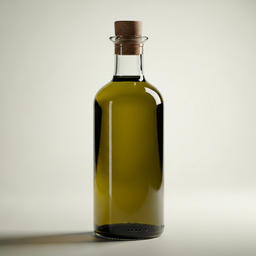 Olive Oil
 Polyphenols protect proteins against oxidation during heating
Technical: Turkey thigh contains 20g protein and 8g fat per 100g with 2.3mg iron (13% RDI). Heating above 180°C causes heterocyclic amines (HCAs) and advanced glycation end-products (AGEs). Olive oil's hydroxytyrosol (10-50mg/100g) and oleocanthal chelate Fe²⁺ ions and prevent Fenton reactions that initiate lipid peroxidation. Marinating in olive oil before heating helps limit HCA formation.
What does this mean for you? Marinate turkey thigh at least 30 minutes in olive oil before roasting. The polyphenols protect the meat against harmful substances formed at high temperatures. Add rosemary for extra protection.
Turkey Thigh 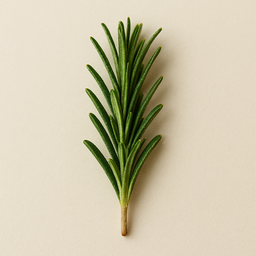 Rosemary
 Antioxidants protect fats during heating
Technical: Turkey thighs contain more unsaturated fat than chicken breast. At high temperatures these fats oxidize and form heterocyclic amines (HCAs) and Advanced Glycation End-products (AGEs). Rosemary contains heat-stable carnosol and carnosic acid that can reduce HCA formation. Thyme contains thymol and carvacrol with similar antioxidant action.
What does this mean for you? Sprinkle turkey thighs with rosemary and thyme before roasting. These herbs do more than add flavor — they actively protect the meat against harmful compounds formed during heating. Marinating is even more thorough than sprinkling.
Turkey Thigh 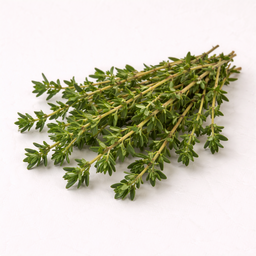 Thyme (Fresh)
 Antioxidants protect fats during heating
Technical: Turkey thighs contain more unsaturated fat than chicken breast. At high temperatures these fats oxidize and form heterocyclic amines (HCAs) and Advanced Glycation End-products (AGEs). Rosemary contains heat-stable carnosol and carnosic acid that can reduce HCA formation. Thyme contains thymol and carvacrol with similar antioxidant action.
What does this mean for you? Sprinkle turkey thighs with rosemary and thyme before roasting. These herbs do more than add flavor — they actively protect the meat against harmful compounds formed during heating. Marinating is even more thorough than sprinkling.
Turkey Thigh 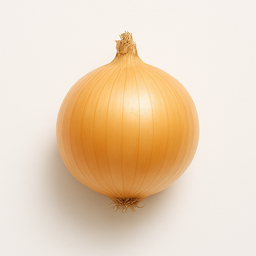 Onion
Onion Zinc + quercetin for complementary mineral absorption
Technical: Turkey thigh provides 3.8mg zinc per 100g (35% RDI) — essential for thymus function and T-cell differentiation. Onion contains quercetin (25-50mg/100g) that acts as zinc ionophore: it transports zinc through cell membranes to intracellular targets. This increases intracellular zinc concentration by 30-40%, enhancing RNA polymerase interaction in cells. Onion's prebiotic fructo-oligosaccharides (FOS, 2-6g/100g) feed bifidobacteria supporting IgA production.
What does this mean for you? Braise turkey thigh with sliced onions. The quercetin from onion helps transport zinc from turkey into your cells — a complementary route for mineral absorption. Eat this weekly for optimal zinc intake.
Recipes with Turkey Thigh
Discover delicious recipes featuring turkey thigh:
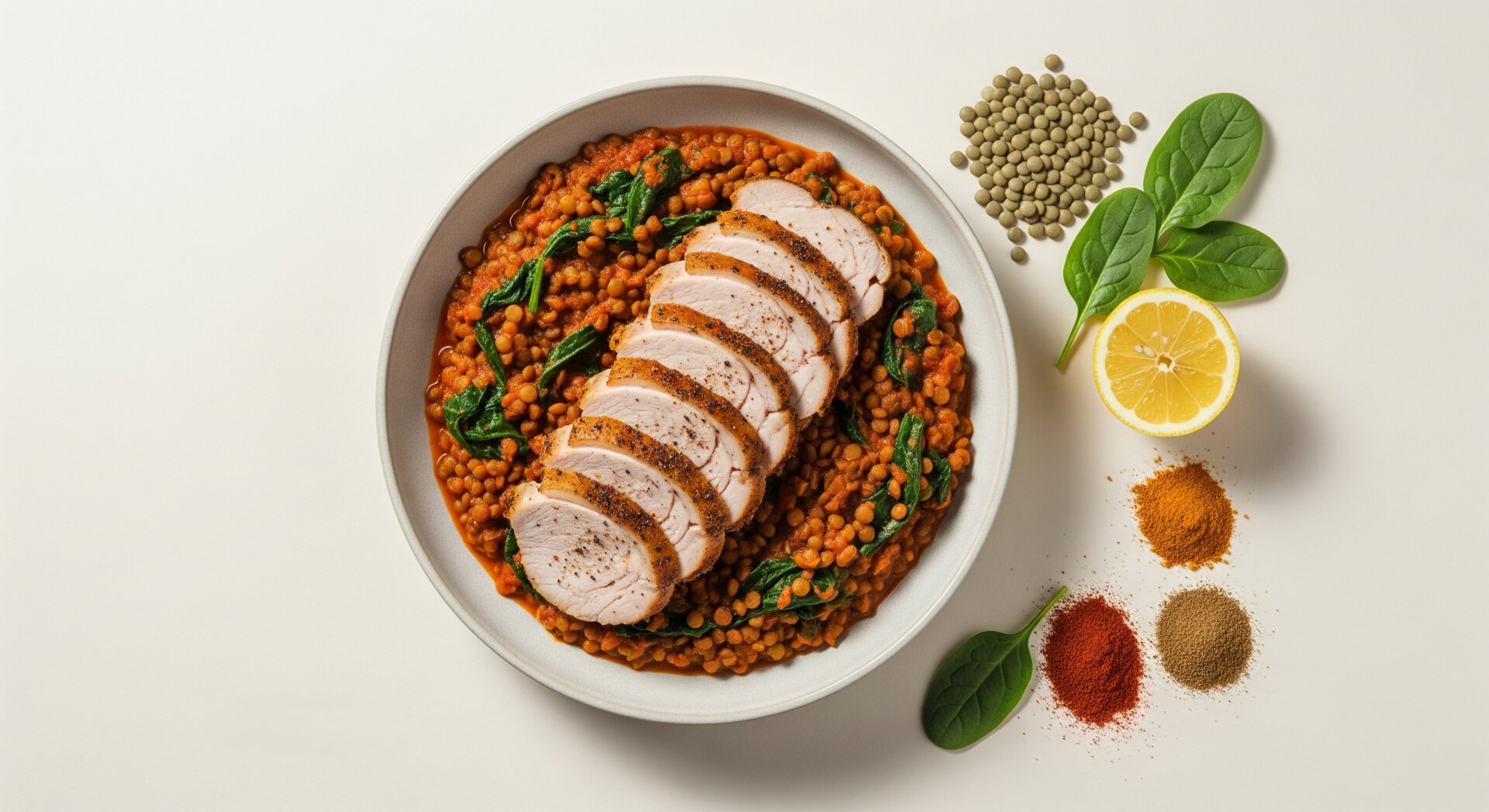 Turkish Turkey with Lentils and Spinach 70 min Braised turkey thigh with Turkish spice blend
  445 kcal
  48g protein 3 synergies
  In the Kitchen
Storage
Location:Refrigerator
Shelf life:2-3 dagen vers, 6 maanden ingevroren
Preparation
Roast, braise or slow-cook. Watch the internal temperature and let the meat rest briefly so it stays juicy.
Conversions
Substitutes
Smart preparation
1Cook turkey thighs bone-in for more flavour and juiciness.
Why?
The bone conducts heat and adds flavour during roasting.
2Roast turkey thighs low and slow (160°C, 2-2.5 hours).
Why?
Slow roasting breaks down connective tissue for tender meat.
3Use a meat thermometer: 75°C internal temperature means done.
Caution / Warnings
Turkey Thigh is very safe, but there are scientific considerations:
Gout Moderate
Turkey thigh contains purines, which the body breaks down into uric acid.
Advice:
Limit the portion with gout or elevated uric acid and discuss suitable protein sources with a doctor or dietitian.
Cardiovascular disease Mild
Turkey thigh naturally contains cholesterol and a small amount of saturated fat.
Advice:
Choose leaner pieces where needed, remove the skin if desired and combine with vegetables, legumes or whole grains.
Summary
Turkey thigh is a juicy, protein-rich choice with tryptophan, selenium, zinc and B vitamins. Its fuller flavor and firm texture make it ideal for slow cooking, braises and oven meals with vegetables and grains.