- Easy
- 30 min
- 2 serv.
- 14 synergies
- Now at its best: Fennel
A Sicilian-inspired spaghetti with sardines, tender fennel, saffron, raisins, toasted pine nuts and lemon. Briny, gently sweet, fresh and full of Mediterranean depth.
This pasta has everything that makes Sicilian food so compelling: simplicity, contrast and deep flavour. The fennel softens into gentle sweetness in olive oil, saffron turns the sauce warm gold, and the sardines release their briny richness into the spaghetti. Raisins add small sweet bursts, pine nuts bring a delicate crunch, and lemon lifts everything at the end. The pasta water binds the oil, sardines and saffron into a glossy sauce that clings to every strand. This is not a heavy cream pasta, but a Mediterranean bowl full of tension: salty, sweet, aromatic, fresh and nutty all at once.
- 10
- min prep
- 20
- min cook
- 30
- min total
Nutritional Synergies
This recipe combines ingredients that enhance each other:
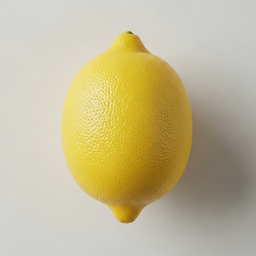 Lemon
Lemon 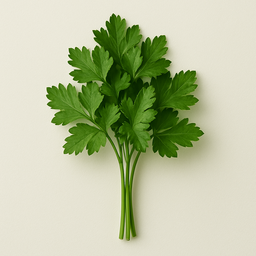 Fresh parsley
 Double vitamin C for maximum iron absorption
Technical: Lemon contains 53mg vitamin C per 100g, parsley 133mg per 100g. Together they provide excess vitamin C that reduces non-heme iron (from vegetables, grains) from Fe³⁺ to Fe²⁺, increasing absorption 3-6x. Parsley also contains 6.2mg iron per 100g.
What does this mean for you? Use lemon + parsley in tabbouleh, dressings and marinades. The combination maximizes iron absorption, ideal for vegetarians.
EnergyImmune System
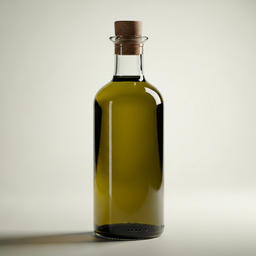 Extra-virgin olive oil Lemon
 Oleic acid + citric acid: complementary pathways for glycemic response
Technical: Lemon contains citric acid that slows gastric emptying, causing carbohydrates from the meal to be absorbed more slowly. Olive oil's fats reinforce this effect by further influencing glycemic response. Together they influence the postprandial glucose response via two complementary mechanisms. Olive oil's oleocanthal and lemon's vitamin C additionally provide complementary antioxidant action.
What does this mean for you? A simple dressing of olive oil and lemon juice over your salad is one of the smartest combinations you can make. The two mechanisms (delayed gastric emptying + fat slowing) work together to influence the glucose response after your meal.
EnergyDigestion
Extra-virgin olive oil 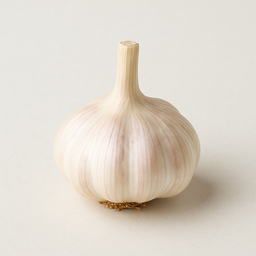 Garlic
 Aglio e olio: allicin + oleocanthal via complementary biochemical pathways
Technical: Garlic contains allicin (formed when cutting/crushing) that influences HMG-CoA reductase (involved in lipid metabolism). Olive oil contains oleocanthal that modulates COX-1/2 enzymes. Together they influence lipid metabolism and prostaglandin cascade via complementary biochemical pathways. The fat also helps absorb fat-soluble garlic compounds.
What does this mean for you? Gently warm garlic in olive oil (don't burn!) as the base for many dishes. This is why 'aglio e olio' pasta is so beloved — two bioactive compounds that reinforce each other.
HeartImmune System
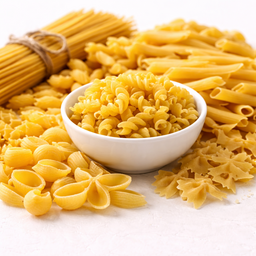 Spaghetti Garlic
 Carbohydrates + allicin for bioactive support and flavor
Technical: Pasta provides slow energy from complex starch (GI 40-55 for al dente). Garlic contains alliin that when crushed/cut is converted by alliinase into allicin — a bioactive organosulfur compound. Allicin influences NK cell activity and macrophage function.
What does this mean for you? Aglio e olio (pasta with garlic and olive oil) is the simplest and most scientifically supported pasta. Crush the garlic and let it rest for 10 minutes for maximum allicin formation.
Immune SystemEnergy
Spaghetti Extra-virgin olive oil Retrograde starch + oleic acid lower glycemic index
Technical: Al dente cooked pasta already has a lower GI (40-55) than overcooked pasta (60-70). Olive oil's oleic acid (73%) slows gastric emptying via CCK release and the ileal brake mechanism. With cooled pasta (salad), resistant starch type 3 forms, a prebiotic. Studies show olive oil + pasta reduces postprandial glucose by 25-35% versus pasta without fat.
What does this mean for you? Cook pasta al dente and add good olive oil immediately. For cold pasta salad: cooled pasta + olive oil has the lowest blood sugar impact of all preparation methods.
Blood SugarDigestionHeart
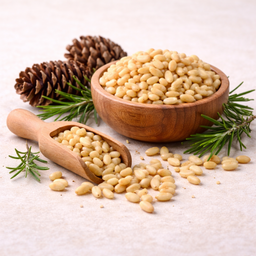 Pine nuts Extra-virgin olive oil
 Pinolenic acid + oleic acid for extreme appetite suppression
Technical: Pine nuts contain 14-19% pinolenic acid that increases CCK (cholecystokinin, satiety hormone) release by 60%. Olive oil's oleic acid stimulates OEA (oleoylethanolamide) production triggering a satiety signal via PPARα. Two independent satiety pathways that together strongly suppress appetite.
What does this mean for you? Eat pesto (pine nuts + olive oil) with your meal. The two ingredients each activate a different satiety hormone, making you feel full faster and longer.
Weight LossDigestion
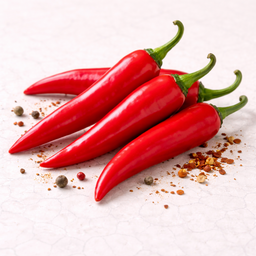 Red pepper flakes Garlic
 Capsaicin + allicin: complementary bioactive sulfur pathways
Technical: Capsaicin from red pepper inhibits bacterial biofilm formation and is effective against H. pylori via TRPV1 receptor activation. Garlic's allicin works via thiol enzyme inhibition and has bioactive action against gram-positive bacteria. Together they cover a broader spectrum of bioactive pathways. Capsaicin also stimulates mucus production in the GI tract.
What does this mean for you? Red pepper with garlic is the base of countless cuisines worldwide — from sambal to harissa. Not just tasty heat, but also two complementary bioactive pathways in one spice combination.
Immune SystemAnti-inflammatory
Red pepper flakes Extra-virgin olive oil Fat increases absorption of capsaicin and carotenoids
Technical: Red pepper contains capsaicin (lipophilic, LogP 3.04) and 21840μg beta-carotene per 100g. Both are fat-soluble. Olive oil's oleic acid dissolves capsaicin and forms micelles for carotenoid absorption. Capsaicin activates vanilloid receptors in the digestive tract, increasing mucosal blood flow.
What does this mean for you? Cook red pepper in olive oil — this increases absorption of both capsaicin and beta-carotene. Oil also reduces the burning sensation by dissolving capsaicin in fat.
Weight LossSkin & Hair
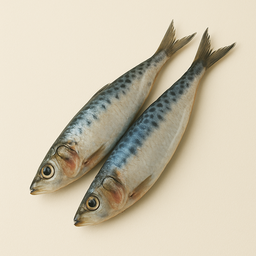 Sardines Lemon
 Vitamin C protects omega-3 and improves calcium absorption from bones
Technical: Canned sardines contain edible bones with 382mg calcium per 100g. Vitamin C from lemon improves calcium absorption by lowering pH in the small intestine. Additionally, vitamin C protects omega-3 fatty acids (1.5g per 100g) against oxidation.
What does this mean for you? Always sprinkle sardines with lemon juice. The Mediterranean tradition is nutritionally optimal — you get more calcium from the bones AND the omega-3 stays protected.
JointsHeartImmune System
Sardines Extra-virgin olive oil Mediterranean omega combination: EPA/DHA + polyphenols
Technical: Canned sardines contain 1.5g omega-3 per 100g plus calcium from the bones. Extra virgin olive oil contains oleocanthal and oleuropein (polyphenols) that protect omega-3 from oxidation and work via complementary biochemical pathways.
What does this mean for you? Choose sardines in olive oil or add extra virgin olive oil to sardines on toast. This is typical Portuguese/Spanish and combines two sources of bioactive compounds working via complementary pathways.
HeartAnti-inflammatoryJoints
Sardines Fresh parsley Iron absorption improved + neutralizes fish smell
Technical: Sardines contain 2.9mg iron per 100g (mix of heme and non-heme). Parsley contains 133mg vitamin C per 100g — more than lemons! This reduces non-heme Fe³⁺ to Fe²⁺ for improved absorption. Additionally, parsley contains chlorophyll that binds to trimethylamine (TMA) — the volatile compound responsible for fish smell — and neutralizes it.
What does this mean for you? Always generously garnish sardines with fresh parsley. It not only improves iron absorption but also neutralizes fish odor — double benefit. Chop the parsley coarsely for maximum vitamin C preservation.
EnergyImmune System
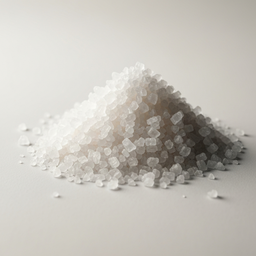 Sea salt Lemon
 Trace minerals + vitamin C for electrolytes and immune system
Technical: Unrefined sea salt contains 80+ trace elements (magnesium 0.5%, potassium 0.4%, calcium 0.1%, plus iodine, zinc, selenium in trace amounts) alongside sodium. Lemon's vitamin C improves absorption of non-heme iron and zinc from sea salt. Sodium + potassium together regulate cellular osmosis. Vitamin C is also essential for collagen synthesis where sea salt minerals serve as cofactors.
What does this mean for you? A glass of warm water with a pinch of unrefined sea salt and lemon juice in the morning is an effective hydration ritual. The minerals + vitamin C start your day with good electrolyte balance.
EnergyImmune System
Sea salt Extra-virgin olive oil Minerals + polyphenols for cellular balance
Technical: Sea salt's sodium is essential for the sodium-potassium pump (Na+/K+-ATPase) that regulates every body cell. Olive oil's oleuropein and hydroxytyrosol provide antioxidant protection for cell membranes. The combination supports cell integrity: sea salt regulates ion balance, olive oil protects the membrane. In Mediterranean cuisine, coarse sea salt + olive oil is the most basic flavor profile.
What does this mean for you? Freshly ground sea salt with extra virgin olive oil is the simplest and most nutritious finishing of any dish. The combination provides the basic needs of your cells: minerals for function, polyphenols for protection.
HeartGeneral Wellness
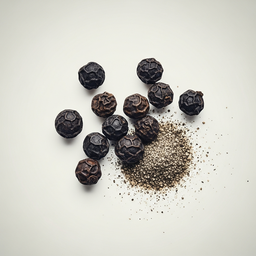 Black pepper Extra-virgin olive oil
 Fat increases piperine absorption and enhances polyphenols
Technical: Piperine is fat-soluble and absorbed 2-3x better with dietary fat. Olive oil's oleocanthal and piperine both modulate COX signal transduction through different mechanisms, providing additive bioactive effect.
What does this mean for you? Grind fresh pepper over salads with olive oil dressing. The combination enhances both pepper absorption and bioactive action.
Anti-inflammatoryHeartDigestion
Ingredients (13)
- Spaghetti — 180 g preferably whole wheat
- Sardines — 220 g canned in olive oil, drained
-
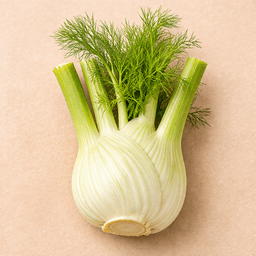 Fennel — 200 g thinly sliced, reserve fennel fronds
Instructions
- 1 Soak the saffron for 10 minutes in 2 tablespoons of warm water. Soak the raisins in a separate bowl of warm water, then drain.
- 2 Toast the pine nuts for 2-3 minutes in a dry pan until lightly golden and fragrant. Set aside.
Nutrition per serving
Indicative values per serving.
Timing & Suitability
Shelf life: 2 days in fridge
Tags & Diet
Allergens: Fish, Gluten, Nuts