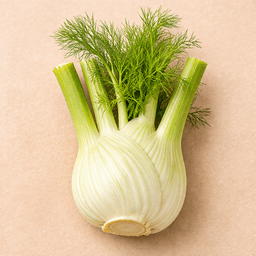
Fennel
The mild anise vegetable
What is this ingredient?
Fennel (Foeniculum vulgare) is a versatile vegetable from the umbellifer family. The bulb fennel we know is the cultivated variety with a thick, white bulb at the base. Raw, fennel is crispy with a pronounced anise flavor; cooked, roasted or braised, the flavor becomes sweeter and milder. In Italy, finocchio is an essential ingredient in salads, pasta dishes and fish preparations.
How does it taste?
Fresh anise-like and mildly sweet raw, soft and caramelized when roasted.
Pairs well with:
Pairs well with orangeolivesparmesanlemon and fish.
Did you know...?
- The name 'marathon' comes from the Greek word for fennel: 'marathos', after the field where the battle took place.
- Fennel was eaten by Roman gladiators for strength and courage before their fights.
Nutritional Value & Energy
Per 100g
Fennel is low in calories thanks to natural nutrients , buffered by fiber.
Per 100g
Minerals
Vitamins
More nutrients
B-Vitamins
Trace Minerals
What's in a serving?
1 serving
Fennel naturally contains potassium (414 mg per 100 g).
Fennel naturally contains vitamin c (12 mg per 100 g).
% of daily reference intake (DRI)
EU-approved nutrition claims
This ingredient contains nutrients for which EFSA-authorized health claims exist (at nutrient level, not ingredient-specific).
Approved health claims (EU)
Vitamin_c EU 432/2012
Vitamin C contributes to the normal function of the immune system
Contains 12mg/100g (threshold: ≥12mg/100g)
Vitamin_c EU 432/2012
Vitamin C contributes to the reduction of tiredness and fatigue
Contains 12mg/100g (threshold: ≥12mg/100g)
Vitamin_c EU 432/2012
Vitamin C contributes to normal collagen formation for the normal function of skin
Contains 12mg/100g (threshold: ≥12mg/100g)
Potassium EU 432/2012
Potassium contributes to the maintenance of normal blood pressure
Contains 414mg/100g (threshold: ≥300mg/100g)
Vitamin_c EU 432/2012
Vitamin C contributes to normal collagen formation for the normal function of blood vessels
Contains 12mg/100g (threshold: ≥12mg/100g)
Vitamin_c EU 432/2012
Vitamin C contributes to normal collagen formation for the normal function of bones
Contains 12mg/100g (threshold: ≥12mg/100g)
Vitamin_c EU 432/2012
Vitamin C contributes to normal collagen formation for the normal function of cartilage
Contains 12mg/100g (threshold: ≥12mg/100g)
Vitamin_c EU 432/2012
Vitamin C contributes to normal collagen formation for the normal function of gums
Contains 12mg/100g (threshold: ≥12mg/100g)
Vitamin_c EU 432/2012
Vitamin C contributes to normal collagen formation for the normal function of teeth
Contains 12mg/100g (threshold: ≥12mg/100g)
Vitamin_c EU 432/2012
Vitamin C contributes to normal energy-yielding metabolism
Contains 12mg/100g (threshold: ≥12mg/100g)
Vitamin_c EU 432/2012
Vitamin C contributes to normal functioning of the nervous system
Contains 12mg/100g (threshold: ≥12mg/100g)
Vitamin_c EU 432/2012
Vitamin C contributes to normal psychological function
Contains 12mg/100g (threshold: ≥12mg/100g)
Vitamin_c EU 432/2012
Vitamin C contributes to the protection of cells from oxidative stress
Contains 12mg/100g (threshold: ≥12mg/100g)
Vitamin_c EU 432/2012
Vitamin C contributes to the regeneration of the reduced form of vitamin E
Contains 12mg/100g (threshold: ≥12mg/100g)
Vitamin_c EU 432/2012
Vitamin C increases iron absorption
Contains 12mg/100g (threshold: ≥12mg/100g)
Vitamin_c EU 432/2012
Vitamin C contributes to maintain the normal function of the immune system during and after intense physical exercise
Contains 12mg/100g (threshold: ≥12mg/100g)
Potassium EU 432/2012
Potassium contributes to normal functioning of the nervous system
Contains 414mg/100g (threshold: ≥300mg/100g)
Potassium EU 432/2012
Potassium contributes to normal muscle function
Contains 414mg/100g (threshold: ≥300mg/100g)
What's being researched?
Anethole and digestive comfort
Anethole in fennel is being studied for potential antispasmodic effects in the gastrointestinal tract. Clinical studies show promising results for functional digestive complaints.
Supported by: [1] Badgujar SB (2014)
Volatile oils and inflammation research
Volatile oils in fennel are being studied for their bioactive properties in relation to inflammatory processes. Animal studies show promising results, but human dose-response relationships have not yet been established.
Supported by: [2] Omidvar S (2012) , [1] Badgujar SB (2014)
Recipes with Fennel
Discover delicious recipes featuring fennel:
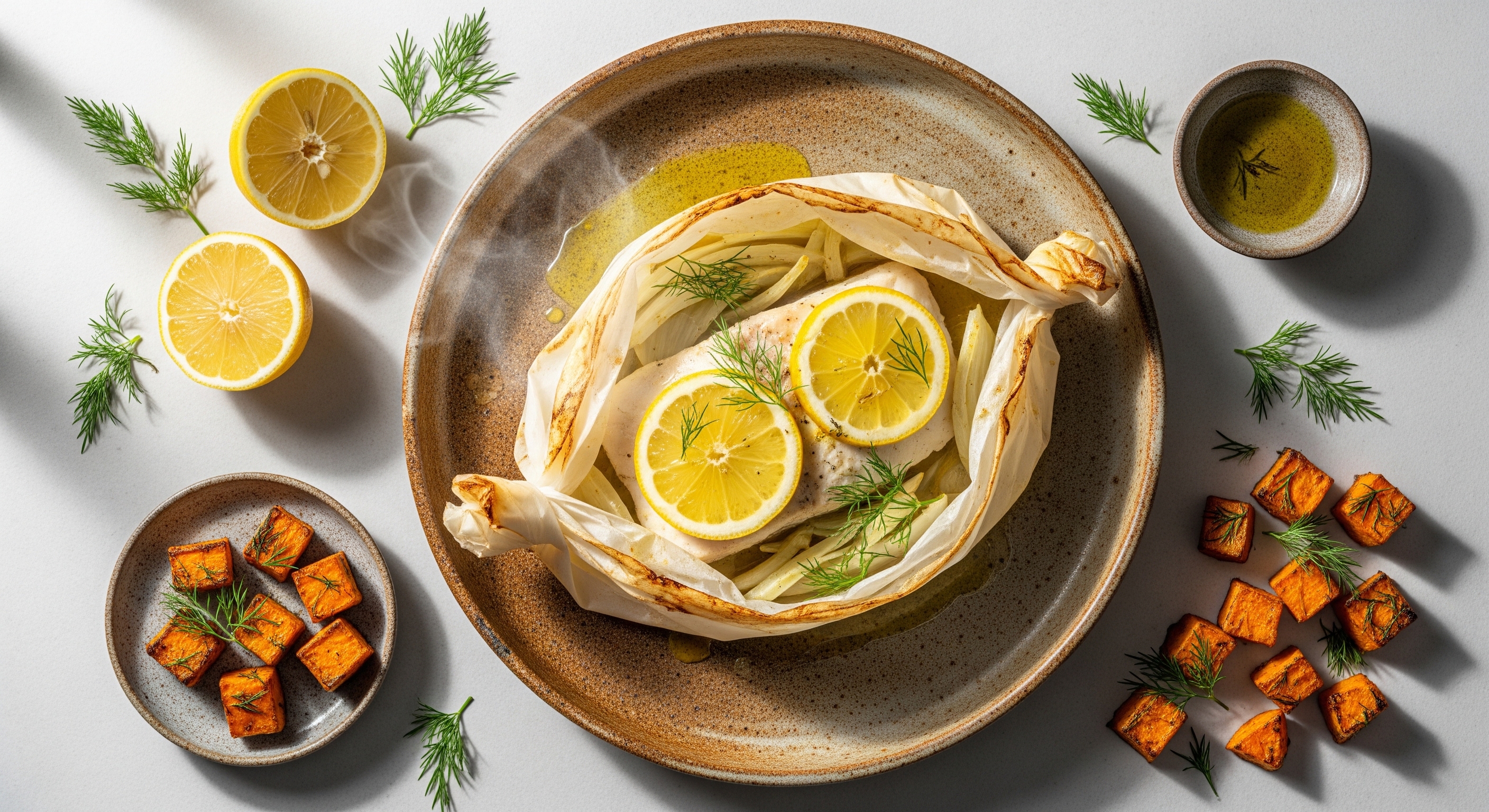 Halibut en Papillote with Lemon and Fennel 35 min Halibut steamed in parchment with fennel, dill and cherry tomatoes
  600 kcal
  40g protein 2 synergies
 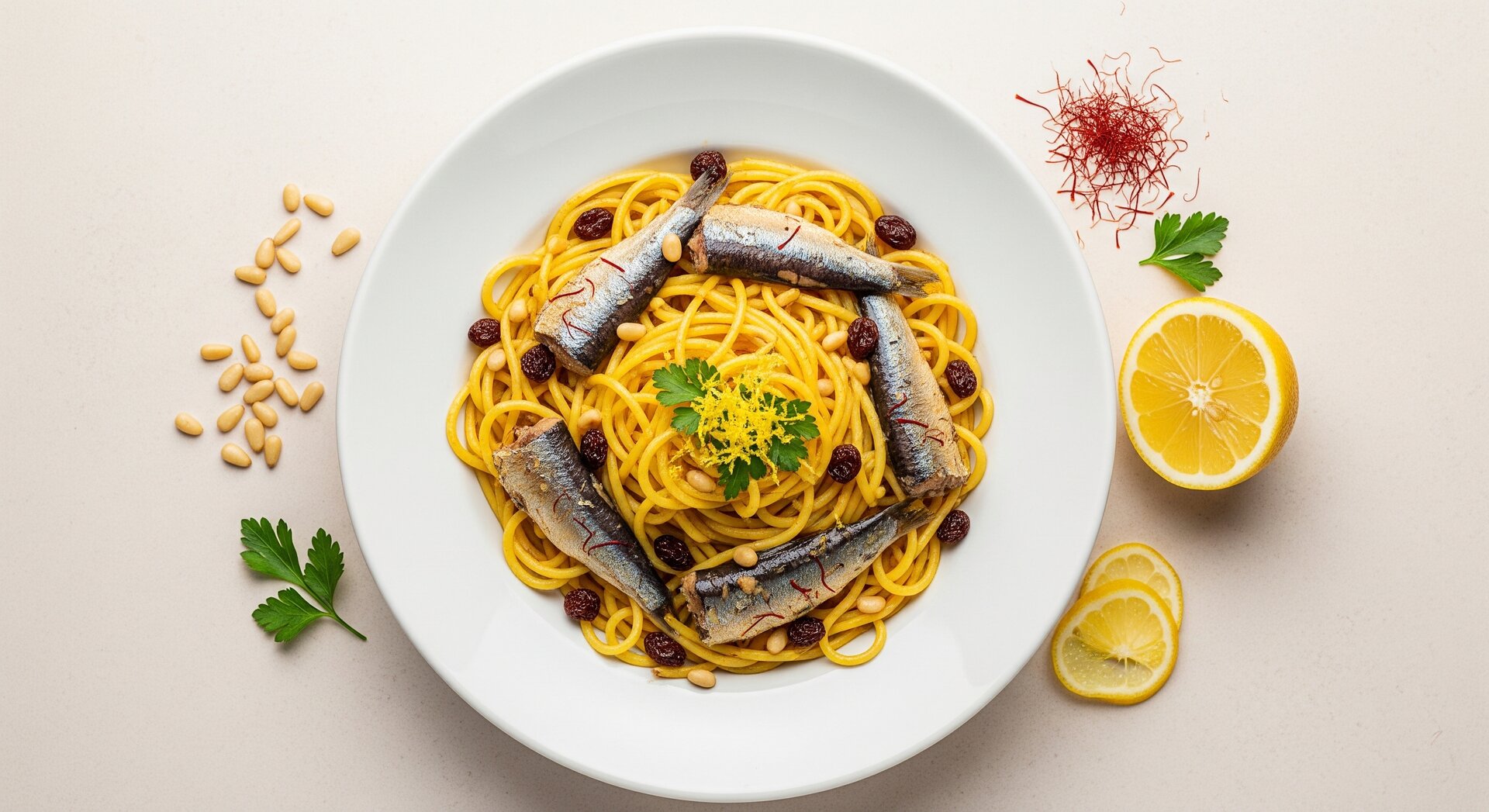 Sicilian Spaghetti with Sardines, Fennel and Saffron 30 min Briny pasta with sardines, fennel, raisins, pine nuts and lemon 795 kcal 41g protein 2 synergies
  In the Kitchen
Storage
Location:
Shelf life:5-7 dagen in de koelkast
Store in a plastic bag in the crisper drawer. Fennel dries out quickly when exposed to air.
Preparation
Raw in salads, roasted in the oven (200°C, 25 min), braised, or as a base for soups. Cut out the hard core.
Conversions
Substitutes
Smart preparation
1Keep the fennel fronds; they are an excellent garnish with anise flavor.
2Cut fennel paper-thin with a mandoline for raw salads.
3Braise fennel slowly in olive oil until soft and caramel-like.
Why?
Slow cooking makes the anise flavor milder and sweeter.
Caution / Warnings
Fennel is very safe, but there are scientific considerations:
Umbellifer allergy Moderate
People allergic to carrot, celery or anise may also react to fennel
Advice:
If you have known cross-allergy with umbellifers, be cautious with fennel
Traditional use
Mediterranean
Greek and Roman culinary herb
The Greeks called fennel 'marathon' — the Battle of Marathon took place on a fennel field. Roman gladiators ate fennel for strength and courage.
Ayurveda
Ayurvedic digestive herb
In Ayurveda, fennel (saunf) is one of the most commonly used digestive herbs. It is chewed after meals to reduce gas formation.
Summary
Fennel is a versatile vegetable that tastes crispy and fresh raw, and becomes sweet and mild when cooked. Particularly rich in fiber and vitamin C, with the active compound anethole supporting digestion.