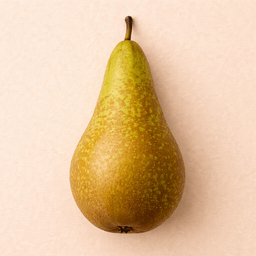
Pear
Sweet pome fruit
What is this ingredient?
Pear (Pyrus communis) is a classic pome fruit with a recognisable shape, juicy flesh and gentle sweetness. Conference and Doyenné du Comice are well-known varieties in the Netherlands and Belgium.
## Fibre and pectin
Pears contain 3.1 g fibre per 100 g. Part of this is pectin, a soluble fibre found mainly in and around the peel. In nutrition research, pectin is studied in relation to bile acid binding, the gut microbiome and satiety, but pear itself has no ingredient-specific EFSA health claim.
## Polyphenols in the peel
The peel contains polyphenols such as arbutin and chlorogenic acid. In analyses of pear varieties, these compounds are mainly described as natural plant compounds that contribute to colour, flavour and the fruit’s broader nutritional profile. That makes eating pear with the peel useful when you want the full fruit matrix.
## Sorbitol and kitchen value
Pears naturally contain sorbitol, a sugar alcohol that contributes to their soft sweetness and juicy texture. Ripe pears work well raw, in salads, poached or baked with spices such as cinnamon and ginger.
How does it taste?
Gently sweet and floral with a delicate, buttery-soft texture.
Pairs well with:
Pairs well with blue cheesewalnuthoneyginger and cinnamon.
Did you know...?
- Pears ripen from the inside out, which is why they can be soft inside while the outside still feels firm.
- In China, the pear is a symbol of immortality; some pear trees can become very old.
Nutritional Value & Energy
Per 100g
Pear provides energy thanks to natural nutrients , buffered by fiber.
Per 100g
Minerals
Vitamins
More nutrients
B-Vitamins
Trace Minerals
What's in a serving?
1 serving
% of daily reference intake (DRI)
EU-approved nutrition claims
There are currently no EFSA-authorized health claims specific to pear.
What's being researched?
Fibre and gut research
The fibre content of pears, particularly pectin, is studied in relation to gut motility and the microbiome. Findings mainly concern fibre as a nutrient group, not a specific health claim for pear.
Supported by: [5] Yang (2012)
Polyphenols in pear peel
Polyphenols in pear peel are studied as natural plant compounds. Studies compare, among other things, concentrations in peel and flesh and differences between varieties.
Supported by: [4] Li (2014) , [1] Brahem (2020) , [2] Li (2005)
Good Combinations (Synergy)
Combine pear smartly to enhance the effect:
Pear 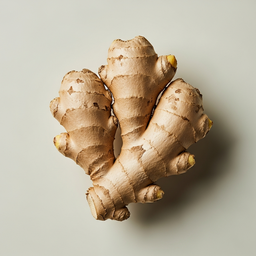 Ginger
 Ginger activates digestion, pear provides prebiotic sorbitol
Technical: Pear contains sorbitol, a sugar alcohol that works as an osmotic laxative by drawing water to the intestines. Ginger contains gingerols and shogaols that promote gastric motility (prokinetic effect) and increase bile production. The combination enhances both mechanical transit (sorbitol) and enzymatic digestion (ginger). Pear also provides pectin (3.1g/100g) as prebiotic fiber.
What does this mean for you? Grate fresh ginger over pear slices as a light snack or combine both in a warm tea. The pear gives gentle sweetness and fiber, the ginger adds warmth and spice. Especially pleasant after a heavy meal.
Pear 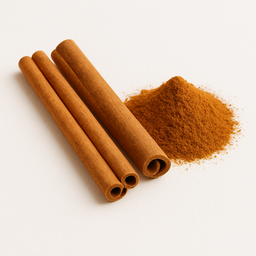 Cinnamon
 Pectin + cinnamon polyphenols dampen the glycemic response
Technical: Pear contains 3.1g pectin per 100g, a soluble fiber that slows gastric emptying and dampens glycemic response. Cinnamon contains methylhydroxychalcone polymer (MHCP) that activates insulin receptors and increases glucose uptake in cells. The combination provides a dual mechanism: pectin slows carbohydrate absorption, cinnamon accelerates glucose uptake — two complementary pathways for glycemic balance.
What does this mean for you? Sprinkle cinnamon on pear slices as snack or dessert. The pear provides fiber and sweetness, the cinnamon adds warmth and dampens the sugar peak. Use Ceylon cinnamon for the best result.
Pear 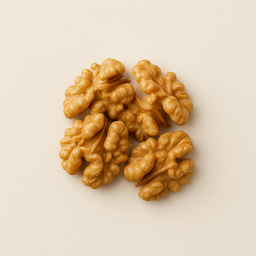 Walnuts
 Fiber + omega-3 for normal blood cholesterol
Technical: Pear provides 3.1g soluble fiber (pectin) per 100g that binds bile acids in the gut lumen. Walnuts contain 9.1g alpha-linolenic acid (ALA, omega-3) per 100g; alpha-linolenic acid contributes to the maintenance of normal blood cholesterol levels (EFSA). The combination works via two complementary mechanisms: pectin binds bile acids, omega-3 modulates lipid pathways in the blood.
What does this mean for you? Combine pear and walnuts in a salad or as a snack. The fiber from pear and the omega-3 from walnuts work through complementary routes — stronger together than apart.
Recipes with Pear
Discover delicious recipes featuring pear:
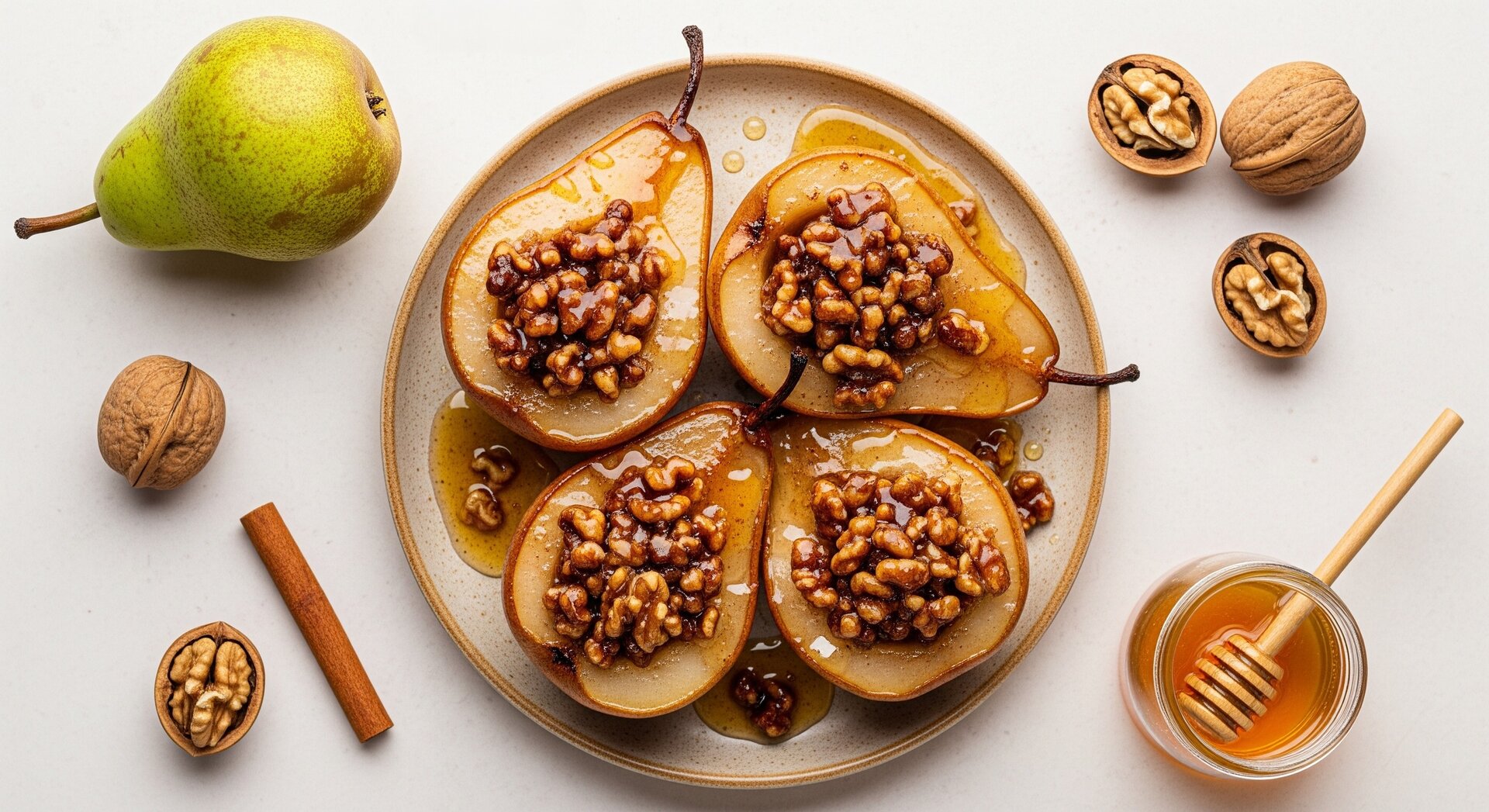 Baked Pears with Walnuts, Cinnamon and Honey 40 min Elegant autumnal dessert of stuffed oven-baked pears
  249 kcal
  3g protein 2 synergies
  In the Kitchen
Storage
Location:Refrigerator
Shelf life:5-7 dagen rijp, 2-3 weken onrijp bij kamertemperatuur
Let unripe pears ripen at room temperature. Store ripe pears in the refrigerator to slow spoilage. Eat with the peel for extra fibre and plant compounds.
Preparation
Eat pear fresh and raw with the peel, poach in red wine with cinnamon, bake with honey or grill briefly for salads.
Substitutes
Smart preparation
1Poach firm pears in wine, tea or syrup until translucent.
2Place cut pear in water with lemon juice to limit browning.
3Check ripeness by gently pressing near the stem.
Why?
Pears ripen from the inside out; the area near the stem often best indicates ripeness.
Caution / Warnings
Pear is very safe, but there are scientific considerations:
Fructose intolerance / IBS Moderate
Pear contains relatively high sorbitol, a sugar alcohol that may trigger gas, bloating or cramping in sensitive people.
Advice:
Start with a small portion, such as half a pear, and observe your response. With FODMAP sensitivity, a small cooked portion may be better tolerated.
Dental sensitivity Mild
Pear contains natural fruit acids that may temporarily make tooth enamel more sensitive, especially with very frequent consumption.
Advice:
Rinse your mouth with water after eating. Wait about 30 minutes before brushing your teeth.
Traditional use
Traditional Chinese Medicine
Chinese culinary tradition around pear
In Chinese food culture, pear has long been associated with cooling and moistening preparations. Steamed pear with honey is a well-known traditional dish.
Summary
Pear is a sweet, juicy fruit and a source of fibre. The peel in particular contains pectin and polyphenols such as arbutin and chlorogenic acid. Eat pear with the peel if you want the full fruit matrix.