Hibiscus
Ruby-red karkade for refreshing tea
What is this ingredient?
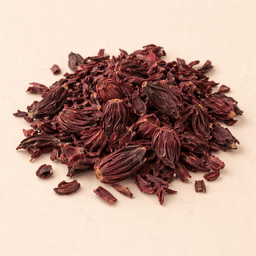
Hibiscus sabdariffa, known as karkade in the Middle East and sorrel in the Caribbean, has been enjoyed for centuries as a tart, ruby-red drink. The dried calyces give tea, iced tea, syrups and festive drinks a distinct cranberry-like acidity and a deep color.
## Anthocyanins and organic acids
The red color mainly comes from anthocyanins, a group of plant pigments also found in red and blue fruits. Hibiscus also contains organic acids that create its typical fresh taste. This makes it pair well with mint, citrus, ginger, cinnamon and honey.
## Research on hibiscus
Hibiscus sabdariffa has been examined in human studies and review papers, especially around vascular function, lipid metabolism and its use as herbal tea. For Tayb, the public text stays educational and factual: hibiscus is mainly interesting as a caffeine-free, colorful drink with a recognizable tart taste and natural polyphenols.
How does it taste?
Tart and fresh with cranberry-like notes, a floral aroma and a dry finish.
Pairs well with:
Pairs well with mintgingerhoneycitruscinnamon and red berries.
Did you know...?
- Hibiscus flowers are used in more than 20 countries to make tea, iced tea or festive drinks.
- The hibiscus is the national flower of Malaysia and appears on some coins and official symbols.
Nutritional Value & Energy
Per 100g
Hibiscus is low in calories thanks to natural nutrients , buffered by fiber.
Per 100g
Minerals
Vitamins
Omega-3 fatty acids
More nutrients
Trace Minerals
What's in a serving?
1 tablespoon (for a pot of tea)
Hibiscus naturally contains iron (8.6 mg per 100 g dried). At typical use as a tea ingredient, the contribution per cup is limited.
% of daily reference intake (DRI)
EU-approved nutrition claims
There are currently no EFSA-authorized health claims specific to hibiscus. Various applications for herbs and spices have been submitted but not yet assessed (botanical 'on hold' list).
Comparison
vsspinazie
Hibiscus contains more iron per 100 g than spinach, but much less hibiscus is used at one time.
vsmelk
Hibiscus contains more calcium per 100 g than milk, but a cup of tea uses only a small amount of dried calyces.
What's being researched?
Hibiscus in cardiovascular research
Hibiscus sabdariffa is examined in studies on vascular function, arterial pressure measurements and lipid metabolism. The public explanation therefore stays neutral: it is an herbal tea with natural anthocyanins and a clear tart taste.
Supported by: [2] McKay (2010) , [1] Serban (2015) , [4] Hopkins (2013)
Good Combinations (Synergy)
Combine hibiscus smartly to enhance the effect:
Hibiscus 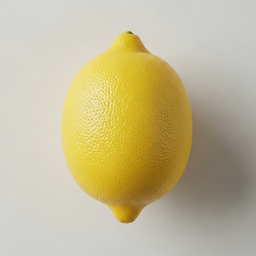 Lemon
Lemon Vitamin C protects anthocyanins against oxidative degradation
Ascorbic acid protects anthocyanins against oxidative degradation and preserves bioactivity
Technical: Anthocyanins from hibiscus are sensitive to oxidation and lose their bioactivity. Vitamin C from lemon acts as antioxidant protecting these anthocyanins, keeping them stable longer and better preserving their cardiovascular bioactive properties.
What does this mean for you? Add lemon juice to hibiscus tea to protect the anthocyanins. This better preserves the cardiovascular properties.
Hibiscus 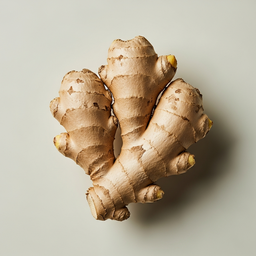 Ginger
 Complementary vascular support via ACE modulation and bioactive action
Hibiscus anthocyanins inhibit ACE and lower blood pressure 7.6/3.5 mmHg (PMID: 25875025)
Technical: Hibiscus anthocyanins modulate angiotensin-converting enzyme (ACE), supporting blood pressure. Gingerol from ginger inhibits thromboxane synthase, influencing platelet aggregation. Together they offer complementary vascular support via two independent pathways.
What does this mean for you? Hibiscus tea with ginger is a delicious combination. The hibiscus modulates ACE, the ginger influences platelets — together a broad flavor and compound profile.
Hibiscus 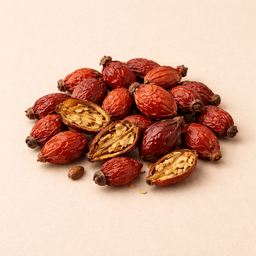 Rosehip
 Complementary vascular support via ACE modulation and antioxidants
Hibiscus anthocyanins reduce systolic blood pressure by 7.5mmHg (PMID: 34927694)
Technical: Anthocyanins from hibiscus modulate the ACE enzyme, supporting blood pressure. Rose hip contains 426mg vitamin C per 100g plus flavonoids that support collagen and provide vascular polyphenols. Together they offer complementary vascular support.
What does this mean for you? Hibiscus-rose hip tea is a fresh, tart tea full of antioxidants. The two ingredients support your blood vessels via two independent pathways.
Recipes with Hibiscus
Discover delicious recipes featuring hibiscus:
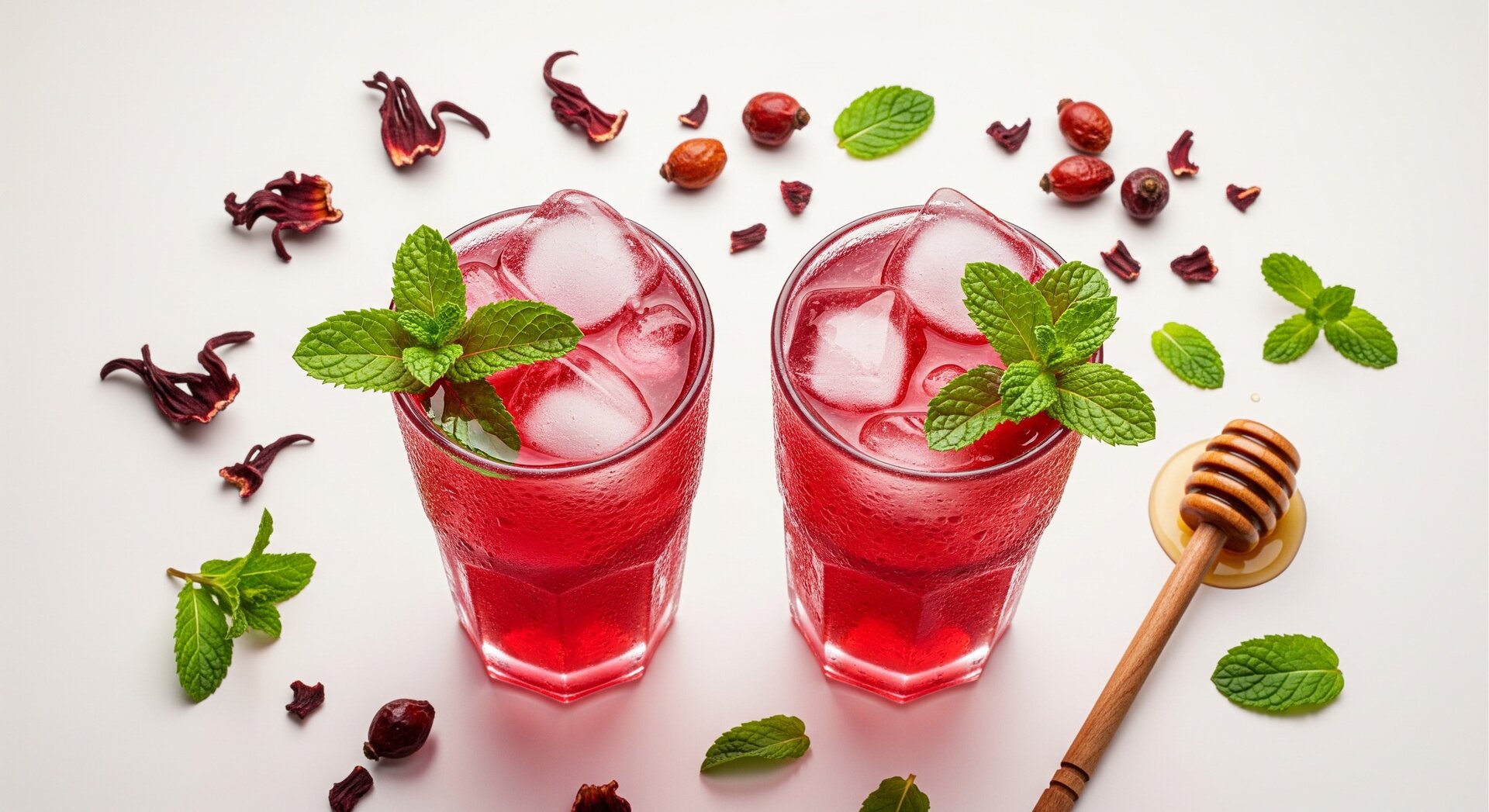 Hibiscus Rosehip Iced Tea 15 min Cold floral tea with hibiscus and rosehip
  50 kcal
  0g protein 1 synergies
  In the Kitchen
Storage
Location:Pantry
Shelf life:1-2 jaar droog en donker bewaard
Store dried calyces in an airtight jar, dry and away from light. This helps preserve the ruby-red color, floral aroma and tart taste.
Preparation
Use 1–2 tablespoons dried calyces per 250 ml. Pour over boiling water and steep for 5–10 minutes; the longer it steeps, the more tart and deeper in color it becomes. For iced tea, let the infusion cool or cold-brew it.
Conversions
Substitutes
Smart preparation
1Steep dried hibiscus flowers in boiling water for 5–10 minutes for a deep color.
2Add sugar or honey only after brewing.
Why?
This lets you balance acidity and sweetness separately.
3Use hibiscus tea cold as a base for summer drinks.
Caution / Warnings
Hibiscus is very safe, but there are scientific considerations:
Blood pressure medication (ACE inhibitors) Severe
Hibiscus is discussed in research in relation to the same regulatory pathway targeted by some blood pressure medication. Regular use as a strong tea may therefore be relevant for people taking such medication.
Advice:
Do you use ACE inhibitors such as enalapril, lisinopril or captopril? Consult a doctor before drinking strong hibiscus tea every day.
Low blood pressure (hypotension) Moderate
For people sensitive to low blood pressure or dizziness, daily use of concentrated hibiscus tea may feel unfavorable.
Advice:
With dizziness, fainting or known hypotension: limit concentrated hibiscus tea and ask a doctor for personal advice.
Pregnancy Moderate
Safety data for concentrated hibiscus preparations during pregnancy are limited.
Advice:
Avoid concentrated hibiscus preparations during pregnancy as a precaution.
Traditional use
African
Bissap in West Africa
Hibiscus flowers have been used for centuries in West Africa to prepare bissap, a deep red drink enjoyed cold or warm at celebrations and in daily life.
Islamic tradition
Karkadé in the Middle East
In Egypt and the Levant, hibiscus tea is known as karkadé. It has a long tradition as a refreshing drink, especially during Ramadan, family visits and hospitality rituals.
Summary
Hibiscus is ideal for a caffeine-free, ruby-red tea with a fresh cranberry-like tartness. Use 1–2 tablespoons dried calyces per cup and steep for 5–10 minutes; cold brewing gives a softer taste. It is delicious with mint, citrus, ginger or a little honey. If you use blood pressure medication or often feel dizzy, do not start a concentrated daily routine without personal advice.