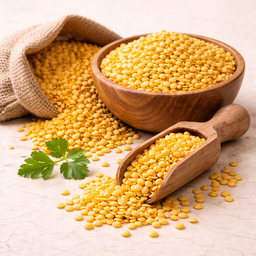
Yellow lentils
Gentle dal lentils
What is this ingredient?
Yellow lentils are mild, hulled legumes often used in South Asian cooking for dal, soups and curries. They soften quickly, do not need soaking and naturally give dishes a creamy texture.
## Nutritional value
Yellow lentils are naturally high in protein and fibre, while being low in fat, sugar and sodium. They also provide folate, iron, zinc and potassium. Folate contributes to normal blood formation and has a role in the process of cell division. Iron contributes to normal energy-yielding metabolism and to normal oxygen transport in the body.
## Digestibility
The hulled dal form has a lighter texture than many whole legumes. Rinsing well and cooking until fully soft gives a smoother texture and can make them more comfortable for people who are sensitive to legumes.
## Preparation
Yellow lentils usually cook in 15-20 minutes. They naturally break down into a creamy base for dal, soups, stews and curries. Pair with tomato, lemon or other vitamin C-rich ingredients for a fresh taste and better absorption of plant-based iron.
How does it taste?
Mild and gently sweet; they quickly cook down into a creamy puree.
Pairs well with:
Pairs well with turmericcumincoconut milktomato and cilantro.
Did you know...?
- Yellow lentils are often hulled and split lentils, which is why they cook faster.
- In many South Asian cuisines, dal refers both to pulses and to the dish made with them.
Nutritional Value & Energy
Per 100g
Yellow lentils provides energy thanks to natural nutrients , buffered by fiber.
Per 100g
Minerals
Vitamins
Omega-3 fatty acids
More nutrients
B-Vitamins
Trace Minerals
Low GI means blood sugar doesn't spike quickly.
What's in a serving?
1 serving (dry)
Yellow lentils naturally contain iron (6.5 mg per 100 g).
Yellow lentils naturally contain zinc (3.3 mg per 100 g).
Yellow lentils naturally contain potassium (677 mg per 100 g).
Yellow lentils naturally contain folate (479 mcg per 100 g).
% of daily reference intake (DRI)
EU-approved nutrition claims
This ingredient contains nutrients for which EFSA-authorized health claims exist (at nutrient level, not ingredient-specific).
Approved health claims (EU)
Zinc EU 432/2012
Zinc contributes to the normal function of the immune system
Contains 3.3mg/100g (threshold: ≥1.5mg/100g)
Zinc EU 432/2012
Zinc contributes to the maintenance of normal skin
Contains 3.3mg/100g (threshold: ≥1.5mg/100g)
Iron EU 432/2012
Iron contributes to normal energy-yielding metabolism
Contains 6.5mg/100g (threshold: ≥2.1mg/100g)
Iron EU 432/2012
Iron contributes to the reduction of tiredness and fatigue
Contains 6.5mg/100g (threshold: ≥2.1mg/100g)
Potassium EU 432/2012
Potassium contributes to the maintenance of normal blood pressure
Contains 677mg/100g (threshold: ≥300mg/100g)
Folate EU 432/2012
Folate contributes to normal blood formation
Contains 479mcg/100g (threshold: ≥30mcg/100g)
Folate EU 432/2012
Folate contributes to normal amino acid synthesis
Contains 479mcg/100g (threshold: ≥30mcg/100g)
Folate EU 432/2012
Folate contributes to normal homocysteine metabolism
Contains 479mcg/100g (threshold: ≥30mcg/100g)
Folate EU 432/2012
Folate contributes to normal psychological function
Contains 479mcg/100g (threshold: ≥30mcg/100g)
Folate EU 432/2012
Folate contributes to the normal function of the immune system
Contains 479mcg/100g (threshold: ≥30mcg/100g)
Folate EU 432/2012
Folate has a role in the process of cell division
Contains 479mcg/100g (threshold: ≥30mcg/100g)
Folate EU 432/2012
Folate contributes to maternal tissue growth during pregnancy
Contains 479mcg/100g (threshold: ≥30mcg/100g)
Iron EU 432/2012
Iron contributes to normal cognitive function
Contains 6.5mg/100g (threshold: ≥2.1mg/100g)
Iron EU 432/2012
Iron contributes to normal formation of red blood cells and haemoglobin
Contains 6.5mg/100g (threshold: ≥2.1mg/100g)
Iron EU 432/2012
Iron contributes to normal oxygen transport in the body
Contains 6.5mg/100g (threshold: ≥2.1mg/100g)
Iron EU 432/2012
Iron contributes to the normal function of the immune system
Contains 6.5mg/100g (threshold: ≥2.1mg/100g)
Iron EU 432/2012
Iron has a role in the process of cell division
Contains 6.5mg/100g (threshold: ≥2.1mg/100g)
Zinc EU 432/2012
Zinc contributes to normal acid-base metabolism
Contains 3.3mg/100g (threshold: ≥1.5mg/100g)
Zinc EU 432/2012
Zinc contributes to normal carbohydrate metabolism
Contains 3.3mg/100g (threshold: ≥1.5mg/100g)
Zinc EU 432/2012
Zinc contributes to normal cognitive function
Contains 3.3mg/100g (threshold: ≥1.5mg/100g)
Zinc EU 432/2012
Zinc contributes to normal DNA synthesis
Contains 3.3mg/100g (threshold: ≥1.5mg/100g)
Zinc EU 432/2012
Zinc contributes to normal fertility and reproduction
Contains 3.3mg/100g (threshold: ≥1.5mg/100g)
Zinc EU 432/2012
Zinc contributes to normal macronutrient metabolism
Contains 3.3mg/100g (threshold: ≥1.5mg/100g)
Zinc EU 432/2012
Zinc contributes to normal metabolism of fatty acids
Contains 3.3mg/100g (threshold: ≥1.5mg/100g)
Zinc EU 432/2012
Zinc contributes to normal metabolism of vitamin A
Contains 3.3mg/100g (threshold: ≥1.5mg/100g)
Zinc EU 432/2012
Zinc contributes to normal protein synthesis
Contains 3.3mg/100g (threshold: ≥1.5mg/100g)
Zinc EU 432/2012
Zinc contributes to the maintenance of normal bones
Contains 3.3mg/100g (threshold: ≥1.5mg/100g)
Zinc EU 432/2012
Zinc contributes to the maintenance of normal hair
Contains 3.3mg/100g (threshold: ≥1.5mg/100g)
Zinc EU 432/2012
Zinc contributes to the maintenance of normal nails
Contains 3.3mg/100g (threshold: ≥1.5mg/100g)
Zinc EU 432/2012
Zinc contributes to the maintenance of normal testosterone levels in the blood
Contains 3.3mg/100g (threshold: ≥1.5mg/100g)
Zinc EU 432/2012
Zinc contributes to the maintenance of normal vision
Contains 3.3mg/100g (threshold: ≥1.5mg/100g)
Zinc EU 432/2012
Zinc contributes to the protection of cells from oxidative stress
Contains 3.3mg/100g (threshold: ≥1.5mg/100g)
Zinc EU 432/2012
Zinc has a role in the process of cell division
Contains 3.3mg/100g (threshold: ≥1.5mg/100g)
Potassium EU 432/2012
Potassium contributes to normal functioning of the nervous system
Contains 677mg/100g (threshold: ≥300mg/100g)
Potassium EU 432/2012
Potassium contributes to normal muscle function
Contains 677mg/100g (threshold: ≥300mg/100g)
Comparison
vsspinazie
Yellow lentils contain about 2× more iron per 100 g than spinach.
vsbanaan
Yellow lentils contain about 2× more potassium per 100 g than banana.
vsspinazie
Yellow lentils contain about 2× more folate per 100 g than spinach.
What's being researched?
Yellow lentils and meal response
Research is looking at how lentils in meals influence glycemic response. Studies compare, among other things, what happens when starchy side dishes are partly replaced with lentils.
Supported by: [2] Livesey G (2019)
Good Combinations (Synergy)
Combine yellow lentils smartly to enhance the effect:
Yellow lentils 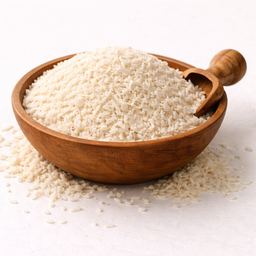 Rice
Rice Lentils + rice together form a complete protein profile
Technical: Yellow lentils are rich in lysine but low in methionine, while rice contains plenty of methionine but little lysine. Together they provide all essential amino acids in proper ratios — comparable to animal protein.
What does this mean for you? Dal with rice (khichdi) has been a staple meal in India for thousands of years — and rightly so. It's a complete protein without meat.
Yellow lentils 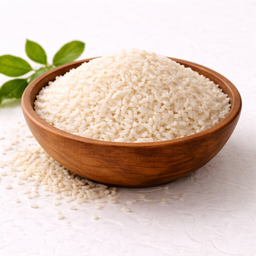 Jasmine Rice
 Lentils + rice together form a complete protein profile
Technical: Yellow lentils are rich in lysine but low in methionine, while rice contains plenty of methionine but little lysine. Together they provide all essential amino acids in proper ratios — comparable to animal protein.
What does this mean for you? Dal with rice (khichdi) has been a staple meal in India for thousands of years — and rightly so. It's a complete protein without meat.
Yellow lentils 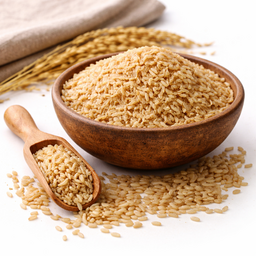 Brown Rice
 Lentils + rice together form a complete protein profile
Technical: Yellow lentils are rich in lysine but low in methionine, while rice contains plenty of methionine but little lysine. Together they provide all essential amino acids in proper ratios — comparable to animal protein.
What does this mean for you? Dal with rice (khichdi) has been a staple meal in India for thousands of years — and rightly so. It's a complete protein without meat.
Yellow lentils 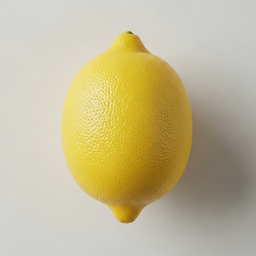 Lemon
Lemon Vitamin C increases iron absorption from lentils up to 6x
Technical: Yellow lentils (moong dal) contain 3.3mg non-heme iron per 100g (cooked). Vitamin C from lemon reduces ferric iron (Fe³⁺) to ferrous iron (Fe²⁺), the form the intestine can absorb. This increases bioavailability of plant-based iron by 300-600%.
What does this mean for you? Always squeeze a lemon over your dal or lentil soup — it makes a huge difference for iron absorption, especially as a vegetarian.
Yellow lentils 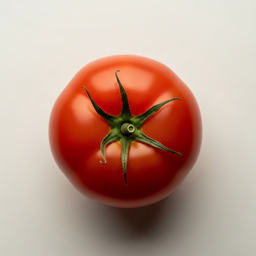 Tomato
 Tomato increases iron absorption from lentils
Technical: Tomatoes contain both vitamin C (14mg/100g) and citric acid, which together reduce non-heme iron from yellow lentils to the absorbable Fe²⁺ form. The citric acid chelates iron and keeps it soluble in the intestine.
What does this mean for you? Tarka dal with tomato is not just tasty — the tomato triples iron absorption from the lentils. A classic Indian combination with scientific basis.
Recipes with Yellow lentils
Discover delicious recipes featuring yellow lentils:
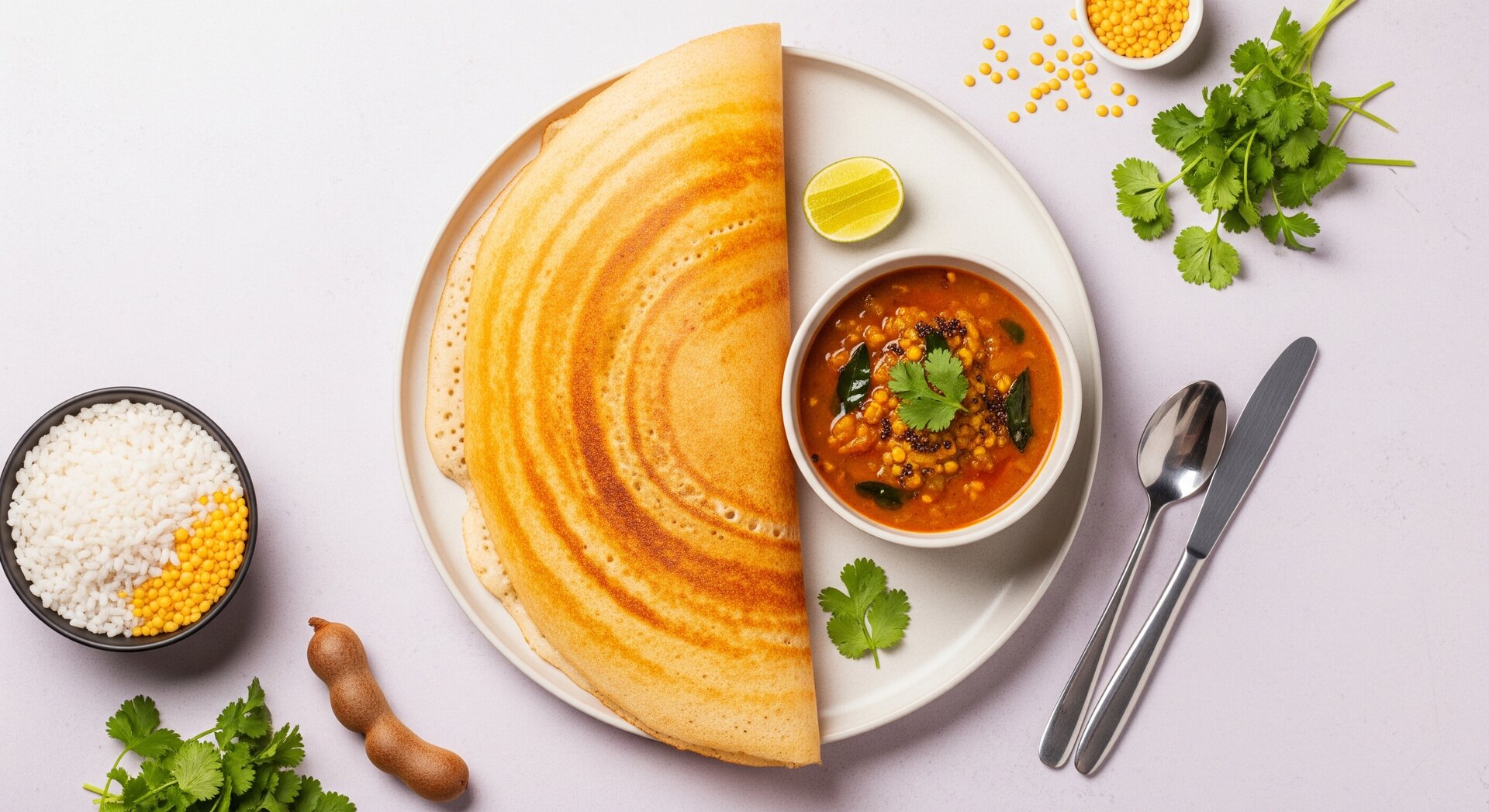 Indian Dosa with Sambar 45 min Crispy rice-lentil pancake with spicy vegetable stew
  591 kcal
  22g protein 1 synergies
 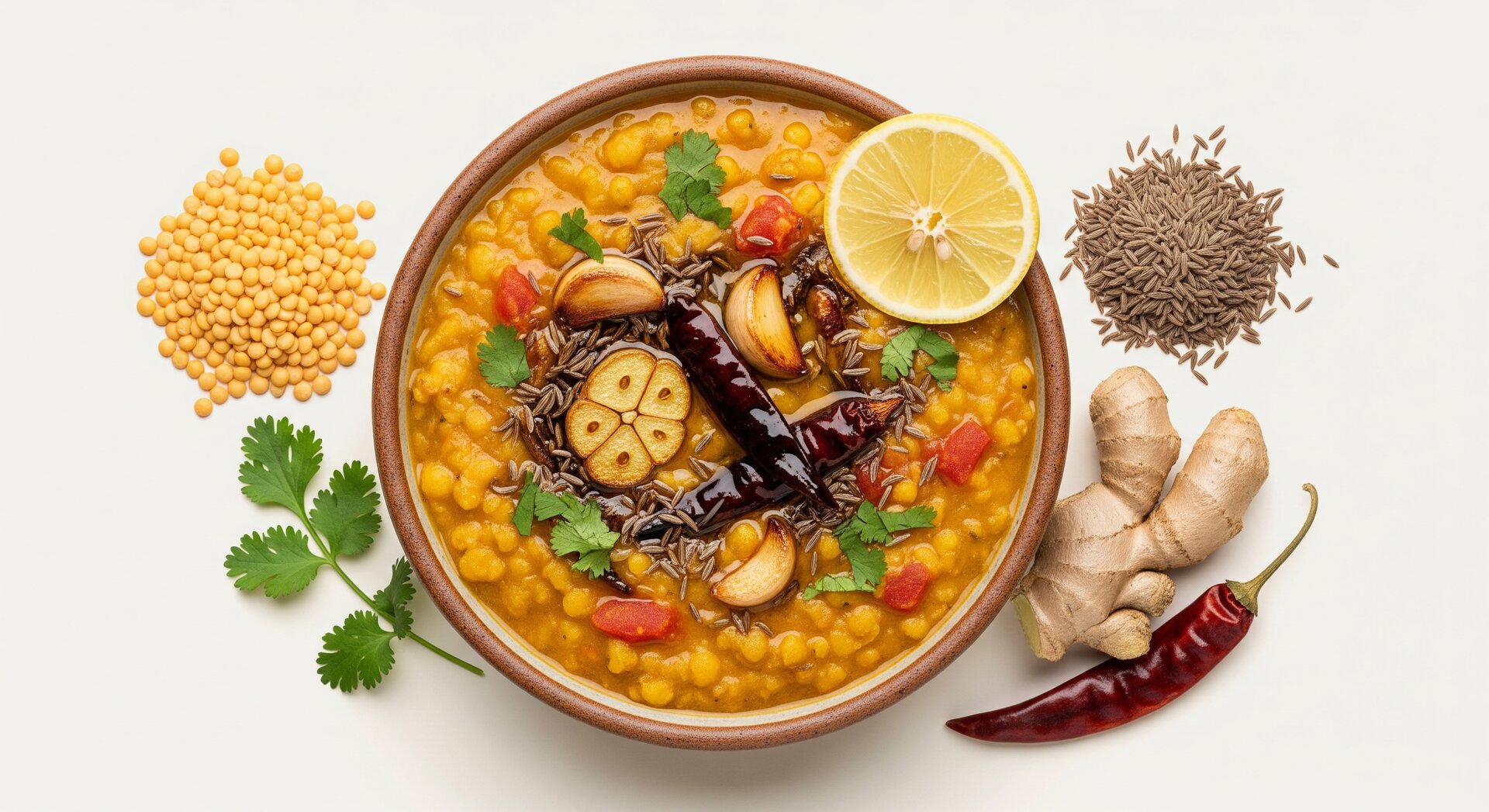 Indian Tarka Dal 40 min Creamy lentil curry with aromatic spice tempering 340 kcal 16g protein 1 synergies
 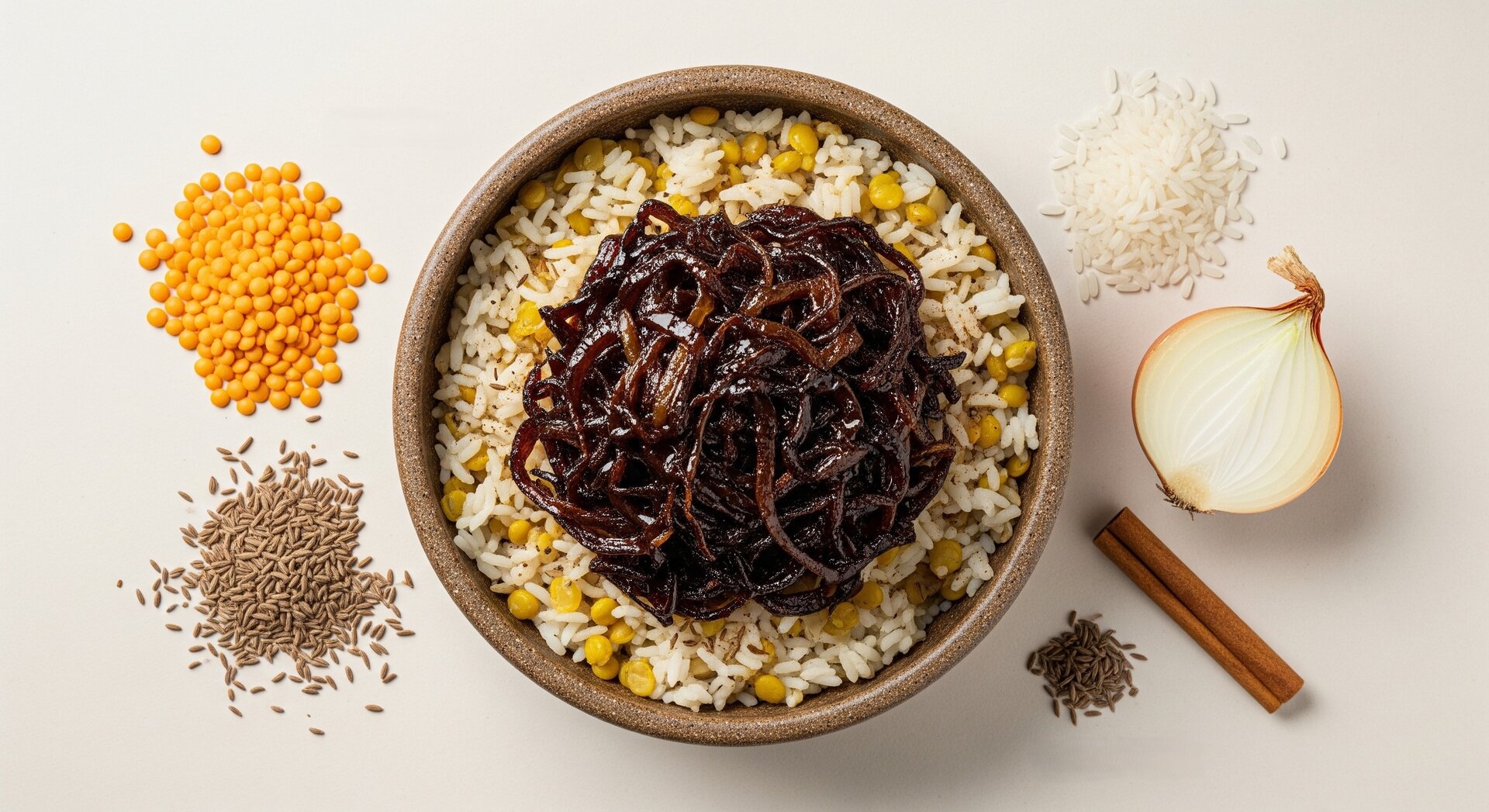 Lebanese Mujadara with Lentils, Rice and Caramelized Onions 60 min Lebanese classic of lentils and rice with slowly caramelized onions and cumin 340 kcal 15g protein 1 synergies
 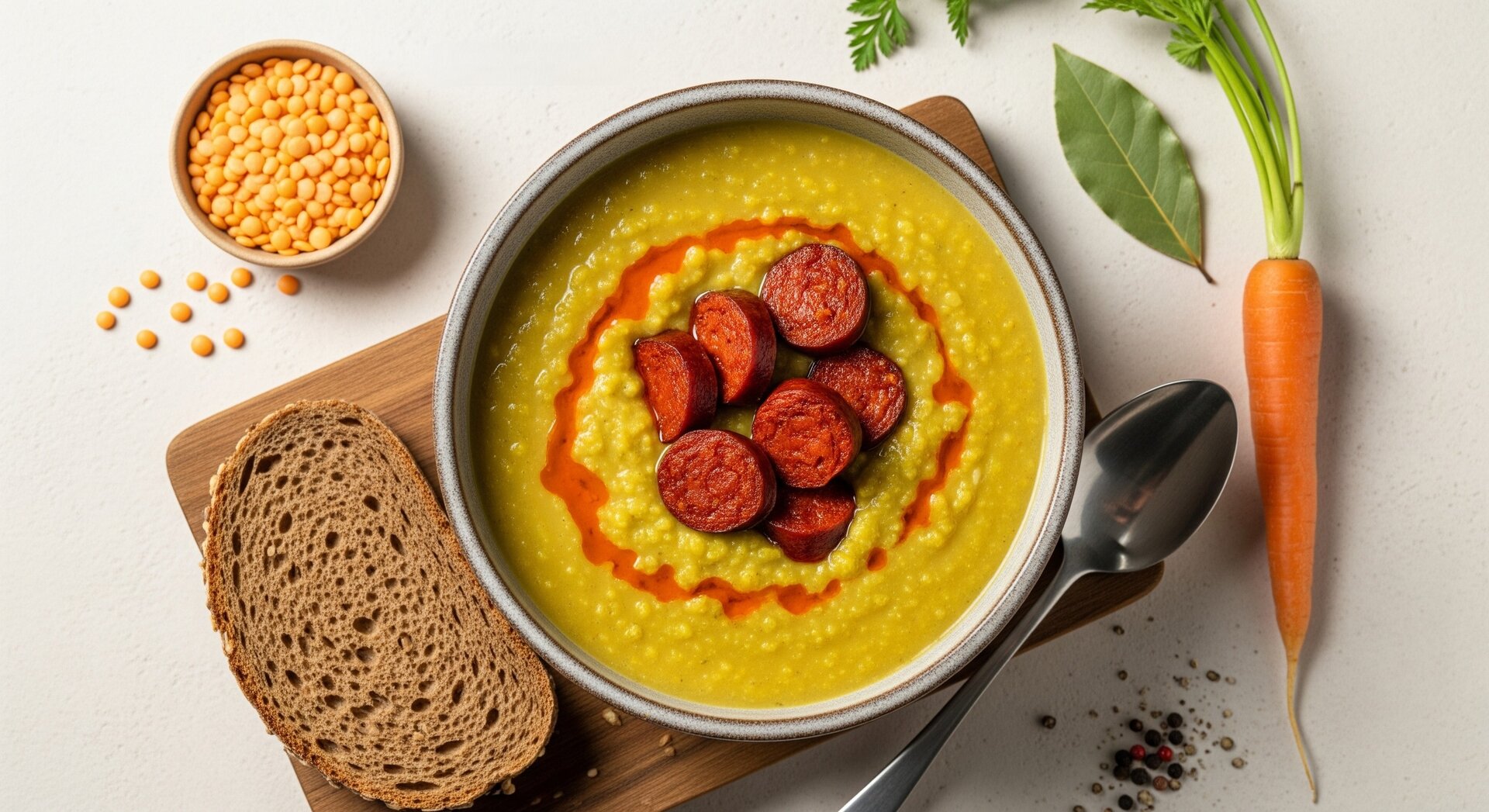 Snert-Style Yellow Lentil Soup with Merguez and Rye Bread 80 min Thick winter soup with spicy sausage, vegetables and dark rye bread 735 kcal 36g protein 1 synergies
  In the Kitchen
Storage
Location:Pantry
Shelf life:1-2 jaar droog
Store dry and dark in an airtight container. Cooked: up to 5 days in the fridge or 3 months in the freezer.
Preparation
No soaking needed. Rinse and cook for 15-20 minutes in about 3 parts water. They naturally break down into a creamy puree. Preferably add salt after cooking.
Conversions
Substitutes
Smart preparation
1Rinse yellow lentils until the water runs clear.
Why?
This removes dust and foam-forming starch.
2Yellow lentils are done in 15-20 minutes and break down on their own.
Why?
Ideal for dal, soups and sauces.
3Add spices to the cooking water for more flavour.
Caution / Warnings
Yellow lentils is very safe, but there are scientific considerations:
Irritable bowel syndrome (IBS) Mild
Legumes contain FODMAPs that may cause gas or discomfort in sensitive people. Yellow lentils often have a gentler texture than many whole legumes.
Advice:
Start with small portions (2-3 tablespoons). Cook them thoroughly and build up gradually.
Traditional use
Ayurveda
Daily dal in Ayurvedic cooking
In Ayurvedic cooking, yellow lentils are often used as a gentle base for dal. With rice, spices and vegetables, they form a simple, nourishing dish.
Summary
Yellow lentils are mild, quick to cook and useful for dhal, soup and curry. They do not need soaking and become creamy-soft in about 15-20 minutes. They are high in protein and fibre and provide folate, iron, zinc and potassium. Tip: add lemon, tomato or bell pepper for fresh flavour and better absorption of plant-based iron.