- Easy
- 45 min
- 3 serv.
- 9 synergies
- Now at its best: Spinach
A traditional Ayurvedic one-pot dish of basmati rice and split mung beans, gently simmered with turmeric, cumin, coriander seeds and fresh ginger. Light, digestible and comforting — the ultimate comfort dish from Indian cuisine.
Simplicity that says it all. Kitchari is the dish Indian cuisine falls back on when the body craves something gentle and comforting — after a hectic week, during changeable weather, or simply because it can. Basmati rice and split mung beans cook together into a creamy porridge that sits somewhere between risotto and soup. The spices do the work: cumin seeds crackle in the hot ghee, coriander seeds lend a citrusy undertone, turmeric tints everything warm gold, and fresh ginger brings just enough sharpness. At the end, a squeeze of lime and a handful of chopped cilantro — it doesn't need to be more. This is food at its purest, without fuss, and yet every spoonful is full of flavour.
- 10
- min prep
- 35
- min cook
- 45
- min total
Nutritional Synergies
This recipe combines ingredients that enhance each other:
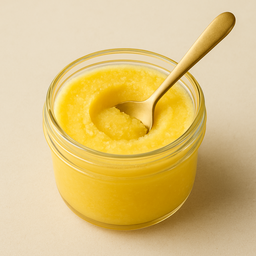 Ghee
Ghee 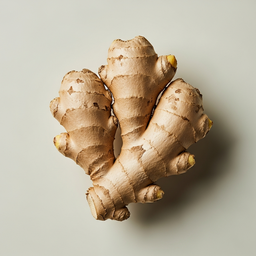 Fresh ginger
 Ayurvedic digestive: gingerols + butyrate via complementary pathways
Technical: Ginger contains gingerols and shogaols that activate digestive enzymes and speed up gastric emptying. Ghee contains butyrate that nourishes gut epithelial cells. In the Ayurvedic tradition, this combination is used to activate 'agni' (digestive fire) and to better absorb fat-soluble gingerols.
What does this mean for you? Briefly sauté fresh ginger in ghee at the start of a meal, or add both to your rice or vegetables. This is a traditional Ayurvedic combination that combines two complementary pathways for your digestion.
DigestionAnti-inflammatory
Ghee 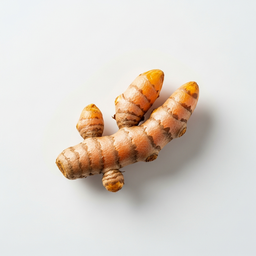 Turmeric
 Traditional Ayurvedic combination for maximum curcumin absorption
Technical: Curcumin is fat-soluble with only ~1% bioavailability without dietary fat. Ghee contains short- and medium-chain fatty acids that are rapidly absorbed, plus butyrate that nourishes gut epithelial cells. The saturated fats in ghee form stable micelles that make curcumin 7-8x more absorbable. In the Ayurvedic tradition, turmeric has been combined with ghee for 3000+ years (haldi doodh).
What does this mean for you? Melt a teaspoon of ghee and stir in turmeric and black pepper — this is the basis of 'golden milk' and one of the oldest food combinations in the world. Without the fat, you absorb almost none of the curcumin.
Anti-inflammatoryJoints
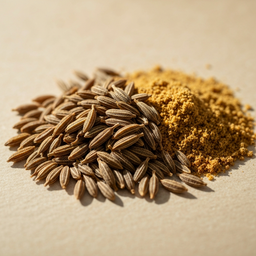 Cumin seeds Turmeric
 Classic curry base with enhanced digestion
Technical: Cumin promotes production of digestive enzymes (amylase, lipase, protease) and increases bile flow. Turmeric's curcumin modulates NF-κB and COX-2 signal transduction and supports hepatobiliary activity via bile stimulation. Together they provide enhanced digestion + bioactive action.
What does this mean for you? Cumin + turmeric is the base of every curry. The cumin promotes your digestion, the turmeric adds bioactive action — the perfect combination for a nutritious curry.
DigestionAnti-inflammatory
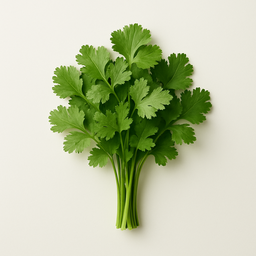 Fresh cilantro Turmeric
 Linalool + curcumin for enhanced bioactive action
Technical: Coriander's linalool and coriander oil are studied in relation to lipoxygenase modulation. Turmeric's curcumin modulates NF-κB and COX-2 signal transduction. Together they cover more bioactive signaling pathways than each herb alone.
What does this mean for you? Use coriander and turmeric together in curries and Indian dishes — a traditional combination that is scientifically supported.
Anti-inflammatoryDigestionAntioxidants
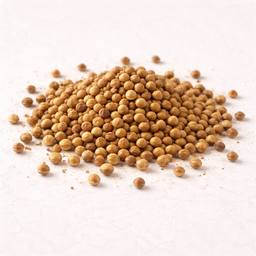 Coriander seeds Cumin seeds
 Linalool + cuminaldehyde for digestion and biotransformation
Technical: Coriander seed contains linalool (60-80% of oil) that acts antispasmodically on the GI tract and promotes bile flow. Cumin's cuminaldehyde (25-35%) promotes pancreatic enzyme activity (amylase, lipase, protease) by 20-30%. Together they promote the complete digestive cascade: coriander seed promotes bile flow (fat digestion), cumin activates pancreatic enzymes (protein/starch digestion). Studies show the combination meaningfully reduces gas formation.
What does this mean for you? Coriander seed + cumin is the Indian digestive duo (jeera-dhaniya). Dry toast both seeds in a pan for maximum aroma development and add to dal, curry or rice.
DigestionAntioxidants
Turmeric Fresh ginger Enhanced bioactive action via two pathways
Technical: Turmeric and ginger belong to the same plant family (Zingiberaceae). Curcumin (turmeric) modulates NF-kB, while gingerol (ginger) modulates COX-2 and LOX (lipoxygenase). Because they target different signaling pathways, they enhance each other's bioactive action.
What does this mean for you? Turmeric + ginger in curry, soup or tea — two related spices that work bioactively via different pathways. Broader together than alone.
Anti-inflammatoryJoints
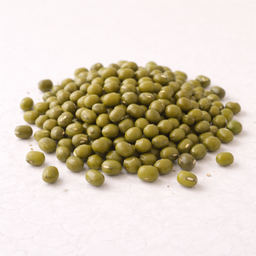 Split mung beans
 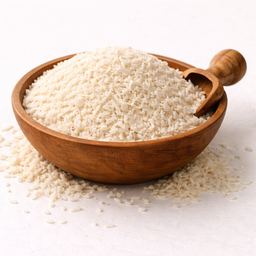 Basmati rice
 Complete protein combination with low glycemic index
Technical: Mung beans are rich in lysine but low in methionine; rice is the opposite. Together they form a complete protein with all 9 essential amino acids. The low GI of mung beans (31) combined with rice results in a lower total glycemic response than rice alone. This is the basis of khichdi, a traditional Indian comfort food.
What does this mean for you? Combine mung beans with rice for a complete protein meal without meat. You get all the amino acids you need. Perfect for vegetarians, athletes, or just as a healthy meal base.
Muscle GainBlood SugarDigestion
Split mung beans 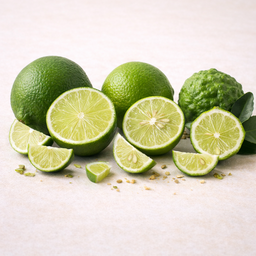 Lime
Lime Citrus significantly increases iron absorption from mung beans
Citrus vitamin C improves iron absorption from plant sources (PMID: 2507689)
Technical: Mung beans are 'light' legumes with 1.4mg non-heme iron per 100g. Lemon (53mg vitamin C) and lime (29mg) convert the poorly absorbable Fe³⁺ to Fe²⁺. This effect is cumulative with mung beans' low glycemic index (GI 31) — you get stable energy AND better mineral absorption.
What does this mean for you? Squeeze half a lemon or lime over your mung bean dish just before serving. This works perfectly in Asian dishes where mung beans are common.
EnergyBlood SugarDigestion
Basmati rice Fresh ginger Ginger lowers glycemic response of rice by 10-15%
Technical: Rice has a moderate to high GI (56-89 depending on variety). Ginger contains gingerols that modulate amylase activity and influence gastric emptying, reducing the glycemic peak by 10-15%. This has been demonstrated for jasmine rice but applies to all rice varieties.
What does this mean for you? Cook ginger slices in your rice or serve rice with ginger dishes. A simple addition with measurable effect on your blood sugar.
Blood SugarDigestionEnergy
Ingredients (11)
+8 more ingredientsInstructions
- 1 Wash rice and mung beans. Soak together 30 min (or skip for faster version).
- 2 Heat ghee in large pot. Fry cumin and coriander seeds until fragrant.
Nutrition per serving
Indicative values per serving.
Timing & Suitability
Shelf life: 4 days in fridge
Tags & Diet
Allergens: Dairy