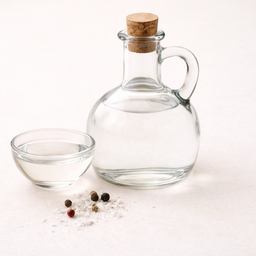
Vinegar
Tangy fermented ingredient for dressings, marinades and quick pickles
What is this ingredient?
Vinegar is much more than a sharp-tasting condiment. It is a fermented ingredient made when alcohol is converted into acetic acid by acetic acid bacteria. That means vinegar can come from many sources: wine, apples, rice, barley, dates, coconut, grape must or other sugar-rich ingredients.
## What makes vinegar distinctive?
Its recognizable taste comes mainly from acetic acid. Most table vinegars contain around 4-8% acetic acid, alongside water and small amounts of aromatic compounds from the original ingredient. Apple cider vinegar can taste fruity, rice vinegar is usually softer and rounder, white vinegar is clean and direct, and balsamic vinegar is darker, sweeter and more complex.
## Research and composition
Vinegar is often studied in nutrition research around starch-rich meals, because acetic acid can influence how starch in a meal is broken down and how the meal response is measured. These findings belong in a research context and do not make vinegar a treatment or a replacement for professional advice. In everyday use, vinegar remains above all a culinary ingredient: strong in flavor, economical to use and easy to combine.
## Culinary use
In cooking, vinegar gives structure to dressings, vinaigrettes, marinades, chutneys, pickles and stews. A small amount can make a rich sauce taste lighter, balance sweetness or make vegetables taste fresher. In quick pickles, vinegar creates a bright acidic base, while in marinades it helps bring herbs, oil, salt and spices together.
## Practical use
Use vinegar in moderation: it is concentrated and acidic, and tastes best when diluted in water, oil, sauce, dressing or cooking liquid. For salads, a classic ratio of about 1 part vinegar to 3 parts oil works well. For quick pickles, vinegar is often combined with water, salt, sugar and spices.
How does it taste?
Sharp and sour with a bright, clean flavor; the intensity ranges from mild and rounded to direct and brisk.
Pairs well with:
Pairs well with olive oilmustardshallothoneyfresh herbslegumescucumber and roasted vegetables.
Did you know...?
- The word vinegar is related to the French ‘vinaigre’, literally meaning ‘sour wine’.
- Many historic vinegars began when wine, cider or other alcoholic drinks stayed in contact with oxygen for too long.
Nutritional Value & Energy
Per 100ml
Vinegar is low in calories thanks to natural nutrients .
Per 100g
Minerals
Vitamins
Omega-3 fatty acids
More nutrients
Trace Minerals
EU-approved nutrition claims
There are currently no EFSA-authorized health claims specific to vinegar.
What's being researched?
Acetic acid and meal response
Acetic acid is studied in nutrition research around starch-rich meals, satiety scores and measured post-meal responses. The results are interesting, but they belong to specific study amounts and research designs.
Supported by: [7] Jafarirad S (2023) , [6] Shishehbor F (2017) , [8] Gheflati A (2019) , [5] Johnston (2005)
Good Combinations (Synergy)
Combine vinegar smartly to enhance the effect:
Vinegar 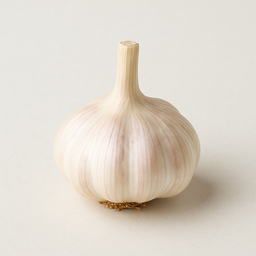 Garlic
 Acetic acid + allicin for bioactive synergy
Technical: Vinegar's acetic acid (5-7%) activates AMPK and modulates the renin-angiotensin system. Garlic's allicin modulates ACE (angiotensin-converting enzyme). Together they work via two complementary pathways on the renin-angiotensin system. Pickled garlic in vinegar retains 80% of allicin's action while becoming milder on the stomach.
What does this mean for you? Make pickled garlic in vinegar as a condiment. After 2 weeks of fermentation the garlic is milder but retains bioactive power. Use as a daily condiment.
Vinegar 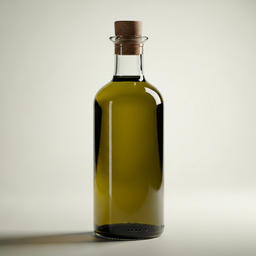 Olive Oil
 Bioactive synergy for food safety
Technical: Acetic acid (pH 2.4-3.4) inhibits bacterial growth by damaging pathogen cell walls. Olive oil polyphenols (oleocanthal, hydroxytyrosol) have independent bioactive action via membrane disruption. Together they show synergistic activity — stronger than either alone. This is the basis of marinades and vinaigrettes.
What does this mean for you? Use vinegar-olive oil marinades not just for flavor but also for food safety. The combination inhibits bacterial growth more effectively than vinegar or olive oil alone.
Vinegar 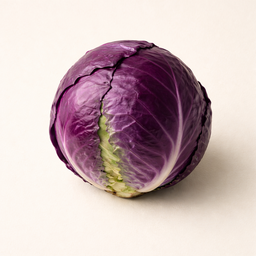 Red Cabbage
 Acetic acid stabilizes anthocyanins and extends shelf life
Technical: Red cabbage's anthocyanins (322mg/100g, mainly cyanidin-3-glucoside) are pH-dependent: stable and bright red at pH <3, unstable and blue-green at pH >7. Acetic acid (5% in vinegar) lowers pH to 2.5-3, keeping anthocyanins in their most stable and bioactive flavylium cation form.
What does this mean for you? Red cabbage with vinegar (Dutch tradition!) is scientifically smart. The acidic environment keeps the purple color intact — and that color IS the bioactive compound. The redder the cabbage, the more active anthocyanins. Without vinegar you lose them during cooking.
Recipes with Vinegar
Discover delicious recipes featuring vinegar:
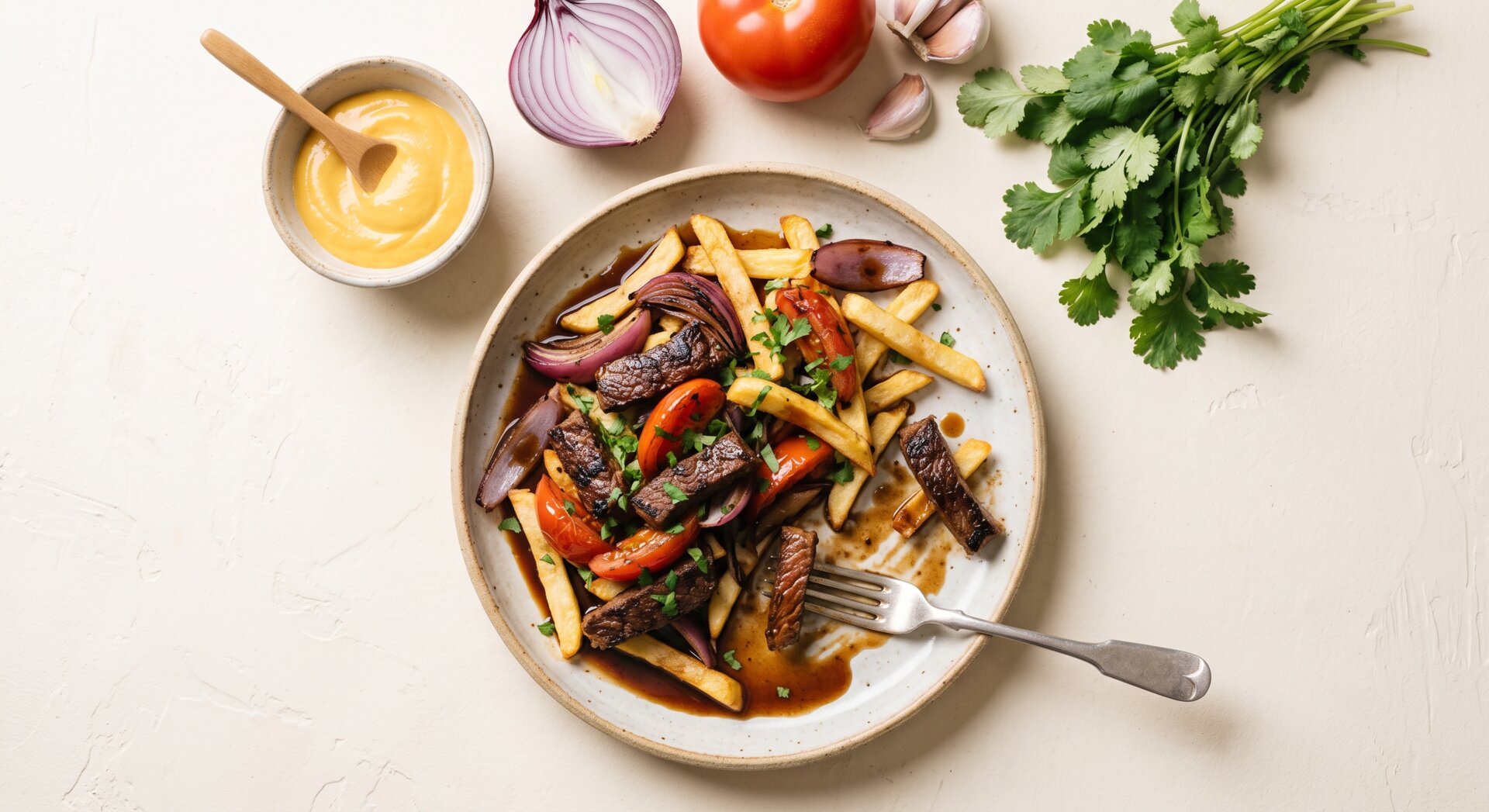 Peruvian Lomo Saltado 45 min Stir-fry with steak, tomato, red onion and crispy potato
  480 kcal
  38g protein 1 synergies
  In the Kitchen
Storage
Location:Pantry
Shelf life:praktisch onbeperkt
Store vinegar in a dark place and keep it tightly closed. Cloudiness or strands in unfiltered vinegar often come from fermentation and are usually normal; use your senses if the smell changes or mold appears.
Preparation
Use vinegar in dressings, marinades, quick pickles and stews. Add it at the end for bright sharpness, or let it cook along when you want the acidity to become softer and rounder.
Conversions
Substitutes
Smart preparation
1Add a splash of vinegar to cooking water for poached eggs.
Why?
The acidity helps the egg white set faster around the yolk.
2Use mild vinegar such as rice or apple cider vinegar for dressings and stronger white vinegar for preserving.
3Add vinegar at the end of stews when you want to keep a fresh acidic lift.
Caution / Warnings
Vinegar is very safe, but there are scientific considerations:
Acid reflux Severe
Vinegar is acidic (pH 2-3) and may worsen sensitivity or a burning sensation. Do not use it undiluted and preferably combine it with food.
Stomach ulcer Severe
The high acidity may irritate the stomach lining. Do not use vinegar during active symptoms without personal advice from a doctor.
Diuretics or insulin Moderate
Vinegar may affect potassium levels and measured meal responses in some people. Discuss regular use with a doctor if you use these medications.
Tooth enamel Mild
Undiluted vinegar can be harsh on tooth enamel because of its acidity. Dilute vinegar, avoid slow sipping and rinse your mouth with water afterwards.
Traditional use
Mediterranean
Vinegar in ancient food cultures
Vinegar was made early by the Babylonians and later widely used by Greeks and Romans as a preservative, seasoning and acidic base for simple drinks and sauces.
Summary
Vinegar is a fermented acidic ingredient with acetic acid as its defining component. Use it in dressings, marinades, pickles and sauces for brightness and balance. Always dilute vinegar for direct use and be cautious with reflux, stomach discomfort or sensitive tooth enamel.