- Medium
- 45 min
- 4 serv.
- 11 synergies
- Now at its best: Potato
A classic Peruvian wok dish where tender steak, tomato, red onion, aji amarillo and crispy potato fries come together in a savoury sauce of tamari and red wine vinegar.
Lomo saltado is a plate full of movement: strips of steak hitting the wok briefly and fiercely, red onion keeping its bite, tomato softening just enough to give its juices to the sauce. Aji amarillo brings that unmistakable Peruvian warmth — fruity, golden and gently spicy — while tamari and red wine vinegar add the deep savoury shine that coats the fries at the end. The beauty of this dish is contrast: crisp potato next to juicy tomato, tender beef next to fresh herbs, smoky wok heat next to a sauce that comes together almost instantly. Serve it straight away, without waiting, because lomo saltado lives from heat, speed and texture.
- 20
- min prep
- 25
- min cook
- 45
- min total
Nutritional Synergies
This recipe combines ingredients that enhance each other:
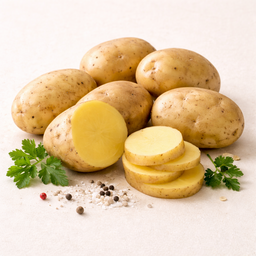 potatoes
  olive oil
 Olive oil improves carotenoid absorption from yellow potatoes
Technical: Yellow potato varieties contain up to 400μg carotenoids per 100g, including lutein and violaxanthin. These are fat-soluble and only 5-10% absorbed without fat. Olive oil's oleic acid (73%) forms mixed micelles increasing absorption up to 3x.
What does this mean for you? Roast or fry potatoes in olive oil — this significantly increases carotenoid absorption. Choose yellow varieties for maximum effect.
General WellnessSkin & Hair
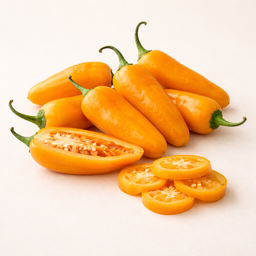 aji amarillo paste
 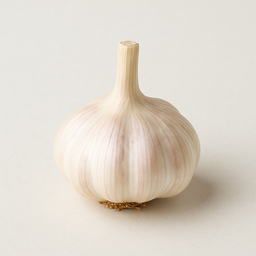 garlic
 Capsaicin + allicin for vascular support
Technical: Aji amarillo's capsaicin stimulates TRPV1 receptors that increase NO (nitric oxide) production — a vasodilator that supports blood pressure. Garlic's allicin modulates ACE and supports cholesterol metabolism. Together they offer vascular support via two independent pathways.
What does this mean for you? Aji amarillo + garlic is the foundation of Peruvian cuisine. The capsaicin and allicin provide broader vascular support together — and it tastes fantastic in ceviche and causa.
HeartAnti-inflammatory
aji amarillo paste 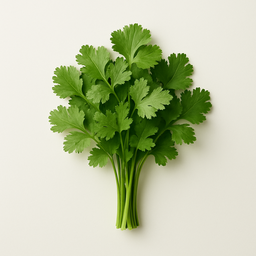 cilantro
 Vitamin C increases capsaicin bioavailability
Technical: Aji amarillo contains capsaicin and beta-carotene (the orange color). Lime provides vitamin C acting as antioxidant protecting capsaicin from oxidation and increasing beta-carotene absorption through reduction. Cilantro adds linalool with bioactive properties. Base of Peruvian ceviche sauces.
What does this mean for you? Combine aji amarillo with lime and cilantro in Peruvian dishes. The lime protects the healthy compounds in the pepper and helps you absorb them better.
Immune SystemAnti-inflammatory
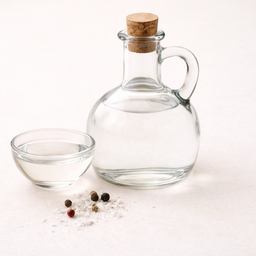 red wine vinegar garlic
 Acetic acid + allicin for bioactive synergy
Technical: Vinegar's acetic acid (5-7%) activates AMPK and modulates the renin-angiotensin system. Garlic's allicin modulates ACE (angiotensin-converting enzyme). Together they work via two complementary pathways on the renin-angiotensin system. Pickled garlic in vinegar retains 80% of allicin's action while becoming milder on the stomach.
What does this mean for you? Make pickled garlic in vinegar as a condiment. After 2 weeks of fermentation the garlic is milder but retains bioactive power. Use as a daily condiment.
HeartImmune System
red wine vinegar olive oil Bioactive synergy for food safety
Technical: Acetic acid (pH 2.4-3.4) inhibits bacterial growth by damaging pathogen cell walls. Olive oil polyphenols (oleocanthal, hydroxytyrosol) have independent bioactive action via membrane disruption. Together they show synergistic activity — stronger than either alone. This is the basis of marinades and vinaigrettes.
What does this mean for you? Use vinegar-olive oil marinades not just for flavor but also for food safety. The combination inhibits bacterial growth more effectively than vinegar or olive oil alone.
Immune SystemDigestion
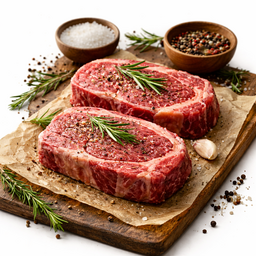 steak garlic
 Garlic reduces AGE formation during high-heat cooking
Garlic inhibits AGE formation when heating meat (PMID: 16366735)
Technical: Grilling meat forms Advanced Glycation End-products (AGEs) that accelerate aging and inflammation. Garlic contains sulfur compounds (allicin, diallyl sulfide) that can help reduce AGE formation. Garlic also provides sulfur compounds traditionally valued in meat preparation.
What does this mean for you? Add garlic to your marinade or sprinkle chopped garlic over your steak while cooking. This is not just tasty but also protective.
Anti-inflammatoryHeart
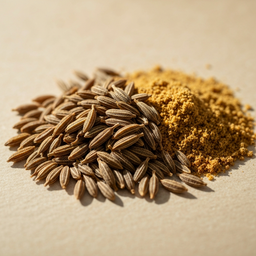 cumin garlic
 Double digestive support: enzymes + bioactive compounds
Technical: Cumin promotes digestive enzyme activity (amylase, lipase, protease) and increases bile flow. Garlic's allicin has broad bioactivity targeting pathogenic gut bacteria while sparing beneficial ones.
What does this mean for you? Fry garlic and cumin together as base for curries, soups and stews. Classic combination in virtually every cuisine in the world.
DigestionImmune System
cumin olive oil Fat activates volatile oils and increases cuminaldehyde absorption
Technical: Cumin's active compounds (cuminaldehyde, cymene, terpinene) are volatile, fat-soluble compounds. Frying in olive oil extracts and stabilizes these compounds, and the fat improves their gut absorption.
What does this mean for you? Briefly fry cumin in olive oil before adding other ingredients (tadka/tempering). This is why Indian and Middle Eastern cuisines always fry cumin in oil.
DigestionAnti-inflammatoryBlood Sugar
olive oil garlic Aglio e olio: allicin + oleocanthal via complementary biochemical pathways
Technical: Garlic contains allicin (formed when cutting/crushing) that influences HMG-CoA reductase (involved in lipid metabolism). Olive oil contains oleocanthal that modulates COX-1/2 enzymes. Together they influence lipid metabolism and prostaglandin cascade via complementary biochemical pathways. The fat also helps absorb fat-soluble garlic compounds.
What does this mean for you? Gently warm garlic in olive oil (don't burn!) as the base for many dishes. This is why 'aglio e olio' pasta is so beloved — two bioactive compounds that reinforce each other.
HeartImmune System
olive oil 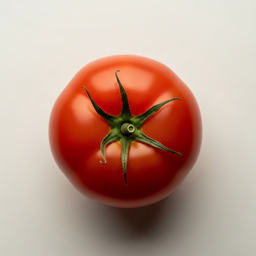 tomatoes
 Mediterranean golden rule: fat increases lycopene absorption 4x
Fat significantly increases lycopene bioavailability (PMID: 15927929)
Technical: Tomatoes contain lycopene (3-7mg per 100g), a carotenoid with strong antioxidant action. Lycopene is fat-soluble with only 10-15% absorption without fat. Olive oil increases this to 40-60% (2.5-4x improvement). Cooking further increases lycopene bioavailability.
What does this mean for you? Always add olive oil to tomato dishes — sauces, salads, bruschetta. This is why Mediterranean cuisine is so healthy. Cooked tomatoes with olive oil = maximum lycopene.
HeartSkin & Hair
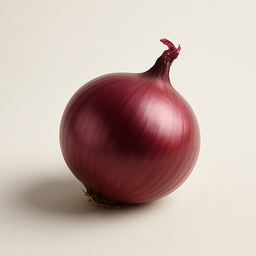 red onion olive oil
 Fat increases bioavailability of quercetin from red onion
Technical: Red onion contains 32-65mg quercetin per 100g — the richest food source. Quercetin is poorly water-soluble (2μg/mL) but dissolves well in fats. Olive oil increases quercetin oral bioavailability by 50-70% through lipid-based lymphatic transport instead of the portal vein.
What does this mean for you? Sauté red onion in olive oil (soffritto) for maximum quercetin absorption. Oil dissolves quercetin and improves transport to your bloodstream. Caramelizing also enhances flavor.
Anti-inflammatoryHeart
Ingredients (12)
- steak — 500 g sirloin, sliced against the grain into strips
- potatoes — 4 pcs cut into thin fries
- tomatoes — 3 pcs cut into firm wedges
Instructions
- 1 Fry the potatoes: Heat 2 tbsp olive oil in a wide skillet over medium heat. Fry the potato fries for 12-15 minutes, turning regularly, until golden and crisp. Set aside.
- 2 Marinate the steak: Mix tamari, red wine vinegar, cumin and aji amarillo in a bowl. Toss in the steak strips and marinate for 10 minutes while you prepare the vegetables.
Nutrition per serving
Indicative values per serving.
Timing & Suitability
Shelf life: 1 days in fridge
Tags & Diet
Allergens: Soy, Gluten