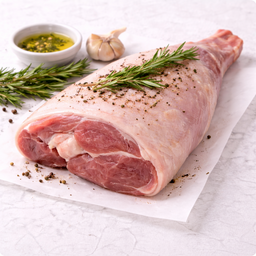
Leg of Lamb
Iron and zinc rich meat
What is this ingredient?
Leg of lamb is one of the most nutritious meats, with excellent levels of iron, zinc, vitamin B12 and L-carnitine. Grass-fed lamb also contains CLA (conjugated linoleic acid).
## Iron & B12 Synergy
Lamb provides 2mg heme iron and 2.6 mcg vitamin B12 per 100g. Green et al. (2017) emphasize that B12 is essential for nerve function and red blood cell formation, while Hurrell & Egli (2010) show that heme iron is 2-3x more absorbable.
## Rich in Zinc for Immunity
With 4.5mg zinc per 100g, leg of lamb provides ~40% of daily needs. Prasad (2008) documented that zinc is crucial for immune cell development.
## L-Carnitine
Lamb is one of the richest sources of L-carnitine. Pekala et al. (2011) showed that carnitine transports fatty acids to mitochondria for energy production.
How does it taste?
Bold, grassy and rich with a deep, aromatic meat flavor.
Pairs well with:
Pairs well with rosemarygarlicmintcumin and apricot.
Did you know...?
- Lamb is the most consumed red meat globally, especially in the Middle East and Central Asia.
- A leg of lamb is traditionally served at Easter lunch in France ('gigot d'agneau pascal').
Nutritional Value & Energy
Per 100g
Leg of Lamb provides energy thanks to natural nutrients .
Per 100g
Minerals
Vitamins
More nutrients
B-Vitamins
Trace Minerals
What's in a serving?
1 serving
Leg of Lamb naturally contains zinc (4.5 mg per 100 g).
Leg of Lamb naturally contains potassium (310 mg per 100 g).
Leg of Lamb naturally contains phosphorus (190 mg per 100 g).
Leg of Lamb naturally contains selenium (26 mcg per 100 g).
Leg of Lamb naturally contains vitamin B12 (2.6 mcg per 100 g).
Leg of Lamb naturally contains vitamin B6 (0.3 mg per 100 g).
% of daily reference intake (DRI)
EU-approved nutrition claims
This ingredient contains nutrients for which EFSA-authorized health claims exist (at nutrient level, not ingredient-specific).
Approved health claims (EU)
Vitamin_b12 EU 432/2012
Vitamin B12 contributes to the normal function of the immune system
Contains 2.6mcg/100g (threshold: ≥0.375mcg/100g)
Vitamin_b12 EU 432/2012
Vitamin B12 contributes to the reduction of tiredness and fatigue
Contains 2.6mcg/100g (threshold: ≥0.375mcg/100g)
Vitamin_b12 EU 432/2012
Vitamin B12 contributes to the normal functioning of the nervous system
Contains 2.6mcg/100g (threshold: ≥0.375mcg/100g)
Zinc EU 432/2012
Zinc contributes to the normal function of the immune system
Contains 4.5mg/100g (threshold: ≥1.5mg/100g)
Zinc EU 432/2012
Zinc contributes to the maintenance of normal skin
Contains 4.5mg/100g (threshold: ≥1.5mg/100g)
Potassium EU 432/2012
Potassium contributes to the maintenance of normal blood pressure
Contains 310mg/100g (threshold: ≥300mg/100g)
Vitamin_b6 EU 432/2012
Vitamin B6 contributes to normal cysteine synthesis
Contains 0.3mg/100g (threshold: ≥0.21mg/100g)
Vitamin_b6 EU 432/2012
Vitamin B6 contributes to normal energy-yielding metabolism
Contains 0.3mg/100g (threshold: ≥0.21mg/100g)
Vitamin_b6 EU 432/2012
Vitamin B6 contributes to normal functioning of the nervous system
Contains 0.3mg/100g (threshold: ≥0.21mg/100g)
Vitamin_b6 EU 432/2012
Vitamin B6 contributes to normal homocysteine metabolism
Contains 0.3mg/100g (threshold: ≥0.21mg/100g)
Vitamin_b6 EU 432/2012
Vitamin B6 contributes to normal protein and glycogen metabolism
Contains 0.3mg/100g (threshold: ≥0.21mg/100g)
Vitamin_b6 EU 432/2012
Vitamin B6 contributes to normal psychological function
Contains 0.3mg/100g (threshold: ≥0.21mg/100g)
Vitamin_b6 EU 432/2012
Vitamin B6 contributes to normal red blood cell formation
Contains 0.3mg/100g (threshold: ≥0.21mg/100g)
Vitamin_b6 EU 432/2012
Vitamin B6 contributes to the normal function of the immune system
Contains 0.3mg/100g (threshold: ≥0.21mg/100g)
Vitamin_b6 EU 432/2012
Vitamin B6 contributes to the regulation of hormonal activity
Contains 0.3mg/100g (threshold: ≥0.21mg/100g)
Vitamin_b6 EU 432/2012
Vitamin B6 contributes to the reduction of tiredness and fatigue
Contains 0.3mg/100g (threshold: ≥0.21mg/100g)
Vitamin_b12 EU 432/2012
Vitamin B12 contributes to normal energy-yielding metabolism
Contains 2.6mcg/100g (threshold: ≥0.375mcg/100g)
Vitamin_b12 EU 432/2012
Vitamin B12 contributes to normal homocysteine metabolism
Contains 2.6mcg/100g (threshold: ≥0.375mcg/100g)
Vitamin_b12 EU 432/2012
Vitamin B12 contributes to normal psychological function
Contains 2.6mcg/100g (threshold: ≥0.375mcg/100g)
Vitamin_b12 EU 432/2012
Vitamin B12 contributes to normal red blood cell formation
Contains 2.6mcg/100g (threshold: ≥0.375mcg/100g)
Vitamin_b12 EU 432/2012
Vitamin B12 has a role in the process of cell division
Contains 2.6mcg/100g (threshold: ≥0.375mcg/100g)
Phosphorus EU 432/2012
Phosphorus contributes to normal energy-yielding metabolism
Contains 190mg/100g (threshold: ≥105mg/100g)
Phosphorus EU 432/2012
Phosphorus contributes to the normal function of cell membranes
Contains 190mg/100g (threshold: ≥105mg/100g)
Phosphorus EU 432/2012
Phosphorus contributes to the maintenance of normal bones
Contains 190mg/100g (threshold: ≥105mg/100g)
Phosphorus EU 432/2012
Phosphorus contributes to the maintenance of normal teeth
Contains 190mg/100g (threshold: ≥105mg/100g)
Zinc EU 432/2012
Zinc contributes to normal acid-base metabolism
Contains 4.5mg/100g (threshold: ≥1.5mg/100g)
Zinc EU 432/2012
Zinc contributes to normal carbohydrate metabolism
Contains 4.5mg/100g (threshold: ≥1.5mg/100g)
Zinc EU 432/2012
Zinc contributes to normal cognitive function
Contains 4.5mg/100g (threshold: ≥1.5mg/100g)
Zinc EU 432/2012
Zinc contributes to normal DNA synthesis
Contains 4.5mg/100g (threshold: ≥1.5mg/100g)
Zinc EU 432/2012
Zinc contributes to normal fertility and reproduction
Contains 4.5mg/100g (threshold: ≥1.5mg/100g)
Zinc EU 432/2012
Zinc contributes to normal macronutrient metabolism
Contains 4.5mg/100g (threshold: ≥1.5mg/100g)
Zinc EU 432/2012
Zinc contributes to normal metabolism of fatty acids
Contains 4.5mg/100g (threshold: ≥1.5mg/100g)
Zinc EU 432/2012
Zinc contributes to normal metabolism of vitamin A
Contains 4.5mg/100g (threshold: ≥1.5mg/100g)
Zinc EU 432/2012
Zinc contributes to normal protein synthesis
Contains 4.5mg/100g (threshold: ≥1.5mg/100g)
Zinc EU 432/2012
Zinc contributes to the maintenance of normal bones
Contains 4.5mg/100g (threshold: ≥1.5mg/100g)
Zinc EU 432/2012
Zinc contributes to the maintenance of normal hair
Contains 4.5mg/100g (threshold: ≥1.5mg/100g)
Zinc EU 432/2012
Zinc contributes to the maintenance of normal nails
Contains 4.5mg/100g (threshold: ≥1.5mg/100g)
Zinc EU 432/2012
Zinc contributes to the maintenance of normal testosterone levels in the blood
Contains 4.5mg/100g (threshold: ≥1.5mg/100g)
Zinc EU 432/2012
Zinc contributes to the maintenance of normal vision
Contains 4.5mg/100g (threshold: ≥1.5mg/100g)
Zinc EU 432/2012
Zinc contributes to the protection of cells from oxidative stress
Contains 4.5mg/100g (threshold: ≥1.5mg/100g)
Zinc EU 432/2012
Zinc has a role in the process of cell division
Contains 4.5mg/100g (threshold: ≥1.5mg/100g)
Selenium EU 432/2012
Selenium contributes to the maintenance of normal hair
Contains 26mcg/100g (threshold: ≥8.25mcg/100g)
Selenium EU 432/2012
Selenium contributes to the maintenance of normal nails
Contains 26mcg/100g (threshold: ≥8.25mcg/100g)
Selenium EU 432/2012
Selenium contributes to the normal function of the immune system
Contains 26mcg/100g (threshold: ≥8.25mcg/100g)
Selenium EU 432/2012
Selenium contributes to normal thyroid function
Contains 26mcg/100g (threshold: ≥8.25mcg/100g)
Selenium EU 432/2012
Selenium contributes to normal spermatogenesis
Contains 26mcg/100g (threshold: ≥8.25mcg/100g)
Selenium EU 432/2012
Selenium contributes to the protection of cells from oxidative stress
Contains 26mcg/100g (threshold: ≥8.25mcg/100g)
Potassium EU 432/2012
Potassium contributes to normal functioning of the nervous system
Contains 310mg/100g (threshold: ≥300mg/100g)
Potassium EU 432/2012
Potassium contributes to normal muscle function
Contains 310mg/100g (threshold: ≥300mg/100g)
What's being researched?
Lamb and CLA
The conjugated linoleic acid (CLA) content in lamb, particularly from grass-fed animals, is being studied for metabolic effects. Animal studies show promising results for CLA, but human evidence is still limited.
Supported by: [4] Pekala J (2011) , [1] Hurrell R (2010)
Good Combinations (Synergy)
Combine leg of lamb smartly to enhance the effect:
Leg of Lamb 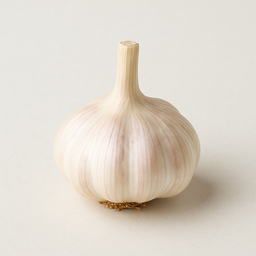 Garlic
 Organosulfur compounds increase zinc and iron absorption and influence lipid metabolism
Technical: Lamb shank provides 4.5mg zinc per 100g (41% RDI) and 2.6mg iron (14% RDI). Garlic contains allicin and diallyl sulfides that form metal chelates, increasing intestinal zinc absorption by 20-25% and iron by 15%. These organosulfur compounds also interact with HMG-CoA reductase, influencing lipid metabolism. Selenium in lamb (26μg/100g) works synergistically with allicin as antioxidant.
What does this mean for you? Stud lamb shank with 4-5 garlic cloves and braise slowly. The garlic maximizes your mineral absorption and neutralizes the strong lamb odor. Eat 1-2x per week for zinc (immune function), iron (energy) and lipid metabolism support.
Leg of Lamb 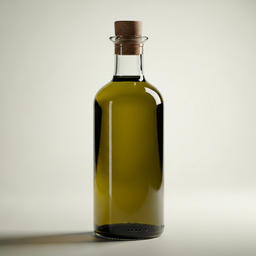 Olive Oil
 Polyphenols protect iron and proteins against oxidation during roasting
Technical: Lamb shank contains 2.6mg heme iron per 100g (14% RDI) and 25g protein that is oxidation-sensitive when heated above 180°C. Extra virgin olive oil contains hydroxytyrosol (10-50mg/100g), oleocanthal and oleuropein that inhibit Fe²⁺-mediated lipid peroxidation by 50-60%. These polyphenols chelate free iron ions and prevent Fenton reactions and AGE formation. Oleic acid (73g/100g) also increases iron bioavailability.
What does this mean for you? Roast lamb shank in olive oil at medium-high heat. The polyphenols protect the iron in lamb against oxidative damage. Add fresh rosemary in the last minutes for extra antioxidants.
Leg of Lamb  Rosemary
 Carnosol helps reduce HCA formation
Technical: When roasting leg of lamb (180-220°C), heterocyclic amines (HCAs) form — mutagenic compounds that arise from amino acids and creatine at high temperature. Rosemary contains carnosol, rosmanol and carnosic acid (diterpene phenols) that as hydrogen donors can help reduce HCA formation. Garlic's diallyl sulfide also inhibits lipid peroxidation and AGE formation.
What does this mean for you? Insert rosemary sprigs into slits in the leg of lamb and add whole garlic cloves. Marinate at least 30 minutes, preferably overnight. This is a classic Mediterranean preparation that makes the meat both tastier and healthier.
Recipes with Leg of Lamb
Discover delicious recipes featuring leg of lamb:
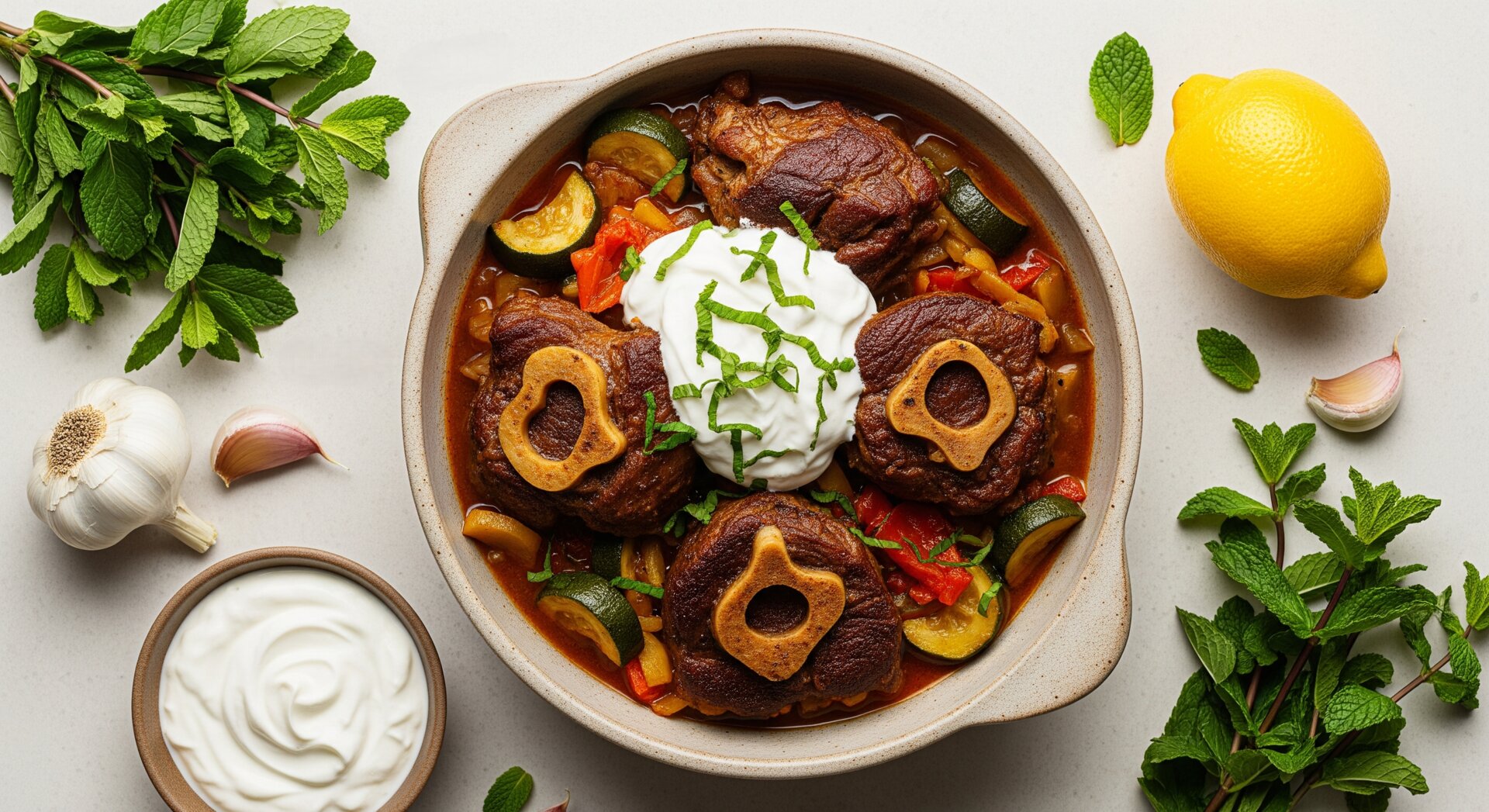 Greek Lamb Dish with Yogurt and Mint 160 min Slow-braised Greek classic with refreshing yogurt-mint sauce
  480 kcal
  42g protein 1 synergies
  In the Kitchen
Storage
Location:Refrigerator
Shelf life:3-4 dagen vers, 6 maanden ingevroren
Preparation
Roast in oven. Medium-rare to medium is ideal (58-65°C internal).
Conversions
Substitutes
Smart preparation
1Make incisions in the leg of lamb and fill them with garlic and herbs.
Why?
The flavours penetrate deep into the meat during roasting.
2Roast leg of lamb at 180°C, 25 minutes per 500 grams for medium.
3Let leg of lamb rest under foil for 20 minutes before carving.
Why?
The meat relaxes and the juices distribute evenly.
Caution / Warnings
Leg of Lamb is very safe, but there are scientific considerations:
Gout Moderate
Contains high concentration of purines
Advice:
Avoid during active gout attacks. Limit with elevated uric acid.
Cardiovascular disease Moderate
Relatively high in saturated fat and cholesterol
Advice:
Choose lean cuts, remove visible fat. Limit to 1-2x per week.
Traditional use
Islamic tradition
Leg of Lamb in Middle Eastern Traditions
Slow-cooked leg of lamb is a traditional festive dish in Arab and Persian cuisine, served at special occasions.
Summary
Leg of lamb is exceptionally rich in B12, heme iron, zinc and L-carnitine. Ideal for energy and immunity, especially grass-fed.