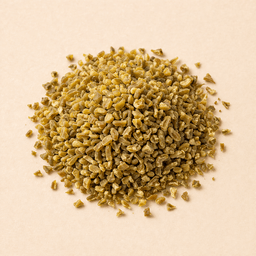
Freekeh
Smoked green grain from the Middle East
What is this ingredient?
## Ancient origin with modern relevance
Freekeh (pronounced 'free-kah') is a traditional grain product from the Middle East with a history spanning more than 2,000 years. The name comes from the Arabic word 'farik', meaning 'rubbed', referring to the process of rubbing the grains from their husks after roasting. This grain is made from young-harvested durum wheat (Triticum turgidum var. durum): the kernels are picked while still green and soft, then smoked and dried.
## Unique production process
The production process of freekeh is artisanal and distinctive. Wheat is harvested when the kernels are still green and moisture-rich. The green heads are then roasted over open fire, creating the characteristic nutty-smoky flavor. The straw and chaff largely burn away, while the moist kernels remain intact. After roasting, the grains are dried and rubbed to remove excess ash and husk.
## Remarkable nutritional profile
Freekeh stands out for its high fiber content: with 16 g fiber per 100 g, it contains considerably more fiber than many other grain products. The combination of soluble and insoluble fiber gives freekeh a firm, filling texture and makes it useful in whole-grain meals such as pilaf, salads, and grain bowls. With 14 g protein per 100 g and 2.5 g fat per 100 g, freekeh works well in savory dishes where you want more structure and plant-based protein.
Its micronutrient profile is also noteworthy: freekeh contains magnesium (76 mg), iron (1.5 mg), zinc (2.1 mg), potassium (310 mg), and folate (43 mcg) per 100 g. It also contains carotenoids such as lutein and zeaxanthin, compounds naturally found in green plant parts and some grain products.
## Climate-conscious grain choice
Because freekeh is harvested early, at the green stage, it is often discussed in the context of climate-resilient and regional grain traditions. Early harvest may expose the crop to drought and heat for a shorter period than fully ripened grains. At the same time, real sustainability depends on farming method, region, irrigation, transport, and processing.
## Culinary applications
Freekeh has a robust, nutty flavor with subtle smoky notes that distinguish it from other grains. It is traditionally used in Middle Eastern pilaf, soups, and stews. Thanks to its firm texture, freekeh absorbs flavors well and remains pleasantly chewy, even after longer cooking. It is available in two forms: whole grains with a longer cooking time of 35-45 minutes and cracked freekeh, usually ready in 15-20 minutes.
How does it taste?
Smoky and nutty with a slightly chewy texture and earthy depth.
Pairs well with:
Pairs well with roasted vegetablesherbslemonpomegranate and chicken.
Did you know...?
- According to a widely told legend, freekeh originated when an ancient wheat harvest was scorched by fire and the green kernels turned out to be usable.
- The word 'freekeh' comes from the Arabic 'frik', meaning 'rubbed'.
Nutritional Value & Energy
Per 100g
Freekeh provides energy thanks to natural nutrients , buffered by fiber.
Per 100g
Minerals
Vitamins
More nutrients
B-Vitamins
What's in a serving?
1 serving (dry)
Freekeh naturally contains zinc (2.1 mg per 100 g).
Freekeh naturally contains magnesium (76 mg per 100 g).
Freekeh naturally contains potassium (310 mg per 100 g).
Freekeh naturally contains folate (43 mcg per 100 g).
% of daily reference intake (DRI)
EU-approved nutrition claims
This ingredient contains nutrients for which EFSA-authorized health claims exist (at nutrient level, not ingredient-specific).
Approved health claims (EU)
Magnesium EU 432/2012
Magnesium contributes to normal muscle function
Contains 76mg/100g (threshold: ≥56.25mg/100g)
Magnesium EU 432/2012
Magnesium contributes to the reduction of tiredness and fatigue
Contains 76mg/100g (threshold: ≥56.25mg/100g)
Magnesium EU 432/2012
Magnesium contributes to normal functioning of the nervous system
Contains 76mg/100g (threshold: ≥56.25mg/100g)
Zinc EU 432/2012
Zinc contributes to the normal function of the immune system
Contains 2.1mg/100g (threshold: ≥1.5mg/100g)
Zinc EU 432/2012
Zinc contributes to the maintenance of normal skin
Contains 2.1mg/100g (threshold: ≥1.5mg/100g)
Potassium EU 432/2012
Potassium contributes to the maintenance of normal blood pressure
Contains 310mg/100g (threshold: ≥300mg/100g)
Folate EU 432/2012
Folate contributes to normal blood formation
Contains 43mcg/100g (threshold: ≥30mcg/100g)
Folate EU 432/2012
Folate contributes to normal amino acid synthesis
Contains 43mcg/100g (threshold: ≥30mcg/100g)
Folate EU 432/2012
Folate contributes to normal homocysteine metabolism
Contains 43mcg/100g (threshold: ≥30mcg/100g)
Folate EU 432/2012
Folate contributes to normal psychological function
Contains 43mcg/100g (threshold: ≥30mcg/100g)
Folate EU 432/2012
Folate contributes to the normal function of the immune system
Contains 43mcg/100g (threshold: ≥30mcg/100g)
Folate EU 432/2012
Folate has a role in the process of cell division
Contains 43mcg/100g (threshold: ≥30mcg/100g)
Folate EU 432/2012
Folate contributes to maternal tissue growth during pregnancy
Contains 43mcg/100g (threshold: ≥30mcg/100g)
Magnesium EU 432/2012
Magnesium contributes to normal energy-yielding metabolism
Contains 76mg/100g (threshold: ≥56.25mg/100g)
Magnesium EU 432/2012
Magnesium contributes to electrolyte balance
Contains 76mg/100g (threshold: ≥56.25mg/100g)
Magnesium EU 432/2012
Magnesium contributes to normal protein synthesis
Contains 76mg/100g (threshold: ≥56.25mg/100g)
Magnesium EU 432/2012
Magnesium contributes to normal psychological function
Contains 76mg/100g (threshold: ≥56.25mg/100g)
Magnesium EU 432/2012
Magnesium contributes to the maintenance of normal bones
Contains 76mg/100g (threshold: ≥56.25mg/100g)
Magnesium EU 432/2012
Magnesium contributes to the maintenance of normal teeth
Contains 76mg/100g (threshold: ≥56.25mg/100g)
Magnesium EU 432/2012
Magnesium has a role in the process of cell division
Contains 76mg/100g (threshold: ≥56.25mg/100g)
Zinc EU 432/2012
Zinc contributes to normal acid-base metabolism
Contains 2.1mg/100g (threshold: ≥1.5mg/100g)
Zinc EU 432/2012
Zinc contributes to normal carbohydrate metabolism
Contains 2.1mg/100g (threshold: ≥1.5mg/100g)
Zinc EU 432/2012
Zinc contributes to normal cognitive function
Contains 2.1mg/100g (threshold: ≥1.5mg/100g)
Zinc EU 432/2012
Zinc contributes to normal DNA synthesis
Contains 2.1mg/100g (threshold: ≥1.5mg/100g)
Zinc EU 432/2012
Zinc contributes to normal fertility and reproduction
Contains 2.1mg/100g (threshold: ≥1.5mg/100g)
Zinc EU 432/2012
Zinc contributes to normal macronutrient metabolism
Contains 2.1mg/100g (threshold: ≥1.5mg/100g)
Zinc EU 432/2012
Zinc contributes to normal metabolism of fatty acids
Contains 2.1mg/100g (threshold: ≥1.5mg/100g)
Zinc EU 432/2012
Zinc contributes to normal metabolism of vitamin A
Contains 2.1mg/100g (threshold: ≥1.5mg/100g)
Zinc EU 432/2012
Zinc contributes to normal protein synthesis
Contains 2.1mg/100g (threshold: ≥1.5mg/100g)
Zinc EU 432/2012
Zinc contributes to the maintenance of normal bones
Contains 2.1mg/100g (threshold: ≥1.5mg/100g)
Zinc EU 432/2012
Zinc contributes to the maintenance of normal hair
Contains 2.1mg/100g (threshold: ≥1.5mg/100g)
Zinc EU 432/2012
Zinc contributes to the maintenance of normal nails
Contains 2.1mg/100g (threshold: ≥1.5mg/100g)
Zinc EU 432/2012
Zinc contributes to the maintenance of normal testosterone levels in the blood
Contains 2.1mg/100g (threshold: ≥1.5mg/100g)
Zinc EU 432/2012
Zinc contributes to the maintenance of normal vision
Contains 2.1mg/100g (threshold: ≥1.5mg/100g)
Zinc EU 432/2012
Zinc contributes to the protection of cells from oxidative stress
Contains 2.1mg/100g (threshold: ≥1.5mg/100g)
Zinc EU 432/2012
Zinc has a role in the process of cell division
Contains 2.1mg/100g (threshold: ≥1.5mg/100g)
Potassium EU 432/2012
Potassium contributes to normal functioning of the nervous system
Contains 310mg/100g (threshold: ≥300mg/100g)
Potassium EU 432/2012
Potassium contributes to normal muscle function
Contains 310mg/100g (threshold: ≥300mg/100g)
What's being researched?
Freekeh and fiber-rich grain products
The high fiber and resistant starch content of freekeh is being studied in nutrition research. Laboratory and nutrition studies look at fermentation products such as butyrate, among other markers, but available human data remain limited.
Supported by: [2] Kristensen M (2010) , [3] Aune D (2016) , [1] Aluthge S (2026)
Good Combinations (Synergy)
Combine freekeh smartly to enhance the effect:
Freekeh 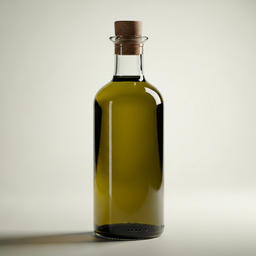 Olive Oil
 Lutein and zeaxanthin from freekeh better absorbed with fat
Lutein and zeaxanthin are lipophilic xanthophylls requiring dietary fat for absorption
Technical: Freekeh (green wheat) contains lutein and zeaxanthin, fat-soluble carotenoids concentrating in the macula. Olive oil contains 73% oleic acid promoting micelle formation, improving absorption of these carotenoids up to 3x.
What does this mean for you? Prepare freekeh with olive oil for effective absorption of the fat-soluble carotenoids. This helps your body utilize these valuable compounds up to 3x better.
Freekeh 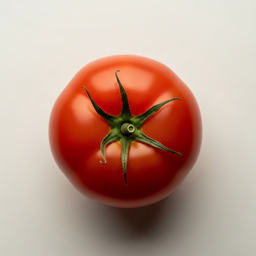 Tomato
 Complementary carotenoid support: lutein + lycopene
Lutein accumulates in macula for eye protection, lycopene protects cardiovascular system
Technical: Lutein from freekeh concentrates in the macula. Lycopene from tomato is a powerful fat-soluble antioxidant. Both carotenoids work complementarily in different tissues.
What does this mean for you? Freekeh with tomato sauce combines two carotenoids that work complementarily. Add olive oil for the best absorption of both fat-soluble compounds.
Freekeh 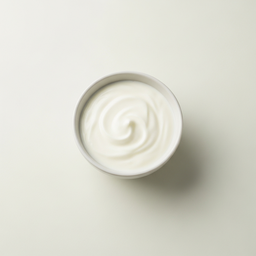 Yogurt
 Synbiotic: freekeh prebiotic fibers + yogurt probiotics increase SCFA
Prebiotic fructans stimulate Lactobacillus growth and SCFA production in the colon
Technical: Freekeh contains 16g fiber per 100g (2x more than rice), a significant portion being prebiotic fructans. Lactobacillus from yogurt ferments these fructans into short-chain fatty acids (butyrate, propionate). Freekeh's high starch resistance provides additional substrate for intestinal microflora.
What does this mean for you? Freekeh with yogurt is a synbiotic combination — the prebiotic fibers from freekeh feed the probiotics from yogurt. Together they support your gut microbiome optimally.
Recipes with Freekeh
Discover delicious recipes featuring freekeh:
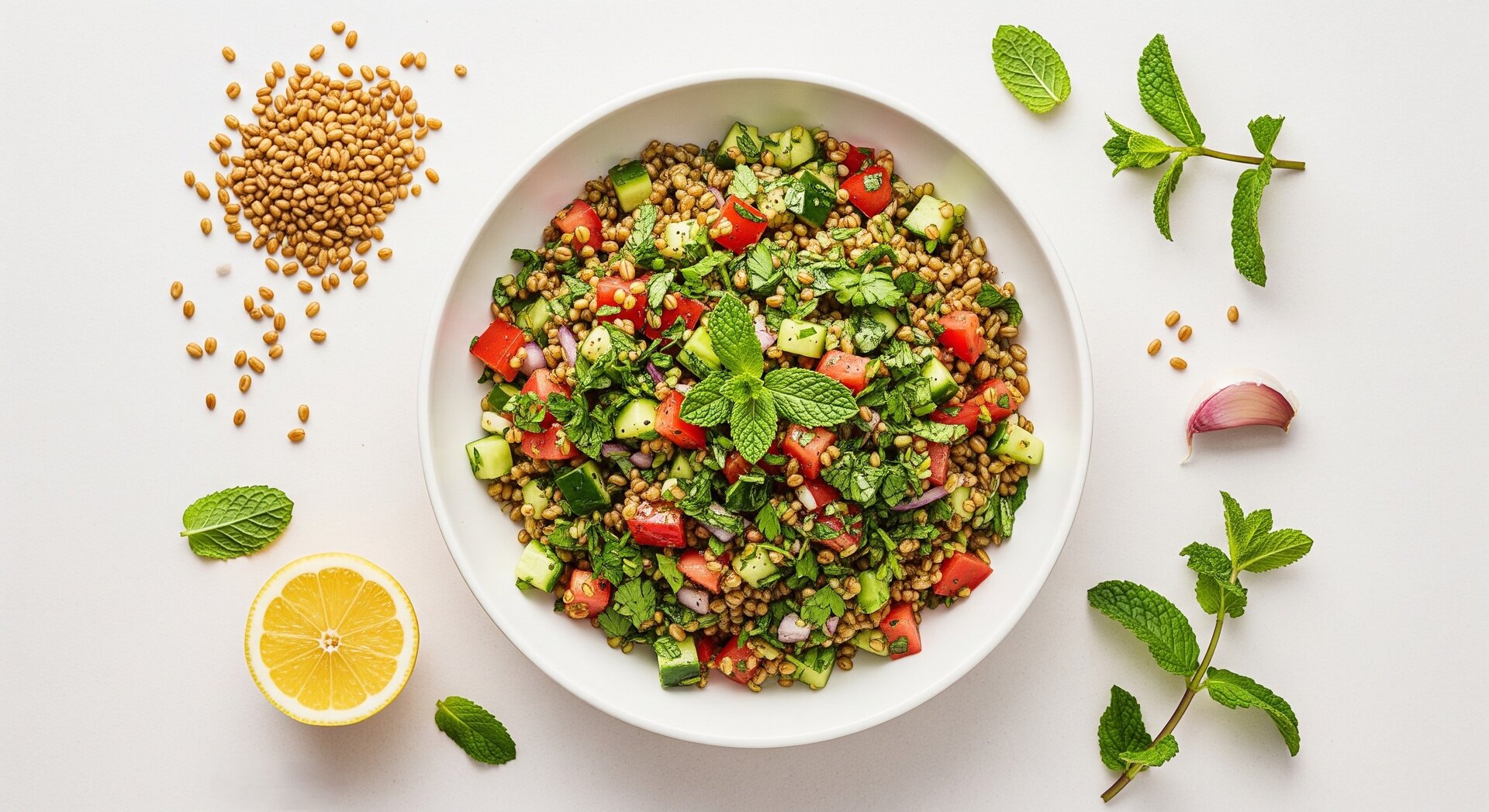 Middle Eastern Freekeh Salad with Herbs 40 min Nutty roasted wheat with fresh herbs
  511 kcal
  15g protein 1 synergies
  In the Kitchen
Storage
Location:Pantry
Shelf life:18 maanden (gedroogd, ongeopend)
Preparation
Rinse under cold water first. Whole grains: cook 35-45 minutes in 3× volume water. Cracked freekeh: cook 15-20 minutes. Test for doneness; the grain can remain al dente, similar to risotto.
Substitutes
Smart preparation
1Rinse freekeh well and remove any small stones.
2Cook whole freekeh for 35-45 minutes and cracked freekeh for 15-20 minutes.
3Briefly toast freekeh in oil for a deeper smoky flavor.
Why?
Freekeh is already smoked; brief toasting enhances this character without softening the grain.
Caution / Warnings
Freekeh is very safe, but there are scientific considerations:
Gluten intolerance and celiac disease Severe
Freekeh is made from durum wheat and therefore contains gluten. It is not suitable for people with celiac disease, wheat allergy, or non-celiac gluten sensitivity.
Advice:
Avoid completely with celiac disease or wheat allergy. Choose gluten-free alternatives such as quinoa, buckwheat, or millet.
High fiber intake with sensitive intestines Mild
The high fiber content (16 g/100 g) may initially lead to gas, abdominal cramps, or loose stools in some people with sensitive intestines.
Advice:
Start with small portions (30-50 g dry) and increase gradually. Drink enough water and seek professional advice for persistent complaints.
Traditional use
Mediterranean
Levantine ancient grain
Freekeh, roasted green wheat, has been prepared in the Levant for more than 2,000 years. According to legend, it was discovered by chance after fire scorched young wheat fields and the green kernels proved edible after rubbing.
Summary
Freekeh is young smoked durum wheat with 16 g fiber per 100 g and a distinctive nutty-smoky flavor. Use it as a hearty base for pilaf, salads, soups, and Middle Eastern grain bowls.