- Easy
- 40 min
- 2 serv.
- 8 synergies
- Now at its best: Tomato
A hearty salad with freekeh, fresh herbs, crunchy vegetables and a citrus-cumin dressing. Serve warm or at room temperature.
Freekeh is young wheat harvested green and then smoked — an ancient grain with a nutty, smoky flavour you won't easily forget. In this Middle Eastern salad, the grain carries the foundation while the herbs take centre stage: heaps of parsley, mint and dill making every bite green and fresh. Crunchy tomato and cucumber break the nuttiness, while the citrus-cumin dressing pulls everything together with a warm undertone. Let the salad sit ten minutes after tossing — the freekeh soaks up the dressing like a sponge.
- 15
- min prep
- 25
- min cook
- 40
- min total
Nutritional Synergies
This recipe combines ingredients that enhance each other:
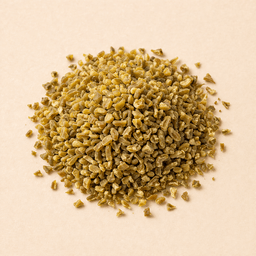 Freekeh
 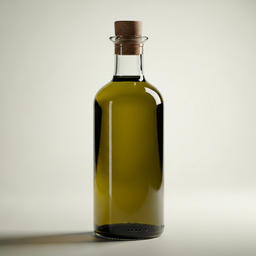 Olive Oil
 Lutein and zeaxanthin from freekeh better absorbed with fat
Lutein and zeaxanthin are lipophilic xanthophylls requiring dietary fat for absorption
Technical: Freekeh (green wheat) contains lutein and zeaxanthin, fat-soluble carotenoids concentrating in the macula. Olive oil contains 73% oleic acid promoting micelle formation, improving absorption of these carotenoids up to 3x.
What does this mean for you? Prepare freekeh with olive oil for effective absorption of the fat-soluble carotenoids. This helps your body utilize these valuable compounds up to 3x better.
General WellnessAnti-inflammatory
Freekeh 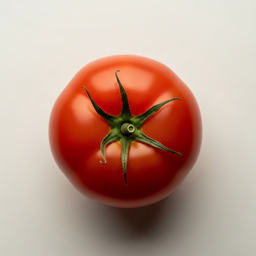 Tomato
 Complementary carotenoid support: lutein + lycopene
Lutein accumulates in macula for eye protection, lycopene protects cardiovascular system
Technical: Lutein from freekeh concentrates in the macula. Lycopene from tomato is a powerful fat-soluble antioxidant. Both carotenoids work complementarily in different tissues.
What does this mean for you? Freekeh with tomato sauce combines two carotenoids that work complementarily. Add olive oil for the best absorption of both fat-soluble compounds.
HeartGeneral Wellness
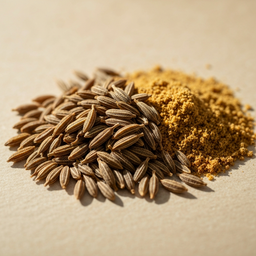 Cumin
Cumin 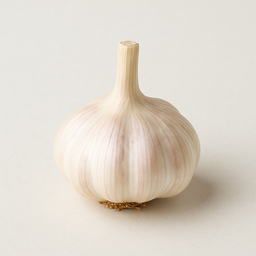 Garlic
 Double digestive support: enzymes + bioactive compounds
Technical: Cumin promotes digestive enzyme activity (amylase, lipase, protease) and increases bile flow. Garlic's allicin has broad bioactivity targeting pathogenic gut bacteria while sparing beneficial ones.
What does this mean for you? Fry garlic and cumin together as base for curries, soups and stews. Classic combination in virtually every cuisine in the world.
DigestionImmune System
Cumin Olive Oil Fat activates volatile oils and increases cuminaldehyde absorption
Technical: Cumin's active compounds (cuminaldehyde, cymene, terpinene) are volatile, fat-soluble compounds. Frying in olive oil extracts and stabilizes these compounds, and the fat improves their gut absorption.
What does this mean for you? Briefly fry cumin in olive oil before adding other ingredients (tadka/tempering). This is why Indian and Middle Eastern cuisines always fry cumin in oil.
DigestionAnti-inflammatoryBlood Sugar
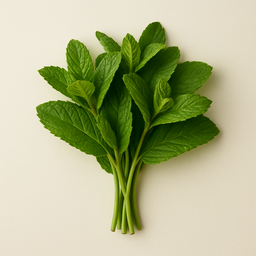 Mint
Mint 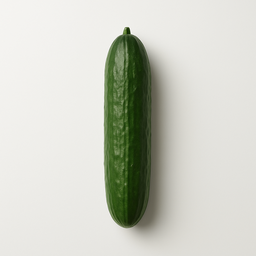 Cucumber
 Ultimate cooling: menthol + water-rich food
Technical: Mint contains menthol (40-50% of essential oil) that activates TRPM8 cooling receptors - you feel cooling without temperature drop. Cucumber is 96% water and provides electrolytes. Together they offer both physiological and sensory cooling.
What does this mean for you? Add fresh mint to cucumber water or raita. Ideal in hot weather, after exercise, or for hot flashes. The combination works better than either ingredient alone.
DigestionStress ReliefEnergy
Olive Oil Garlic Aglio e olio: allicin + oleocanthal via complementary biochemical pathways
Technical: Garlic contains allicin (formed when cutting/crushing) that influences HMG-CoA reductase (involved in lipid metabolism). Olive oil contains oleocanthal that modulates COX-1/2 enzymes. Together they influence lipid metabolism and prostaglandin cascade via complementary biochemical pathways. The fat also helps absorb fat-soluble garlic compounds.
What does this mean for you? Gently warm garlic in olive oil (don't burn!) as the base for many dishes. This is why 'aglio e olio' pasta is so beloved — two bioactive compounds that reinforce each other.
HeartImmune System
Olive Oil Tomato Mediterranean golden rule: fat increases lycopene absorption 4x
Fat significantly increases lycopene bioavailability (PMID: 15927929)
Technical: Tomatoes contain lycopene (3-7mg per 100g), a carotenoid with strong antioxidant action. Lycopene is fat-soluble with only 10-15% absorption without fat. Olive oil increases this to 40-60% (2.5-4x improvement). Cooking further increases lycopene bioavailability.
What does this mean for you? Always add olive oil to tomato dishes — sauces, salads, bruschetta. This is why Mediterranean cuisine is so healthy. Cooked tomatoes with olive oil = maximum lycopene.
HeartSkin & Hair
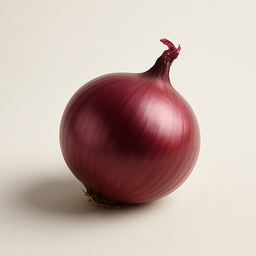 Red Onion Olive Oil
 Fat increases bioavailability of quercetin from red onion
Technical: Red onion contains 32-65mg quercetin per 100g — the richest food source. Quercetin is poorly water-soluble (2μg/mL) but dissolves well in fats. Olive oil increases quercetin oral bioavailability by 50-70% through lipid-based lymphatic transport instead of the portal vein.
What does this mean for you? Sauté red onion in olive oil (soffritto) for maximum quercetin absorption. Oil dissolves quercetin and improves transport to your bloodstream. Caramelizing also enhances flavor.
Anti-inflammatoryHeart
Ingredients (11)
+8 more ingredientsInstructions
- 1 Rinse the freekeh thoroughly. Cook in lightly salted water (1:2.5 ratio) for 20-25 minutes until tender-crisp. Let cool to lukewarm.
Nutrition per serving
Indicative values per serving.
Timing & Suitability
Shelf life: 2 days in fridge
Tags & Diet
Allergens: Gluten