- Medium
- 55 min
- 2 serv.
- 20 synergies
- Now at its best: Onion
A rich Indonesian rendang with tempeh in thick coconut sauce, enhanced with toasted peanuts and a mix of ginger, turmeric and coriander. Served with jasmine rice.
A dark brown, velvety rendang where cubes of tempeh slowly absorb the thick coconut sauce until every bite tastes intensely of toasted spices and peanut. Ginger and turmeric provide warmth, tamarind a tangy undertone, and the crunchy peanuts contrast beautifully with each mouthful of fluffy jasmine rice.
- 15
- min prep
- 40
- min cook
- 55
- min total
Nutritional Synergies
This recipe combines ingredients that enhance each other:
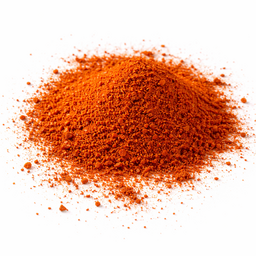 cayenne pepper
 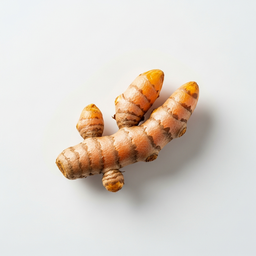 turmeric
 Capsaicin increases curcumin absorption
Technical: Capsaicin from cayenne increases intestinal mucosa permeability via TRPV1 activation, allowing larger molecules like curcumin to be better absorbed. This mechanism is similar to but independent from the piperine effect. Capsaicin's thermogenic action also enhances blood flow to the gut.
What does this mean for you? Combine cayenne with turmeric in curries or soups. The cayenne helps your gut absorb more curcumin — a different mechanism than black pepper, so adding both is optimal.
Anti-inflammatoryJoints
cayenne pepper 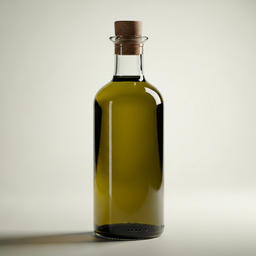 olive oil
 Fat-soluble capsaicin is better absorbed with olive oil
Technical: Capsaicin is fat-soluble and absorbed 2-3x better with dietary fat. Olive oil also reduces stomach irritation that cayenne can cause, while oleocanthal adds bioactive action.
What does this mean for you? Add cayenne pepper to olive oil-based sauces or dressings. The fat improves absorption and the oil tempers the spiciness.
Weight LossAnti-inflammatoryHeart
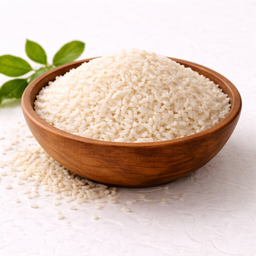 jasmine rice (dry)
 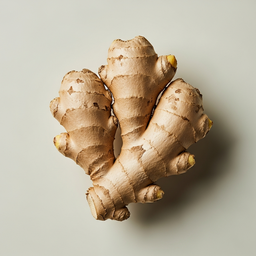 fresh ginger
 Asian staple combo: ginger improves rice digestion
Technical: Jasmine rice has a relatively high glycemic index (GI 68-80). Ginger contains gingerols that speed gastric emptying and can reduce glycemic response by 10-15%. Ginger also stimulates amylase activity, improving starch digestion.
What does this mean for you? Cook rice with ginger slices (remove before serving) or serve with ginger stir-fry. This is why ginger is so central to Asian cuisine with rice dishes.
DigestionBlood Sugar
jasmine rice (dry) 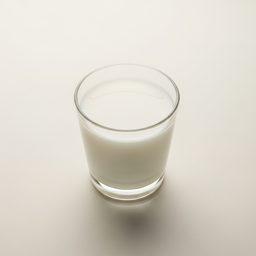 coconut milk
 Coconut milk lowers glycemic response of rice
Technical: MCTs (medium-chain triglycerides) in coconut milk slow gastric emptying and reduce the glycemic index of rice by 20-30%. The fat also improves absorption of fat-soluble nutrients in the meal.
What does this mean for you? Cook your rice in coconut milk (1:1 water:coconut milk ratio) for creamier, healthier rice. This is the basis of many Thai and Indonesian rice dishes.
Blood SugarEnergy
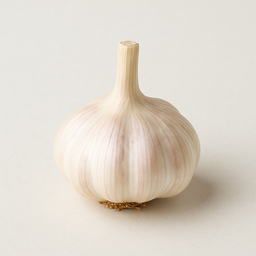 garlic fresh ginger
 Allicin + gingerols: complementary bioactive action
Technical: Garlic's allicin works via thiol enzyme inhibition — effective against gram-positive bacteria (Staphylococcus, Streptococcus). Ginger's gingerols and shogaols influence viral replication and stimulate interferon production. Together they cover both bacterial and viral pathways.
What does this mean for you? Garlic-ginger tea is a classic combination. Garlic works via thiol enzymes, ginger via interferon pathways. Cut both fresh for maximum active compounds — allicin only forms after 10 minutes of air exposure.
Immune System
coconut milk turmeric Golden Milk base - optimal curcumin absorption
Technical: Curcumin from turmeric is fat-soluble with bioavailability below 1% without fat. Coconut milk contains lauric acid and other MCTs that dissolve curcumin and significantly increase gut absorption. MCTs are also rapidly absorbed, efficiently transporting curcumin. This is the principle behind traditional Golden Milk.
What does this mean for you? Make golden milk with coconut milk as base — the coconut fat ensures your body actually absorbs the curcumin. Always add a pinch of black pepper for maximum effect.
Anti-inflammatoryJoints
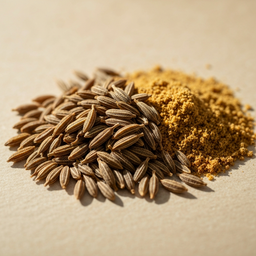 cumin garlic
 Double digestive support: enzymes + bioactive compounds
Technical: Cumin promotes digestive enzyme activity (amylase, lipase, protease) and increases bile flow. Garlic's allicin has broad bioactivity targeting pathogenic gut bacteria while sparing beneficial ones.
What does this mean for you? Fry garlic and cumin together as base for curries, soups and stews. Classic combination in virtually every cuisine in the world.
DigestionImmune System
cumin turmeric Classic curry base with enhanced digestion
Technical: Cumin promotes production of digestive enzymes (amylase, lipase, protease) and increases bile flow. Turmeric's curcumin modulates NF-κB and COX-2 signal transduction and supports hepatobiliary activity via bile stimulation. Together they provide enhanced digestion + bioactive action.
What does this mean for you? Cumin + turmeric is the base of every curry. The cumin promotes your digestion, the turmeric adds bioactive action — the perfect combination for a nutritious curry.
DigestionAnti-inflammatory
cumin olive oil Fat activates volatile oils and increases cuminaldehyde absorption
Technical: Cumin's active compounds (cuminaldehyde, cymene, terpinene) are volatile, fat-soluble compounds. Frying in olive oil extracts and stabilizes these compounds, and the fat improves their gut absorption.
What does this mean for you? Briefly fry cumin in olive oil before adding other ingredients (tadka/tempering). This is why Indian and Middle Eastern cuisines always fry cumin in oil.
DigestionAnti-inflammatoryBlood Sugar
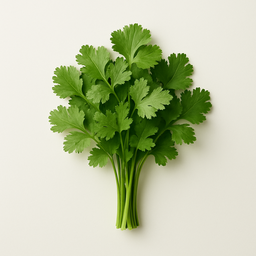 coriander powder turmeric
 Linalool + curcumin for enhanced bioactive action
Technical: Coriander's linalool and coriander oil are studied in relation to lipoxygenase modulation. Turmeric's curcumin modulates NF-κB and COX-2 signal transduction. Together they cover more bioactive signaling pathways than each herb alone.
What does this mean for you? Use coriander and turmeric together in curries and Indian dishes — a traditional combination that is scientifically supported.
Anti-inflammatoryDigestionAntioxidants
turmeric fresh ginger Enhanced bioactive action via two pathways
Technical: Turmeric and ginger belong to the same plant family (Zingiberaceae). Curcumin (turmeric) modulates NF-kB, while gingerol (ginger) modulates COX-2 and LOX (lipoxygenase). Because they target different signaling pathways, they enhance each other's bioactive action.
What does this mean for you? Turmeric + ginger in curry, soup or tea — two related spices that work bioactively via different pathways. Broader together than alone.
Anti-inflammatoryJoints
olive oil garlic Aglio e olio: allicin + oleocanthal via complementary biochemical pathways
Technical: Garlic contains allicin (formed when cutting/crushing) that influences HMG-CoA reductase (involved in lipid metabolism). Olive oil contains oleocanthal that modulates COX-1/2 enzymes. Together they influence lipid metabolism and prostaglandin cascade via complementary biochemical pathways. The fat also helps absorb fat-soluble garlic compounds.
What does this mean for you? Gently warm garlic in olive oil (don't burn!) as the base for many dishes. This is why 'aglio e olio' pasta is so beloved — two bioactive compounds that reinforce each other.
HeartImmune System
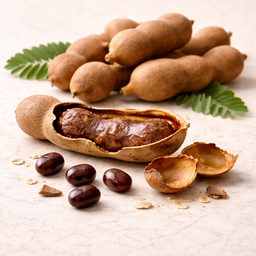 tamarind paste fresh ginger
 Tartaric acid + gingerols for GI tract and bioactive support
Technical: Tamarind's tartaric acid acts as a mild laxative by drawing water into the intestine (osmotic effect). Ginger's gingerols promote peristalsis via prokinetic action. Together they promote intestinal transit via two complementary mechanisms: osmotic (tamarind) + mechanical (ginger). Both also offer bioactive support: tartaric acid modulates NF-kB, gingerols modulate COX-2.
What does this mean for you? Tamarind-ginger drink is a South Asian digestive aid. Mix tamarind pulp with grated ginger in warm water after a heavy meal for smooth digestion.
DigestionAnti-inflammatory
tamarind paste coconut milk Acid + fat + protein for satay sauce perfection
Technical: Tamarind contains tartaric acid that lowers stomach pH and promotes pepsinogen (protein digestion enzyme) activity. Peanut provides 25g protein and healthy fats. Coconut milk's MCTs improve absorption of fat-soluble compounds. The acid + protein + fat trio optimizes nutrient absorption from the entire dish.
What does this mean for you? Make satay sauce with tamarind, peanut and coconut milk. The acid from tamarind helps better digest proteins from peanut — traditional Indonesian nutritional wisdom.
DigestionMuscle Gain
tamarind paste cumin Tartaric acid + cuminaldehyde for digestion and iron
Technical: Tamarind contains tartaric acid (8-14%) that lowers stomach pH and improves iron absorption. Tamarind is also one of the richest plant sources of iron (2.8mg/100g) and magnesium (92mg). Cumin's cuminaldehyde stimulates pancreatic enzymes by 20-30%. Tartaric acid chelates iron from both sources into soluble forms. The combination is the base of Indian chutneys and rasam soup.
What does this mean for you? Tamarind-cumin chutney or rasam is an Indian digestive aid that's scientifically supported. The sour + spicy profile stimulates every phase of digestion.
DigestionEnergy
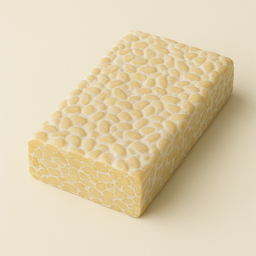 tempeh fresh ginger
 Protein digestion + bioactive gingerols
Technical: Tempeh's Rhizopus oligosporus mycelium has already started protein breakdown during fermentation — proteins are partially hydrolyzed and more digestible. Ginger's gingerols speed up gastric emptying by ~25%. Together they optimize protein digestion: tempeh makes protein 'pre-digested', ginger accelerates further breakdown.
What does this mean for you? Fry tempeh with fresh ginger and tamari — a classic Indonesian preparation. The ginger not only helps flavor-wise but also ensures you maximize protein utilization from tempeh. Ideal after exercise.
DigestionAnti-inflammatory
tempeh turmeric Fermentation + curcumin: fermented isoflavones with enhanced absorption
Technical: Tempeh contains fermented isoflavones (genistein, daidzein) with higher bioavailability than in tofu. Turmeric's curcumin is fat-soluble and better absorbed through the fats in tempeh. Both compounds are studied in research on NF-κB signaling and cellular mechanisms.
What does this mean for you? Fry tempeh in coconut oil with turmeric and black pepper. A classic Indonesian preparation that also provides complete protein. Black pepper increases curcumin absorption by 2000%.
Anti-inflammatoryMuscle GainHormonal Balance
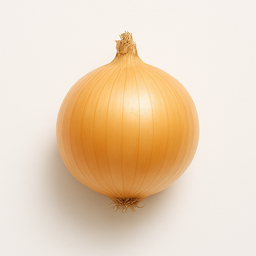 red onion garlic
 More than 20 organosulfur compounds in one soffritto
Technical: Onion contains diallyl disulfide and quercetin (20-40mg/100g). Garlic contains allicin, ajoene and S-allylcysteine. Together they provide more than 20 different organosulfur compounds that modulate NF-κB. Allium crops are intensively studied in nutrition science for their unique sulfur chemistry.
What does this mean for you? Start every dish with sautéed onion and garlic — not just for flavor, but for the unique concentration of organosulfur compounds. Cut garlic 10 minutes before heating to allow allicin formation.
DigestionImmune System
 water fresh ginger
 Hydration + gingerols for digestion and metabolism
Technical: Water is the medium for all biochemical reactions and nutrient transport. Ginger's gingerols (1.5-3%) are water-soluble and optimally extracted in warm water. Gingerols are studied in research in relation to thermogenesis and digestion. Warm ginger water contains dissolved gingerols.
What does this mean for you? Start your day with warm ginger water — slice fresh ginger and steep for 10 minutes. It gives a warm, spicy start to your day and hydrates at the same time.
DigestionWeight LossEnergy
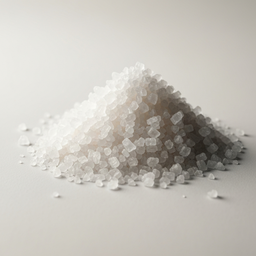 sea salt olive oil
 Minerals + polyphenols for cellular balance
Technical: Sea salt's sodium is essential for the sodium-potassium pump (Na+/K+-ATPase) that regulates every body cell. Olive oil's oleuropein and hydroxytyrosol provide antioxidant protection for cell membranes. The combination supports cell integrity: sea salt regulates ion balance, olive oil protects the membrane. In Mediterranean cuisine, coarse sea salt + olive oil is the most basic flavor profile.
What does this mean for you? Freshly ground sea salt with extra virgin olive oil is the simplest and most nutritious finishing of any dish. The combination provides the basic needs of your cells: minerals for function, polyphenols for protection.
HeartGeneral Wellness
Ingredients (15)
+12 more ingredientsInstructions
- 1 Cut the tempeh into 2 cm cubes. Heat 8 ml olive oil in a skillet and fry the tempeh 5 minutes until golden and crispy all over. Remove and set aside.
Nutrition per serving
Indicative values per serving.
Timing & Suitability
Shelf life: 3 days in fridge
Tags & Diet
Allergens: Peanuts, Soy