- Medium
- 80 min
- 4 serv.
- 24 synergies
- Now at its best: Plums
A fragrant Moroccan chicken tagine with tender chicken thighs, soft prunes, honey, lemon and warm spices. The sauce slowly becomes sweet-savoury and full of flavour, finished with toasted almonds and fresh coriander.
This is the kind of tagine that slowly fills the kitchen with fragrance: onion softening in olive oil, ginger and garlic adding warmth, cinnamon and turmeric turning the sauce golden and aromatic. The chicken gently braises under the lid until tender, while the prunes release their deep sweetness into the sauce. Honey rounds everything out, lemon brings the balance back, and toasted almonds add that unmistakable Moroccan crunch on top. Serve with couscous, brown rice or cauliflower rice — though honestly, the sauce is so good you will want something to catch every spoonful.
- 20
- min prep
- 60
- min cook
- 80
- min total
Nutritional Synergies
This recipe combines ingredients that enhance each other:
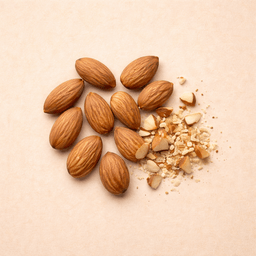 Almonds
 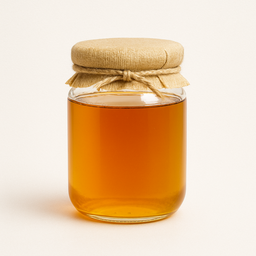 Honey
Honey Vitamin E + flavonoids for enhanced antioxidant protection
Technical: Almonds are rich in alpha-tocopherol (vitamin E), a fat-soluble antioxidant. Honey's flavonoids (chrysin, pinocembrin) are water-soluble antioxidants. Together they provide protection in both lipid and aqueous compartments of cells.
What does this mean for you? Almonds with a bit of honey is not just a classic snack, but gives your cells double antioxidant protection — in fat and water.
Anti-inflammatorySkin & HairImmune System
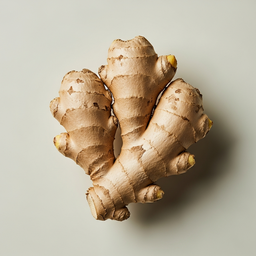 Fresh ginger
 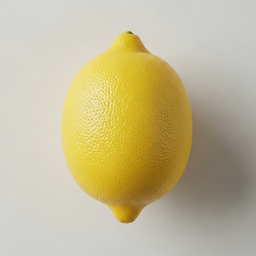 Preserved lemon
 Warming herbal drink with vitamin C
Technical: Ginger contains gingerol and shogaol that modulate COX-2 and NF-kB and raise body temperature (diaphoretic effect, promotes sweating). Lemon provides 53mg vitamin C per 100ml that contributes to the normal function of the immune system.
What does this mean for you? Ginger-lemon tea is a classic warming drink. The ginger modulates signaling pathways, the lemon provides vitamin C that contributes to normal immune function — a comforting combination.
Immune SystemAnti-inflammatory
Fresh ginger Honey Classic combination: warming herbal drink with honey
Technical: Ginger's gingerol modulates COX-2 and has antiemetic action (suppresses nausea via 5-HT3 receptor blockade). Honey's glucose oxidase produces hydrogen peroxide with bioactive action, while honey physically coats and soothes the throat. Together: bioactive modulation + throat protection.
What does this mean for you? Ginger tea with honey is a classic, warming combination. The ginger provides gingerol, the honey a smooth, sweet layer.
Immune System
Honey Preserved lemon Classic combination for sore throat and colds
Technical: Honey forms a physical protective layer on irritated mucous membranes (demulcent effect) and contains glucose oxidase producing hydrogen peroxide with bioactive action. Lemon provides vitamin C (53mg/100ml) that activates immune cells (neutrophils, lymphocytes). Together: local mucosal protection + systemic immune activation.
What does this mean for you? Drink warm water with honey and lemon for sore throat or cold. The honey protects your throat like a coating, the lemon activates your immune system.
Immune System
Honey 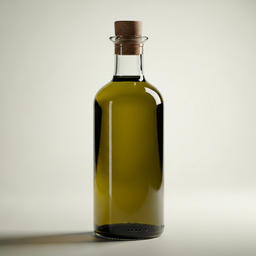 Olive oil
 Dual bioactive action via chrysin + oleocanthal
Technical: Honey contains chrysin and olive oil oleocanthal — bioactive phenolic compounds studied in research in connection with NF-κB and COX signaling. Together they provide plant compounds through two independent routes.
What does this mean for you? A dressing of honey and olive oil is not just tasty — the chrysin and oleocanthal work through two different routes in your body.
Anti-inflammatoryHeartJoints
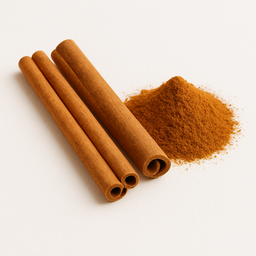 Cinnamon Honey
 Traditional warm combination of cinnamon and honey
Technical: Cinnamon contains cinnamaldehyde and proanthocyanidins with bioactive action via cell wall disruption. Honey's glucose oxidase produces hydrogen peroxide with bioactive action, while honey's high viscosity forms a physical barrier. Two independent bioactive mechanisms that work more broadly together.
What does this mean for you? Cinnamon + honey in warm tea — a classic combination. Both have bioactive action via different pathways — broader together than alone.
Immune System
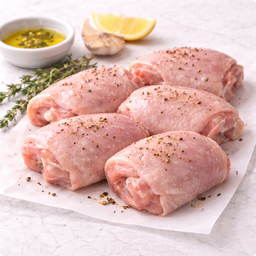 Halal chicken thighs Preserved lemon
 Vitamin C increases iron absorption and activates collagen formation
Technical: Chicken thighs contain 1.3mg heme iron per 100g with 15-35% bioavailability, plus 20g protein rich in proline and hydroxyproline (collagen precursors). Lemon provides 53mg vitamin C per 100g that reduces Fe³⁺→Fe²⁺ (300-400% better iron absorption) and is essential cofactor for prolyl/lysyl-hydroxylases that hydroxylate procollagen for stable collagen triple-helix formation. Without vitamin C, defective collagen forms.
What does this mean for you? Drizzle chicken thighs with lemon juice after roasting. The vitamin C improves your iron absorption and activates collagen formation from chicken amino acids. Vitamin C contributes to normal collagen formation for the normal function of skin (EFSA-approved). Especially useful with iron deficiency.
JointsSkin & HairEnergy
Halal chicken thighs 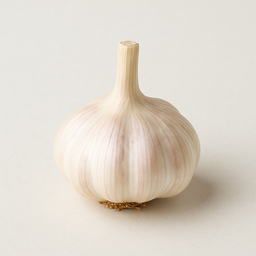 Garlic
 Classic combination: allicin for flavor and health
Technical: Chicken thighs contain more fat and flavor than breast, plus extra iron and zinc from dark meat. Garlic contains allicin that influences lipid metabolism. The sulfur compounds in garlic also help digest the fat in thighs.
What does this mean for you? Cook chicken thighs with lots of garlic — this is the basis of dishes like 'chicken with 40 cloves of garlic' and Moroccan tajines. The fat in thighs makes chicken juicier and garlic softer.
HeartImmune System
Halal chicken thighs 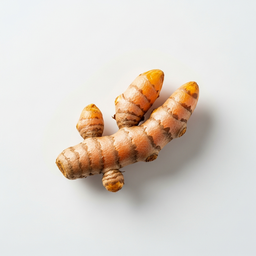 Turmeric
 Thigh fat increases curcumin absorption for joint and bioactive support
Technical: Chicken thighs contain 10-14g fat per 100g (more than breast: 3g), of which 30% MUFA and 20% PUFA. This higher fat content creates superior micelles for curcumin absorption compared to lean meat. Curcumin (diferuloylmethane) is studied in research in connection with NF-κB and COX-2 signaling (IC50 1-5μM). The iron in chicken thighs (1.3mg/100g heme iron) is protected from oxidation by curcumin's iron-chelating properties.
What does this mean for you? Chicken thighs with turmeric (yellow braised) works better than chicken breast with turmeric — the extra fat from the thighs dissolves more curcumin. Perfect for a curry or roasted chicken thighs with turmeric paste.
Anti-inflammatoryJointsImmune System
Garlic Fresh ginger Allicin + gingerols: complementary bioactive action
Technical: Garlic's allicin works via thiol enzyme inhibition — effective against gram-positive bacteria (Staphylococcus, Streptococcus). Ginger's gingerols and shogaols influence viral replication and stimulate interferon production. Together they cover both bacterial and viral pathways.
What does this mean for you? Garlic-ginger tea is a classic combination. Garlic works via thiol enzymes, ginger via interferon pathways. Cut both fresh for maximum active compounds — allicin only forms after 10 minutes of air exposure.
Immune System
Garlic Honey Fermented: allicin + bee defensin in traditional condiment
Technical: Raw garlic contains alliin converted by alliinase to allicin — an organosulfur compound with bioactive properties — when cut. Raw honey contains hydrogen peroxide, bee defensin-1 and methylglyoxal. Fermenting garlic in honey increases bioavailability of S-allylcysteine (SAC), a more stable bioactive metabolite.
What does this mean for you? Submerge raw garlic cloves in raw honey and ferment for 2-4 weeks. You get a traditional condiment with concentrated bioactive compounds — an ancient fermentation technique that increases bioavailability.
Immune System
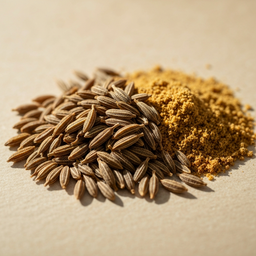 Cumin Garlic
 Double digestive support: enzymes + bioactive compounds
Technical: Cumin promotes digestive enzyme activity (amylase, lipase, protease) and increases bile flow. Garlic's allicin has broad bioactivity targeting pathogenic gut bacteria while sparing beneficial ones.
What does this mean for you? Fry garlic and cumin together as base for curries, soups and stews. Classic combination in virtually every cuisine in the world.
DigestionImmune System
Cumin Turmeric Classic curry base with enhanced digestion
Technical: Cumin promotes production of digestive enzymes (amylase, lipase, protease) and increases bile flow. Turmeric's curcumin modulates NF-κB and COX-2 signal transduction and supports hepatobiliary activity via bile stimulation. Together they provide enhanced digestion + bioactive action.
What does this mean for you? Cumin + turmeric is the base of every curry. The cumin promotes your digestion, the turmeric adds bioactive action — the perfect combination for a nutritious curry.
DigestionAnti-inflammatory
Cumin Olive oil Fat activates volatile oils and increases cuminaldehyde absorption
Technical: Cumin's active compounds (cuminaldehyde, cymene, terpinene) are volatile, fat-soluble compounds. Frying in olive oil extracts and stabilizes these compounds, and the fat improves their gut absorption.
What does this mean for you? Briefly fry cumin in olive oil before adding other ingredients (tadka/tempering). This is why Indian and Middle Eastern cuisines always fry cumin in oil.
DigestionAnti-inflammatoryBlood Sugar
Cumin 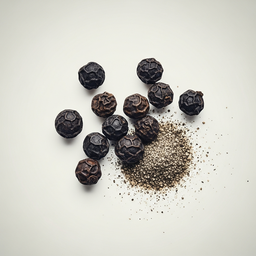 Black pepper
 Piperine increases absorption of cumin's active compounds 2-3x
Technical: Cumin contains cuminaldehyde and thymoquinone with digestive-promoting and bioactive properties. Piperine from black pepper inhibits CYP3A4 enzymes, reducing breakdown and improving absorption 2-3x.
What does this mean for you? Always add black pepper to dishes with cumin. This is why many spice blends (garam masala, ras el hanout) contain both.
DigestionAnti-inflammatory
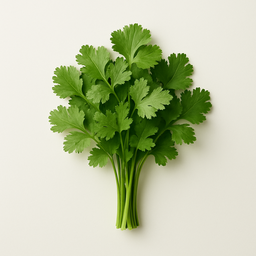 Fresh coriander Turmeric
 Linalool + curcumin for enhanced bioactive action
Technical: Coriander's linalool and coriander oil are studied in relation to lipoxygenase modulation. Turmeric's curcumin modulates NF-κB and COX-2 signal transduction. Together they cover more bioactive signaling pathways than each herb alone.
What does this mean for you? Use coriander and turmeric together in curries and Indian dishes — a traditional combination that is scientifically supported.
Anti-inflammatoryDigestionAntioxidants
Turmeric Fresh ginger Enhanced bioactive action via two pathways
Technical: Turmeric and ginger belong to the same plant family (Zingiberaceae). Curcumin (turmeric) modulates NF-kB, while gingerol (ginger) modulates COX-2 and LOX (lipoxygenase). Because they target different signaling pathways, they enhance each other's bioactive action.
What does this mean for you? Turmeric + ginger in curry, soup or tea — two related spices that work bioactively via different pathways. Broader together than alone.
Anti-inflammatoryJoints
Turmeric Black pepper Increases curcumin absorption by 2000%
Technical: Curcumin from turmeric has bioavailability below 1% due to rapid glucuronidation in the liver. Piperine from black pepper inhibits UGT (UDP-glucuronosyltransferase) and CYP3A4, preventing curcumin breakdown. This increases bioavailability by 2000% (20x). Use ratio ¼ teaspoon pepper to 1 teaspoon turmeric.
What does this mean for you? ALWAYS add black pepper when using turmeric. Without pepper your body absorbs virtually nothing — with pepper 20x more. This is the most important food synergy there is.
Anti-inflammatoryJointsFocus
Olive oil Preserved lemon Oleic acid + citric acid: complementary pathways for glycemic response
Technical: Lemon contains citric acid that slows gastric emptying, causing carbohydrates from the meal to be absorbed more slowly. Olive oil's fats reinforce this effect by further influencing glycemic response. Together they influence the postprandial glucose response via two complementary mechanisms. Olive oil's oleocanthal and lemon's vitamin C additionally provide complementary antioxidant action.
What does this mean for you? A simple dressing of olive oil and lemon juice over your salad is one of the smartest combinations you can make. The two mechanisms (delayed gastric emptying + fat slowing) work together to influence the glucose response after your meal.
EnergyDigestion
Olive oil Garlic Aglio e olio: allicin + oleocanthal via complementary biochemical pathways
Technical: Garlic contains allicin (formed when cutting/crushing) that influences HMG-CoA reductase (involved in lipid metabolism). Olive oil contains oleocanthal that modulates COX-1/2 enzymes. Together they influence lipid metabolism and prostaglandin cascade via complementary biochemical pathways. The fat also helps absorb fat-soluble garlic compounds.
What does this mean for you? Gently warm garlic in olive oil (don't burn!) as the base for many dishes. This is why 'aglio e olio' pasta is so beloved — two bioactive compounds that reinforce each other.
HeartImmune System
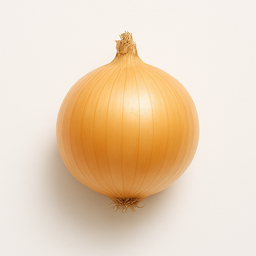 Onions Garlic
 More than 20 organosulfur compounds in one soffritto
Technical: Onion contains diallyl disulfide and quercetin (20-40mg/100g). Garlic contains allicin, ajoene and S-allylcysteine. Together they provide more than 20 different organosulfur compounds that modulate NF-κB. Allium crops are intensively studied in nutrition science for their unique sulfur chemistry.
What does this mean for you? Start every dish with sautéed onion and garlic — not just for flavor, but for the unique concentration of organosulfur compounds. Cut garlic 10 minutes before heating to allow allicin formation.
DigestionImmune System
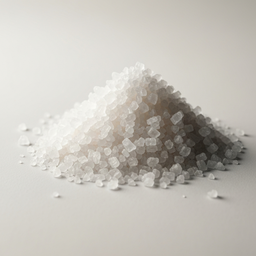 Sea salt Preserved lemon
 Trace minerals + vitamin C for electrolytes and immune system
Technical: Unrefined sea salt contains 80+ trace elements (magnesium 0.5%, potassium 0.4%, calcium 0.1%, plus iodine, zinc, selenium in trace amounts) alongside sodium. Lemon's vitamin C improves absorption of non-heme iron and zinc from sea salt. Sodium + potassium together regulate cellular osmosis. Vitamin C is also essential for collagen synthesis where sea salt minerals serve as cofactors.
What does this mean for you? A glass of warm water with a pinch of unrefined sea salt and lemon juice in the morning is an effective hydration ritual. The minerals + vitamin C start your day with good electrolyte balance.
EnergyImmune System
Sea salt Olive oil Minerals + polyphenols for cellular balance
Technical: Sea salt's sodium is essential for the sodium-potassium pump (Na+/K+-ATPase) that regulates every body cell. Olive oil's oleuropein and hydroxytyrosol provide antioxidant protection for cell membranes. The combination supports cell integrity: sea salt regulates ion balance, olive oil protects the membrane. In Mediterranean cuisine, coarse sea salt + olive oil is the most basic flavor profile.
What does this mean for you? Freshly ground sea salt with extra virgin olive oil is the simplest and most nutritious finishing of any dish. The combination provides the basic needs of your cells: minerals for function, polyphenols for protection.
HeartGeneral Wellness
Black pepper Olive oil Fat increases piperine absorption and enhances polyphenols
Technical: Piperine is fat-soluble and absorbed 2-3x better with dietary fat. Olive oil's oleocanthal and piperine both modulate COX signal transduction through different mechanisms, providing additive bioactive effect.
What does this mean for you? Grind fresh pepper over salads with olive oil dressing. The combination enhances both pepper absorption and bioactive action.
Anti-inflammatoryHeartDigestion
Ingredients (15)
- Halal chicken thighs — 700 g bone-in, skin removed
-
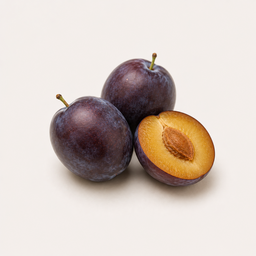 Dried prunes — 140 g pitted
 - Onions — 2 pcs cut into thick rings
Instructions
- 1 Pat the chicken thighs dry and season with sea salt, black pepper, turmeric, cumin and cinnamon.
- 2 Heat the olive oil in a tagine or Dutch oven over medium-high heat. Brown the chicken on all sides for 5-6 minutes. Remove from the pan and set aside.
Nutrition per serving
Indicative values per serving.
Timing & Suitability
Shelf life: 4 days in fridge
Tags & Diet
Allergens: Nuts